Other Plant Fiber Woven Soundproof Board
CN → US| HS编码 | 关税税率 | 原产国 | 目的国 | 文档 |
|---|---|---|---|---|
| 4421999880 | 38.3% | CN | US | 官方文档 |
| 4421919880 | 38.3% | CN | US | 官方文档 |
| 4602191800 | 39.5% | CN | US | 官方文档 |
| 9403893020 | 35.0% | CN | US | 官方文档 |
| 9403893010 | 35.0% | CN | US | 官方文档 |
商品图片
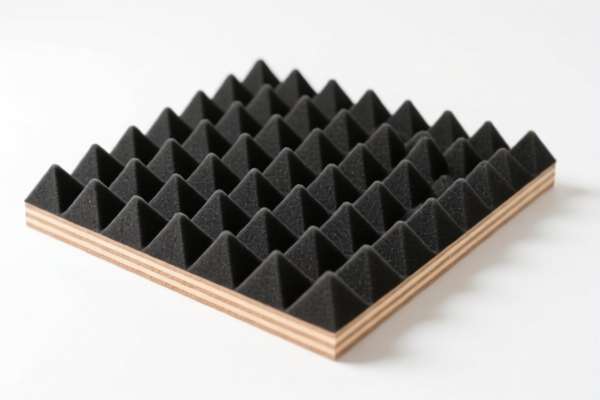
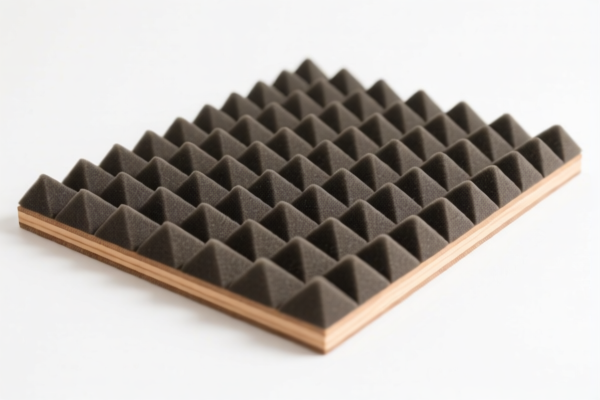
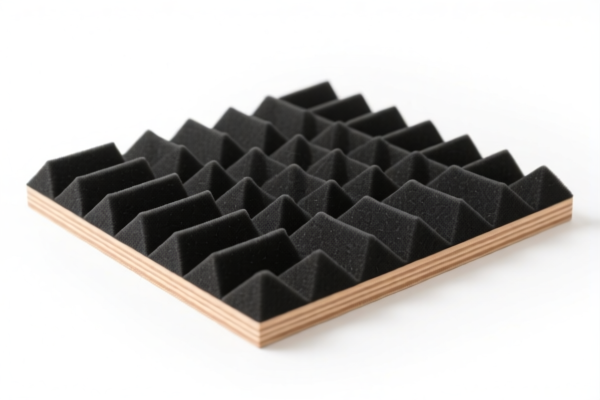
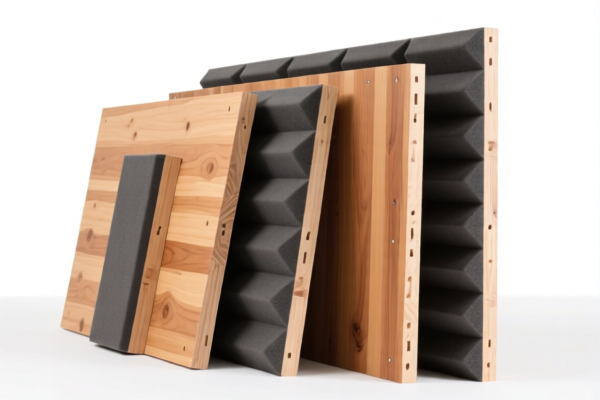
AI分析
🌿 Plant Fiber Woven Soundproof Board (植物纤维编织隔板)
🌐 HS Code Reference & Customs Clearance Guide | 2026 Latest Tariff Analysis | Professional Clearance Strategy
📌 I. Product Definition & Classification: What Exactly is a "Soundproof Board"?
The "Plant Fiber Woven Soundproof Board" is a versatile construction and interior design material made from natural fibers (such as rattan, bamboo, wicker, reed, or other vegetable fibers) that are woven into panels or mats. Its primary functions include sound insulation/absorption, decorative partitioning, and wall cladding.
In international trade, the classification of this product depends heavily on its final form, structural integrity, and intended use:
- Wood/Bamboo Articles (Chapter 44): If the product is primarily considered a processed wood or bamboo item, regardless of the weaving technique.
- Basketry/Weaving Products (Chapter 46): If the product is classified as a woven article, basket, bag, or similar container-like structure, even if used as a panel.
- Furniture & Parts (Chapter 94): If the product is clearly identified as a part of furniture (e.g., a decorative screen, room divider, or headboard panel) or a home decoration item.
⚠️ Key Distinction Point:
- If it is a rigid panel used for construction/wall covering → Look to Chapter 44 or 9403 (as furniture parts).
- If it is a flexible woven mat or basket-weave texture → Look to Chapter 46.
- Crucial Note: In the provided data, all entries include US Additional Tariffs (Section 301, Section 122, etc.), indicating China Origin products entering the US Market.
📦 II. HS Code Classification Details (Based on Provided Data)
The following HS Codes are derived strictly from the provided <DATA>. Each code represents a different customs interpretation of the same product, leading to varying tax liabilities.
| HS Code | Product Description (Summary) | Category | Total Tax Rate | Tax Composition |
|---|---|---|---|---|
4421.99.98.80 |
Plant fiber woven board, classified as other wood products | Chapter 44 (Wood & Wood Articles) | 38.3% | Base: 3.3%, Add.: 25.0%, Sec 122: 10% |
4421.91.98.80 |
Plant fiber woven board, classified as other bamboo/wood items | Chapter 44 (Wood & Bamboo) | 38.3% | Base: 3.3%, Add.: 25.0%, Sec 122: 10% |
4602.19.18.00 |
Plant fiber woven board, classified as basketry/ware (baskets/bags) | Chapter 46 (Vegetable Plaiting Materials) | 39.5% | Base: 4.5%, Add.: 25.0%, Sec 122: 10% |
9403.89.30.20 |
Plant fiber woven board, classified as parts of rattan/wicker furniture | Chapter 94 (Furniture) | 35.0% | Base: 0.0%, Add.: 25.0%, Sec 122: 10% |
9403.89.30.10 |
Plant fiber woven board, classified as rattan/wicker components or home decorations | Chapter 94 (Furniture/Decor) | 35.0% | Base: 0.0%, Add.: 25.0%, Sec 122: 10% |
🔍 Analysis of the Data:
- Cheapest Option:9403.89.30.20and9403.89.30.10have the lowest total tax rate (35.0%) because their Base Tariff is 0%.
- Most Expensive Option:4602.19.18.00has the highest total tax rate (39.5%) due to a higher base tariff (4.5%).
- Middle Ground:4421.99.98.80and4421.91.98.80sit at 38.3%.
💰 III. Detailed Tariff Breakdown (2026 US Import Context)
✅ Applicable Country: United States (US)
✅ Origin: China (CN) (Implied by the presence of "122 Clause" and specific add-on tariffs)
✅ Effective Date: Post-2025 Tariff Regime
🎯 1. The "Cheapest" Path: Furniture Parts & Decor (9403.89.30)
HS Codes: 9403.89.30.20 / 9403.89.30.10
Total Rate: 35.0%
| Item | Detail |
|---|---|
| Base Tariff | 0.0% (Ad Valorem) |
| Section 301 Additional Tariff | +25.0% |
| Section 122 Tariff | +10.0% |
| Total Effective Rate | 35.0% |
| Calculation | CIF Value × 35.0% |
| De Minimis Exemption | ❌ Not Eligible (Value > $800 or specific restrictions apply) |
📌 Explanation:
- Why 0% Base?: Furniture parts and certain rattan/wicker items often enjoy lower base rates under Chapter 94.
- Why +25%?: This is the standard Section 301 tariff on many Chinese imports.
- Why +10%?: This refers to specific enforcement actions (often related to forced labor or specific trade remedies, labeled as "122 Clause" in the data).
- Strategic Advantage: This is the lowest cost classification among the five options provided.
🎯 2. The "Wood/Bamboo" Path (4421.99 / 4421.91)
HS Codes: 4421.99.98.80 / 4421.91.98.80
Total Rate: 38.3%
| Item | Detail |
|---|---|
| Base Tariff | 3.3% (Ad Valorem) |
| Section 301 Additional Tariff | +25.0% |
| Section 122 Tariff | +10.0% |
| Total Effective Rate | 38.3% |
| Calculation | CIF Value × 38.3% |
| De Minimis Exemption | ❌ Not Eligible |
📌 Explanation:
- Why 3.3% Base?: Other wood articles (like woven panels not specifically listed elsewhere) have a small base duty.
- Cost Impact: You pay 0.3% more in base duty compared to the furniture classification.
- Risk: If the product is deemed "bamboo," it falls under4421.91. If "other wood,"4421.99. The distinction can be technical.
🎯 3. The "Basketry" Path (4602.19)
HS Code: 4602.19.18.00
Total Rate: 39.5%
| Item | Detail |
|---|---|
| Base Tariff | 4.5% (Ad Valorem) |
| Section 301 Additional Tariff | +25.0% |
| Section 122 Tariff | +10.0% |
| Total Effective Rate | 39.5% |
| Calculation | CIF Value × 39.5% |
| De Minimis Exemption | ❌ Not Eligible |
📌 Explanation:
- Why 4.5% Base?: Basketry products often have higher base duties.
- Highest Cost: This is the most expensive classification, costing $1.20 more per $100 of goods compared to the furniture classification.
- When to Use?: Only if the product is structurally more like a basket/mat than a rigid board or furniture part.
🛠️ IV. Customs Clearance Practical Advice (Pro Tips)
✅ 1. Material Selection for Optimal Classification
| Strategy | Recommended HS Code | Benefit |
|---|---|---|
| Maximize Savings | 9403.89.30.20 or 9403.89.30.10 |
Lowest Tax (35.0%). Classify as a furniture part or decorative home item. |
| Neutral Classification | 4421.99.98.80 |
Moderate Tax (38.3%). Good if the product is purely structural wood/bamboo. |
| Avoid If Possible | 4602.19.18.00 |
Highest Tax (39.5%). Only use if the product is clearly a woven basket/mat. |
💡 Pro Tip: To use
9403.89.30, ensure your product description emphasizes its use as a room divider, furniture backing, or decorative panel. Provide photos showing it installed as part of a furniture piece or room layout.
✅ 2. Required Documentation for Clearance
| Document | Purpose | Key Details to Include |
|---|---|---|
| Commercial Invoice | Valuation & Classification | Clearly state "Plant Fiber Woven Panel, Used as Room Divider/Decor" |
| Packing List | Quantity & Weight | Specify dimensions, weight, and packaging type |
| Product Photos | Classification Proof | Show the product’s texture, rigidity, and intended use (e.g., mounted on a wall or frame) |
| Material Composition Statement | Origin & Fiber Type | Confirm 100% natural plant fiber (rattan, bamboo, reed, etc.) |
| Country of Origin Certificate | Tariff Eligibility | Must state China (to apply the correct additional tariffs) |
✅ 3. Common Pitfalls & How to Avoid Them
❌ Mistake 1: Declaring as "Construction Material" (Chapter 44) without justification
👉 Result: May be reclassified to 4602 (higher tax) or 9403 (lower tax).
👉 Fix: If claiming 4421, provide technical specs showing it’s a rigid board. If claiming 9403, show it’s part of furniture/decor.
❌ Mistake 2: Ignoring "Section 122" Tariff
👉 Result: Underpayment of duties by 10%, leading to penalties and delayed release.
👉 Fix: Always include the 10% Section 122 tariff in your cost calculations for China-origin goods.
❌ Mistake 3: Mislabeling as "Bamboo" vs. "Other Wood"
👉 Result: Confusion between 4421.91 and 4421.99.
👉 Fix: If the fiber is explicitly bamboo, use 4421.91. If mixed or unknown, 4421.99 is safer, but verify with customs broker.
🌍 V. Global Market Comparison (2026)
| Market | Recommended HS Code | Estimated Total Tax | Notes |
|---|---|---|---|
| 🇺🇸 USA | 9403.89.30.20 |
35.0% | Lowest duty. Includes Section 301 (+25%) and Sec 122 (+10%). |
| 🇨🇳 China | 4421.99.98.80 |
5-10% (Est.) | Low import duty for raw materials/decor. No Section 301. |
| 🇪🇺 EU | 4602.19 |
3.5% - 6% | Standard WCO duty. No Section 301. |
| 🇬🇧 UK | 9403.89 |
0% - 6% | Post-Brexit tariff. Check for FTA benefits if applicable. |
📌 Conclusion for US Importers:
- Always aim for9403.89.30.x0if the product can be reasonably described as a furniture component or home decor item. It saves 0.3% - 4.5% compared to other classifications.
- Prepare for the 35% total duty in your landed cost calculations.
📌 VI. Common Errors & Lessons Learned
❌ Error 1: Using "Wood Panel" generic description
👉 Consequence: Customs may classify under 4421 (38.3%) instead of 9403 (35.0%).
👉 Lesson: Be specific! Use "Woven Decorative Panel" or "Rattan Furniture Part."
❌ Error 2: Ignoring the "122 Clause"
👉 Consequence: Underpayment of 10%.
👉 Lesson: The 122 tariff is mandatory for many China-origin goods. It is not optional.
❌ Error 3: Declaring "Soundproof Board" without context
👉 Consequence: Customs may view it as an industrial material (higher duty) or require additional testing.
👉 Lesson: Emphasize its decorative or furniture-related use to qualify for lower tariffs.
✅ Correct Declaration Example:
"Plant Fiber Woven Decorative Panel, Made of Rattan, Used as Room Divider/Furniture Backing, Country of Origin: China"
🎯 VII. Conclusion: Professional Clearance, Maximum Savings!
🎯 Key Takeaway:
🔹 "Classify as Furniture/Decor (
9403) to Save 3.5-4.5%."
🔹 "Total Duty is 35% (China to US). Plan Your Budget Accordingly."
🔹 "Include Section 122 (10%) and Section 301 (25%) in All Cost Models."
📌 Final Tip:
If you are importing large quantities, consider applying for an Exclusion under Section 301 (if available) or explore Transshipment (if legally compliant and viable) to mitigate tariffs. However, the HS Code selection is your first and most impactful line of defense.
📣 Action Step:
📞 Consult Your Customs Broker with the product photos and confirm the
9403.89.30.20classification before shipment.
🚀 Optimize Your Landed Cost by choosing the right HS Code today!
✨ Smart Classification, Smarter Profits!
💼 Every Percentage Point Counts in Global Trade!
用户评价
关于 HS 编码归类
协调制度(HS)是由世界海关组织(WCO)制定的国际贸易商品分类标准。全球 200 多个国家采用 HS 系统作为海关关税、贸易统计和进出口监管的基础。
每个 HS 编码遵循以下层级结构:
- 章(2 位)——商品大类(例如:第 84 章:机器和机械设备)
- 品目(4 位)——章内的更具体分类
- 子目(6 位)——国际通用细分,所有 WCO 成员国统一使用
- 本国细分(8-10 位)——各国自行扩展的细分编码,如美国 HTSUS 10 位编码
正确的 HS 编码归类对于顺利通关、准确缴纳关税和遵守贸易法规至关重要。错误归类可能导致海关延误、多缴关税或罚款。
从CN进口到US时,适用的关税税率可能包括:
- 最惠国(MFN)税率——适用于 WTO 成员国的标准关税税率
- 普通税率——适用于无贸易协定国家
- 贸易救济关税——附加关税,如 301 条款(反倾销)、232 条款(国家安全)或反补贴税
本页内容仅供参考。如需正式归类,请咨询当地海关或持牌报关代理。