Other Plastic Translucent Sheets
CN → US| HS编码 | 关税税率 | 原产国 | 目的国 | 文档 |
|---|---|---|---|---|
| 9001909000 | 35.0% | CN | US | 官方文档 |
| 9001200000 | 35.0% | CN | US | 官方文档 |
| 3921905050 | 39.8% | CN | US | 官方文档 |
| 3921901100 | 39.2% | CN | US | 官方文档 |
| 3926909400 | 35.0% | CN | US | 官方文档 |
| 3926909989 | 22.8% | CN | US | 官方文档 |
| 9001200000 | 35.0% | CN | US | 官方文档 |
| 9001909000 | 35.0% | CN | US | 官方文档 |
商品图片
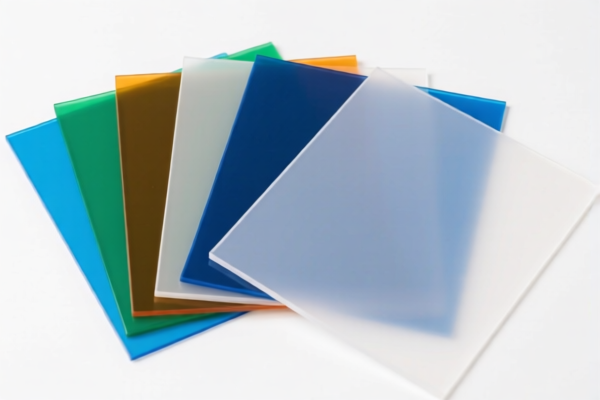
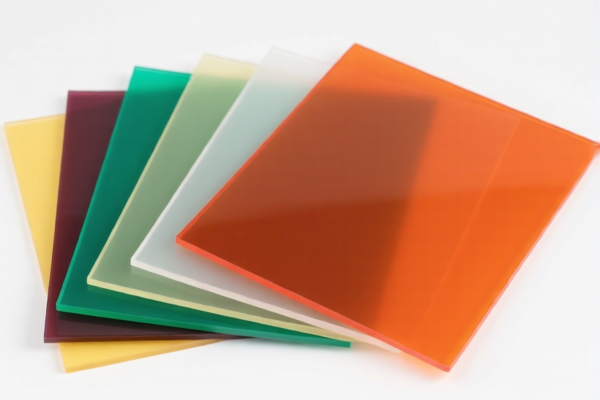
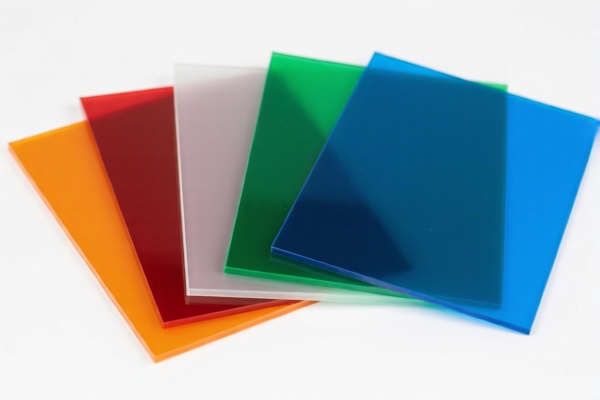
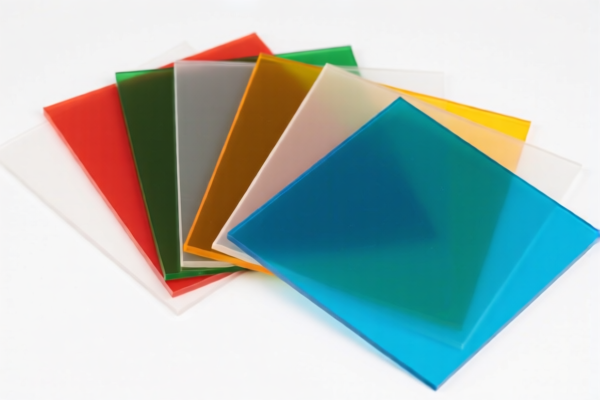
AI分析
📦 Other Plastic Translucent Sheets: HS Code Classification & Duty Analysis (2026 Guide)
🌐 HS Code Reference & Customs Clearance Guide | 2026 Latest Tariff Breakdown | Professional Compliance Strategy
📌 I. Product Definition & Classification: What Are "Other Plastic Translucent Sheets"?
"Other Plastic Translucent Sheets" refer to non-metallic flat products made of plastics that allow light to pass through diffusely (translucent) but not clearly (transparent). In international trade, these products are primarily classified under Chapter 39 (Plastics and Articles Thereof) or Chapter 90 (Optical Instruments), depending on their specific composition and optical properties.
Key Distinctions: 1. General Plastic Sheets (Chapter 39): Standard translucent films, foils, or sheets without optical treatment or specific textile combinations. These are usually "Other" articles of plastics. 2. Textile-Composite Sheets: Sheets combined with textile materials, weighing ≤ 1.492 kg/m², where man-made fibers predominate. These have specific subheadings based on fiber content. 3. Optical/Functional Elements: If the sheet serves a specific optical function (e.g., polarizing material, light transmission for fiber optics), it may fall under Chapter 90.
⚠️ Critical Classification Point:
- If the sheet is a general packaging or construction material → Chapter 39 (e.g., 3921 or 3926)
- If it is a polarizing sheet (used in LCDs, sunglasses, displays) → Chapter 90 (9001.20.00.00)
- If it is a textile-plastic composite with low weight → Chapter 39 (3921.90.11.00)
📋 II. HS Code Classification Matrix (2026 Authorized List)
| HS Code | Product Description | Applicable Scenario | Key Characteristics |
|---|---|---|---|
3921.90.50.50 |
Other plates, sheets, film, foil and strip, of plastics: Other: Other: Other Other | General translucent plastic sheets, films, or foils not specified elsewhere. | ✅ General Use: Packaging, construction, insulation, signage. ❌ Not textile-composite. ❌ Not optical/polarizing. |
3921.90.11.00 |
Other plates, sheets, film, foil and strip, of plastics: Other: Combined with textile materials and weighing not more than 1.492 kg/m²: ... Over 70 percent by weight of plastics | Translucent plastic-textile composite sheets (e.g., coated fabrics, tarpaulins) where man-made fibers predominate. | ✅ Composite: Plastic + Textile. ✅ Weight: ≤ 1.492 kg/m². ✅ Fiber: Man-made fibers > other single fibers. ✅ Plastic Content: > 70% by weight. |
9001.90.90.00 |
Optical fibers... lenses, prisms, mirrors and other optical elements... Other: Other: Other | Non-glass optical elements, including translucent plastic sheets used in optical devices (e.g., diffusers, light guides) not specifically polarizing. | ✅ Optical Use: Light manipulation, diffusion, transmission. ❌ Not polarizing. ❌ Not general packaging. |
9001.20.00.00 |
Optical fibers... Sheets and plates of polarizing material | Translucent sheets that act as polarizers (e.g., for LCD displays, sunglasses, optical filters). | ✅ Function: Polarization of light. ✅ Use: Displays, optical instruments, eyewear. |
3926.90.94.00 |
Other articles of plastics... Cards... Transparent sheeting of plastics containing 30 percent or more by weight of lead | Special translucent sheets containing ≥30% lead (for radiation shielding) or jacquard cards. | ✅ Special Content: ≥30% Lead OR Jacquard cards. ⚠️ Rare for general translucent sheets. |
3926.90.99.89 |
Other articles of plastics... Other: Other Other | Miscellaneous plastic articles that do not fit other specific subheadings, including some translucent sheets not classified elsewhere. | ✅ Catch-all: If not fitting 3921 or 9001. ❌ Less common for bulk sheets. |
🔍 Priority Order for Classification:
1. Is it a polarizer? → Yes:9001.20.00.00
2. Is it a textile-plastic composite (≤1.492 kg/m², >70% plastic)? → Yes:3921.90.11.00
3. Is it a general plastic sheet/film? → Yes:3921.90.50.50
4. Is it an optical element (non-polarizing)? → Yes:9001.90.90.00
💰 III. 2026 Tariff Rate Breakdown (Detailed Duty Analysis)
✅ Applicable Countries: United States (US)
✅ Country of Origin: China (CN)
✅ Effective Date: Current tariffs apply (Section 301 + IEEPA)
🎯 1. 3921.90.50.50 —— General Translucent Plastic Sheets
| Item | Detail |
|---|---|
| Base Duty Rate | 4.8% (Standard MFN rate) |
| Section 301 Additional Duty | +25.0% (Applied to Chinese-origin plastics under HTS 3921.90.50.50) |
| Total Duty Rate | 29.8% |
| De Minimis Exemption | ❌ Not Eligible (Section 301 goods are subject to de minimis exclusion in many cases, or de minimis does not apply to high-value commercial shipments) |
| Legal Authority | HTSUS 3921.90.50.50 + USITC Footnote (Section 301) |
📌 Explanation:
- This is the most common classification for standard translucent plastic sheets (e.g., polycarbonate, acrylic, PET sheets) used in construction, signage, or packaging.
- The 29.8% total duty is significant. Importers must factor this into landed cost calculations.
- No 0% rate applies due to Section 301 trade restrictions on Chinese plastics.
🎯 2. 3921.90.11.00 —— Translucent Plastic-Textile Composite Sheets
| Item | Detail |
|---|---|
| Base Duty Rate | 0.0% |
| Section 301 Additional Duty | 0.0% |
| Total Duty Rate | 0.0% |
| De Minimis Exemption | ✅ Eligible (If value ≤ $800, subject to current de minimis rules) |
| Legal Authority | HTSUS 3921.90.11.00 (Note: This subheading often has preferential treatment for textile-composite plastics) |
📌 Explanation:
- Zero Duty Advantage: If your product is a composite of plastic and textile (e.g., coated fabric, tarpaulin, awning material) and meets the weight (<1.492 kg/m²) and fiber composition criteria, it enjoys 0% duty.
- Critical Condition: Must prove >70% plastic by weight and predominance of man-made fibers. Documentation required!
🎯 3. 9001.90.90.00 & 9001.20.00.00 —— Optical Sheets & Polarizers
| Item | Detail |
|---|---|
| Base Duty Rate | 0.0% |
| Section 301 Additional Duty | +25.0% |
| Total Duty Rate | 25.0% |
| De Minimis Exemption | ❌ Not Eligible (Optical goods often excluded or high-value) |
| Legal Authority | HTSUS 9001.20.00.00 / 9001.90.90.00 |
📌 Explanation:
- Polarizing Sheets (9001.20.00.00): Used in LCDs, sunglasses. Base rate 0%, but +25% Section 301 duty → 25% Total.
- Other Optical Elements (9001.90.90.00): Includes light guides, diffusers. Same duty structure: 25% Total.
- Note: Even though base rate is 0%, the Section 301 surcharge makes it costly.
🎯 4. 3926.90.94.00 & 3926.90.99.89 —— Special/Miscellaneous Plastic Articles
| HS Code | Description | Base Rate | Add. Duty | Total Rate | Notes |
|---|---|---|---|---|---|
3926.90.94.00 |
Lead-containing sheets (>30%) or Jacq. Cards | 0.0% | +25.0% | 25.0% | Rare; specific use cases. |
3926.90.99.89 |
Other plastic articles (misc.) | 5.3% | +7.5% | 12.8% | Lower duty than 3921, but narrower scope. |
📌 Explanation:
-3926.90.99.89offers a lower total duty (12.8%) compared to3921.90.50.50(29.8%).
- However, it is a "catch-all" for articles not specified elsewhere. If your sheet is a basic film/sheet,3921is more accurate. Misclassification risks penalties.
🛠️ IV. Customs Clearance Operational Advice (Risk Mitigation)
✅ 1. Documentation Checklist (Essential for Accurate Classification)
| Document | Required? | Purpose |
|---|---|---|
| ✅ Product Specification Sheet | ✔️ | Details material (PE, PP, PC, etc.), thickness, translucency level, weight per m². |
| ✅ Technical Data Sheet (TDS) | ✔️ | Confirms optical properties (transmittance, haze) to distinguish from optical (9001) vs. general (3921). |
| ✅ Composition Analysis Report | ✔️ | For textile-composites (3921.90.11.00): Proves >70% plastic and fiber type/weight. |
| ✅ Product Photos | ✔️ | Show surface texture, edges, and any coatings. |
| ✅ Commercial Invoice | ✔️ | Clearly state "Plastic Translucent Sheet" and HS Code. Avoid vague terms like "Film". |
| ✅ Bill of Lading / Packing List | ✔️ | Confirm weight and dimensions to verify <1.492 kg/m² if claiming 0% rate. |
✅ 2. Classification Strategy & Declarations
🔥 Key Principle: "Function Dictates Code; Composition Confirms Rate!"
| Scenario | Recommended HS Code | Duty Rate | Risk Level |
|---|---|---|---|
| Standard Plastic Sheet (e.g., Polycarbonate) | 3921.90.50.50 |
29.8% | 🟢 Low (Standard) |
| Coated Fabric / Tarpaulin (≤1.492 kg/m²) | 3921.90.11.00 |
0.0% | 🟡 Medium (Requires proof) |
| LCD Polarizer Sheet | 9001.20.00.00 |
25.0% | 🟢 Low (Specific use) |
| Light Diffuser (Optical) | 9001.90.90.00 |
25.0% | 🟢 Low |
| Lead-Shielding Sheet (>30% Lead) | 3926.90.94.00 |
25.0% | 🟢 Low (Niche) |
| Misc. Plastic Part (Not Sheet/Film) | 3926.90.99.89 |
12.8% | 🟡 Medium (Misclassification risk) |
⚠️ Common Errors & Penalties:
- ❌ Misclassifying3921.90.50.50as3926.90.99.89to save duty: High audit risk. If CBP determines it is a sheet/film, it falls under 3921.
- ❌ Claiming 0% for3921.90.11.00without textile proof: CBP may reassess at 29.8% + penalties.
- ❌ Calling optical sheets "general plastic": If used in optical devices, misclassification can lead to retroactive duties.
✅ 3. Special Considerations
| Situation | Action |
|---|---|
| Mixed Shipments (Sheets + Textile) | Separate line items if different HS codes. Do not average. |
| OEM Custom Sheets | Provide design specs. If functional (e.g., light guide), declare as optical (9001). |
| Re-export / Duty Drawback | If importing under 3921.90.50.50 (29.8%) and re-exporting, check drawback eligibility. |
| De Minimis (Section 321) | If value ≤ $800 and not on exclusion list, some shipments may enter duty-free. Check latest CBP exclusions for plastics. |
🌍 V. Global Market Comparison (2026)
| Market | Typical HS Code | Base Duty | Add. Duty | Total Duty | Notes |
|---|---|---|---|---|---|
| 🇺🇸 USA | 3921.90.50.50 |
4.8% | +25% | 29.8% | Section 301 applies. |
| 🇺🇸 USA | 3921.90.11.00 |
0.0% | 0% | 0.0% | Composite exception. |
| 🇪🇺 EU | 3921.90.90 | 3.7% | 0% | 3.7% | No Section 301. |
| 🇨🇳 China | 3921.90.90 | 6.0% | 0% | 6.0% | Lower base rate. |
| 🇬🇧 UK | 3921.90.90 | 4.0% | 0% | 4.0% | Post-Brexit tariffs. |
📌 Conclusion:
- The US market is the most costly for general translucent plastic sheets due to Section 301 duties.
- Composite sheets (3921.90.11.00) offer a strategic loophole for 0% duty if specifications are met.
- EU/China markets are significantly more cost-effective for general plastics.
📌 VI. Final Recommendations & Pro Tips
- Audit Your Composition: If your product contains any textile fibers and weighs <1.492 kg/m², pursue
3921.90.11.00for 0% duty. This requires lab testing for fiber weight percentages. - Define Function Clearly: If the sheet is for optical use (light diffusion, polarization), classify under
9001. This separates you from general plastics and may allow for different compliance pathways. - Avoid Vague Descriptions: Never use "Plastic Sheet" without specifying material, thickness, and function. Use: "Translucent Polycarbonate Sheet, 2mm, for Signage, HS 3921.90.50.50".
- Pre-Ruling Strategy: For large volumes, apply for an HTSUS Pre-Ruling from CBP. This provides legal certainty and prevents retroactive duty assessments.
- Monitor Exclusions: Check if your specific HS code is excluded from Section 301 tariffs. While currently
3921.90.50.50is not excluded, this can change.
🎯 VII. Summary: Duty Savings Cheat Sheet
| Goal | Best HS Code | Duty Savings |
|---|---|---|
| Lowest Duty | 3921.90.11.00 (Composite) |
Save 29.8% vs. General Sheets |
| Standard Product | 3921.90.50.50 |
Standard 29.8% |
| Optical Use | 9001.20.00.00 |
25.0% (Slightly lower than 29.8%) |
| Misc. Plastic Part | 3926.90.99.89 |
12.8% (If not a sheet/film) |
🚀 Final Tip:
"Composite or Optical? Think Twice! General Sheets are Expensive. Optimize Your Code!"
📌 Disclaimer:
This guide is for informational purposes only. Tariff rates and classifications are subject to change. Always consult with a licensed customs broker or legal expert for specific shipment classification.
用户评价
关于 HS 编码归类
协调制度(HS)是由世界海关组织(WCO)制定的国际贸易商品分类标准。全球 200 多个国家采用 HS 系统作为海关关税、贸易统计和进出口监管的基础。
每个 HS 编码遵循以下层级结构:
- 章(2 位)——商品大类(例如:第 84 章:机器和机械设备)
- 品目(4 位)——章内的更具体分类
- 子目(6 位)——国际通用细分,所有 WCO 成员国统一使用
- 本国细分(8-10 位)——各国自行扩展的细分编码,如美国 HTSUS 10 位编码
正确的 HS 编码归类对于顺利通关、准确缴纳关税和遵守贸易法规至关重要。错误归类可能导致海关延误、多缴关税或罚款。
从CN进口到US时,适用的关税税率可能包括:
- 最惠国(MFN)税率——适用于 WTO 成员国的标准关税税率
- 普通税率——适用于无贸易协定国家
- 贸易救济关税——附加关税,如 301 条款(反倾销)、232 条款(国家安全)或反补贴税
本页内容仅供参考。如需正式归类,请咨询当地海关或持牌报关代理。