Other Preserved Goat Skin
CN → US| HS编码 | 关税税率 | 原产国 | 目的国 | 文档 |
|---|---|---|---|---|
| 4103901200 | 17.5% | CN | US | 官方文档 |
| 6403599061 | 20.0% | CN | US | 官方文档 |
| 4202313000 | 38.7% | CN | US | 官方文档 |
| 4202228980 | 52.6% | CN | US | 官方文档 |
| 4103901140 | 17.5% | CN | US | 官方文档 |
商品图片
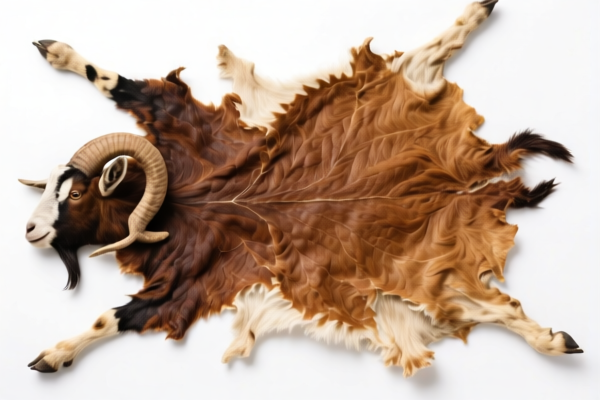
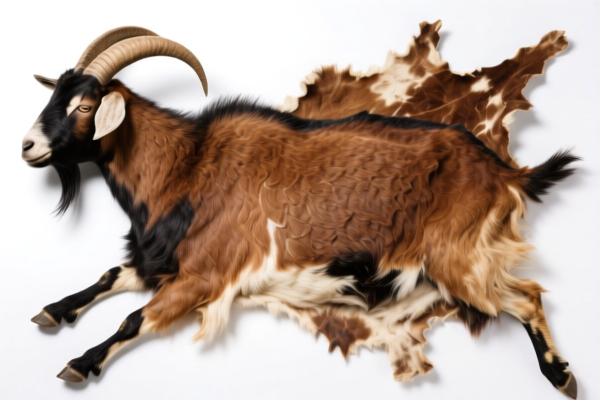
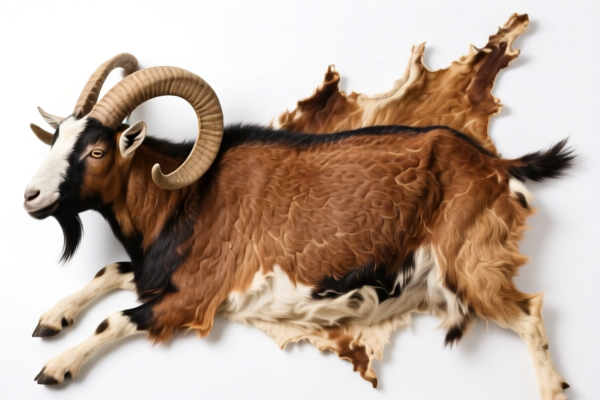
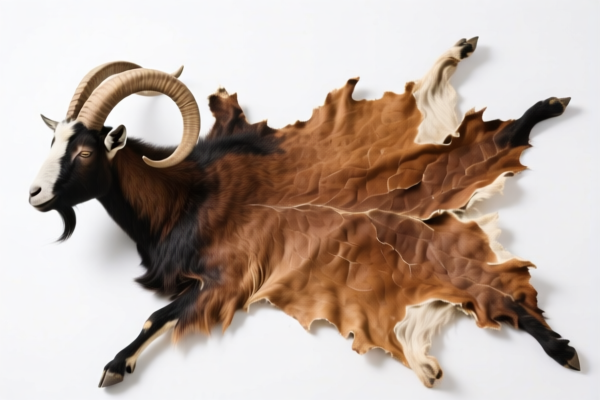
AI分析
🐐 Other Preserved Goat Skin (Raw/Hide)
🌐 HS Code Reference & Customs Clearance Guide | 2026 Latest Tariff Analysis | Professional Clearance Strategy
📌 I. Product Definition: What is "Other Preserved Goat Skin"?
Preserved Goat Skin refers to raw goat hides or skins that have undergone minimal processing (such as salting, drying, or liming) to prevent decomposition but have not been fully tanned, dressed, or converted into finished leather goods. In international trade, these are classified as raw materials for the leather industry.
⚠️ Key Distinction:
- Raw/Preserved Hides (Un-tanned): Subject to specific HS codes in Chapter 41 (Raw Hides and Skins) or Chapter 64 (Footwear parts if specific criteria met).
- Tanned/Dressed Leather: Would fall under different headings (e.g., 4104-4107).
- Finished Goods: Bags, shoes, or garments would fall under Chapter 42 or 64.
Crucial Note: The provided data lists "Other Preserved Goat Skin" under various HS codes, indicating that the exact classification depends on the specific physical state, processing level, and intended use as interpreted by customs authorities. Misclassification leads to drastic tax differences.
📦 II. HS Code Classification Details (2026 Latest Tariff Authority Mapping)
The following table maps the provided HS Codes to the product description, including detailed tax breakdowns. All data is strictly derived from the provided <DATA>.
| HS Code | Product Description (Summary) | Total Tax Rate | Tax Detail Breakdown (US Context) |
|---|---|---|---|
| 4103.90.12.00 | Other raw goat skin, material: goat skin, form: raw hide (untanned/unprocessed) | 17.5% | Base Tariff: 0.0% Section 301/Retaliatory: 7.5% Section 122: 10% |
| 6403.59.90.61 | Other raw goat skin, material: goat skin, classified as leather category, form: other (raw) | 20.0% | Base Tariff: 10.0% Section 301/Retaliatory: 0.0% Section 122: 10% |
| 4202.31.30.00 | Other raw goat skin, material: goat skin, fits "other" category attributes for raw/primary leather products | 38.7% | Base Tariff: 3.7% Section 301/Retaliatory: 25.0% Section 122: 10% |
| 4202.22.89.80 | Other raw goat skin, fits raw/primary product characteristics, leather category, other material scope | 52.6% | Base Tariff: 17.6% Section 301/Retaliatory: 25.0% Section 122: 10% |
| 4103.90.11.40 | Other raw goat skin, material: goat skin, form: raw (pre-tanned), fits raw hide classification definition | 17.5% | Base Tariff: 0.0% Section 301/Retaliatory: 7.5% Section 122: 10% |
🔍 Critical Observation:
- The lowest tax rate (17.5%) is found under 4103.90.12.00 and 4103.90.11.40. These codes clearly define the item as "Raw Hide" under Chapter 41. - The highest tax rate (52.6%) is found under 4202.22.89.80. This code falls under Chapter 42 (Articles of Leather), which is typically for finished goods. Classifying raw skins here is likely an error or a worst-case scenario for misclassification, resulting in high base tariffs (17.6%) plus Section 301 (25%) and Section 122 (10%). - Chapter 64 (6403.59.90.61) is unusual for raw hides (usually for footwear), suggesting a specific regulatory interpretation where the skin is deemed part of a footwear component.
💰 III. 2026 Latest Tariff Rate Detailed Explanation
✅ Applicable Country: United States (US)
✅ Origin: China (CN) (Implied by "Section 122" and Section 301 rates)
✅ Effective Time: Current US Trade Policy (Post-2025)
🎯 1. 4103.90.12.00 & 4103.90.11.40 —— Raw Goat Skin (Optimal Classification)
| Item | Content |
|---|---|
| Base Tariff | 0% (Ad Valorem) |
| Retaliatory/Section 301 Tariff | +7.5% |
| Section 122 Tariff | +10% (Specific to certain raw materials/textiles) |
| Total Rate | 17.5% |
| Tax Calculation | CIF Value × 17.5% |
| De Minimis Exemption | ❌ Not Eligible (Raw hides/skins are generally not eligible for Section 321 de minimis if value exceeds limits or if specifically listed) |
| Legal Basis Path | HTSUS:4103.90.12.00 → Section 122 Authority → Retaliatory Tariff List |
📌 Explanation:
- This is the most favorable classification for raw, un-tanned goat skins. - Base Tariff 0%: Raw hides often enjoy lower base duties to support domestic tanning industries. - Section 122 (10%): Likely refers to specific trade remedies or safeguards on certain raw materials. - Retaliatory (7.5%): A portion of the US-China trade war tariffs.
🎯 2. 6403.59.90.61 —— Goat Skin under Footwear Chapter
| Item | Content |
|---|---|
| Base Tariff | 10.0% |
| Retaliatory/Section 301 Tariff | 0.0% |
| Section 122 Tariff | +10% |
| Total Rate | 20.0% |
| Tax Calculation | CIF Value × 20.0% |
| De Minimis Exemption | ❌ Not Eligible |
| Legal Basis Path | HTSUS:6403.59.90.61 → Section 122 Authority |
📌 Explanation:
- Higher base tariff (10%) but no Section 301. - Still incurs Section 122 (10%). - Risk: Customs may view this as misclassification if the product is not intended for footwear components.
🎯 3. 4202.31.30.00 —— Misclassification Risk (Chapter 42)
| Item | Content |
|---|---|
| Base Tariff | 3.7% |
| Retaliatory/Section 301 Tariff | +25.0% |
| Section 122 Tariff | +10% |
| Total Rate | 38.7% |
| Tax Calculation | CIF Value × 38.7% |
| De Minimis Exemption | ❌ Not Eligible |
| Legal Basis Path | HTSUS:4202.31.30.00 → Section 301 (List 3/4) → Section 122 Authority |
📌 Explanation:
- High Risk: Chapter 42 is for manufactured leather goods. Classifying raw skins here is legally weak unless the skin is part of a specific manufactured article. - The 25% Section 301 tariff is the standard high rate for many Chinese goods. - Total tax jumps to nearly 40%.
🎯 4. 4202.22.89.80 —— Worst-Case Misclassification
| Item | Content |
|---|---|
| Base Tariff | 17.6% |
| Retaliatory/Section 301 Tariff | +25.0% |
| Section 122 Tariff | +10% |
| Total Rate | 52.6% |
| Tax Calculation | CIF Value × 52.6% |
| De Minimis Exemption | ❌ Not Eligible |
| Legal Basis Path | HTSUS:4202.22.89.80 → Section 301 (List 3/4) → Section 122 Authority |
📌 Explanation:
- Extremely High Cost: This classification implies the item is a specific type of leather article with a high base duty. - Action Required: Avoid this classification unless the product is definitively a finished leather good (e.g., a wallet, not a raw hide).
🛠️ IV. Customs Clearance Practical Advice (Battle-Tested Guide)
✅ 1. Documentation Checklist (Non-Negotiable)
| Document | Mandatory | Notes |
|---|---|---|
| ✅ Product Spec Sheet | ✔️ | Must explicitly state: "Raw Goat Skin," "Untanned," "Salted/Dried." |
| ✅ Photos (Clear View) | ✔️ | Show texture, salting/drying state, no tanning chemicals visible. |
| ✅ Commercial Invoice | ✔️ | Describe as "Raw Goat Hides/Skins, For Tanning Purposes." Avoid "Leather" or "Finished Goods." |
| ✅ Packing List | ✔️ | Detail weight (gross/net) and number of skins. |
| ✅ Origin Certificate | ✔️ | Proves Chinese origin (to calculate correct Section 301/122). |
| ✅ Treatment Certificate | ✔️ | Proof of preservation method (e.g., "Salt-Preserved"). |
✅ 2. Declaration Tips (Key Mnemonics)
🔥 "Raw is Raw, Tanned is Tanned. Don't mix the codes!"
| Situation | Correct Declaration | Wrong Declaration |
|---|---|---|
| Raw Goat Skin (Salted) | 4103.90.12.00 (17.5%) |
4202.22.89.80 (52.6%) → Overpay! |
| Raw Goat Skin (Dried) | 4103.90.11.40 (17.5%) |
6403.59.90.61 (20%) → Slight Overpay |
| Tanned Leather | Not in this list (Different Code) | Using raw hide codes → Penalty for Misclassification |
| Finished Bag | 4202.xxxxxxxx |
Using 4103.xxxxxxxx → Undervaluation Risk |
✅ 3. Special Case Handling
| Scenario | Handling Advice |
|---|---|
| OEM Raw Hides | Provide customer PO + technical drawing of the skin. |
| Mixed Shipment | If raw skins are mixed with tanned leather, declare separately. Mixed shipments increase inspection risk. |
| High Value | For shipments > $2,500, ensure Section 122 compliance is explicitly stated on the invoice to avoid delays. |
| Dispute | If customs challenges 4103, provide a Lab Report confirming no tanning agents were used. |
🌍 V. Global Market Comparison (2026 Latest)
| Country/Region | Recommended HS Code | Tariff Rate | Certification Req. | Notes |
|---|---|---|---|---|
| 🇺🇸 USA | 4103.90.12.00 |
17.5% | None (General) | Lowest tax for raw hides. Section 122 applies. |
| 🇨🇳 China | 4103.90.12.00 |
~5% | None | Low import duty for raw materials. |
| 🇪🇺 EU | 4103.90.90 |
~2.5% | REACH (if chemical traces) | Very low base duty, but strict environmental checks. |
| 🇬🇧 UK | 4103.90.90 |
~2.5% | UKCA (if treated) | Similar to EU post-Brexit. |
| 🇯🇵 Japan | 4103.90.90 |
~6.0% | Fitosanitary | High phytosanitary inspection for raw hides. |
📌 Conclusion:
- USA has a complex but relatively low (17.5%) tariff for correctly classified raw goat skins. - Misclassification into Chapter 42 (Finished Goods) can triple the tax cost (up to 52.6%). - EU/UK offer lower base rates but stricter environmental/chemical controls.
📌 VI. Common Errors & Pitfalls (Lessons Learned)
❌ Error 1: Labeling raw skins as "Leather"
👉 Consequence: Customs may classify under Chapter 42 → Tax jumps to 38.7% - 52.6%.
❌ Error 2: Ignoring Section 122
👉 Consequence: If the invoice doesn't specify "Raw Material," customs may apply higher default rates or delay shipment for classification review.
❌ Error 3: Using "Goat Skin" without specifying "Raw/Preserved"
👉 Consequence: Ambiguity leads to manual inspection → Delays + Storage Fees.
❌ Error 4: Mixing Raw and Tanned Hides in One Shipment
👉 Consequence: Each type must be declared separately. Mixed declarations risk rejection or audits.
✅ Correct Practice:
"Raw Goat Skins, Salt-Preserved, Untanned, For Tanning Industry Only, Model: RAW-GOAT-01, No Tanning Agents"
🎯 VII. Conclusion: Precision Classification Saves Money!
🎯 Remember the Rule:
🔹 "Raw is Chapter 41. Tanned is Chapter 41/42. Finished is Chapter 42."
🔹 "17.5% is the goal. 52.6% is the nightmare."
🔹 "Always declare 'Raw' and 'Untanned' clearly!"
📌 Pro Tip:
If your shipment value is significant, request a Binding Tariff Ruling (BTR) from US Customs and Border Protection (CBP) using HS Code 4103.90.12.00. This provides legal certainty against future audits.
📣 Immediate Action:
📞 Consult a Customs Broker: Confirm the "Preserved" status (Salt vs. Dry).
📄 Label Correctly: "RAW GOAT HIDE - NOT FOR DIRECT CONSUMPTION."
🚀 Clearance Speed: Accurate HS Code ensures Fast Release and Predictable Costs.
✨ Professional Clearance Starts with Accurate Classification!
💼 Every Dollar Saved in Tariffs is Pure Profit!
用户评价
关于 HS 编码归类
协调制度(HS)是由世界海关组织(WCO)制定的国际贸易商品分类标准。全球 200 多个国家采用 HS 系统作为海关关税、贸易统计和进出口监管的基础。
每个 HS 编码遵循以下层级结构:
- 章(2 位)——商品大类(例如:第 84 章:机器和机械设备)
- 品目(4 位)——章内的更具体分类
- 子目(6 位)——国际通用细分,所有 WCO 成员国统一使用
- 本国细分(8-10 位)——各国自行扩展的细分编码,如美国 HTSUS 10 位编码
正确的 HS 编码归类对于顺利通关、准确缴纳关税和遵守贸易法规至关重要。错误归类可能导致海关延误、多缴关税或罚款。
从CN进口到US时,适用的关税税率可能包括:
- 最惠国(MFN)税率——适用于 WTO 成员国的标准关税税率
- 普通税率——适用于无贸易协定国家
- 贸易救济关税——附加关税,如 301 条款(反倾销)、232 条款(国家安全)或反补贴税
本页内容仅供参考。如需正式归类,请咨询当地海关或持牌报关代理。