Other Raw Cowhide
CN → US| HS编码 | 关税税率 | 原产国 | 目的国 | 文档 |
|---|---|---|---|---|
| 4104195080 | 13.3% | CN | US | 官方文档 |
| 4101901030 | 17.5% | CN | US | 官方文档 |
| 4101501020 | 17.5% | CN | US | 官方文档 |
| 4107994000 | 12.5% | CN | US | 官方文档 |
| 4104495000 | 13.3% | CN | US | 官方文档 |
商品图片
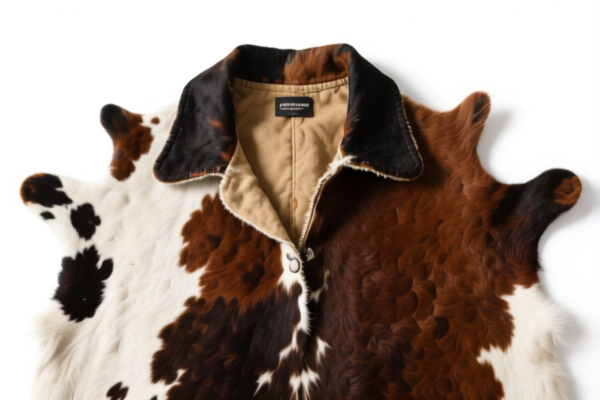
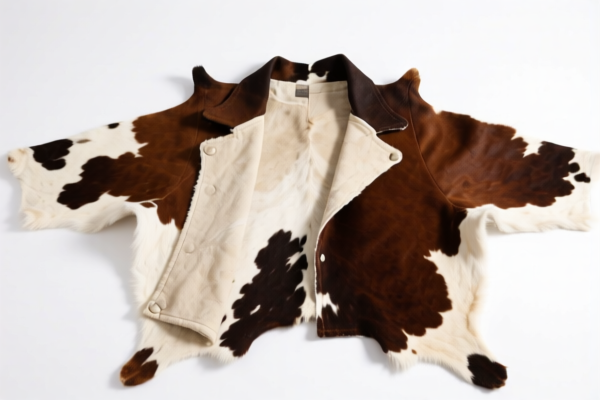
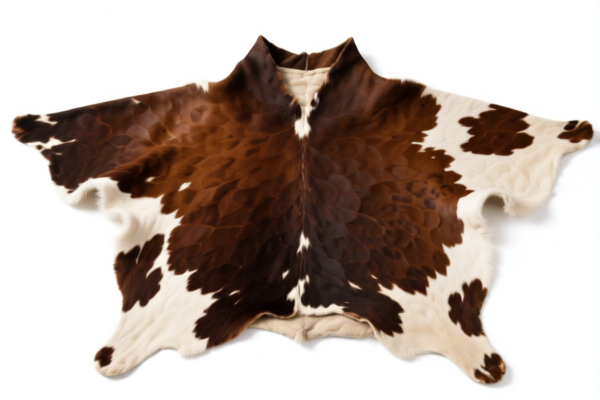
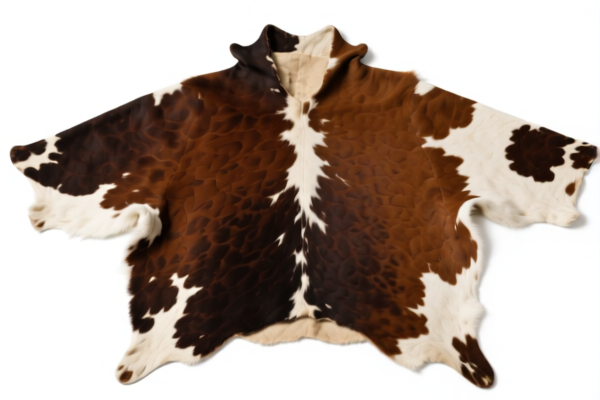
AI分析
🐄 Raw Cowhide (Unfinished Hides)
🌐 HS Code Reference & Customs Clearance Guide | 2026 Latest Tariff Analysis | Professional Entry Strategies
📌 I. Product Definition: What Exactly is "Raw Cowhide"?
Raw cowhide refers to cattle skins that have been removed from the animal but have not yet undergone tanning or curing processes suitable for leather production. In international trade, these are classified under Chapter 41 (Animal Skins and Furs). The key distinction lies in the preservation method (salted, wet-salted, dry-salted, etc.) and the specific part of the hide.
⚠️ Critical Distinction:
- Raw/Unprocessed: Must be preserved to prevent rotting during transport (e.g., salted).
- Tanned/Leather: If tanned, it falls under Chapter 41 Chapter II (e.g., 4102, 4103, 4104 for finished leather).
- Bare Skins: Often misclassified if not clearly described as "salted" or "preserved."
📦 II. HS Code Classification Details (Based on Provided Data)
According to the provided data, there are 5 specific HS Codes for "Other Preserved Cowhide." Each has different tax implications due to Base Tariffs, Section 301/122 Additional Duties, and Retaliatory/Trade Measure Surcharges.
| HS Code | Summary Description | Total Tax Rate | Tax Breakdown (Base + Add'l + 122) | Key Characteristics |
|---|---|---|---|---|
4104.19.50.80 |
Other preserved cowhide, material: cowhide, form: other preserved | 13.3% | Base: 3.3% Add'l: 0.0% 122 Clause: 10% |
Most common for general preserved hides. Low base rate. |
4101.90.10.30 |
Other preserved cowhide, material: cowhide, form: other preserved, unspecified part | 17.5% | Base: 0.0% Add'l: 7.5% 122 Clause: 10% |
Higher surcharge (7.5%) due to unspecified parts or broader category. |
4101.50.10.20 |
Other preserved cowhide, material: bovine, form: other preservation method | 17.5% | Base: 0.0% Add'l: 7.5% 122 Clause: 10% |
Similar to above; likely applies to specific preservation methods not covered by 4104. |
4107.99.40.00 |
Other preserved cowhide, material source: bovine, form: other | 12.5% | Base: 2.5% Add'l: 0.0% 122 Clause: 10% |
Low base rate (2.5%), no additional surcharge, only 122 clause applies. |
4104.49.50.00 |
Other preserved cowhide, material: bovine, form: preserved | 13.3% | Base: 3.3% Add'l: 0.0% 122 Clause: 10% |
Standard preserved hide classification, similar to 4104.19.50.80. |
🔍 Key Insight:
- 122 Clause Tariff (10%) is applied to ALL listed codes. This is likely a specific U.S. trade measure (e.g., Section 301 or retaliatory duty).
- Base Rates vary significantly (0% to 3.3%).
- Additional Surcharges (7.5%) apply only to codes4101.90.10.30and4101.50.10.20.
💰 III. 2026 Latest Tariff Rate Breakdown (Detailed Analysis)
✅ Applicable Country: United States (US)
✅ Origin: China (CN) (Assumed based on "122 Clause" context, common in US-China trade)
✅ Effective Date: Current trade policies apply.
🎯 1. Codes with 12.5% Total Tax (4107.99.40.00)
| Item | Detail |
|---|---|
| Base Tariff | 2.5% |
| Additional Surcharge | 0.0% |
| 122 Clause Duty | 10.0% |
| Total Effective Rate | 12.5% |
| Calculation | CIF Value × 12.5% |
| De Minimis Eligibility | ❌ No (Valuable goods) |
| Legal Basis | 122 Clause: 10% + Base: 2.5% |
📌 Explanation:
- This code has the lowest total tax rate among the listed options.
- It benefits from a low base rate (2.5%) and no additional surcharge.
- Ideal for hides that fit this specific "other preserved" description under Chapter 41, Section 4107.
🎯 2. Codes with 13.3% Total Tax (4104.19.50.80 & 4104.49.50.00)
| Item | Detail |
|---|---|
| Base Tariff | 3.3% |
| Additional Surcharge | 0.0% |
| 122 Clause Duty | 10.0% |
| Total Effective Rate | 13.3% |
| Calculation | CIF Value × 13.3% |
| De Minimis Eligibility | ❌ No |
| Legal Basis | 122 Clause: 10% + Base: 3.3% |
📌 Explanation:
- Slightly higher than the 12.5% code due to a higher base rate (3.3% vs 2.5%).
- Common for standard preserved hides under Chapter 4104.
🎯 3. Codes with 17.5% Total Tax (4101.90.10.30 & 4101.50.10.20)
| Item | Detail |
|---|---|
| Base Tariff | 0.0% |
| Additional Surcharge | 7.5% |
| 122 Clause Duty | 10.0% |
| Total Effective Rate | 17.5% |
| Calculation | CIF Value × 17.5% |
| De Minimis Eligibility | ❌ No |
| Legal Basis | Additional: 7.5% + 122 Clause: 10% |
📌 Explanation:
- Highest tax burden among the listed options.
- Although the base rate is 0%, the 7.5% additional surcharge pushes the total to 17.5%.
- These codes likely apply to hides that do not meet the specific criteria for Chapter 4104/4107, or are classified under broader/less specific headings.
🛠️ IV. Customs Clearance Practical Advice (Avoiding Pitfalls)
✅ 1. Required Documentation Checklist
| Document | Mandatory? | Notes |
|---|---|---|
| ✅ Commercial Invoice | ✔️ | Must clearly state "Raw Cowhide," preservation method (e.g., "Salted"), and HS Code. |
| ✅ Packing List | ✔️ | Detail weight (net/gross), number of hides, and packaging type. |
| ✅ Bill of Lading/Air Waybill | ✔️ | Standard shipping document. |
| ✅ Certificate of Origin | ✔️ | If claiming preferential treatment (not applicable here due to 122 clause). |
| ✅ Preservation Declaration | ✔️ | Critical! Specify if salted, wet-salted, or dry-salted. Incorrect description can lead to reclassification. |
| ✅ Phytosanitary Certificate | ❓ | May be required depending on origin and port of entry to ensure no biological contamination. |
✅ 2. Classification Strategy (Key Mnemonics)
🔥 "Check the Base, Avoid the 7.5%, Embrace the 122!"
| Scenario | Recommended HS Code | Tax Rate | Why? |
|---|---|---|---|
| Standard preserved cowhide, well-defined | 4104.19.50.80 or 4104.49.50.00 |
13.3% | Balanced rate, common classification. |
| Hides fitting "Other" category with low base | 4107.99.40.00 |
12.5% | Lowest rate! If product description fits, use this. |
| Unspecified parts or broader category | 4101.90.10.30 |
17.5% | Avoid if possible; high surcharge. |
| Alternative preservation method (non-standard) | 4101.50.10.20 |
17.5% | Avoid if possible; high surcharge. |
✅ 3. Special Considerations
| Situation | Handling Advice |
|---|---|
| Mixed Hides (Cow + Other) | Must separate by species. Cowhide cannot be mixed with sheepskin in the same shipment for classification purposes. |
| Wet-Salted vs. Dry-Salted | Clearly declare. Some ports may require specific handling instructions for wet-salted hides due to weight and leakage risks. |
| Origin Marking | Ensure country of origin is clearly marked on each hide or package. Mislabeling can lead to penalties. |
| Value Declaration | Declare accurate CIF value. Under-declaration can result in audits and back-taxes + penalties. |
🌍 V. Global Market Comparison (2026)
| Region | Typical HS Code | Base Tariff | Additional Duties | Total Rate | Notes |
|---|---|---|---|---|---|
| 🇺🇸 United States | 4104.19.50.80 etc. |
0% - 3.3% | 7.5% - 10% | 12.5% - 17.5% | High due to 122 clause. |
| 🇨🇳 China | 4104.19 |
~3% | None | ~3% | No additional duties on raw hides. |
| 🇪🇺 EU | 4104 |
0% - 4.7% | None | 0% - 4.7% | Low base rates, no trade war tariffs. |
| 🇬🇧 UK | 4104 |
0% - 4.5% | None | 0% - 4.5% | Post-Brexit tariffs similar to EU. |
| 🇮🇳 India | 4104 |
0% - 10% | Cess/SWC | ~12% - 15% | Varies by state and specific hide type. |
📌 Conclusion:
- USA has the highest effective duty due to the 122 clause and additional surcharges.
- EU, China, and UK have much lower or zero duties, making them more cost-effective for importing raw cowhide.
- Strategy: If sourcing from China, consider manufacturing finished leather in a third country (e.g., Vietnam, India) to avoid US tariffs.
📌 VI. Common Errors & Pitfalls (Lessons Learned)
❌ Error 1: Misclassifying as "Leather" (4102/4103)
👉 Consequence: If not tanned, it’s not leather. Misclassification leads to rejection or fines.
✅ Fix: Ensure description says "Raw," "Unprocessed," or "Preserved."
❌ Error 2: Ignoring the "122 Clause"
👉 Consequence: Underpaying duties by 10% on high-value shipments.
✅ Fix: Always add 10% to the base rate for these HS codes.
❌ Error 3: Using vague descriptions like "Animal Skin"
👉 Consequence: Customs may choose the highest-duty code.
✅ Fix: Use specific terms: "Preserved Cowhide, Salted, 10-15 sq meters."
❌ Error 4: Not Separating by Preservation Method
👉 Consequence: If mixed (e.g., salted and dry), customs may reject the shipment or apply the stricter code.
✅ Fix: Clearly label and segregate by preservation type.
🎯 VII. Conclusion: Professional Classification Saves Money!
🎯 Remember the Rule:
🔹 "Base + 122 + Surcharge = Total Cost"
🔹 "Choose 4107 for Lowest Rate (12.5%), Avoid 4101 for Higher Rate (17.5%)"
🔹 "122 Clause is Non-Negotiable: Add 10% Always"
📌 Pro Tip:
If your cowhide is not from China, the 122 clause may not apply. Verify origin to potentially reduce total duty to just the Base Rate (0% - 3.3%).
For large shipments, consider Advance Ruling from US CBP to confirm HS Code and duty liability.
📣 Immediate Action:
📞 Contact a Customs Broker + Provide Product Details + Verify Origin
🚀 Optimize Your HS Code → Reduce Your Duty Burden → Maximize Profit!
✨ Accurate Classification, Smooth Clearance!
💼 Every Percent Matters in Global Trade!
用户评价
关于 HS 编码归类
协调制度(HS)是由世界海关组织(WCO)制定的国际贸易商品分类标准。全球 200 多个国家采用 HS 系统作为海关关税、贸易统计和进出口监管的基础。
每个 HS 编码遵循以下层级结构:
- 章(2 位)——商品大类(例如:第 84 章:机器和机械设备)
- 品目(4 位)——章内的更具体分类
- 子目(6 位)——国际通用细分,所有 WCO 成员国统一使用
- 本国细分(8-10 位)——各国自行扩展的细分编码,如美国 HTSUS 10 位编码
正确的 HS 编码归类对于顺利通关、准确缴纳关税和遵守贸易法规至关重要。错误归类可能导致海关延误、多缴关税或罚款。
从CN进口到US时,适用的关税税率可能包括:
- 最惠国(MFN)税率——适用于 WTO 成员国的标准关税税率
- 普通税率——适用于无贸易协定国家
- 贸易救济关税——附加关税,如 301 条款(反倾销)、232 条款(国家安全)或反补贴税
本页内容仅供参考。如需正式归类,请咨询当地海关或持牌报关代理。