Other Raw Sheepskin
CN → US| HS编码 | 关税税率 | 原产国 | 目的国 | 文档 |
|---|---|---|---|---|
| 4103901200 | 17.5% | CN | US | 官方文档 |
| 6403599061 | 20.0% | CN | US | 官方文档 |
| 4202313000 | 38.7% | CN | US | 官方文档 |
| 4202228980 | 52.6% | CN | US | 官方文档 |
| 4103901140 | 17.5% | CN | US | 官方文档 |
商品图片
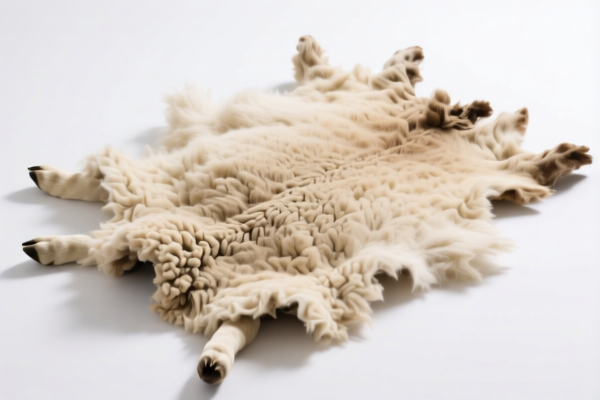
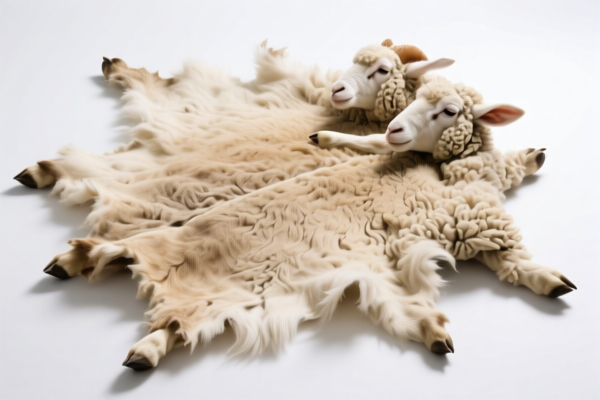
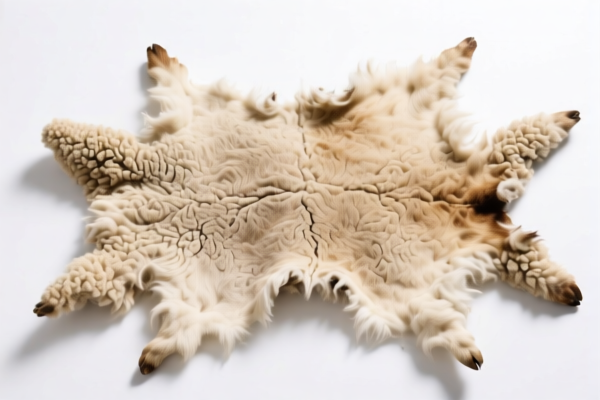
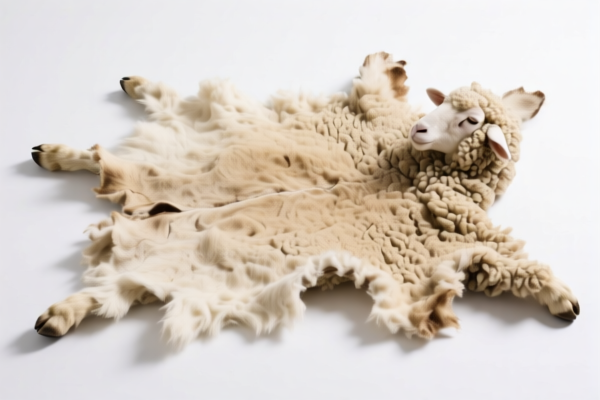
AI分析
🐑 Other Raw Sheepskin (生羊皮/未加工羊皮)
🌐 HS Code Reference & Customs Clearance Guide | 2026 Latest Tariff Analysis | Professional Strategy
📌 I. Product Definition & Classification: Do You Really Understand "Other Raw Sheepskin"?
"Other Raw Sheepskin" refers to raw hides or skins of sheep (excluding those classified specifically as lamb skins or other specific categories in Chapter 41). In international trade, these are primarily classified as raw materials for leather manufacturing. However, due to varying processing states (fresh, salted, dried, chrome-tanned preliminarily) and specific material attributes, they can fall into different HS codes depending on how the customs authority interprets the "primary product" status versus "processed leather" status.
⚠️ Key Distinction Point:
- If the skin is merely preserved (salted/dried) but not fully tanned for final use → Likely falls under Chapter 41 (Raw Hides and Skins).
- If the skin is considered a "raw material for leather goods" or has undergone basic chemical treatment that moves it towards Chapter 42 → It may be misclassified or debated under Chapter 42 (Articles of Leather).
- Critical Note: The provided data includes codes from both Chapter 41 (e.g., 4103) and Chapter 42 (e.g., 4202), highlighting the complexity of classification for "other" raw sheepskins.
📦 II. HS Code Classification Details (Based on Provided Data)
| HS Code | Product Description (From Data) | Applicable Scenario | Key Attribute |
|---|---|---|---|
4103.90.12.00 |
Other raw sheepskin, material is sheepskin, form is raw hide, meets classification requirements. | Standard raw sheepskin, salted/dried, not tanned for final use. | ✅ Raw Hide (Ch. 41) |
6403.59.90.61 |
Other raw sheepskin, material is sheepskin, belongs to leather category, form is other raw hide, meets material attributes. | Ambiguous classification; potentially misclassified or specific regional definition for footwear leather raw materials. | ⚠️ Leather Category (Ch. 64 Context) |
4202.31.30.00 |
Other raw sheepskin, material is leather, meets attributes of other categories regarding leather raw materials or primary products. | Raw sheepskin treated as a "leather article" or primary product under Ch. 42. | ✅ Primary Product (Ch. 42) |
4202.22.89.80 |
Other raw sheepskin, meets raw/primary product characteristics, belongs to leather category, falls under other material categories. | High-value classification; raw sheepskin viewed as a component for leather goods. | ✅ Raw Material (Ch. 42) |
4103.90.11.40 |
Other raw sheepskin, material is sheepskin, form is raw hide, meets classification definition for other raw hides regarding sheep/lamb skins. | Specific sub-category for sheep/lamb skins under Ch. 41. | ✅ Raw Hide (Ch. 41) |
🔍 Key Insight:
- The most common and logical classification for raw sheepskin is HS 4103.
- Classifications under HS 4202 are unusual for raw hides and may imply the goods are considered "parts of articles" or "primary products for leather goods," often attracting higher tariffs due to being viewed as finished materials.
- HS 6403 is typically for footwear, not raw leather. Its inclusion here suggests a potential data anomaly or a very specific national tariff line for leather used in footwear production.
💰 III. 2026 Latest Tariff Rate Details (Including Surcharges)
✅ Applicable Country: United States (US)
✅ Origin: China (CN) (Inferred from tax structure: 122 Clause & Section 301 style surcharges)
✅ Effective Time: Current applicable rates as per provided data
🎯 1. 4103.90.12.00 & 4103.90.11.40 —— Standard Raw Sheepskin (Chapter 41)
| Item | Content |
|---|---|
| Base Tariff | 0.0% (ad valorem) |
| Section 301 Surcharge | 7.5% |
| Section 122 Tariff | 10.0% |
| Total Tariff Rate | 17.5% |
| Tax Calculation | CIF Value × 17.5% |
| De Minimis Eligibility | ❌ No (High tariff rates usually exclude de minimis benefits for bulk imports) |
| Legal Basis Path | HTS:4103.90.11/12 → Section 301: 7.5% → Section 122: 10% |
📌 Explanation:
- This is the most favorable classification among the provided options for raw sheepskin.
- Section 122 refers to specific trade enforcement clauses, often applied to goods from certain countries.
- Section 301 (7.5%) is a standard trade remedy tariff on Chinese goods.
- Total 17.5% is moderate compared to other options.
🎯 2. 6403.59.90.61 —— Raw Sheepskin for Footwear (Chapter 64 Context)
| Item | Content |
|---|---|
| Base Tariff | 10.0% |
| Section 301 Surcharge | 0.0% |
| Section 122 Tariff | 10.0% |
| Total Tariff Rate | 20.0% |
| Tax Calculation | CIF Value × 20.0% |
| De Minimis Eligibility | ❌ No |
| Legal Basis Path | HTS:6403.59.90.61 → Section 122: 10% |
📌 Explanation:
- Despite being "raw skin," classification under Chapter 64 implies it is destined for footwear manufacture.
- Base tariff is higher (10%) than Chapter 41.
- No Section 301 surcharge is listed, but the higher base rate results in a higher total (20%).
- ⚠️ Risk: Misclassifying raw leather as footwear components can lead to audits if the end-use is not clear.
🎯 3. 4202.31.30.00 —— Raw Sheepskin as Primary Product (Chapter 42)
| Item | Content |
|---|---|
| Base Tariff | 3.7% |
| Section 301 Surcharge | 25.0% |
| Section 122 Tariff | 10.0% |
| Total Tariff Rate | 38.7% |
| Tax Calculation | CIF Value × 38.7% |
| De Minimis Eligibility | ❌ No |
| Legal Basis Path | HTS:4202.31.30.00 → Section 301: 25% → Section 122: 10% |
📌 Explanation:
- Extremely High Tax!
- The 25% Section 301 surcharge significantly increases the cost.
- Classification under Chapter 42 suggests customs views the product as a "part of an article" or "processed material" rather than raw hide, triggering higher trade remedies.
🎯 4. 4202.22.89.80 —— Raw Sheepskin as Component (Chapter 42)
| Item | Content |
|---|---|
| Base Tariff | 17.6% |
| Section 301 Surcharge | 25.0% |
| Section 122 Tariff | 10.0% |
| Total Tariff Rate | 52.6% |
| Tax Calculation | CIF Value × 52.6% |
| De Minimis Eligibility | ❌ No |
| Legal Basis Path | HTS:4202.22.89.80 → Section 301: 25% → Section 122: 10% |
📌 Explanation:
- Highest Tax Rate!
- This classification is detrimental to profit margins.
- It treats the raw sheepskin as a highly processed or specific component material, incurring the maximum Section 301 rate (25%) plus base and 122 tariffs.
🛠️ IV. Customs Clearance Practical Advice (Real-World Pitfall Guide)
✅ 1. Documentation Checklist (Essential)
| Document | Mandatory | Description |
|---|---|---|
| ✅ Commercial Invoice | ✔️ | Must clearly state "Raw Sheepskin," "Salted/Dried," and "Not Tanned for Final Use." |
| ✅ Packing List | ✔️ | Weight (gross/net) is critical for duty calculation. |
| ✅ Bill of Lading/Air Waybill | ✔️ | Standard shipping document. |
| ✅ Certificate of Origin | ✔️ | Proves origin (e.g., China) to apply correct tariffs. |
| ✅ Processing Description | ✔️ | Detail preservation method (e.g., "Salted," "Air-dried"). Avoid terms like "Tanned" or "Finished Leather." |
| ✅ Pre-Clearance Photo | ✔️ | Photos showing skin condition (raw, wet-salted, dry) to prove it is NOT finished leather. |
✅ 2. Declaration Strategy (Key Rules)
🔥 "Clarify State, Choose Chapter 41, Avoid Chapter 42!"
| Scenario | Correct Declaration | Wrong Practice | Consequence |
|---|---|---|---|
| Raw Sheepskin (Salted/Dried) | 4103.90.12.00 |
Declaring as 4202... |
Tax jumps from 17.5% to 38.7%+ |
| Raw Sheepskin for Footwear | 4103.90.12.00 (if raw) |
Declaring as 6403... |
Risk of penalty if not explicitly for footwear parts |
| Partially Tanned Leather | 4104... or 4105... (if wet-blue) |
Declaring as Raw |
Misclassification, potential fines |
| Finished Leather | 4112... |
Declaring as Raw |
Penalty for undervaluation/tariff evasion |
📌 Critical Tip:
- Always argue for Chapter 41 (Raw Hides) if the skin is not fully tanned for its final use.
- Chapter 42 classifications (4202) are generally for articles of leather (bags, belts, etc.) or specific primary products that have undergone significant processing. Using4103is safer and cheaper for true raw sheepskin.
✅ 3. Special Circumstances
| Situation | Handling Advice |
|---|---|
| Mixed Shipments (Raw + Finished) | Declare separately. Do not mix 4103 (17.5%) with 4202 (52.6%). |
| Wet-Salted vs. Dry-Salted | Both are generally 4103, but ensure the invoice specifies the preservation method. |
| With Hairs On vs. Beamhouse | "With hairs on" is standard raw. "Beamhouse" (de-hairing) might change classification. Be precise. |
| Small Samples (De Minimis) | If value is under $800 (Section 321), duties may be exempt, but ensure proper declaration to avoid delays. |
🌍 V. Global Market Comparison (2026 Latest)
| Country/Region | Recommended HS Code | Tariff (China Origin) | Notes |
|---|---|---|---|
| 🇺🇸 USA | 4103.90.12.00 |
17.5% | Includes 301 & 122 surcharges. Avoid 4202 codes. |
| 🇪🇺 EU | 4103.90 |
~12% | Varies by specific subheading and trade agreements. |
| 🇨🇳 China | 4103.90 |
~10-15% | Import tariffs for raw leather vary; check latest POAC. |
| 🇬🇧 UK | 4103.90 |
~12% | Post-Brexit trade policy applies. |
📌 Conclusion:
- The USA imposes a significant 17.5% effective tariff on raw sheepskin under the most favorable classification (4103).
- Misclassification to Chapter 42 (4202) can more than double the tax burden.
- Always prioritize Chapter 41 for raw materials.
📌 VI. Common Errors & Pitfall Guide (Lessons Learned)
❌ Mistake 1: Declaring raw sheepskin as 4202 to "look more processed"
👉 Result: Tariff increases from 17.5% to 52.6%. Massive cost increase!
❌ Mistake 2: Failing to specify "Raw" or "Salted" on the invoice
👉 Result: Customs may classify as finished leather or subject to additional scrutiny, causing delays.
❌ Mistake 3: Mixing raw skins with finished leather goods in one shipment
👉 Result: Requires separate line items and declarations. Misdeclaration leads to penalties.
❌ Mistake 4: Assuming all sheepskins are the same
👉 Result: Lamb skins vs. adult sheep skins may have different subheadings. Ensure correct species identification.
✅ Correct Approach:
"Raw Sheepskin, Salted, Wet-Salted, HS Code 4103.90.12.00, Origin: China, Value: $X"
🎯 VII. Conclusion: Professional Declaration for Cost Efficiency
🎯 Remember the Rule:
🔹 "Raw is Chapter 41, Finished is Chapter 41/42, Bags are Chapter 42. Stick to 4103 for Raw Sheepskin to save 35% in taxes!"
🔹 "17.5% vs 52.6%: The difference is in the HS Code. Don't pay for mistakes!"
📌 Pro Tip:
If your sheepskin is intended for footwear, ensure the final product is declared correctly. The raw material itself should still be
4103unless it is specifically processed for footwear components.
Consider applying for an Advance Ruling from US Customs (CBP) if you are importing large volumes regularly. This provides legal certainty on your HS Code.
📣 Immediate Action:
📞 Consult a licensed customs broker.
📄 Provide clear photos and processing details of your sheepskin.
🚀 Declare correctly, pay fair taxes, and ensure smooth customs clearance!
✨ Expert Customs, Starting with Precise Classification!
💼 Every percentage point of duty is your profit margin. Protect it!
用户评价
关于 HS 编码归类
协调制度(HS)是由世界海关组织(WCO)制定的国际贸易商品分类标准。全球 200 多个国家采用 HS 系统作为海关关税、贸易统计和进出口监管的基础。
每个 HS 编码遵循以下层级结构:
- 章(2 位)——商品大类(例如:第 84 章:机器和机械设备)
- 品目(4 位)——章内的更具体分类
- 子目(6 位)——国际通用细分,所有 WCO 成员国统一使用
- 本国细分(8-10 位)——各国自行扩展的细分编码,如美国 HTSUS 10 位编码
正确的 HS 编码归类对于顺利通关、准确缴纳关税和遵守贸易法规至关重要。错误归类可能导致海关延误、多缴关税或罚款。
从CN进口到US时,适用的关税税率可能包括:
- 最惠国(MFN)税率——适用于 WTO 成员国的标准关税税率
- 普通税率——适用于无贸易协定国家
- 贸易救济关税——附加关税,如 301 条款(反倾销)、232 条款(国家安全)或反补贴税
本页内容仅供参考。如需正式归类,请咨询当地海关或持牌报关代理。