Other Tights and Stockings
CN → US| HS编码 | 关税税率 | 原产国 | 目的国 | 文档 |
|---|---|---|---|---|
| 6115999000 | 27.4% | CN | US | 官方文档 |
| 6115298040 | 26.0% | CN | US | 官方文档 |
| 3926204010 | 16.5% | CN | US | 官方文档 |
| 3926201050 | 10.0% | CN | US | 官方文档 |
| 6115309010 | 32.1% | CN | US | 官方文档 |
商品图片
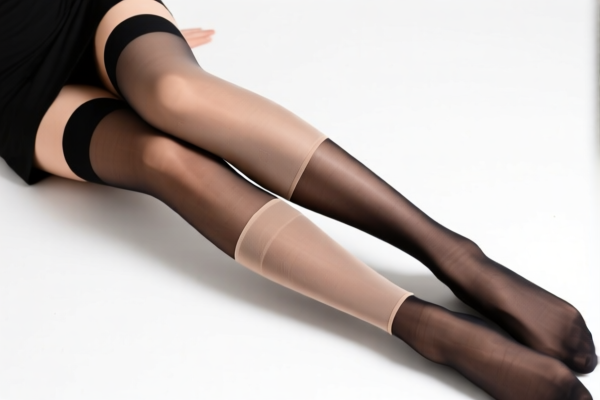
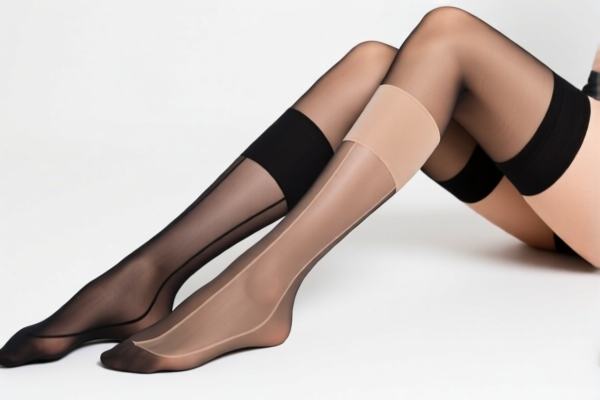
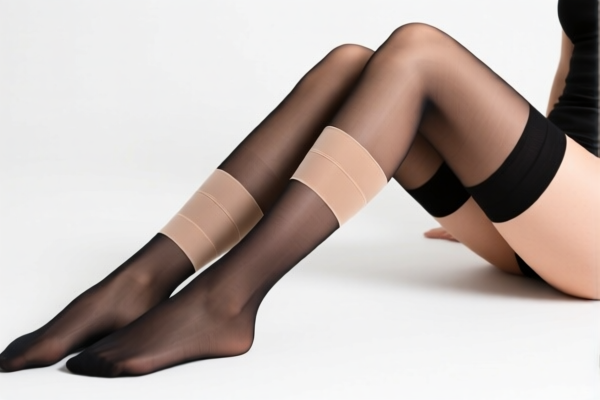
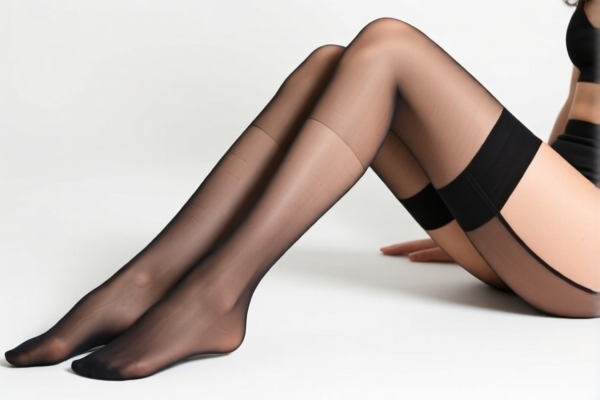
AI分析
🧦 Other Tights and Stockings (Other Textile Materials)
🌐 HS Code Reference & Clearance Guide | 2026 Latest Tariff Analysis | Professional Customs Strategy
📌 I. Product Definition & Classification: What Exactly Are "Other Tights"?
Tights and Stockings are close-fitting leg coverings, typically made from knitted or crocheted fabrics. In international trade, the classification hinges heavily on the material composition and knitting method.
For the category "Other Tights and Stockings" (excluding those of cotton, wool, or fine animal hair), customs authorities look for: 1. Synthetic Fibers/Plastics: Nylon, polyester, spandex, elastane, or PVC/Plastic blends. 2. Knitted/Crocheted Structure: If it is a flexible, stretchable fabric, it falls under Chapter 61. If it is a rigid or semi-rigid plastic film shaped like stockings, it might fall under Chapter 39.
⚠️ Critical Distinction Point:
- If the product is a knitted/elastic textile (standard hosiery) → Chapter 61.
- If the product is inferred as a Plastic/Artificial Material item (non-textile appearance or specific plastic definition) → Chapter 39.
- Material Exclusion: Products made of Cotton, Wool, or Fine Animal Hair are EXCLUDED from this "Other" category.
📦 II. HS Code Classification Details (2026 Latest Tariff Alignment)
Based on the provided data, here are the four potential HS Codes for "Other Tights and Stockings," categorized by material inference:
| HS Code | Product Description | Material Inference | Key Characteristic |
|---|---|---|---|
| 6115.99.90.00 | Other tights and stockings, of other textile materials | General Textile | The "fallback" for knitted stockings not specified elsewhere (e.g., blends of synthetics not covered by 6115.29 or 6115.30). |
| 6115.29.80.40 | Other tights and stockings, excluding cotton, wool, and fine animal hair | Specific Textile | Explicitly targets non-natural fiber knitted hosiery. Often used for high-synthetic content stockings. |
| 3926.20.40.10 | Other articles of plastics, inferred as plastic/synthetic fiber plastic products | Plastic/Artificial | Inferred classification if the item is deemed a "plastic article" rather than a textile (e.g., rubberized or heavy synthetic film). |
| 3926.20.10.50 | Other articles of plastics, based on catch-all principles for plastic products | Plastic/Artificial | A residual HS code for plastic items where no more specific plastic code applies. |
🔍 Focus Reminder:
- 61xx series applies to Knitted/Crocheted goods (flexible, stretchable).
- 39xx series applies to Plastic/Artificial Materials (potentially less flexible or chemically defined as plastic).
- Misclassification Risk: Declaring a knit nylon stocking as "Plastic" (3926) may trigger unnecessary scrutiny, but may result in lower duties if deemed correct under specific customs rulings.
💰 III. 2026 Latest Tariff Rate Breakdown (Including Additional Taxes & Policy Surcharges)
✅ Applicable Country: United States (US)
✅ Origin: China (CN)
✅ Effective Time: 2025/2026 Period (Subject to ongoing Section 301 and IEEPA updates)
🎯 1. 6115.99.90.00 — Other Tights/Stockings (General Textile)
| Item | Detail |
|---|---|
| Base Tariff | 9.9% (Ad Valorem) |
| Section 301 Surcharge | +7.5% |
| Section 122 Surcharge | +10.0% |
| Total Tax Rate | 27.4% |
| Tax Calculation | CIF Value × 27.4% |
| De Minimis Exemption | ❌ Not Applicable (High value items typically exceed $800 threshold for personal use; commercial imports taxed) |
| Legal Basis Path | Section 301: 9903.88.01 → Section 122: 19 CFR 123 → HTSUS: 6115.99.90.00 |
📌 Explanation:
- Section 301 (7.5%): Applied to goods of Chinese origin in this specific textile subheading.
- Section 122 (10%): Additional duty on certain apparel and footwear, often applied to hosiery.
- Total 27.4%: This is a medium-high duty rate. Importers must budget for significant cost increases.
🎯 2. 6115.29.80.40 — Other Tights/Stockings (Non-Cotton/Wool)
| Item | Detail |
|---|---|
| Base Tariff | 16.0% (Ad Valorem) |
| Section 301 Surcharge | +0.0% |
| Section 122 Surcharge | +10.0% |
| Total Tax Rate | 26.0% |
| Tax Calculation | CIF Value × 26.0% |
| De Minimis Exemption | ❌ Not Applicable |
| Legal Basis Path | Section 122: 19 CFR 123 → HTSUS: 6115.29.80.40 |
📌 Explanation:
- Key Difference: Unlike6115.99, this code has a higher base tariff (16%) but NO Section 301 surcharge.
- Why 0% Section 301?: Some specific textile subheadings under Chapter 61 are excluded from the standard Section 301 list, or the 7.5% is replaced by the specific duty structure.
- Total 26.0%: Slightly lower than6115.99.90due to the absence of Section 301.
🎯 3. 3926.20.40.10 — Plastic/Artificial Material Articles (Inferred)
| Item | Detail |
|---|---|
| Base Tariff | 6.5% (Ad Valorem) |
| Section 301 Surcharge | +0.0% |
| Section 122 Surcharge | +10.0% |
| Total Tax Rate | 16.5% |
| Tax Calculation | CIF Value × 16.5% |
| De Minimis Exemption | ❌ Not Applicable |
| Legal Basis Path | Section 122: 19 CFR 123 → HTSUS: 3926.20.40.10 |
📌 Explanation:
- Plastic Classification: If customs accepts the argument that the tights are "plastic articles" (e.g., heavily processed synthetic films), the base tariff drops significantly to 6.5%.
- No Section 301: Many plastic articles of Chapter 39 are exempt from the standard 25% Section 301 tariff, though some subsets may have specific rates. Here, it is 0%.
- Total 16.5%: This is the lowest duty rate among the textile options, making it highly attractive for cost reduction if the product characterization allows.
🎯 4. 3926.20.10.50 — Other Plastic Articles (Catch-All)
| Item | Detail |
|---|---|
| Base Tariff | 0.0% (Ad Valorem) |
| Section 301 Surcharge | +0.0% |
| Section 122 Surcharge | +10.0% |
| Total Tax Rate | 10.0% |
| Tax Calculation | CIF Value × 10.0% |
| De Minimis Exemption | ❌ Not Applicable |
| Legal Basis Path | Section 122: 19 CFR 123 → HTSUS: 3926.20.10.50 |
📌 Explanation:
- Zero Base Tariff: This "catch-all" plastic code has no base duty.
- Only Section 122: The only cost driver is the 10% Section 122 surcharge.
- Total 10.0%: The most cost-effective classification, BUT it carries the highest risk of misclassification if the product is truly a textile. Customs may challenge this if the item is visibly knitted hosiery.
🛠️ IV. Clearance Operational Advice (Practical Pitfall Guide)
✅ 1. Preparation Checklist (Non-Negotiable)
| Document | Required? | Explanation |
|---|---|---|
| ✅ Product Specification Sheet | ✔️ | Must detail material composition (e.g., "80% Nylon, 20% Spandex"). |
| ✅ Material Composition Label | ✔️ | Physical photo of the care label showing fiber percentages. |
| ✅ Product Photos | ✔️ | Clear images of the item (texture, stretchability, packaging). |
| ✅ Commercial Invoice | ✔️ | Must clearly state "Tights/Stockings" and HS Code. |
| ✅ Origin Certificate | ✔️ | Proof of Chinese origin to apply Section 301/122 correctly. |
| ✅ Customs Ruling (Optional) | ✔️ | If unsure between Textile (61) vs. Plastic (39), request a pre-ruling. |
✅ 2. Declaration Strategy (Key Mnemonic)
🔥 "Material First, Knitting Second, Plastic Only If Clear, Tax Saves Big If Clear!"
| Scenario | Recommended HS Code | Reasoning |
|---|---|---|
| Standard Nylon/Spandex Stockings | 6115.99.90.00 or 6115.29.80.40 |
These are definitively knitted textiles. Safe choice. |
| Rubberized/Plastic-coated Hosiery | 3926.20.40.10 |
If the primary characteristic is plastic, not fiber. |
| Unclear/Composite Material | 3926.20.10.50 |
High Risk: Only use if you have evidence it is primarily plastic. Risk of penalty if audited. |
| Cotton/Wool Stockings | EXCLUDED | Do not use these codes. They fall under different Chapter 61 codes (e.g., 6115.10, 6115.21). |
⚠️ Warning:
- Do not arbitrarily use3926codes to save 17%+ in duties unless the product is genuinely a plastic article.
- US Customs and Border Protection (CBP) frequently audits hosiery classifications. Misclassification can lead to back duties, interest, and penalties.
✅ 3. Special Cases & Handling
| Situation | Handling Advice |
|---|---|
| Mixed Materials (e.g., Cotton + Nylon) | If cotton >50%, it's NOT "Other." Use Cotton-specific codes. If Nylon >50%, use "Other" codes. |
| Sample vs. Bulk | Ensure sample materials match bulk. CBP may test random samples for fiber content. |
| Packaging | If packaged with shoes, ensure "Tights" are clearly separate. If bundled as a "Set," the principal character rule applies. |
| Section 122 Applicability | Section 122 applies to most apparel. Ensure it is factored into cost calculations for all 4 codes above. |
🌍 V. Global Market Comparison (2026 Overview)
| Country/Region | Recommended HS Code | Est. Duty (China Origin) | Notes |
|---|---|---|---|
| 🇺🇸 USA | 6115.99.90.00 |
27.4% | High Section 301 + 122. Costly. |
| 🇺🇸 USA | 3926.20.40.10 |
16.5% | Lower duty if classified as plastic. |
| 🇨🇳 China | 6115.99.90.00 |
Low (~5-10%) | China imports its own textiles with lower tariffs. |
| 🇪🇺 EU | 6115.29 |
Varies (0-12%) | No Section 301/122. GSP may apply for some origins. |
| 🇯🇵 Japan | 6115.29 |
10-13% | Generally stable, no major surcharges. |
📌 Conclusion:
- USA Market: Duty optimization is critical. Consider if the product can be legitimately classified under Plastic (39) to reduce burden from 27.4% to 10-16.5%.
- Risk Management: If uncertain, stay with Textile (61) to avoid penalties. The savings from misclassification are not worth the risk of an audit.
📌 VI. Common Errors & Pitfalls (Lessons Learned)
❌ Error 1: Classifying Nylon Stockings as 3926 to avoid Section 301.
👉 Consequence: CBP rejects, assesses 27.4% + penalties + legal fees.
👉 Reality: Nylon is a textile, not a plastic article, when knitted.
❌ Error 2: Ignoring Section 122.
👉 Consequence: Underpaying by 10% on every shipment.
👉 Fix: Always add 10% Section 122 to apparel calculations for US imports.
❌ Error 3: Mixing Cotton and "Other" codes.
👉 Consequence: If a product is 51% Cotton, it cannot be "Other." It must be declared as Cotton, triggering different duties and quotas.
✅ Correct Practice:
"Fully Fashioned Knitted Tights, 80% Nylon, 20% Spandex, For Women. HS: 6115.99.90.00."
🎯 VII. Conclusion: Precise Classification, Maximize Profit
🎯 Key Takeaways:
🔹 "Textile or Plastic? Knitted or Molded? Decide first!"
🔹 "Section 122 is always 10% for Apparel – Don't forget it!"
🔹 "Section 301 is the silent killer – 7.5% on Textiles can add up to thousands!"
📌 Pro Tip:
If you are importing large volumes, consider a Customs Ruling Request to definitively classify your specific product between 6115 and 3926. This provides legal certainty for future shipments.
📣 Immediate Action:
📞 Consult a Customs Broker to verify material composition.
📊 Calculate Landed Cost using both 27.4% (Textile) and 10-16.5% (Plastic) scenarios.
🚀 Optimize Supply Chain based on accurate duty rates.
✨ Professional Clearance Starts with Accurate Classification!
💼 Every percentage point matters in the age of trade barriers!
用户评价
关于 HS 编码归类
协调制度(HS)是由世界海关组织(WCO)制定的国际贸易商品分类标准。全球 200 多个国家采用 HS 系统作为海关关税、贸易统计和进出口监管的基础。
每个 HS 编码遵循以下层级结构:
- 章(2 位)——商品大类(例如:第 84 章:机器和机械设备)
- 品目(4 位)——章内的更具体分类
- 子目(6 位)——国际通用细分,所有 WCO 成员国统一使用
- 本国细分(8-10 位)——各国自行扩展的细分编码,如美国 HTSUS 10 位编码
正确的 HS 编码归类对于顺利通关、准确缴纳关税和遵守贸易法规至关重要。错误归类可能导致海关延误、多缴关税或罚款。
从CN进口到US时,适用的关税税率可能包括:
- 最惠国(MFN)税率——适用于 WTO 成员国的标准关税税率
- 普通税率——适用于无贸易协定国家
- 贸易救济关税——附加关税,如 301 条款(反倾销)、232 条款(国家安全)或反补贴税
本页内容仅供参考。如需正式归类,请咨询当地海关或持牌报关代理。