Other Vegetable Fiber Plaited Products
CN → US| HS编码 | 关税税率 | 原产国 | 目的国 | 文档 |
|---|---|---|---|---|
| 4602198000 | 37.3% | CN | US | 官方文档 |
| 4602900000 | 38.5% | CN | US | 官方文档 |
| 4602191800 | 39.5% | CN | US | 官方文档 |
| 6307909891 | 24.5% | CN | US | 官方文档 |
| 4602198000 | 37.3% | CN | US | 官方文档 |
商品图片
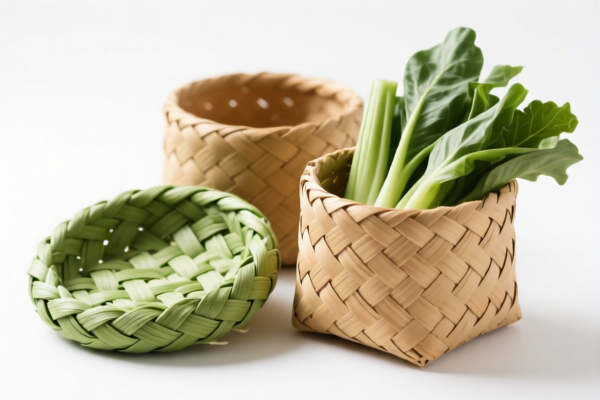
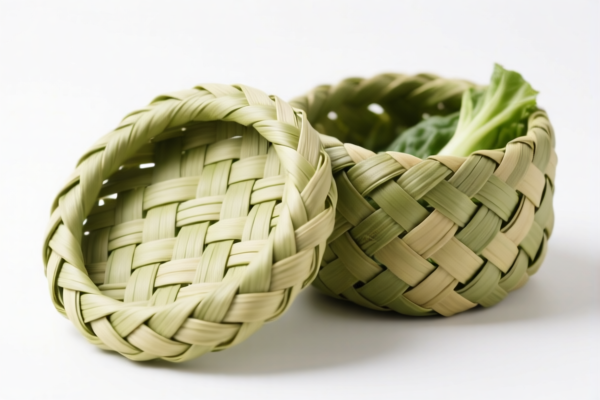
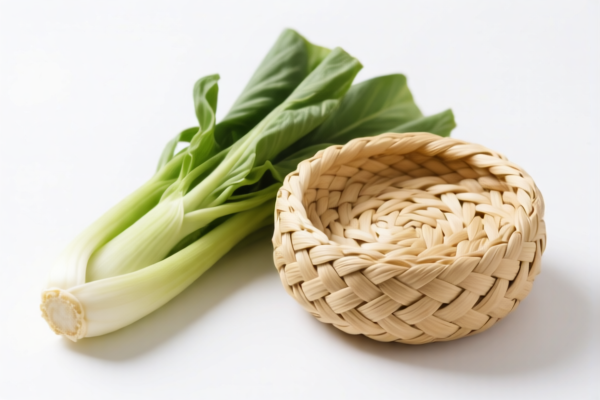
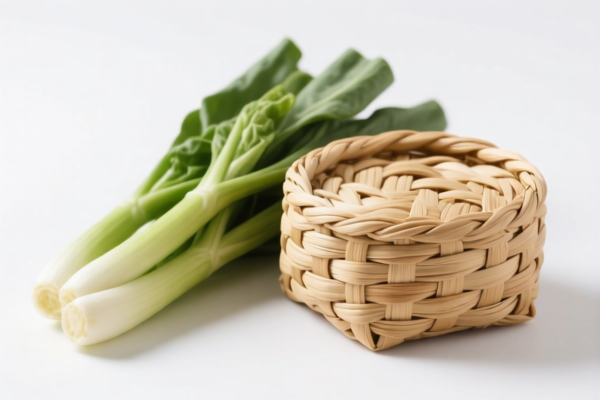
AI分析
🌿 Other Vegetable Fiber Plaited Products (Plant Fiber Woven Goods)
🌐 HS Code Reference & Customs Clearance Guide | 2026 Latest Tariff Analysis | Professional Clearance Strategy
📌 Part 1: Product Definition & Classification: What Are "Vegetable Fiber Plaited Products"?
"Other Vegetable Fiber Plaited Products" refers to manufactured goods made from natural plant fibers (such as rattan, bamboo, cane, straw, reed, or jute) that have been woven, braided, or plaited into specific shapes. These are not loose fibers but structured articles like baskets, mats, furniture, baskets, decorative items, or industrial containers.
In international trade, classification depends heavily on the specific use, material composition, and form of the product. Misclassification can lead to significant tariff discrepancies, especially under current US trade restrictions.
⚠️ Key Distinction:
- If the product is a generic woven item without specific use → Often falls under Chapter 46 (Vegetable Plaiting Materials).
- If the product is a specific article (e.g., a bag, mat, or decorative item) that doesn't fit Chapter 46 subheadings → May fall under Chapter 63 (Other made-up articles) as a "catch-all" category.
- Crucial Point: Chapter 46 codes generally attract higher additional tariffs due to Section 301 and IEEPA regulations, while some Chapter 63 codes may have different tax structures.
📦 Part 2: HS Code Classification Details (2026 Latest Tariff Authority Comparison)
Based on the provided data, here are the only applicable HS Codes for "Other Vegetable Fiber Plaited Products" and their corresponding tax details.
| HS Code | Product Description | Application Scenario | Tax Rate Structure |
|---|---|---|---|
4602.19.80.00 |
Other plaited goods, other than basketweaving goods: Other: Other: Other | Generic vegetable fiber woven products not specified elsewhere. Fits "Other" category description. | 37.3% Total |
4602.90.00.00 |
Other plaited goods, other than basketweaving goods: Other: Other: Other: Other woven goods and products of vegetable plaiting materials | General basketware, mats, or woven items under the broader Chapter 46 catch-all. | 38.5% Total |
4602.19.18.00 |
Other plaited goods, other than basketweaving goods: Other: Other: Decorative plaited goods | Decorative items, wall hangings, or ornamental woven pieces made from plant fibers. | 39.5% Total |
6307.90.98.91 |
Other made-up articles, other than those of heading 6301 to 6304: Other: Other: Other | Catch-all category for made-up vegetable fiber articles that do not fit Chapter 46 specific definitions (e.g., certain specific bags or industrial containers). | 24.5% Total |
🔍 Critical Observation:
- The lowest total tax rate is 24.5% (6307.90.98.91).
- The highest total tax rate is 39.5% (4602.19.18.00).
- There is a 15% differential between the most and least expensive classifications.
- Why the difference? Chapter 46 (4602.xxxx) is the primary chapter for vegetable plaiting materials and attracts specific US additional tariffs (25% + 10%). Chapter 63 (6307.xxxx) is a "made-up articles" chapter with lower additional tariff components in this specific dataset.
💰 Part 3: 2026 Latest Tariff Rate Breakdown (Including Surtaxes & Policy Add-ons)
✅ Applicable Country: United States (US)
✅ Origin: China (CN)
✅ Effective Time: Current US Trade Policy (Section 301 & IEEPA)
🎯 1. 4602.19.80.00 – Generic Vegetable Fiber Woven Products
| Item | Details |
|---|---|
| Base Duty Rate | 2.3% (Ad Valorem) |
| Section 301 Surtax | +25.0% (USITC Footnote) |
| IEEPA Surtax | +10.0% (China/US Trade Measures) |
| Total Effective Rate | 37.3% |
| Calculation | CIF Value × 37.3% |
| De Minimis Exemption | ❌ Not Applicable (De Minimis does not apply to Section 301/IEEPA taxes) |
| Legal Basis Path | Base Tariff: 4602.19.80.00 → Section 301: 25% → IEEPA: 10% |
📌 Explanation:
- This code is a standard "Other" category under Chapter 46.
- The 35% combined surtax (25% + 10%) makes this a high-cost entry point.
- Suitable for generic baskets or woven containers not specifically designed for decoration or other specialized uses.
🎯 2. 4602.90.00.00 – Other Woven Goods & Vegetable Plaiting Products
| Item | Details |
|---|---|
| Base Duty Rate | 3.5% (Ad Valorem) |
| Section 301 Surtax | +25.0% (USITC Footnote) |
| IEEPA Surtax | +10.0% (China/US Trade Measures) |
| Total Effective Rate | 38.5% |
| Calculation | CIF Value × 38.5% |
| De Minimis Exemption | ❌ Not Applicable |
| Legal Basis Path | Base Tariff: 4602.90.00.00 → Section 301: 25% → IEEPA: 10% |
📌 Note:
- Slightly higher base duty (3.5% vs 2.3%) but same surtaxes.
- Often used for broader basketware or household woven items.
🎯 3. 4602.19.18.00 – Decorative Plaited Goods
| Item | Details |
|---|---|
| Base Duty Rate | 4.5% (Ad Valorem) |
| Section 301 Surtax | +25.0% (USITC Footnote) |
| IEEPA Surtax | +10.0% (China/US Trade Measures) |
| Total Effective Rate | 39.5% |
| Calculation | CIF Value × 39.5% |
| De Minimis Exemption | ❌ Not Applicable |
| Legal Basis Path | Base Tariff: 4602.19.18.00 → Section 301: 25% → IEEPA: 10% |
📌 Warning:
- Highest Tax Rate among Chapter 46 codes.
- "Decorative" classification often attracts higher scrutiny and base duties.
- Ensure products are truly decorative (e.g., wall art, ornamental baskets) and not functional household items, which might qualify for a different code.
🎯 4. 6307.90.98.91 – Other Made-up Articles (Catch-All)
| Item | Details |
|---|---|
| Base Duty Rate | 7.0% (Ad Valorem) |
| Section 301 Surtax | +7.5% (Note: Lower additional tariff component) |
| IEEPA Surtax | +10.0% (China/US Trade Measures) |
| Total Effective Rate | 24.5% |
| Calculation | CIF Value × 24.5% |
| De Minimis Exemption | ❌ Not Applicable |
| Legal Basis Path | Base Tariff: 6307.90.98.91 → Section 301: 7.5% → IEEPA: 10% |
📌 Strategic Insight:
- Lowest Total Tax Rate (24.5%).
- This code is used when the product is a "made-up article" but does not fit the specific "plaited goods" definitions in Chapter 46.
- Caution: You cannot arbitrarily choose this code. The product must genuinely be a "made-up article" (e.g., a specific type of bag, tarpaulin, or container) that is not primarily classified as a "plaited good" under Chapter 46. Misclassification here can lead to audits and penalties.
🛠️ Part 4: Customs Clearance Practical Advice (Pitfall Avoidance Guide)
✅ 1. Documentation Checklist (Non-Negotiable)
| Document | Mandatory? | Notes |
|---|---|---|
| Product Specifications | ✔️ | Must detail material (e.g., "100% Bamboo", "Rattan & Jute Blend"), weaving technique, and dimensions. |
| Material Declaration | ✔️ | Explicitly state "Vegetable Plant Fiber" to justify Chapter 46 vs 63. |
| Product Photos | ✔️ | Clear images showing the woven structure, finish, and intended use. |
| Commercial Invoice | ✔️ | Must match the HS Code description exactly. |
| Packing List | ✔️ | Detailed breakdown of quantities and weights. |
| Usage Declaration | ✔️ | Crucial for distinguishing between 4602 (Plaited Good) and 6307 (Made-up Article). |
✅ 2. Classification Strategy (Key Mantras)
🔥 “Function Dictates Code, Material Supports Classification!”
| Scenario | Recommended HS Code | Risk if Misclassified |
|---|---|---|
| Generic Basket/Container | 4602.19.80.00 or 4602.90.00.00 |
If declared as 6307, customs may reject it as not a "made-up article" in the general sense. |
| Decorative Wall Hanging/Ornament | 4602.19.18.00 |
If declared as 6307, you save tax, but customs may argue it is a "plaited good" under Ch 46, leading to back taxes + penalties. |
| Specific Bag/Container (e.g., Produce Bag) | 6307.90.98.91 |
If declared as 4602, you pay ~15% more tax unnecessarily, provided the item truly fits Ch 63 criteria. |
| Furniture (e.g., Rattan Chair) | Check Chapter 94 | ⚠️ Note: The provided data does not include Chapter 94 (Furniture). If the product is furniture, it likely belongs in Ch 94, not Ch 46/63. Using Ch 46/63 for furniture is a major error. |
✅ 3. Special Handling for US Imports
| Situation | Advice |
|---|---|
| De Minimis (Section 321) | ❌ Do NOT rely on De Minimis for these HS Codes. Both Section 301 (25%) and IEEPA (10%) surtaxes are not waived under the $800 de minimis threshold for Chinese-origin goods. |
| Country of Origin | Ensure "Made in China" is clearly marked. If the plant fibers are imported but woven elsewhere, origin rules still likely point to China if substantial transformation occurred there. |
| Pre-Ruling Application | 🚀 Highly Recommended. Given the 15% tax difference between 4602.19.18.00 (39.5%) and 6307.90.98.91 (24.5%), applying for a Binding Ruling from US Customs (CBP) is cost-effective for large volumes. |
🌍 Part 5: Global Market Comparison (2026 Latest)
| Market | Recommended HS Code | Est. Total Tax (CN Origin) | Notes |
|---|---|---|---|
| 🇺🇸 USA | 6307.90.98.91 (if eligible) |
24.5% | Lowest US tax. 4602 codes range 37.3%-39.5%. |
| 🇪🇺 EU | 4602.19 or 6307.90 |
~0-7% | No Section 301/IEEPA. Standard EU MFN rates apply. |
| 🇨🇳 China | 4602.19 or 6307.90 |
~5-10% | Import duties for domestic consumption. |
| 🇬🇧 UK | 4602.19 or 6307.90 |
~5-7% | Post-Brexit tariffs. No US-style surtaxes. |
📌 Conclusion:
- The US is the most expensive market due to political surtaxes.
- Strategic Classification between Chapter 46 and Chapter 63 can save 10-15% in duties.
- Always consult a customs broker to determine if your specific product qualifies for6307.90.98.91.
📌 Part 6: Common Errors & Pitfalls (Lessons Learned)
❌ Error 1: Assuming all woven products are 4602.
👉 Consequence: Paying up to 39.5% tax when a 6307 classification (24.5%) might be legally permissible for certain made-up articles.
❌ Error 2: Using De Minimis for shipments under $800.
👉 Consequence: Package held at customs. Surtaxes still apply. Seizure risk if origin is Chinese.
❌ Error 3: Mislabeling "Decorative" items.
👉 Consequence: Using 4602.19.18.00 (39.5%) for a functional item that could be 4602.19.80.00 (37.3%) or 6307 (24.5%). Customs may penalize for misdeclaration.
❌ Error 4: Ignoring Furniture Classification.
👉 Consequence: Declaring a rattan chair as a "woven good" (Ch 46) instead of "furniture" (Ch 94). While Ch 46 tax is high, Ch 94 may have different tariffs. Verify Chapter 94 eligibility! (Note: Chapter 94 is not in the provided data, so it is excluded from this specific analysis, but it is a critical real-world consideration).
✅ Best Practice:
"Clearly define product use. Is it a plaited good (Ch 46) or a made-up article (Ch 63)? Provide detailed specs. Consider a CBP Ruling for high-volume imports."
🎯 Part 7: Conclusion: Precision in Classification Saves Money
🎯 Remember the Mantra:
🔹 "Chapter 46: 37-39% Tax. Chapter 63: 24.5% Tax. Know Your Product!"
🔹 "De Minimis is Dead for US China Imports. Plan for Surtaxes."
🔹 "Decorative = Higher Base Duty. Generic = Lower Base Duty."
📌 Pro Tip:
For imports valued over $5,000, apply for an Advance Ruling with US CBP. The small fee for a ruling can save thousands of dollars in incorrect duty payments.
📣 Immediate Action Required:
📞 Engage a licensed customs broker.
📄 Submit product samples and descriptions.
🚀 Optimize your supply chain by choosing the right HS Code from the start!
✨ Professional Clearance Starts with Accurate Classification!
💼 Your Duty Costs Are Directly Linked to Your HS Code Choice!
用户评价
关于 HS 编码归类
协调制度(HS)是由世界海关组织(WCO)制定的国际贸易商品分类标准。全球 200 多个国家采用 HS 系统作为海关关税、贸易统计和进出口监管的基础。
每个 HS 编码遵循以下层级结构:
- 章(2 位)——商品大类(例如:第 84 章:机器和机械设备)
- 品目(4 位)——章内的更具体分类
- 子目(6 位)——国际通用细分,所有 WCO 成员国统一使用
- 本国细分(8-10 位)——各国自行扩展的细分编码,如美国 HTSUS 10 位编码
正确的 HS 编码归类对于顺利通关、准确缴纳关税和遵守贸易法规至关重要。错误归类可能导致海关延误、多缴关税或罚款。
从CN进口到US时,适用的关税税率可能包括:
- 最惠国(MFN)税率——适用于 WTO 成员国的标准关税税率
- 普通税率——适用于无贸易协定国家
- 贸易救济关税——附加关税,如 301 条款(反倾销)、232 条款(国家安全)或反补贴税
本页内容仅供参考。如需正式归类,请咨询当地海关或持牌报关代理。