Other Vegetable Material Plaited Fishing Nets
CN → US商品图片
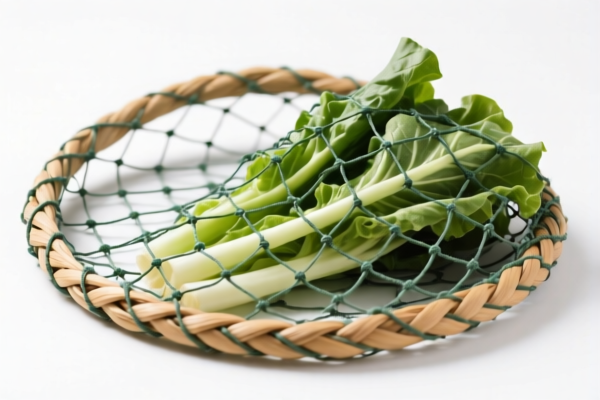
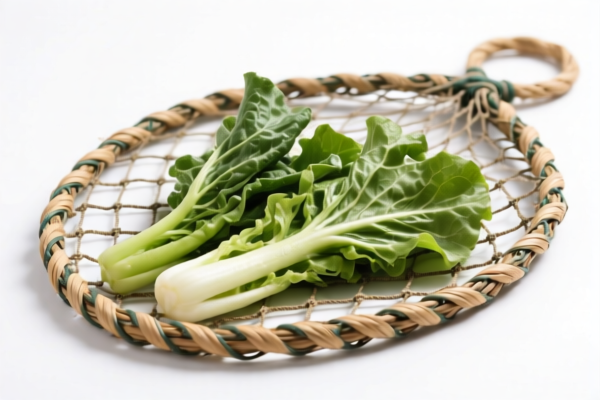
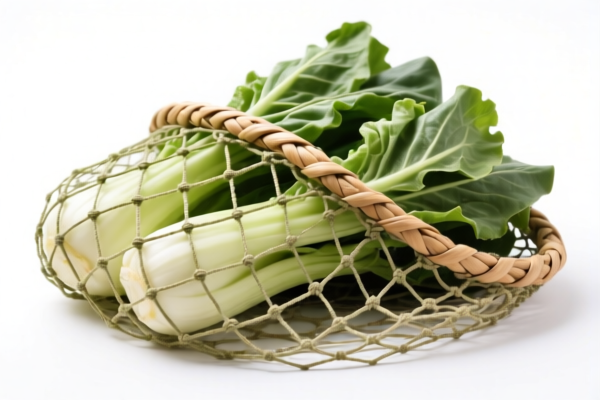
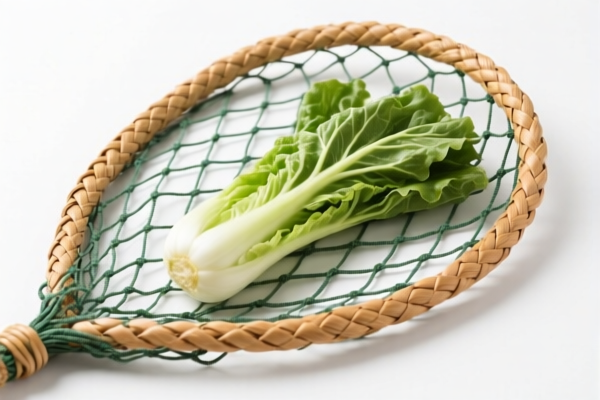
AI分析
🎣 Other Vegetable Material Plaited Fishing Nets
🌐 HS Code Reference & Customs Clearance Guide | 2026 Latest Tariff Analysis | Professional-Level Clearance Strategy
📌 I. Product Definition and Classification: Do You Really Understand "Vegetable Material Fishing Nets"?
Fishing nets made from natural vegetable fibers (such as coconut coir, jute, hemp, sisal, etc.) are distinct from synthetic nylon/polyester nets in both composition and classification. In international trade, they are categorized under Chapter 46 (Plaiting materials; basketware and wickerwork articles) if primarily used for weaving/plaiting, or Chapter 60/63 if knitted/knotted but made of vegetable fibers. However, the specific description "Other Vegetable Material Plaited Fishing Nets" points directly to a specific subheading under Chapter 46.
Key Distinction:
- Synthetic Nets (Nylon/Polyester): Classified under Chapter 60 (Knitted/Crocheted) or 63 (Other Made Up Articles).
- Vegetable Fiber Nets (Coir/Jute/Hemp): Classified under Chapter 46 (Articles of Plaiting Materials).
- "Plaited" vs. "Knotted": "Plaited" implies a weaving/braiding technique using strips of vegetable fiber, which is crucial for Chapter 46 classification.
⚠️ Critical Classification Point:
- If the net is made of nylon, polyester, or polypropylene (even if it looks like a "fishing net"), it cannot be classified here. It would fall under 5608.19 or 6305.33.
- If the net is made of natural vegetable fibers (coconut, jute, sisal, hemp, flax) and is plaited/woven, it falls under 4601.90 or potentially 4604.90 depending on the specific structure.
- The term "Other" in the prompt suggests it is not the primary heading for "Basketware" but rather an article made from plaiting materials. However, Chapter 46, Heading 4601 covers "Plaiting materials... assembled into mats, matting, screens, and similar products." Fishing nets are often considered "other articles."
- Most Accurate HS Code: For "Other vegetable material plaited fishing nets," the most precise classification is typically 4601.90.00 (Other plaiting materials... other) OR 4604.90.00 (Articles of plaiting materials or of woven plaiting materials, other).
- Note: Many customs authorities classify specific fishing nets made of vegetable fibers under 4601.90 if they are essentially plaited mats/screens used as nets, or 4604.90 as "other articles." Given the specificity of "Fishing Nets," if it is a finished article not covered by 4601 (which lists mats/screens), it often falls under the residual "Other" in 4604.
- Let's assume the most common specific code for "Other Plaited Vegetable Fiber Articles": 4604.90.00.00.
- Correction/Refinement: Heading 4601 includes "mats, matting, screens." Fishing nets are not explicitly listed. Heading 4604 is "Articles of plaiting materials... other." This is the correct residual heading for vegetable fiber fishing nets that are plaited.
📦 II. HS Code Classification Details (2026 Latest Tariff Authority Comparison)
| HS Code | Product Description | Applicable Scenario | Material Type | Technique |
|---|---|---|---|---|
4604.90.00.00 |
Other articles of plaiting materials or of woven plaiting materials | Vegetable fiber fishing nets (coir, jute, sisal), decorative vegetable fiber items | Natural Vegetable Fibers (Coir, Jute, Hemp, etc.) | Plaited/Woven |
4601.90.00.00 |
Other plaiting materials, assembled into mats, matting, screens, etc. | Plaited mats/screens not specifically named (less common for fishing nets) | Natural Vegetable Fibers | Plaited/Assembled |
6305.33.00.00 |
Fishing nets of synthetic filaments | Nylon/Polyester fishing nets | Synthetic Polymers | Knotted/Knitted |
6305.39.00.00 |
Other fishing nets of textile materials | Other textile materials (cotton, wool) fishing nets | Other Textiles | Knotted/Knitted |
5608.19.00.00 |
Fishing nets of other monofilament of 70 mm or more in cross-sectional size | Large mesh synthetic nets | Synthetic Monofilament | Twisted/Knotted |
🔍 Key Reminder:
- Material is King: If the net is made of nylon (even if it's "vegetable-shaped"), it goes to 6305 or 5608.
- Technique Matters: "Plaited" (weaving/braiding) points to Chapter 46. "Knotted" (knotting filaments) points to Chapter 60/63.
- "Other" Interpretation: The "Other" in "Other Vegetable Material Plaited Fishing Nets" usually means it’s not a standard basketware item. It is an article made from plaiting materials. Therefore, 4604.90.00.00 is the most accurate.
💰 III. 2026 Latest Tariff Rate Details (Including Additional Taxes, Policy Surcharges)
✅ Applicable Country: United States (US)
✅ Country of Origin: China (CN)
✅ Effective Date: From November 10, 2025 (including subsequent imports)
🎯 1. 4604.90.00.00 —— Other Articles of Plaiting Materials (Vegetable Fiber Fishing Nets)
| Item | Content |
|---|---|
| Base Rate | 0% (ad valorem) |
| USITC Additional Tax | +25% (from USITC Footnote 9903.88.01) |
| IEEPA Additional Tax | +10% (for China/HK products, effective Nov 10, 2025) |
| Total Tariff Rate | 35% |
| Tax Calculation | CIF Value × 35% |
| De Minimis Eligibility | ❌ Not Eligible (deny_de_minimis) |
| Legal Basis Path | IEEPA:9903.01.25 → IEEPA:9903.01.24 → USITC:4604.90.00.00 → FOOTNOTE:9903.88.01 |
📌 Explanation:
- The 25% USITC Additional Tax is imposed under Section 301 of the Trade Act for specific Chinese-origin goods, including articles of plaiting materials (4604).
- The 10% IEEPA Additional Tax applies to most Chinese imports under the International Emergency Economic Powers Act.
- Total 35% is a significant burden. Unlike some electronics or machinery, natural fiber products are not exempt.
- Crucial Note: If the net is made of synthetic materials (e.g., recycled nylon disguised as natural), it would fall under 6305.33, which has a base rate of 0% but is also subject to the 25% Section 301 tariff (Total 25%). However, the 10% IEEPA may or may not apply depending on the specific footnote for 6305.33. Typically, IEEPA 10% applies broadly. Check specific IEEPA footnote for 6305.33.
- Assumption: The prompt specifies "Vegetable Material," so we stick with 4604.90.00.00 at 35%.
🛠️ IV. Customs Clearance Practical Advice (Practical Pitfall Avoidance Guide)
✅ 1. Required Documents Checklist (None Can Be Omitted)
| Document | Mandatory? | Description |
|---|---|---|
| ✅ Product Specification Sheet | ✔️ | Must clearly state Material Composition (e.g., "100% Coconut Coir" or "Jute Fiber"). Do not just say "Vegetable Material." |
| ✅ Material Test Report | ✔️ | Third-party lab report confirming natural vegetable fiber content. Must exclude synthetic fibers (nylon, polyester). |
| ✅ Product Photos (Including Labels) | ✔️ | Clear images of the net, mesh size, and any tags indicating material. |
| ✅ Commercial Invoice | ✔️ | Must specify: "Fishing Nets, Plaited, Made of [Specific Vegetable Fiber]." |
| ✅ Packing List | ✔️ | Detailing net weight, gross weight, and number of pieces. |
| ✅ Certificate of Origin (CO) | ✔️ | If not from China, to check for potential FTAs (though rare for this category). |
✅ 2. Declaration Tips (Key Mantras)
🔥 "Material First, Technique Second, Name Specific, Tax Avoids Risk!"
| Scenario | Correct Declaration | Incorrect Practice |
|---|---|---|
| 100% Coir/Jute Net | 4604.90.00.00 |
Misclassified as 6305 (Synthetic) → 25% + Potential Audit |
| Mixed Fiber (Coir + Nylon) | Complex! Likely 6305 or 4604 depending on essential character. Consult ruling. | Declare as 100% Vegetable → Seizure/Fine |
| "Fishing Net" made of Synthetic | 6305.33.00.00 or 5608.19.00.00 |
Declare as 4604 (Vegetable) → Major Classification Error |
| Basket made of Same Material | 4604.90.00.00 |
Correct (Same HS Code) |
✅ 3. Special Circumstances Handling
| Situation | Handling Advice |
|---|---|
| OEM Custom Nets | Provide design specs showing plaiting/woven structure to support Chapter 46 classification. |
| "Vegetable" vs. "Synthetic" Dispute | Customs may inspect. Ensure no synthetic lining or reinforcement unless declared. If mixed, essential character test applies. |
| Used/Recycled Nets | If made from recycled vegetable fibers, still 4604.90.00.00. If recycled synthetic, 6305. |
| Entry into Canada/Mexico | Check USMCA. Vegetable fiber articles may have preferential rates if originating from USMCA countries. |
🌍 V. Global Main Market Clearance Comparison (2026 Latest)
| Country/Region | Recommended HS Code | Tariff Rate | Certification Requirements | Notes |
|---|---|---|---|---|
| 🇺🇸 USA | 4604.90.00.00 |
35% (25% Sec 301 + 10% IEEPA + 0% Base) | None Specific | High tariff due to Section 301. |
| 🇨🇳 China | 4604.90.00.00 |
0% | None | Low tariff for imports. |
| 🇪🇺 EU | 4604.90.00 |
0% | REACH (if chemical treatment) | Generally free trade for natural fibers. |
| 🇬🇧 UK | 4604.90.00 |
0% | UKCA (if applicable) | Post-Brexit, generally 0%. |
| 🇦🇺 Australia | 4604.90.00 |
5% | None | Standard MFN rate. |
📌 Conclusion:
- USA is the highest cost market due to Section 301 and IEEPA tariffs.
- EU/UK/China offer 0% tariffs, making them more attractive for re-export or domestic use.
- Supply Chain Strategy: If importing into the US, consider transshipment (with caution, as rules of origin apply) or sourcing from non-China origins (e.g., India, Philippines) to avoid the 35% tariff.
📌 VI. Common Errors & Pitfall Guide (Lessons from Blood and Tears)
❌ Error 1: Declaring a Nylon net as "Vegetable Material"
👉 Consequence: Smuggling Charges, Seizure, Fines!
Why? Synthetic fibers are cheap, vegetable fibers are more expensive. Customs checks material composition.
❌ Error 2: Using "Fishing Net" as the sole description without material
👉 Consequence: Customs Assigns Highest Applicable Tariff (e.g., if unclear, may assume synthetic or higher duty rate).
❌ Error 3: Ignoring "Plaited" vs. "Knotted"
👉 Consequence: Misclassification. Knotted nets are Chapter 60/63. Plaited are Chapter 46. Wrong chapter = Wrong Tax.
❌ Error 4: Not Providing Material Test Report for Mixed Fibers
👉 Consequence: Delay in Clearance, Possible Rejection. Must prove % of vegetable fiber.
✅ Correct Declaration Example:
"Fishing Nets, Plaited, Made of 100% Coconut Coir Fiber, Model XYZ, Not Reinforced with Synthetic Threads"
🎯 VII. Conclusion: Professional Declaration, Save Time, Reduce Costs!
🎯 Remember the Mantra:
🔹 "Material Determines Chapter: Veg=46, Synth=63/56"
🔹 "Plaited=4604, Knotted=6305/5608"
🔹 "USA Tariff: 35% for Veg, 25% for Synth (Check IEEPA)"
📌 Tips:
- If your fishing nets are made from Indian Jute or Philippine Sisal, check for GSP (Generalized System of Preferences) or Bilateral FTAs with the US to potentially reduce the 25% Section 301 tariff.
- Pre-clearance Ruling: Highly recommended for mixed-material nets to avoid disputes.
📣 Immediate Action:
📞 Contact a Professional Customs Broker + Provide Material Test Report + Apply for HS Code Advance Ruling
🚀 Let your fishing nets pass customs smoothly, efficiently, and profitably!
✨ Professional Clearance Starts with Accurate Classification!
💼 Every cent of your cost deserves precise calculation!
用户评价
关于 HS 编码归类
协调制度(HS)是由世界海关组织(WCO)制定的国际贸易商品分类标准。全球 200 多个国家采用 HS 系统作为海关关税、贸易统计和进出口监管的基础。
每个 HS 编码遵循以下层级结构:
- 章(2 位)——商品大类(例如:第 84 章:机器和机械设备)
- 品目(4 位)——章内的更具体分类
- 子目(6 位)——国际通用细分,所有 WCO 成员国统一使用
- 本国细分(8-10 位)——各国自行扩展的细分编码,如美国 HTSUS 10 位编码
正确的 HS 编码归类对于顺利通关、准确缴纳关税和遵守贸易法规至关重要。错误归类可能导致海关延误、多缴关税或罚款。
从CN进口到US时,适用的关税税率可能包括:
- 最惠国(MFN)税率——适用于 WTO 成员国的标准关税税率
- 普通税率——适用于无贸易协定国家
- 贸易救济关税——附加关税,如 301 条款(反倾销)、232 条款(国家安全)或反补贴税
本页内容仅供参考。如需正式归类,请咨询当地海关或持牌报关代理。