Other Wooden Musical Instruments
CN → US| HS编码 | 关税税率 | 原产国 | 目的国 | 文档 |
|---|---|---|---|---|
| 9202906000 | 14.6% | CN | US | 官方文档 |
| 9209926000 | 17.5% | CN | US | 官方文档 |
| 9202100000 | 13.2% | CN | US | 官方文档 |
| 9201900000 | 21.0% | CN | US | 官方文档 |
| 9209928000 | 22.1% | CN | US | 官方文档 |
商品图片
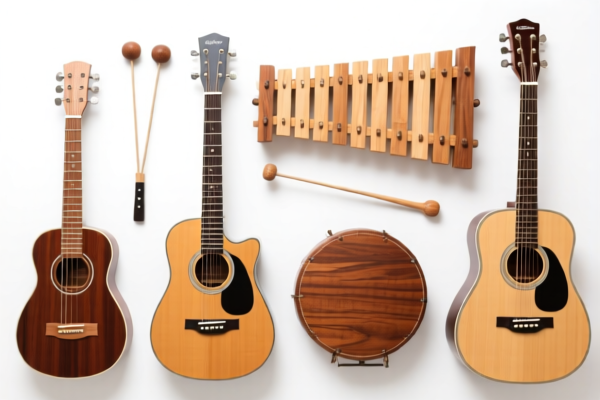
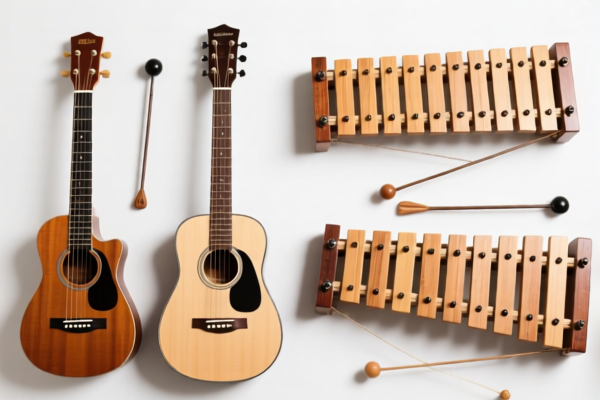
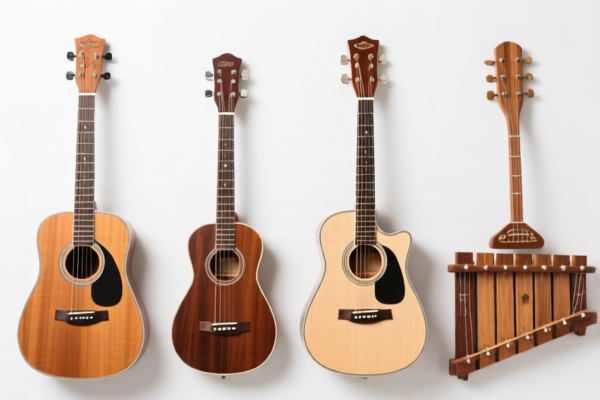
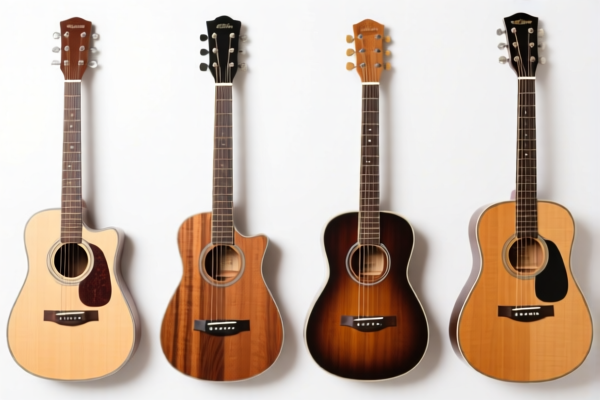
AI分析
🎻 Other Wooden Musical Instruments & Parts (HS Code Analysis)
🌐 HS Code Reference & Clearance Guide | 2026 Latest Tariff Analysis | Specialized Strategy for Wooden Instruments
📌 I. Product Definition & Classification: What Defines "Other Wooden Instruments"?
"Other Wooden Musical Instruments" in international trade refers to stringed instruments, keyboard instruments, and their accessories where wood is the primary structural material, but which do not fall under the primary classifications of standard pianos (Harmoniums) or standard orchestral string instruments in their most basic forms. This category includes:
- Wooden Stringed Instruments: Including specialized bows, fingerboards, and chin rests that are sold separately or as accessories.
- Wooden Keyboard Instruments Parts: Specifically those related to player pianos or historical keyboard instruments (like harpsichords/clavichords) where the wooden action is key.
- Mixed/Miscellaneous Wooden Instruments: Items that serve a musical purpose but use specific wood constructions that trigger "fallback" or specific sub-heading classifications.
⚠️ Key Distinction Point:
- If the item is a complete stringed instrument (e.g., violin, guitar) made of wood, it generally falls under 9202.
- If the item is a part/accessory (e.g., bow, peg, mute) made of wood, it falls under 9209.
- If the item is related to keyboard actions (wooden hammers/actions), it may fall under 9201 or 9209 depending on completeness.
📦 II. HS Code Classification Matrix (2026 Latest Tariff Authority Comparison)
Based on the provided data, here is the precise breakdown for "Other Wooden Musical Instruments":
| HS Code | Product Description | Application Scenario | Key Material/Structure |
|---|---|---|---|
9202.90.60.00 |
Other Stringed Instruments, Wooden | General wooden string instruments (not specifically classified elsewhere) | Wood, Stringed |
9209.92.60.00 |
Parts & Accessories for Stringed Instruments (Wooden) | Bows, fingerboards, chin rests, tuning pegs (wooden) | Wood, Accessory |
9202.10.00.00 |
Other Stringed Instruments (Wooden, Specific Type) | Specific wooden string instruments fitting common sense/standard definition | Wood, Stringed |
9201.90.00.00 |
Parts of Pianos & Other Keyboard Instruments (Wooden) | Wooden actions, hammers, or key frames for pianos/clavichords | Wood, Keyboard Part |
9209.92.80.00 |
Parts & Accessories (Miscellaneous/Bottoming Clause) | Wooden parts that don't fit other specific accessory categories | Wood, General Part |
🔍 Critical Reminder:
- Complete Instruments (like a full violin or guitar body) typically fall under 9202.
- Small Wooden Parts (like a bow or a wooden mute) fall under 9209.
- Keyboard Parts (like wooden hammers for a piano) fall under 9201 or 9209 depending on specificity.
- Do not mix complete instruments with parts in a single declaration if their tariff treatments differ significantly.
💰 III. 2026 Latest Tariff Rate Breakdown (Including Surtaxes & Policy Surcharges)
✅ Applicable Country: United States (US)
✅ Origin: China (CN)
✅ Effective Date: From November 10, 2025 (including subsequent imports)
🎯 1. 9202.90.60.00 — Other Wooden Stringed Instruments
| Item | Content |
|---|---|
| Base Tariff | 4.6% (ad valorem) |
| Additional Surcharge | 0.0% |
| Section 301 / IEEPA Surcharge | +10% (122 Clause) |
| Total Tariff Rate | 14.6% |
| Tax Calculation | CIF Value × 14.6% |
| De Minimis Exemption | ❌ Not Eligible (High tariff item) |
| Legal Basis Path | USITC:9202.90.60.00 → Footnote 122 |
📌 Explanation:
- This is the standard classification for "other" wooden string instruments.
- The 10% IEEPA surcharge is applied due to the "122 Clause" targeting specific Chinese imports.
- Total 14.6% is moderate compared to electronics, but still significant for low-margin wooden goods.
🎯 2. 9209.92.60.00 — Wooden Parts & Accessories for Stringed Instruments
| Item | Content |
|---|---|
| Base Tariff | 0.0% (ad valorem) |
| Additional Surcharge | 7.5% |
| Section 301 / IEEPA Surcharge | +10% (122 Clause) |
| Total Tariff Rate | 17.5% |
| Tax Calculation | CIF Value × 17.5% |
| De Minimis Exemption | ❌ Not Eligible |
| Legal Basis Path | USITC:9209.92.60.00 → Footnote 122 |
📌 Note:
- Even though the base tariff is 0%, the 7.5% additional surcharge (likely a specific USITC footnote for accessories) pushes the total higher than complete instruments in some cases.
- Items like wooden bows or wooden fingerboards fall here.
- Total 17.5% is higher than9202.90.60.00due to the 7.5% surcharge.
🎯 3. 9202.10.00.00 — Other Wooden Stringed Instruments (Specific Category)
| Item | Content |
|---|---|
| Base Tariff | 3.2% (ad valorem) |
| Additional Surcharge | 0.0% |
| Section 301 / IEEPA Surcharge | +10% (122 Clause) |
| Total Tariff Rate | 13.2% |
| Tax Calculation | CIF Value × 13.2% |
| De Minimis Exemption | ❌ Not Eligible |
| Legal Basis Path | USITC:9202.10.00.00 → Footnote 122 |
📌 Explanation:
- This code applies to specific wooden string instruments that fit "common sense" definitions but are not pianos.
- Lowest total tariff (13.2%) among the complete instruments in this list.
- Ideal for standard wooden violins, cellos, or guitars if they fit this specific sub-heading.
🎯 4. 9201.90.00.00 — Parts of Pianos & Other Keyboard Instruments (Wooden)
| Item | Content |
|---|---|
| Base Tariff | 3.5% (ad valorem) |
| Additional Surcharge | 7.5% |
| Section 301 / IEEPA Surcharge | +10% (122 Clause) |
| Total Tariff Rate | 21.0% |
| Tax Calculation | CIF Value × 21.0% |
| De Minimis Exemption | ❌ Not Eligible |
| Legal Basis Path | USITC:9201.90.00.00 → Footnote 122 |
📌 Warning:
- This is a high-tariff category (21.0%).
- Applies to wooden parts for pianos (e.g., wooden actions, key frames).
- Do not misdeclare wooden string instrument parts as piano parts to save tax; customs will inspect and penalize.
🎯 5. 9209.92.80.00 — Miscellaneous Wooden Parts & Accessories (Bottoming Clause)
| Item | Content |
|---|---|
| Base Tariff | 4.6% (ad valorem) |
| Additional Surcharge | 7.5% |
| Section 301 / IEEPA Surcharge | +10% (122 Clause) |
| Total Tariff Rate | 22.1% |
| Tax Calculation | CIF Value × 22.1% |
| De Minimis Exemption | ❌ Not Eligible |
| Legal Basis Path | USITC:9209.92.80.00 → Footnote 122 |
📌 Explanation:
- This is a "catch-all" or fallback code for wooden parts that don't fit other specific accessory categories.
- Highest total tariff (22.1%) in the list.
- Use only if the item cannot be classified under9209.92.60.00(string accessories) or other specific codes.
🛠️ IV. Clearance Practical Advice (Real-World Pitfall Avoidance Guide)
✅ 1. Essential Documentation Checklist (All Required)
| Document | Must Provide | Description |
|---|---|---|
| ✅ Product Specification Sheet | ✔️ | Material composition (e.g., "Solid Spruce Top, Maple Back"), dimensions, type. |
| ✅ Product Photos | ✔️ | Clear images of the item, including any brand names, model numbers, and wooden grain details. |
| ✅ Commercial Invoice | ✔️ | Must explicitly state: "Wooden Stringed Instrument" or "Wooden Musical Part". |
| ✅ Packing List | ✔️ | Separate complete instruments from accessories if declared under different HS Codes. |
| ✅ Material Declaration | ✔️ | Confirm no endangered species wood (CITES) unless properly declared. |
| ✅ Country of Origin Certificate | ✔️ | Proof of Chinese origin to apply correct IEEPA surcharges. |
✅ 2. Declaration Tactics (Key Mantras)
🔥 "Complete Instruments Go to 9202, Parts Go to 9209, Keyboard Parts to 9201. Don't Mix!"
| Scenario | Correct Declaration | Wrong Practice |
|---|---|---|
| Full Violin (Wooden) | 9202.10.00.00 or 9202.90.60.00 |
Misdeclare as "Part" → 17.5%+ |
| Wooden Bow | 9209.92.60.00 |
Misdeclare as "Instrument" → 14.6%+ (Check specific rules) |
| Wooden Fingerboard | 9209.92.60.00 |
Misdeclare as "Miscellaneous Part" → 22.1% |
| Piano Wooden Action | 9201.90.00.00 |
Misdeclare as "String Instrument Part" → Penalty |
| Unknown Wooden Part | 9209.92.80.00 (Last resort) |
Leave blank → Customs Seizure |
✅ 3. Special Case Handling
| Situation | Handling Advice |
|---|---|
| CITES-Regulated Wood (e.g., Rosewood, Ebony) | CRITICAL: Must provide CITES permits. Misdeclaration leads to confiscation + heavy fines. |
| OEM Custom Instruments | Provide design drawings to prove "Wooden String Instrument" status, not just "Wooden Object". |
| Kit Instruments (DIY Kits) | If sold as a kit, declare as "Parts" (9209) if components are not yet assembled. If assembled, declare as "Instrument" (9202). |
| Mixed Shipments | Separate declarations for 9202 (Instruments) and 9209 (Parts) to optimize tax (13.2-14.6% vs 17.5-22.1%). |
🌍 V. Global Market Comparison for Wooden Instruments (2026 Latest)
| Country/Region | Recommended HS Code | Tariff (China Origin) | Certification Requirements | Notes |
|---|---|---|---|---|
| 🇺🇸 USA | 9202.10.00.00 |
13.2% | No specific FDA, but CITES for exotic wood | High compliance cost due to surcharges. |
| 🇪🇺 EU | 9202.10.00.00 |
0% - 5% | FSC/CITES for wood origin, CE if electronic components | No IEEPA surcharge. |
| 🇨🇳 China | 9202.10.00.00 |
8% | CCC if electronic, otherwise standard | Low entry barrier. |
| 🇯🇵 Japan | 9202.10.00.00 |
0% | No special requirements | Very low tariff. |
| 🇬🇧 UK | 9202.10.00.00 |
0% | UKCA marking if applicable | Post-Brexit rules apply. |
📌 Conclusion:
- USA imposes the highest effective cost due to the 10% IEEPA + 7.5% surcharge for parts.
- EU and Japan offer 0% or low tariffs, making them more attractive for high-value wooden instruments.
- Wood Origin (CITES) is the biggest risk factor globally, not just tariff rates.
📌 VI. Common Errors & Pitfall Guide (Lessons Learned)
❌ Error 1: Declaring a complete wooden violin as "Wooden Parts" (9209)
👉 Consequence: Incorrect classification, potential audit, or overpayment of tax if the specific part code has a higher rate.
❌ Error 2: Not declaring CITES-regulated wood (e.g., Ebony keys, Rosewood bridges)
👉 Consequence: Shipment Seized, heavy fines, and blacklist risk.
❌ Error 3: Using "Musical Instrument" as a generic description without HS Code specificity
👉 Consequence: Customs may reclassify to 9209.92.80.00 (22.1%) if details are insufficient.
❌ Error 4: Mixing Piano Parts (9201) with String Instrument Parts (9209) in one line item
👉 Consequence: Delayed clearance, additional inspection, and possible misdeclaration penalties.
✅ Correct Approach:
"Wooden Violin, Solid Spruce Top, Maple Back, Model XYZ, No CITES Materials"
or
"Wooden Violin Bow, Horse Hair, Ebony Tip, Part Code B-001"
🎯 VII. Conclusion: Professional Declaration Saves Money!
🎯 Remember the Mantra:
🔹 "Complete = 9202 (13-15%), Parts = 9209 (17-22%), Keyboard = 9201 (21%)."
🔹 "Wood Origin Matters More Than Wood Type – CITES is Key!"
🔹 "US Tariff is High, EU/Japan is Low – Plan Your Supply Chain!"
📌 Tips:
- If your wooden instruments use exotic woods (Rosewood, Ebony, etc.), ensure you have CITES Permits before shipping to the US or EU.
- For wooden parts, ensure they are clearly identified as "Accessories" to avoid being misclassified as "Miscellaneous Goods" (22.1%).
- Consider pre-classification rulings from CBP if dealing with new types of wooden instruments.
📣 Immediate Action:
📞 Contact a licensed customs broker + Provide detailed material breakdown + Apply for CITES permits if needed.
🚀 Let your wooden instruments pass customs smoothly, avoid penalties, and maximize profit margins!
✨ Professional clearance starts with accurate classification!
💼 Every percentage point of tariff matters in the music industry!
用户评价
关于 HS 编码归类
协调制度(HS)是由世界海关组织(WCO)制定的国际贸易商品分类标准。全球 200 多个国家采用 HS 系统作为海关关税、贸易统计和进出口监管的基础。
每个 HS 编码遵循以下层级结构:
- 章(2 位)——商品大类(例如:第 84 章:机器和机械设备)
- 品目(4 位)——章内的更具体分类
- 子目(6 位)——国际通用细分,所有 WCO 成员国统一使用
- 本国细分(8-10 位)——各国自行扩展的细分编码,如美国 HTSUS 10 位编码
正确的 HS 编码归类对于顺利通关、准确缴纳关税和遵守贸易法规至关重要。错误归类可能导致海关延误、多缴关税或罚款。
从CN进口到US时,适用的关税税率可能包括:
- 最惠国(MFN)税率——适用于 WTO 成员国的标准关税税率
- 普通税率——适用于无贸易协定国家
- 贸易救济关税——附加关税,如 301 条款(反倾销)、232 条款(国家安全)或反补贴税
本页内容仅供参考。如需正式归类,请咨询当地海关或持牌报关代理。