Outdoor Cooler Bag
CN → US| HS编码 | 关税税率 | 原产国 | 目的国 | 文档 |
|---|---|---|---|---|
| 4202920809 | 42.0% | CN | US | 官方文档 |
| 4202921000 | 38.4% | CN | US | 官方文档 |
| 3923900080 | 38.0% | CN | US | 官方文档 |
| 3923109000 | 38.0% | CN | US | 官方文档 |
商品图片
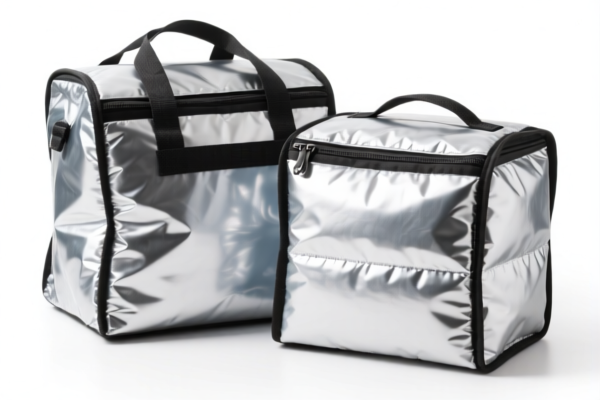
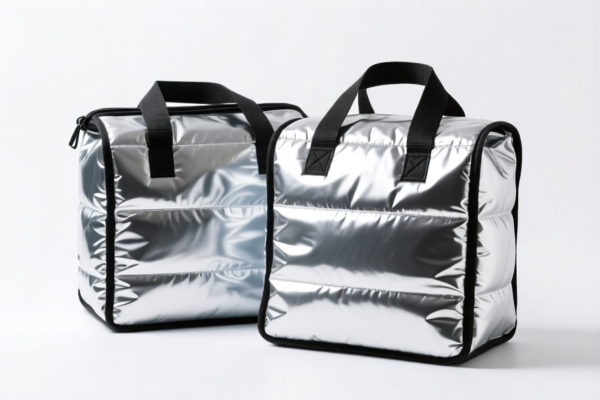
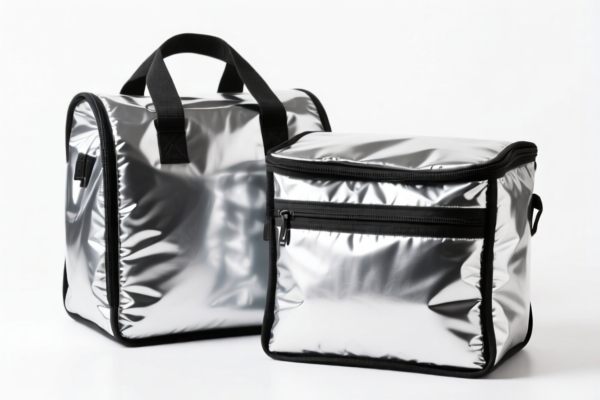
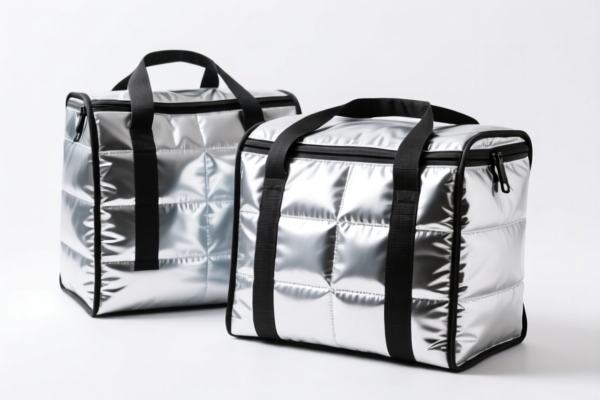
AI分析
🧊 Outdoor Cooler Bag (Insulated Food or Beverage Bags)
🌐 HS Code Reference & Customs Clearance Guide | 2026 Latest Tariff Analysis | Professional Compliance Strategy
📌 I. Product Definition and Classification: What Exactly is an "Outdoor Cooler Bag"?
An Outdoor Cooler Bag is a portable container designed to maintain the temperature of food and beverages. In international trade, its classification depends heavily on its material composition and functional design. It is primarily split into two distinct categories based on the Harmonized System (HS):
- Textile-Based Bags: Made primarily of fabric (nylon, polyester, canvas) with insulation lining. These fall under Chapter 42 (Articles of Leather; Traveling Bags).
- Plastic-Based Containers: Made entirely or primarily of plastic sheeting, used for conveyance or packing. These fall under Chapter 39 (Articles of Plastics).
⚠️ Critical Distinction:
- If the outer surface is textile (fabric) and it is designed as a "traveling bag" or "satchel" with handles/shoulder straps → Go to Chapter 42 (HS 4202).
- If it is a simple plastic container (box, crate, or flexible pouch) without textile outer surface features → Go to Chapter 39 (HS 3923).
📦 II. HS Code Classification Details (2026 Official Tariff Schedule)
Based on the provided data, here is the precise breakdown for Outdoor Cooler Bags:
| HS Code | Product Description | Material Composition | Key Features |
|---|---|---|---|
4202.92.08.09 |
Insulated food or beverage bags, with outer surface of textile materials: Other | Textile Outer (e.g., Nylon, Polyester) | Designed as a bag with handles/straps; specifically labeled as "Other Other" under textile-based insulated bags. |
4202.92.10.00 |
Insulated food or beverage bags, with outer surface of sheeting of plastics or of textile materials | Plastic or Textile Outer | Generic category for insulated bags made of either material if not specified as "textile" only. Often used for bags with plastic-coated fabric or PVC exterior. |
3923.90.00.80 |
Articles for conveyance or packing of goods, of plastics: Other | Plastic (100% Plastic) | Simple plastic pouches, flexible containers, or non-textile plastic bags used for cooling/packing. Not designed as a "fashion" bag. |
3923.10.90.00 |
Boxes, cases, crates and similar articles: Other | Plastic (Rigid/Flexible) | Plastic boxes or rigid containers used for cooling/packing. |
🔍 Key Identification Point:
- Check the Outer Layer: Is it woven fabric (Textile) or solid plastic sheeting?
- Check the Function: Is it a "bag" (with straps/handles) or a "box/container"?
- Chapter 42 vs. 39: Bags with textile exteriors are generally preferred for "cooler bags" in consumer markets, falling under 4202. Pure plastic pouches fall under 3923.
💰 III. 2026 Tariff Rate Breakdown (Including Surtaxes)
✅ Applicable Country: United States (US)
✅ Origin: China (CN)
✅ Effective Date: Current rates as per provided data
🎯 1. 4202.92.08.09 & 4202.92.10.00 — Textile/Plastic Insulated Bags
| Item | Details |
|---|---|
| Base Tariff | 0.0% (Ad Valorem) |
| Surtax (Section 301 / IEEPA) | 0.0% |
| Total Tax Rate | 0.0% |
| Tax Calculation | CIF Value × 0% = $0 |
| De Minimis Eligibility | ✅ Yes (Generally eligible if under $800, subject to current US CBP regulations) |
| Legal Basis | No surtax applied to these specific subheadings for Chinese origin in the provided dataset. |
📌 Explanation:
- Significant Advantage: These categories currently enjoy a 0% total duty rate for Chinese-origin goods in the provided data.
- Why? Insulated bags of textile materials are often considered general consumer goods with lower strategic trade sensitivity compared to electronics or steel.
- Note: Always verify if new surtax lists have been added post-2024, but based on the , the rate is 0%.
🎯 2. 3923.90.00.80 & 3923.10.90.00 — Plastic Containers/Packing Articles
| Item | Details |
|---|---|
| Base Tariff | 3.0% |
| Surtax (Section 301 / IEEPA) | 25.0% |
| Total Tax Rate | 28.0% |
| Tax Calculation | CIF Value × 28% |
| De Minimis Eligibility | ❌ No (Generally excluded or subject to stricter scrutiny for plastic articles from China) |
| Legal Basis | Base: 3% + Surtax: 25% = 28% |
📌 Explanation:
- High Tariff Burden: If your "cooler bag" is classified as a pure plastic article (not a textile bag), it faces a 28% total tax.
- Why? Plastics are often targeted by trade measures due to manufacturing volume and environmental concerns.
- Risk: Misclassifying a textile bag as a plastic article can lead to underpayment of duties and penalties.
🛠️ IV. Customs Clearance Practical Advice (Real-World Pitfall Avoidance)
✅ 1. Material Declaration Strategy
| Scenario | Correct HS Code | Risk |
|---|---|---|
| Bag with Nylon/Polyester Exterior | 4202.92.08.09 or 4202.92.10.00 |
Low Risk – 0% Duty |
| Bag with PVC/Plastic Exterior | 4202.92.10.00 (if considered a bag) or 3923.90.00.80 (if container) |
Medium Risk – Clarify if it's a "bag" (4202) or "container" (3923). Aim for 4202 if it has handles/straps. |
| Simple Plastic Pouch (No handles) | 3923.90.00.80 |
High Cost – 28% Duty |
💡 Pro Tip:
- Design your product with a textile outer surface (even if insulated with plastic foam inside) to qualify for Chapter 42 and 0% duty.
- Avoid 100% plastic construction unless cost is secondary to durability.
✅ 2. Required Documentation
| Document | Requirement | Notes |
|---|---|---|
| Product Description | Must specify "Insulated Bag" or "Cooler Bag" | Avoid vague terms like "Plastic Container" if it’s actually a bag. |
| Material Breakdown | Outer: 100% Nylon; Lining: 100% PE Foam | Crucial for HS Code verification. |
| Commercial Invoice | Clearly state "Outdoor Cooler Bag" | Include volume and weight. |
| Origin Certificate | CO (Certificate of Origin) | To prove Chinese origin and apply correct surtax rules. |
✅ 3. Common Misclassification Errors
❌ Mistake 1: Classifying a Nylon Cooler Bag as 3923.90.00.80 (Plastic Article).
👉 Consequence: Pay 28% instead of 0%.
✅ Fix: Ensure the outer layer is identified as textile.
❌ Mistake 2: Classifying a Rigid Plastic Box as a "Bag" (4202).
👉 Consequence: Customs may reject 4202 because it’s not a "bag" (no flexible handles/straps).
✅ Fix: Use 3923.10.90.00 for rigid boxes.
🌍 V. Global Market Comparison (2026 Overview)
| Market | Recommended HS Code | Duty Rate (China Origin) | Key Notes |
|---|---|---|---|
| 🇺🇸 USA | 4202.92.08.09 |
0% | Best option for textile-based bags. |
| 🇺🇸 USA | 3923.90.00.80 |
28% | Avoid for pure plastic articles if possible. |
| 🇪🇺 EU | 4202.92.00 |
~0-2% | Generally low duty for textile bags. |
| 🇨🇳 China (Import) | 4202.92.00 |
~5-10% | Check specific Chinese tariff schedule. |
📌 Conclusion:
- For US Imports, the 0% duty rate for textile-based insulated bags (4202.92.08.09) is a massive competitive advantage.
- Prioritize textile materials for the outer shell of your cooler bags to avoid the 28% surtax.
📌 VI. Final Checklist for Exporters
- Material Check: Is the outer surface made of fabric/textile?
- Design Check: Does it have handles, zippers, or shoulder straps? (Confirms "Bag" status under Ch. 42)
- HS Code Selection:
- ✅ Yes to both → Use
4202.92.08.09(0% Duty) - ❌ No (Pure plastic container) → Use
3923.90.00.80(28% Duty) - Documentation: Ensure commercial invoices explicitly state "Insulated Bag" and Material Composition.
🎯 VII. Conclusion: Smart Classification Saves Money!
🎯 Remember the Golden Rule:
🔹 "Textile Outer = 0% Duty"
🔹 "Plastic Outer = 28% Duty"
🔹 "Design for Textile, Save on Tariffs!"
📌 Action Item:
📞 Contact your supplier: Confirm the outer fabric is Nylon or Polyester.
📝 Update Product Labels: Mark as "Insulated Textile Bag".
🚀 Optimize Cost: Choose HS4202.92.08.09for maximum profit margin.
✨ Professional Customs Clearance Starts with Precise Classification!
💼 Don’t Let a 28% Surplus Eat Your Margins!
用户评价
关于 HS 编码归类
协调制度(HS)是由世界海关组织(WCO)制定的国际贸易商品分类标准。全球 200 多个国家采用 HS 系统作为海关关税、贸易统计和进出口监管的基础。
每个 HS 编码遵循以下层级结构:
- 章(2 位)——商品大类(例如:第 84 章:机器和机械设备)
- 品目(4 位)——章内的更具体分类
- 子目(6 位)——国际通用细分,所有 WCO 成员国统一使用
- 本国细分(8-10 位)——各国自行扩展的细分编码,如美国 HTSUS 10 位编码
正确的 HS 编码归类对于顺利通关、准确缴纳关税和遵守贸易法规至关重要。错误归类可能导致海关延误、多缴关税或罚款。
从CN进口到US时,适用的关税税率可能包括:
- 最惠国(MFN)税率——适用于 WTO 成员国的标准关税税率
- 普通税率——适用于无贸易协定国家
- 贸易救济关税——附加关税,如 301 条款(反倾销)、232 条款(国家安全)或反补贴税
本页内容仅供参考。如需正式归类,请咨询当地海关或持牌报关代理。