Outdoor Natural Grass Floor Mats
CN → US| HS编码 | 关税税率 | 原产国 | 目的国 | 文档 |
|---|---|---|---|---|
| 4602191800 | 39.5% | CN | US | 官方文档 |
| 5705002090 | 38.3% | CN | US | 官方文档 |
| 5705001000 | 35.0% | CN | US | 官方文档 |
| 4602198000 | 37.3% | CN | US | 官方文档 |
商品图片
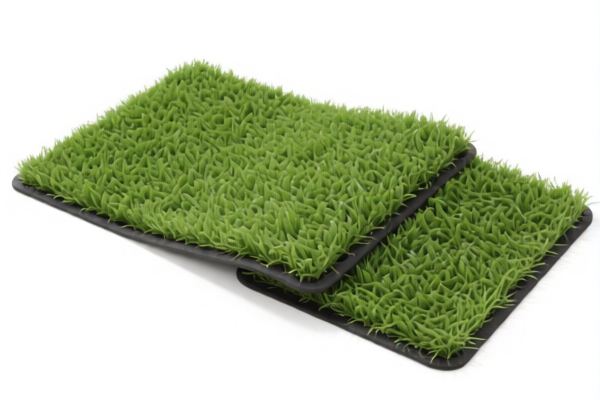
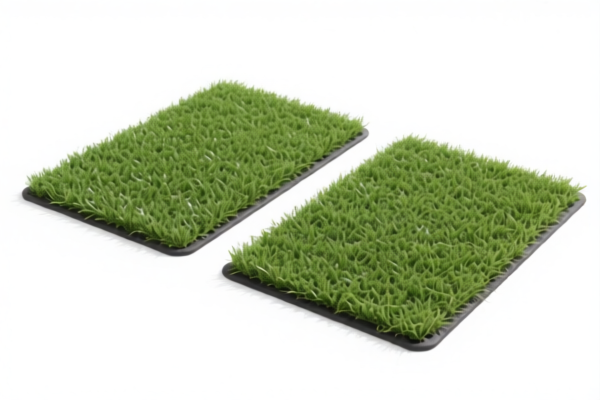
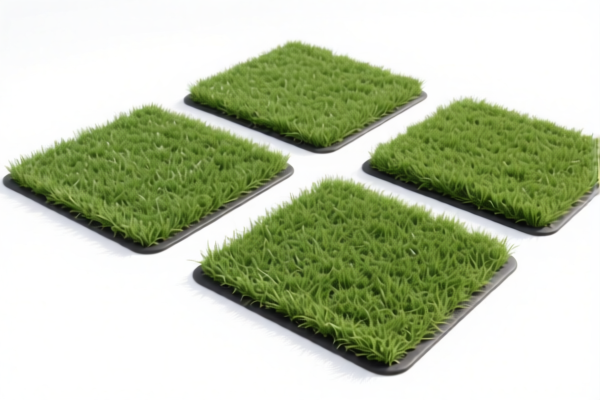

AI分析
🌿 Outdoor Natural Grass Floor Mats (Circular)
🌐 HS Code Reference & Customs Clearance Guide | 2026 Latest Tariff Analysis | Professional Entry Strategies
📌 I. Product Definition & Classification: Do You Really Understand "Natural Grass Mats"?
Outdoor Natural Grass Floor Mats are decorative and functional flooring items made from natural plant fibers (typically dried grass, straw, or reeds). In international trade, their classification hinges on two main factors:
1. Material Composition: Are they considered "woven articles" (Chapter 46) or "floor coverings/carpeting" (Chapter 57)?
2. Structure: Are they strictly woven mats or broader floor coverings?
⚠️ Key Distinction:
- If classified as woven articles → Chapter 46 (4602)
- If classified as carpets/floor coverings → Chapter 57 (5705)
- Note: Misclassification can lead to significant tax differences due to varying base tariffs!
📦 II. HS Code Classification Details (2026 Latest Tariff Authority)
Based on the provided data, there are four potential HS Codes for circular natural grass floor mats. The primary difference lies in the narrative description and base tariff rate.
| HS Code | Product Description Summary | Category Scope | Base Tariff | Total Tax Rate* |
|---|---|---|---|---|
4602.19.18.00 |
Woven article; Natural material; Mat shape | Woven Articles (Ch. 46) | 4.5% | 39.5% |
4602.19.80.00 |
Woven article; Natural material; Floor mat shape | Woven Articles & Similar (Ch. 46) | 2.3% | 37.3% |
5705.00.20.90 |
Floor covering/Carpet; Natural material; Mat shape | Carpets/Floor Coverings (Ch. 57) | 3.3% | 38.3% |
5705.00.10.00 |
Floor covering; Plant fiber; Mat shape | Plant Fiber Floor Coverings (Ch. 57) | 0.0% | 35.0% |
* Total Tax Rate includes Base Tariff + Additional Tariffs (as detailed below).
🔍 Focus Reminder:
- Chapter 46 (Woven Articles): Generally applies to products that are strictly "woven" using natural materials, often treated as craft/woven goods rather than industrial carpets.
- Chapter 57 (Carpets/Floor Coverings): Applies to products specifically designed for flooring coverage, including those made of natural fibers.
- Crucial Point: The Base Tariff varies from 0% to 4.5%. However, All these codes are subject to identical Additional Tariffs, making the Total Tax range between 35.0% and 39.5%.
💰 III. 2026 Latest Tariff Rate Breakdown (Including Additional Taxes & Policy Surcharges)
✅ Applicable Country: United States (US)
✅ Country of Origin: China (CN)
✅ Effective Date: From November 10, 2025 onwards (including subsequent imports)
🎯 1. Common Additional Tariff Components (Applied to ALL HS Codes Listed)
All four HS codes listed in the data share the same additional tariff structure for Chinese origin goods:
| Item | Content |
|---|---|
| Base Tariff | Varies by HS Code (0.0% – 4.5%) |
| Section 301 Additional Tariff | +25.0% (USITC Footnote related to Chinese imports) |
| Section 122 Tariff | +10.0% (Specific surcharge for certain natural plant products) |
| Total Tax Rate | Base Tariff + 35.0% (i.e., 25% + 10% + Base) |
📌 Explanation:
- "Section 301 Additional Tariff 25%": Imposed under the U.S. Trade Act Section 301 on Chinese goods.
- "Section 122 Tariff 10%": A specific surcharge often applied to certain textile or natural fiber products from China.
- Calculation Example:
- For5705.00.10.00(0% Base): Total = 0% + 25% + 10% = 35.0%
- For4602.19.18.00(4.5% Base): Total = 4.5% + 25% + 10% = 39.5%
- High Tariff Alert: Even the lowest rate (35%) is substantial. There is no de minimis exemption for these goods from China under current trade policies.
🛠️ IV. Customs Clearance Practical Advice (Pitfall Avoidance Guide)
✅ 1. Documentation Checklist (Essential for Smooth Clearance)
| Document | Required? | Notes |
|---|---|---|
| ✅ Product Specification Sheet | ✔️ | Must specify material: "100% Natural Grass," "Circular," "Mat/Floor Covering." |
| ✅ Material Composition Statement | ✔️ | Confirm no synthetic backing or plastic components that might change classification. |
| ✅ Product Photos | ✔️ | Clear images showing texture, weave, and shape (circular mat). |
| ✅ Commercial Invoice | ✔️ | Accurate value, clearly state "Outdoor Natural Grass Floor Mat." |
| ✅ Packing List | ✔️ | Weight, dimensions, quantity. |
| ✅ Origin Certificate | ❌ | If claiming any potential FTZ benefits (unlikely for China-US), but generally not applicable for tariff reduction here. |
⚠️ Critical: Ensure the description does not imply "carpet" if you want to argue for Chapter 46 (Woven Article), but be prepared for CBP to classify it as Chapter 57 (Floor Covering) due to its intended use. Chapter 57 is more common for floor mats.
✅ 2. Declaration Tips (Key Mnemonics)
🔥 "Material First, Use Second, Chapter 57 is Safer!"
| Scenario | Recommended HS Code | Why? |
|---|---|---|
| Purely woven grass mat, no backing | 4602.19.18.00 or 4602.19.80.00 |
If it's clearly a "woven article" (craft item). Base tariff is higher (2.3-4.5%). |
| Natural grass mat used as floor covering | 5705.00.20.90 or 5705.00.10.00 |
Most Likely. CBP often classifies floor mats as carpets/floor coverings. Base tariff lower (0-3.3%). |
| Synthetic blend or plastic backing | Different HS Code | Not covered in this data. Would likely fall under synthetic carpets. |
📌 Strategic Advice:
-5705.00.10.00offers the lowest total tax (35.0%) because it has a 0% base tariff.
- However, if CBP deems it a "woven article" rather than a "carpet," they may shift it to4602.19.18.00(39.5%), increasing cost by 4.5%.
- Best Practice: Declare as "Natural Fiber Floor Covering" (Chapter 57) to align with common customs practice for mats, but have documentation ready to support if challenged.
✅ 3. Special Cases
| Situation | Handling Suggestion |
|---|---|
| Product with Non-Woven Backing | If glued or woven with synthetic thread, CBP may still classify under Ch. 57, but verify material % < 5% synthetic for "natural" claim. |
| Custom Size/Shape | "Circular" is specified in data. If square/rectangular, still likely Ch. 57, but check subheading nuances. |
| Export from Vietnam/Mexico | No Section 301 Tariff! Base tariff applies only. Total tax ~0-4.5%. Strongly consider supply chain shift. |
🌍 V. Global Market Clearance Comparison (2026 Latest)
| Country/Region | Recommended HS Code | Total Tariff (China Origin) | Key Certification | Notes |
|---|---|---|---|---|
| 🇺🇸 USA | 5705.00.10.00 |
35.0% | None specific | High due to 301+122 tariffs |
| 🇨🇳 China | 5705.00.10.00 |
0% - 10% | N/A | Low domestic tax; export-focused |
| 🇪🇺 EU | 5705.29 |
4% - 6% | CE/REACH | No Section 301; standard duty |
| 🇬🇧 UK | 5705.29 |
4% - 6% | UKCA | Post-Brexit aligned with EU |
| 🇦🇺 Australia | 5705.29 |
5% | N/A | Low duty, easy entry |
📌 Conclusion:
- USA is the most expensive market due to 35% total tariff.
- EU/UK/Australia are significantly cheaper (~5%).
- Strategy: For US market, consider value-added processing in third countries (e.g., Vietnam) to avoid Section 301 tariffs, if feasible.
📌 VI. Common Mistakes & Pitfall Guide (Lessons Learned)
❌ Mistake 1: Declaring as "Artificial Turf"
👉 Consequence: Wrong HS Code, potential fraud penalty, delayed clearance.
✅ Fix: Use "Natural Grass" or "Plant Fiber" in description.
❌ Mistake 2: Ignoring Section 122 Tariff
👉 Consequence: Unexpected 10% surcharge at customs.
✅ Fix: Include "Section 122 Applicable" in internal cost calculations.
❌ Mistake 3: Assuming De Minimis Exemption (Under $800)
👉 Consequence: NOT APPLICABLE. Section 301 and 122 tariffs apply even to low-value shipments from China.
✅ Fix: Prepare for full tariff payment regardless of value.
❌ Mistake 4: Misclassifying as "Woven Basket" (4602) when it's a "Floor Mat"
👉 Consequence: CBP reclassification to Ch. 57, possible back-tariff adjustment.
✅ Fix: Be consistent. If used for flooring, lean towards Ch. 57.
🎯 VII. Conclusion: Professional Declaration Saves Money!
🎯 Remember the Golden Rules:
🔹 "US Market: Expect 35-39% Total Tax. No Escape from 301+122."
🔹 "Chapter 57 (Floor Covering) is usually more accurate for mats than Chapter 46 (Woven Article)."
🔹 "Base Tariff Difference is Small (0-4.5%), But Additional Tariffs are Fixed (35%). So, Focus on Accurate Description."
📌 Pro Tip:
If you have flexibility in manufacturing location, shifting production to Vietnam, Thailand, or Malaysia can reduce your US import tax from 35% to ~0-5%. This is the most effective long-term cost-saving strategy.
📣 Action Plan:
📞 Consult with a licensed customs broker for pre-classification ruling.
📦 Ensure all shipments declare "Natural Fiber" and "Floor Covering" accurately.
🚀 Plan for Tariffs: Build the 35% cost into your pricing model for US market.
✨ Precise Classification is Key to Profitability!
💼 Every Percent Saved is Pure Profit!
用户评价
关于 HS 编码归类
协调制度(HS)是由世界海关组织(WCO)制定的国际贸易商品分类标准。全球 200 多个国家采用 HS 系统作为海关关税、贸易统计和进出口监管的基础。
每个 HS 编码遵循以下层级结构:
- 章(2 位)——商品大类(例如:第 84 章:机器和机械设备)
- 品目(4 位)——章内的更具体分类
- 子目(6 位)——国际通用细分,所有 WCO 成员国统一使用
- 本国细分(8-10 位)——各国自行扩展的细分编码,如美国 HTSUS 10 位编码
正确的 HS 编码归类对于顺利通关、准确缴纳关税和遵守贸易法规至关重要。错误归类可能导致海关延误、多缴关税或罚款。
从CN进口到US时,适用的关税税率可能包括:
- 最惠国(MFN)税率——适用于 WTO 成员国的标准关税税率
- 普通税率——适用于无贸易协定国家
- 贸易救济关税——附加关税,如 301 条款(反倾销)、232 条款(国家安全)或反补贴税
本页内容仅供参考。如需正式归类,请咨询当地海关或持牌报关代理。