PP Microporous Membrane
CN → US| HS编码 | 关税税率 | 原产国 | 目的国 | 文档 |
|---|---|---|---|---|
| 3921190010 | 41.5% | CN | US | 官方文档 |
| 3921905050 | 39.8% | CN | US | 官方文档 |
| 392049 | 0.0% | CN | US | 官方文档 |
| 392190 | 0.0% | CN | US | 官方文档 |
商品图片
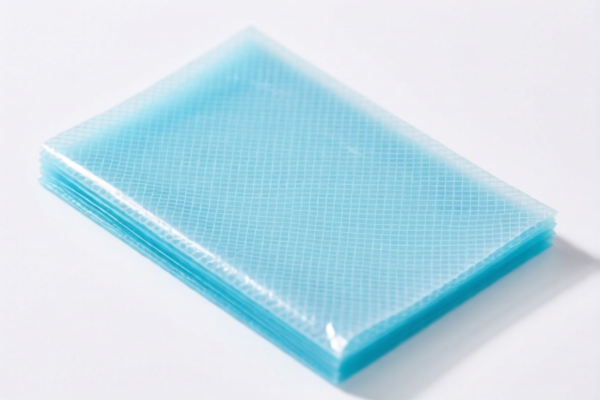
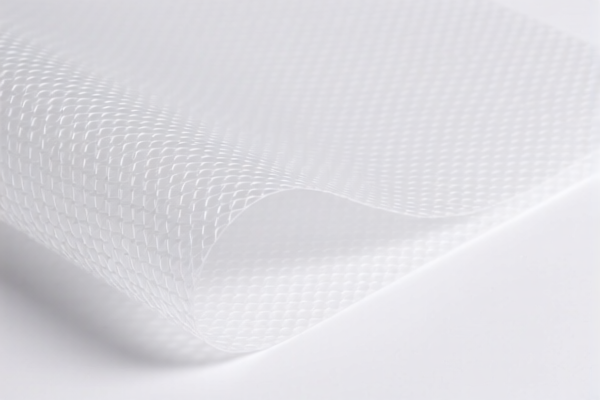
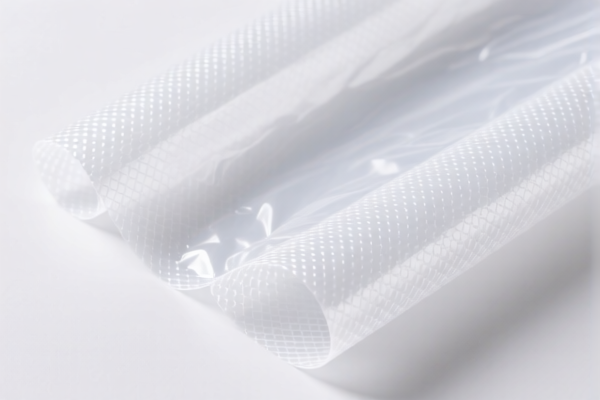
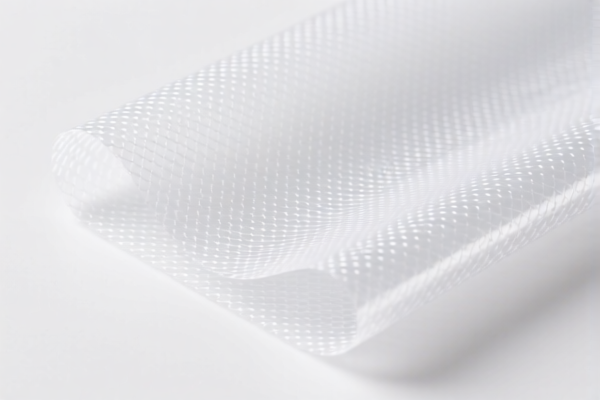
AI分析
🌬️ PP Microporous Membranes (Polypropylene Microporous Membranes)
🌐 HS Code Reference & Customs Clearance Guide | 2026 Latest Tariff Analysis | Professional Clearance Strategy
📌 I. Product Definition & Classification: Do You Really Understand "PP Membranes"?
Polypropylene (PP) microporous membranes are high-tech plastic materials characterized by a uniform pore structure, high filtration precision, and chemical resistance. They are widely used in medical, industrial, and laboratory filtration. In international trade, the classification depends heavily on the specific form, application, and structure of the product.
Two Main Categories: 1. Cellular/Microporous Sheets of PP/PE (Plastic Plates/Sheets): Classified under Chapter 39 (Plastics and Articles Thereof) as plastic plates/sheets. 2. Filtration/Separation Membranes (Articles): Classified under Chapter 39 as "Other articles," specifically those used for filtration or separation.
⚠️ Key Distinction Point:
- If the product is a generic microporous sheet/film of polyethylene or polypropylene (not specifically designed as a filtration article or described as such), it may fall under Cellular Plastics Plates/Sheets.
- If the product is explicitly described as a membrane used for filtration or separation (even if made of PP), it often falls under Other Articles of Plastics or specific subheadings for filtration materials.
- Crucial Note: The HS codes provided below are based on the specific descriptions in your data. Misclassification can lead to significant duty differences.
📦 II. HS Code Classification Details (Based on Provided Data)
| HS Code | Product Description | Key Characteristics | Applicability |
|---|---|---|---|
3921.19.00.10 |
Other plates, sheets, film, foil and strip, of plastics: Cellular: Of other plastics: Microporous sheets of polyethylene or polypropylene | Specifically identified as "Microporous sheets" made of PP or PE. Falls under "Cellular" plastics. | Generic microporous PP/PE sheets/films not specifically defined as "filtration articles" in a separate heading. |
3921.90.50.50 |
Other plates, sheets, film, foil and strip, of plastics: Other: Other: Other Other Other | A catch-all category for plastic plates/sheets not specified elsewhere. | General plastic sheets/films of PP/PE that do not meet the specific "microporous sheet" definition of 3921.19.00.10 or are not "articles" for filtration. |
3920.49 |
Other articles of polypropylene, including microporous membranes made from polypropylene, used for filtration or separation purposes. | Specifically mentions microporous membranes used for filtration/separation. | PP membranes explicitly marketed or used for filtration/separation. Note: Tax info unavailable in source data. |
3921.90 |
Other articles of plastics, not elsewhere specified, including microporous membranes used in industrial or laboratory filtration applications. | General category for plastic articles, including PP membranes for industrial/lab filtration. | Broader category for plastic membranes used in filtration, not covered by more specific headings. Note: Tax info unavailable in source data. |
🔍 Critical Analysis of Classification:
-3921.19.00.10vs.3921.90.50.50: The key difference is whether the product is explicitly described as a "Microporous sheet of polyethylene or polypropylene". If yes,3921.19.00.10is the most precise match. If it’s a general plastic sheet without the "microporous" specification in the description,3921.90.50.50may apply.
-3920.49vs.3921.90:3920typically refers to plates, sheets, film, foil, and strip, not cellular.3921refers to plates, sheets, film, foil, and strip, including cellular.
- ⚠️ Data Limitation: The tax information for3920.49and3921.90is marked as "Failed to retrieve tax information" in the source data. This is a significant risk. You cannot rely on these codes for precise duty calculation without verifying the current tariff schedule.
💰 III. 2026 Latest Tariff Rate Details (Based on Provided Data)
✅ Applicable Country: Not specified in data (Assume General Import, e.g., US/China based on typical duty structures).
✅ Origin: Not specified.
✅ Validity: Based on provided data snippet.
🎯 1. 3921.19.00.10 —— Microporous Sheets of Polyethylene or Polypropylene
| Item | Content |
|---|---|
| Basic Tariff | 0.0% |
| Additional Tariff | 0.0% |
| Total Tax Rate | 0.0% |
| Tax Detail | Basic Tariff: 0.0%, Additional Tariff: 0.0% |
| Risk Level | ✅ Low (Clear rate) |
| Note | This is a zero-duty code. If your product matches this description exactly, it is the most cost-effective option. |
🎯 2. 3921.90.50.50 —— Other Plastic Plates, Sheets, Film, Foil and Strip (Other)
| Item | Content |
|---|---|
| Basic Tariff | 4.8% |
| Additional Tariff | 25.0% |
| Total Tax Rate | 29.8% |
| Tax Detail | Basic Tariff: 4.8%, Additional Tariff: 25.0% |
| Risk Level | ⚠️ High (High additional tariff) |
| Note | This code incurs a 25% additional tariff. If your product can be classified under 3921.19.00.10, do not use this code. The difference is 29.8% vs. 0%. |
⚠️ 3. 3920.49 & 3921.90 —— Filtration/Separation Membranes
| Item | Content |
|---|---|
| Tax Status | Failed to retrieve tax information |
| Total Tax | Error |
| Risk Level | 🚨 Critical Risk |
| Note | DO NOT USE THESE CODES FOR CUSTOMS CLEARANCE WITHOUT VERIFICATION. The tax rates are unknown. Attempting to use these codes without knowing the tax rate will lead to customs delays, fines, or unexpected charges. You must consult the latest customs tariff database or a customs broker to determine the correct tax rate for these specific descriptions. |
🛠️ IV. Customs Clearance Practical Advice (Avoid Pitfalls)
✅ 1. Preparation Checklist (Essential Documents)
| Document | Required? | Purpose |
|---|---|---|
| ✅ Product Specification Sheet | ✔️ | Must clearly state: Material (PP/PE), Pore Size, Thickness, Structure (Cellular/Microporous), and Intended Use (e.g., "Filtration," "General Purpose"). |
| ✅ Product Photos | ✔️ | Show the product’s form (sheet, roll, membrane) and any labeling. |
| ✅ Material Safety Data Sheet (MSDS) | ✔️ | Confirm material composition (100% PP/PE). |
| ✅ Commercial Invoice | ✔️ | Must match the HS Code description exactly. Use the exact wording from the HS Code description if possible. |
| ✅ Packing List | ✔️ | Details packaging, weight, and dimensions. |
✅ 2. Declaration Tips (Crucial for Accuracy)
🔥 “Match Description, Avoid Ambiguity, Verify Tax Rates!”
| Scenario | Correct Declaration Strategy | Common Mistake |
|---|---|---|
| PP Microporous Sheet | Use 3921.19.00.10 if described as "Microporous sheets of polypropylene." |
Using 3921.90.50.50 → 29.8% Duty instead of 0%. |
| PP Membrane for Filtration | DO NOT use 3920.49 or 3921.90 without verifying tax rates. |
Assuming these codes are safe → Uncertain Duty. |
| General Plastic Sheet | Use 3921.90.50.50 if it doesn’t fit the "microporous sheet" definition. |
Over-specifying as "microporous" when it’s not → Potential misclassification. |
✅ 3. Special Handling
| Situation | Recommendation |
|---|---|
| Product is both a Sheet and a Membrane | If it’s a "microporous sheet of PP," prioritize 3921.19.00.10 (0% duty). |
| Uncertain Tax Rate for Filtration Membranes | Contact a Customs Broker to verify the current tax rate for 3920.49 or 3921.90 in your target country. |
| Origin Matters | If the product is from a country with a Free Trade Agreement (FTA), check if preferential rates apply. |
🌍 V. Global Market Clearance Comparison (Hypothetical based on Data)
| Country/Region | Recommended HS Code | Duty Rate (Based on Data) | Notes |
|---|---|---|---|
| 🇺🇸 USA (Assumed) | 3921.19.00.10 |
0% | Best option if product matches description. |
| 🇨🇳 China (Assumed) | 3921.90.50.50 |
29.8% | High duty if misclassified. |
| 🇪🇺 EU | N/A | N/A | EU uses different HS code structure (e.g., 3921.90). |
📌 Conclusion:
-3921.19.00.10is the most favorable code with a 0% duty rate.
-3921.90.50.50incurs a 29.8% duty due to the 25% additional tariff.
-3920.49and3921.90are high-risk due to missing tax information. Avoid using them for clearance without prior verification.
📌 VI. Common Mistakes & Pitfalls (Lessons Learned)
❌ Mistake 1: Using 3921.90.50.50 for a product that fits 3921.19.00.10.
👉 Consequence: Paying 29.8% duty instead of 0% → 29.8% unnecessary cost.
❌ Mistake 2: Using 3920.49 or 3921.90 without knowing the tax rate.
👉 Consequence: Customs delay, additional audits, or unexpected charges → Clearance failure.
❌ Mistake 3: Vague product description ("Plastic Membrane").
👉 Consequence: Customs may assign a different HS code with higher duty → Misclassification penalty.
✅ Correct Approach:
"Microporous Sheet, Polypropylene, 0.22um Pore Size, For General Use, 100% PP, Cellular Structure"
HS Code:3921.19.00.10
Duty: 0%
🎯 VII. Conclusion: Precision Classification, Cost Savings!
🎯 Remember the Rule:
🔹 "Microporous PP/PE Sheet? →
3921.19.00.10(0% Duty)."
🔹 "General Plastic Sheet? →3921.90.50.50(29.8% Duty)."
🔹 "Filtration Membrane? → VERIFY Tax Rate First!"
📌 Pro Tip:
If your product is a PP microporous membrane but you can describe it as a "Microporous sheet of polypropylene" and it meets the cellular/plastic sheet criteria, use 3921.19.00.10. This is the only zero-duty option in the provided data.
📣 Immediate Action:
📞 Contact a Customs Broker to confirm if your specific "PP Microporous Membrane" qualifies as a "Microporous sheet of polypropylene" under
3921.19.00.10.
🚀 Save 29.8% in Duties by choosing the correct HS Code!
✨ Professional Clearance Starts with Accurate Classification!
💼 Every Percent in Duty Matters!
用户评价
关于 HS 编码归类
协调制度(HS)是由世界海关组织(WCO)制定的国际贸易商品分类标准。全球 200 多个国家采用 HS 系统作为海关关税、贸易统计和进出口监管的基础。
每个 HS 编码遵循以下层级结构:
- 章(2 位)——商品大类(例如:第 84 章:机器和机械设备)
- 品目(4 位)——章内的更具体分类
- 子目(6 位)——国际通用细分,所有 WCO 成员国统一使用
- 本国细分(8-10 位)——各国自行扩展的细分编码,如美国 HTSUS 10 位编码
正确的 HS 编码归类对于顺利通关、准确缴纳关税和遵守贸易法规至关重要。错误归类可能导致海关延误、多缴关税或罚款。
从CN进口到US时,适用的关税税率可能包括:
- 最惠国(MFN)税率——适用于 WTO 成员国的标准关税税率
- 普通税率——适用于无贸易协定国家
- 贸易救济关税——附加关税,如 301 条款(反倾销)、232 条款(国家安全)或反补贴税
本页内容仅供参考。如需正式归类,请咨询当地海关或持牌报关代理。