PP Plastic Cartoon Pattern Packaging Film
CN → US| HS编码 | 关税税率 | 原产国 | 目的国 | 文档 |
|---|---|---|---|---|
| 3920200055 | 39.2% | CN | US | 官方文档 |
| 3920200020 | 39.2% | CN | US | 官方文档 |
| 3921190010 | 41.5% | CN | US | 官方文档 |
| 3921905050 | 39.8% | CN | US | 官方文档 |
| 3923290000 | 38.0% | CN | US | 官方文档 |
| 3923900080 | 38.0% | CN | US | 官方文档 |
商品图片
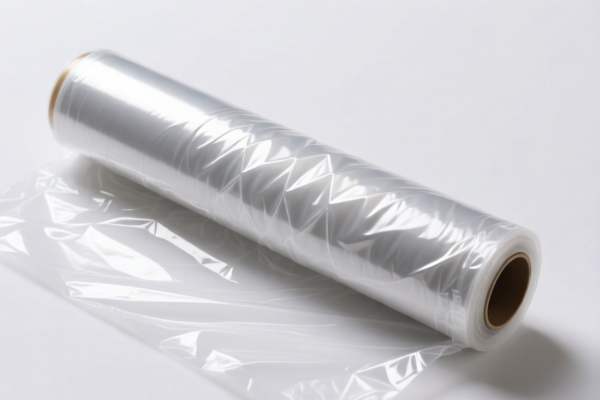
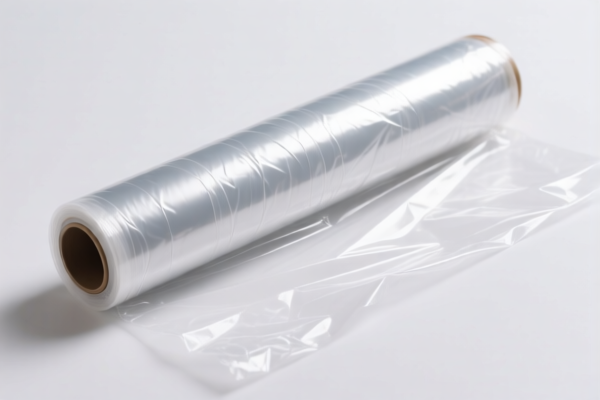
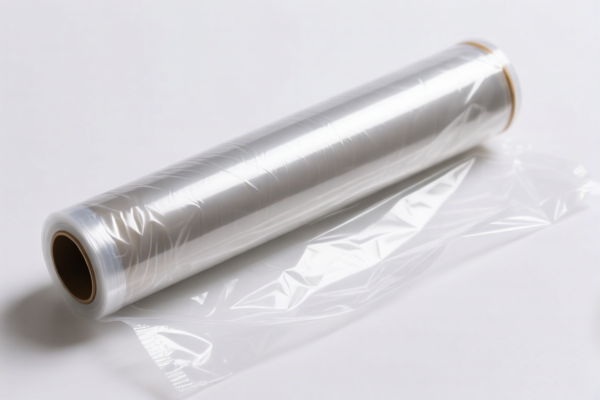
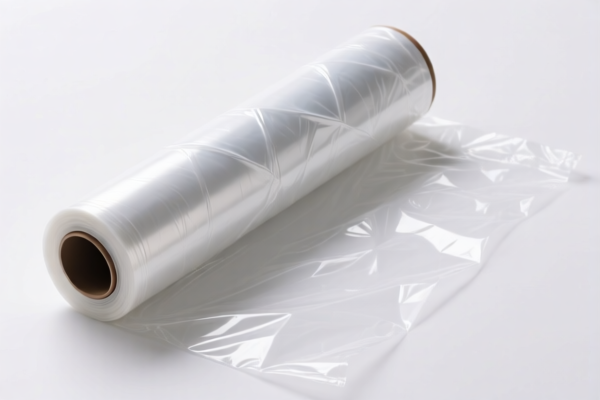
AI分析
🎨 PP Plastic Cartoon Pattern Packaging Film
🌐 HS Code Reference & Customs Clearance Guide | 2026 Latest Tariff Analysis | Professional-Level Entry Strategy
📌 I. Product Definition & Classification: Do You Really Understand "PP Film"?
PP (Polypropylene) Plastic Cartoon Pattern Packaging Film is a versatile packaging material widely used in food, consumer goods, and retail industries. It combines the durability of polypropylene with aesthetic appeal through printed cartoon patterns. In international trade, classification depends heavily on its form (film vs. sheet) and function (general packaging vs. specific container).
⚠️ Key Distinction Points:
- If it is a thin, flexible membrane primarily used for wrapping or sealing → Falls under Chapter 39 (Plastics and Articles Thereof), specifically 3920 or 3921. - If it is a completed packaging article (e.g., pre-formed bags, pouches) → Falls under 3923. - If it is a solid sheet/board rather than a film → Falls under 3921.
Given the description "Film," the primary classification lies between 3920.20 (Other plates, sheets, film, foil and strip, of polymers of propylene) and 3921.19 (Other plates, sheets, film, foil and strip, of plastics, laminated, with another material). However, the provided data highlights specific nuances regarding "packaging" vs. "material."
📦 II. HS Code Classification Details (2026 Latest Tariff Authority Comparison)
Based on the provided dataset, here are the potential HS Codes and their logical justification:
| HS Code | Product Description | Logical Justification from Data | Total Tax Rate |
|---|---|---|---|
3920.20.00.55 |
PP Material, Form: Film | Material is Polypropylene (PP); Form is Film. Reasonable classification under "Other" categories within 3920. | 39.2% |
3920.20.00.20 |
PP Material, Form: Thin Film | Material is PP; Form is "Thin Film" (Mimiao). Consistent with reference categories for PP films. | 39.2% |
3921.19.00.10 |
PP Material, Form: Film | Material is PP; Form is Film. Fits the definition of "Polypropylene Film" under 3921 (Other plastic plates/sheets/film). | 41.5% |
3921.90.50.50 |
PP Plastic, Form: Film | Material is PP plastic; Form is Film. Fits characteristics of "Plastic board, sheet, film, foil and strip." | 39.8% |
3923.29.00.00 |
PP Material, Form: Packaging Film | Material is PP plastic; Form is Packaging Film. Fits the category of "Plastic packing articles." | 38.0% |
3923.90.00.80 |
PP Material, Use: Packaging | Material is PP; Use is Packaging; Form is Film. Fits the category of "Other plastic packing articles." | 38.0% |
🔍 Critical Analysis:
- 3920 vs. 3921: Both cover PP films. 3920 is more specific to "Polymers of Propylene." 3921 is broader ("Other plastics"). The dataset shows 3920 codes are generally preferred for pure PP films (3920.20), while3921might apply if it's laminated or treated differently. - 3923 (Packaging Articles): If the film is pre-made into bags, pouches, or specific packaging shapes, 3923 is the correct chapter. If it is a roll of film intended to be used as packaging, it usually stays in 3920 or 3921. The dataset includes3923options, implying some interpretation allows for "Packaging Film" to be classified as a packing article if it has specific packaging characteristics.
💰 III. 2026 Latest Tariff Rate Breakdown (Including Surtaxes & Policy Add-ons)
✅ Applicable Country: United States (US)
✅ Country of Origin: China (CN)
✅ Effective Date: Post-2025 (Current Policy)
🎯 1. Standard PP Film Classifications (3920.20.00.55, 3920.20.00.20)
| Item | Details |
|---|---|
| Base Tariff | 4.2% (Ad Valorem) |
| Section 301 Surtax | +25.0% (Trade War Tariff) |
| Section 122 Tariff | +10.0% (Specific Section 122 Regulation) |
| Total Effective Rate | 39.2% |
| Tax Calculation | CIF Value × 39.2% |
| De Minimis Exemption | ❌ Not Eligible |
| Legal Basis Path | USITC:3920.20.00.20/55 → Section 301 → Section 122 |
📌 Explanation:
- The 4.2% is the standard Most Favored Nation (MFN) rate for PP films. - The 25% is the standard Section 301 tariff on Chinese plastics. - The 10% is a specific additional duty under Section 122. - Total: 39.2%. This is a high-cost classification for pure PP films.
🎯 2. Broader Plastic Film Classification (3921.19.00.10)
| Item | Details |
|---|---|
| Base Tariff | 6.5% |
| Section 301 Surtax | +25.0% |
| Section 122 Tariff | +10.0% |
| Total Effective Rate | 41.5% |
| Tax Calculation | CIF Value × 41.5% |
| De Minimis Exemption | ❌ Not Eligible |
📌 Note:
- This is the highest tax rate in the dataset. Avoid3921.19if3920.20is technically accurate, as it increases costs by 2.3 percentage points.
🎯 3. Packaging Articles Classification (3921.90.50.50, 3923.29.00.00, 3923.90.00.80)
| Item | Details |
|---|---|
| Base Tariff | 4.8% (for 3921.90) / 3.0% (for 3923) |
| Section 301 Surtax | +25.0% |
| Section 122 Tariff | +10.0% |
| Total Effective Rate | 39.8% (for 3921.90) / 38.0% (for 3923) |
| Tax Calculation | CIF Value × Rate |
| De Minimis Exemption | ❌ Not Eligible |
📌 Key Insight:
-3923(Packaging Articles) offers the lowest total tax rate at 38.0% (Base 3.0% + 25% + 10%). - Condition: This classification is only valid if the product is considered a "Packaging Article" (e.g., finished bags, pouches) rather than just a roll of raw film. If you are exporting rolls of printed PP film, customs may reject3923and demand3920, increasing your cost.
🛠️ IV. Customs Clearance Practical Advice (Real-World Pitfall Avoidance)
✅ 1. Documentation Checklist (Must-Have)
| Document | Required | Purpose |
|---|---|---|
| ✅ Product Specification Sheet | ✔️ | Must state: Material (PP), Form (Film/Roll), Thickness, Width, Use (Packaging). |
| ✅ Commercial Invoice | ✔️ | Clearly describe as "PP Plastic Packaging Film" or "Cartoon Printed PP Film Roll." Avoid vague terms like "Plastic Sheet." |
| ✅ Photos of Product | ✔️ | Show the pattern (cartoon), the roll structure, and any packaging details. |
| ✅ Declaration of Intent | ✔️ | If claiming 3923, provide proof it is a "Packaging Article" (e.g., finished bag specs). If 3920, state it is a "Raw Material Film." |
| ✅ Certificate of Origin | ✔️ | Proof of Chinese origin to apply correct surtaxes. |
✅ 2. Declaration Strategy (Key Tips)
🔥 "Clarify Form, Specify Use, Choose the Right Chapter!"
| Scenario | Recommended HS Code | Reason |
|---|---|---|
| Rolls of Printed PP Film (Raw Material) | 3920.20.00.20 or 3920.20.00.55 |
Pure PP film, fits Chapter 3920 specifically for Propylene polymers. Best balance of accuracy and cost. |
| Pre-Made PP Bags/Pouches (Finished Goods) | 3923.29.00.00 or 3923.90.00.80 |
These are "Packing Articles." Lower base tariff (3.0%) leads to 38.0% total. Lowest Cost if Eligible. |
| Laminated or Treated PP Film | 3921.19.00.10 |
If the film has a special coating or lamination, it may fall under 3921. Highest Cost (41.5%) – Avoid if possible. |
| Solid PP Sheets (Not Film) | 3921.90.50.50 |
If thickness exceeds film standards, it becomes "Plate/Sheet." Higher Cost (39.8%). |
⚠️ Critical Warning:
- Do NOT declare "Rolls of Film" as3923(Packaging Articles) unless they are specifically designed as finished packaging items (e.g., self-adhesive bags). Customs will likely reclassify them to3920, leading to back taxes and penalties. - Pattern/Printing: The "Cartoon Pattern" is a decorative feature and does not change the HS Code classification. It is considered a secondary characteristic of the plastic film.
✅ 3. Special Handling for "Cartoon Pattern"
| Situation | Advice |
|---|---|
| Intellectual Property | Ensure the cartoon pattern is licensed or original. Customs may check for IP violations if the pattern is a famous character. |
| Food Contact | If used for food packaging, provide FDA/LFGB compliance certificates. While not affecting HS Code, it affects market access. |
| Thickness Definition | "Film" is generally < 0.1mm. If thicker, it may be "Sheet" (3921), increasing tax. Verify thickness! |
🌍 V. Global Market Comparison (2026 Overview)
| Market | Recommended HS Code | Estimated Total Tax (China Origin) | Notes |
|---|---|---|---|
| 🇺🇸 USA | 3920.20.00.20 / 3923.29.00.00 |
39.2% (Film) / 38.0% (Article) | High Section 301 + Section 122 taxes. Cost-sensitive. |
| 🇪🇺 EU | 3920.20 / 3923.29 |
~10-12% | No Section 301. Standard MFN rates apply. Much cheaper. |
| 🇨🇳 China | 3920.20 / 3923.29 |
~4-6% | Low Base Tariff. No Surtaxes. Domestic Market Favorable. |
| 🇯🇵 Japan | 3920.20 / 3923.29 |
~5-8% | No Surtaxes. Standard MFN. |
📌 Conclusion:
- The US market is the most expensive due to multiple surtaxes.
- Optimize by:
1. Using3923if the product is a finished packaging article (Lowest Rate: 38.0%).
2. Using3920.20if it is raw film (Standard Rate: 39.2%).
3. Avoiding3921unless technically necessary (Highest Rate: 41.5%).
📌 VI. Common Mistakes & Pitfalls (Lessons Learned)
❌ Mistake 1: Declaring "PP Film" as 3921 when it is pure PP (3920).
👉 Consequence: Tax increases from 39.2% to 41.5% unnecessarily.
❌ Mistake 2: Declaring "Rolls of Film" as 3923 (Packaging Articles).
👉 Consequence: Customs rejects the declaration, reclassifies to 3920, and imposes penalties/delays.
❌ Mistake 3: Ignoring "Section 122" Tariff.
👉 Consequence: Underpaying tax by 10%. Customs audit will demand back payment + interest.
❌ Mistake 4: Vague Description "Plastic Sheet."
👉 Consequence: Customs may classify it as "Plate/Sheet" (3921 or 3921.90), leading to higher duties or inspection delays.
✅ Correct Declaration Example:
"Polypropylene (PP) Film, Printed with Cartoon Pattern, Roll Form, Used for Food Packaging, Thickness 0.05mm"
HS Code:3920.20.00.20(if raw film) or3923.29.00.00(if finished bag).
🎯 VII. Conclusion: Professional Declaration for Cost Efficiency
🎯 Remember the Rules:
🔹 "Raw Film → 3920 (39.2%)"; "Finished Bag → 3923 (38.0%)"; "Laminated/Sheet → 3921 (41.5%)"
🔹 "Cartoon Pattern" is just decoration – it doesn't change the code!
🔹 "Section 301 + 122" adds 35% to your cost – Plan accordingly!
📌 Pro Tip:
If you are exporting large volumes to the US, consider Advance Ruling (Pre-Decision) from CBP. This legally binds the customs service to accept your HS Code, avoiding future disputes and back taxes.
📣 Immediate Action:
📞 Contact Your Customs Broker: Provide product photos and specs.
📄 Verify "Film" vs. "Article": Is it a roll or a bag?
💡 Choose the Lowest Legal Code: Aim for3923if possible, else3920.
✨ Professional Clearance Starts with Accurate Classification!
💼 Every Percent of Tariff Matters – Save Your Profit!
用户评价
关于 HS 编码归类
协调制度(HS)是由世界海关组织(WCO)制定的国际贸易商品分类标准。全球 200 多个国家采用 HS 系统作为海关关税、贸易统计和进出口监管的基础。
每个 HS 编码遵循以下层级结构:
- 章(2 位)——商品大类(例如:第 84 章:机器和机械设备)
- 品目(4 位)——章内的更具体分类
- 子目(6 位)——国际通用细分,所有 WCO 成员国统一使用
- 本国细分(8-10 位)——各国自行扩展的细分编码,如美国 HTSUS 10 位编码
正确的 HS 编码归类对于顺利通关、准确缴纳关税和遵守贸易法规至关重要。错误归类可能导致海关延误、多缴关税或罚款。
从CN进口到US时,适用的关税税率可能包括:
- 最惠国(MFN)税率——适用于 WTO 成员国的标准关税税率
- 普通税率——适用于无贸易协定国家
- 贸易救济关税——附加关税,如 301 条款(反倾销)、232 条款(国家安全)或反补贴税
本页内容仅供参考。如需正式归类,请咨询当地海关或持牌报关代理。