PS Plastic Anti corrosion Board
CN → US| HS编码 | 关税税率 | 原产国 | 目的国 | 文档 |
|---|---|---|---|---|
| 3921110000 | 40.3% | CN | US | 官方文档 |
| 3921190090 | 41.5% | CN | US | 官方文档 |
| 3920300000 | 40.8% | CN | US | 官方文档 |
| 3921190010 | 41.5% | CN | US | 官方文档 |
| 3921190090 | 41.5% | CN | US | 官方文档 |
商品图片
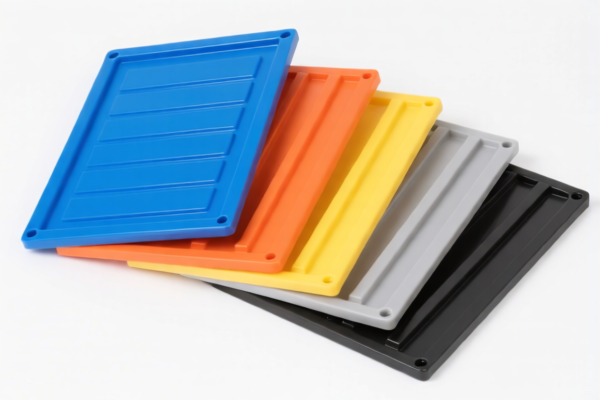
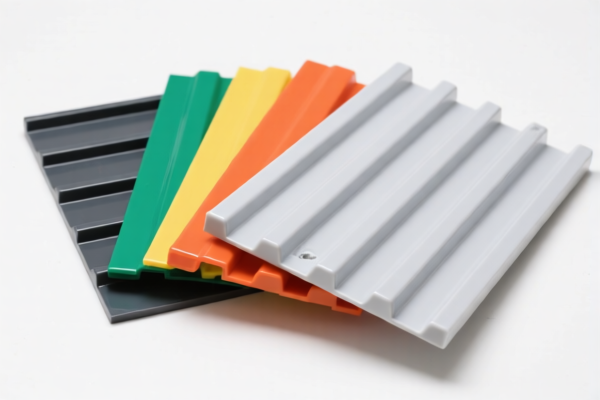
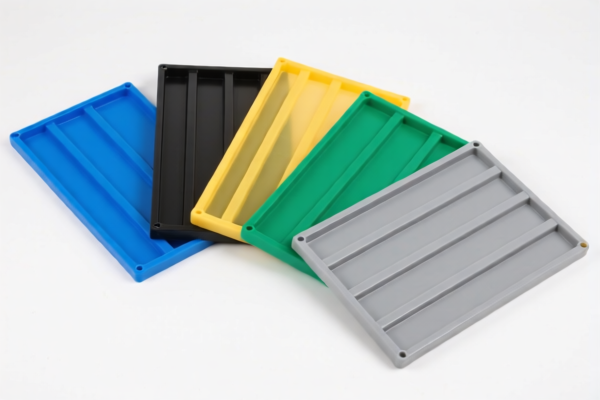
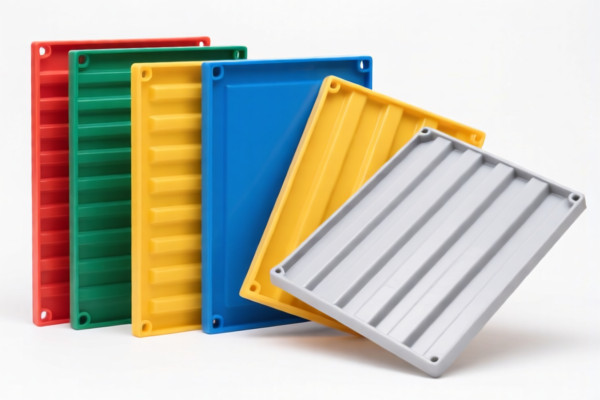
AI分析
🛡️ PS Plastic Anti-Corrosion Board (Poly Styrene & Polyethylene Resin Boards)
🌐 HS Code Reference & Customs Clearance Guide | 2026 Tariff Full Analysis | Professional Clearance Strategy for China-US Trade
📌 I. Product Definition & Classification: What is a "PS Plastic Board"?
PS Plastic Anti-Corrosion Boards are rigid, flat plastic sheets used primarily in industrial chemical environments, laboratory countertops, and construction due to their resistance to corrosion, acids, and alkalis. In international trade, these boards fall under Chapter 39 (Plastics and Articles Thereof).
The classification depends strictly on two factors: 1. Material Composition: Is it Polystyrene (PS) or Polyethylene (PE)? 2. Structural Definition: Is it a "Other Plate, Sheet, Film, Foil, and Strip" (Heading 3921) or does it fit specific sub-categories like "Non-foamed" or "Unreinforced"?
⚠️ Key Distinction Point:
- Polystyrene (PS): Typically harder, more brittle, and used for general chemical resistance. Often falls under 3921.11 or 3921.19.
- Polyethylene (PE): More flexible, higher chemical resistance. Falls under 3921.19 (Other plastics).
- Flame Retardant vs. Standard: While "Flame Retardant" is a feature, the material dictates the HS code in Chapter 39 unless a specific chemical resistance subheading exists (which is rare in the 10-digit US HTS).
📦 II. HS Code Classification Details (2026 Latest Tariff Reference)
Based on the provided data, here are the four applicable HS Codes for PS Plastic Anti-Corrosion Boards:
| HS Code | Product Description | Material | Form/Structure | Tax Detail (China Origin) |
|---|---|---|---|---|
3921.11.00.00 |
PS Plastic Flame Retardant Board | Polystyrene (PS) | Plate/Sheet | 40.3% (Base 5.3% + Add. 25% + 122 Clause 10%) |
3921.19.00.90 |
Other Plastic Plates/Sheets | PS or PE | Plate/Sheet | 41.5% (Base 6.5% + Add. 25% + 122 Clause 10%) |
3920.30.00.00 |
PS Plastic Board (Non-foamed/Unreinforced) | Polystyrene (PS) | Plate/Sheet | 40.8% (Base 5.8% + Add. 25% + 122 Clause 10%) |
3921.19.00.10 |
PE Plastic Anti-Corrosion Board | Polyethylene (PE) | Plate/Sheet | 41.5% (Base 6.5% + Add. 25% + 122 Clause 10%) |
🔍 Critical Note on Heading 3920 vs. 3921:
-3920.30.00.00: Specifically targets Polystyrene plates that are not foamed and not reinforced. This is a narrower, more specific category.
-3921.19.00.x0: A broader "Other plates, sheets..." category. Used when the product doesn't fit the specific "Non-foamed/Unreinforced" definition of 3920, or when material mix includes PE.
-3921.11.00.00: Specifically calls out Polystyrene plates. If your PS board fits the specific definition for 3921.11, it applies. If not, it falls back to 3921.19.
💰 III. 2026 Tariff Rate Breakdown (Detailed Tax Structure)
✅ Applicable Country: United States (US)
✅ Country of Origin: China (CN)
✅ Effective Date: Current rates include Section 301, Section 122, and Base Rates.
🎯 1. 3921.11.00.00 – PS Plastic Flame Retardant Board
| Item | Content |
|---|---|
| Base Duty Rate | 5.3% (Standard MFN Rate) |
| Section 301 Duty | +25.0% (Retaliatory tariffs on Chinese goods) |
| Section 122 Duty | +10.0% (Specific clause for certain plastic/polystyrene products) |
| Total Duty Rate | 40.3% |
| Tax Calculation | CIF Value × 40.3% |
| De Minimis Eligibility | ❌ NO (Section 301 goods are excluded from $800 de minimis) |
| Legal Basis | USITC 3921.11.00.00 → Section 301 List → Section 122 |
📌 Explanation:
- This is the lowest tax rate among the options because the base rate (5.3%) is lower than others.
- However, it is only applicable if the board is strictly Polystyrene (PS) and meets the specific criteria for this heading (often related to flame retardancy or specific physical properties).
🎯 2. 3920.30.00.00 – PS Plastic Board (Non-foamed/Unreinforced)
| Item | Content |
|---|---|
| Base Duty Rate | 5.8% (Standard MFN Rate) |
| Section 301 Duty | +25.0% |
| Section 122 Duty | +10.0% |
| Total Duty Rate | 40.8% |
| Tax Calculation | CIF Value × 40.8% |
| De Minimis Eligibility | ❌ NO |
| Legal Basis | USITC 3920.30.00.00 → Section 301 List → Section 122 |
📌 Explanation:
- Slightly higher than 3921.11 due to the higher base rate (5.8% vs 5.3%).
- Use this if the board is pure PS, non-foamed, and unreinforced, but does not qualify for the specific "Flame Retardant" classification of 3921.11.
🎯 3. 3921.19.00.10 & 3921.19.00.90 – Other Plastic Plates (PE or PS)
| Item | Content |
|---|---|
| Base Duty Rate | 6.5% (Standard MFN Rate) |
| Section 301 Duty | +25.0% |
| Section 122 Duty | +10.0% |
| Total Duty Rate | 41.5% |
| Tax Calculation | CIF Value × 41.5% |
| De Minimis Eligibility | ❌ NO |
| Legal Basis | USITC 3921.19.00.xx → Section 301 List → Section 122 |
📌 Explanation:
- Highest Tax Rate (41.5%).
- Applies to Polyethylene (PE) boards (3921.19.00.10) or PS/PE boards that fall into the "Other" category (3921.19.00.90).
-3921.19.00.10is specifically for PE anti-corrosion boards.
-3921.19.00.90is a catch-all for other plastic plates, including PS if it doesn't fit 3921.11 or 3920.30.
🛠️ IV. Customs Clearance Practical Advice (Pitfall Avoidance Guide)
✅ 1. Required Documentation Checklist
| Document | Required? | Notes |
|---|---|---|
| ✅ Product Specification Sheet | ✔️ | Must clearly state: Material (PS/PE), Density, Flame Retardancy Status, Thickness, Width/Length. |
| ✅ Material Safety Data Sheet (MSDS) | ✔️ | Proves chemical composition and anti-corrosion properties. |
| ✅ Commercial Invoice | ✔️ | Must accurately describe product as "Plastic Plate, Sheet..." not generic "Board". |
| ✅ Packing List | ✔️ | Weight and dimensions per pallet. |
| ✅ Certificate of Origin (CO) | ✔️ | To prove China origin (critical for tariff calculation). |
| ✅ Third-Party Test Report | ✔️ | If claiming "Flame Retardant" or specific chemical resistance, a test report helps justify 3921.11 or 3921.19.00.10. |
✅ 2. Classification Strategy (Key Tips)
🔥 "Material First, Form Second, Tax Optimization!"
| Scenario | Recommended HS Code | Reason |
|---|---|---|
| Pure PS, Non-foamed, Unreinforced | 3920.30.00.00 |
Specific subheading for PS plates; lower base rate (5.8%). |
| Pure PS, Flame Retardant | 3921.11.00.00 |
Most specific if flame retardancy is a key feature; lowest base rate (5.3%). |
| Pure PE, Anti-Corrosion | 3921.19.00.10 |
Specific for PE plates; higher base rate (6.5%) but accurate. |
| Mixed PS/PE or Unclear Material | 3921.19.00.90 |
"Other" category; highest risk if material is misdeclared. |
⚠️ Warning:
- Do not simply label as "Plastic Board" without specifying material. Customs will default to the highest duty rate or request clarification.
- Flame Retardant claim must be supported by test reports. False claims can lead to fraud penalties.
✅ 3. Special Cases & Mitigation
| Situation | Recommendation |
|---|---|
| Importing Small Quantities (<$800) | ❌ De Minimis Exemption DOES NOT APPLY due to Section 301 tariffs. All duties apply. |
| Multi-Product Container | Separate PS and PE boards into different commercial invoices if possible to allow precise classification. |
| Customs Audit Risk | Keep sample products and test reports readily available. Customs may seize shipments for laboratory analysis to confirm PS vs. PE vs. PP. |
🌍 V. Global Market Comparison (2026)
| Country | HS Code | Base Rate | Section 301/Extra | Total Rate | Notes |
|---|---|---|---|---|---|
| 🇺🇸 USA | 3921.11.00.00 / 3921.19.00.90 |
5.3% - 6.5% | +35% (301+122) | 40.3% - 41.5% | High Tariff Risk |
| 🇨🇳 China | 3921.11 / 3921.19 | 5% - 7% | 0% | 5% - 7% | Low duty, but imports to US face high tariffs |
| 🇪🇺 EU | 3921.11 / 3921.19 | 3.7% - 6.5% | 0% | 3.7% - 6.5% | No US-style Section 301 tariffs |
| 🇯🇵 Japan | 3921.11 / 3921.19 | 3% - 5% | 0% | 3% - 5% | Low duty, stable market |
📌 Conclusion:
- The USA imposes significant additional tariffs (301 + 122) on Chinese plastic boards.
- Cost Impact: A $10,000 shipment could incur $4,030–$4,150 in duties alone.
- Strategy: Consider price negotiation with suppliers to absorb some duty, or explore supply chain diversification (e.g., sourcing from Vietnam/Thailand if feasible) to avoid US-China tariffs.
📌 VI. Common Mistakes & Pitfalls (Lessons Learned)
❌ Mistake 1: Declaring "Plastic Board" without specifying PS vs. PE.
👉 Consequence: Customs may classify as 3921.19.00.90 (41.5%) by default, or hold shipment for inspection.
❌ Mistake 2: Ignoring Section 122 tariffs.
👉 Consequence: Under-declaring duty by 10%. Leads to penalties and back taxes.
❌ Mistake 3: Assuming De Minimis ($800) applies.
👉 Consequence: Shipment held at border, duties collected, and potential de minimis abuse flag.
❌ Mistake 4: Failing to provide Test Reports for Flame Retardant claims.
👉 Consequence: Misclassification risk; if proven false, face fraud allegations.
✅ Correct Action:
"Polystyrene (PS) Plastic Flame Retardant Plate, Non-Foamed, 10mm Thickness, Certified UL94 V-0, Model XYZ, For Chemical Laboratory Use"
🎯 VII. Conclusion: Professional Classification for Cost Savings
🎯 Key Takeaways:
🔹 Material Matters: PS vs. PE determines HS Code.
🔹 Tax Impact: Total duties range from 40.3% to 41.5% for China-origin goods.
🔹 Documentation is Key: MSDS and Test Reports prevent delays.
🔹 No De Minimis: Small shipments are not exempt.
📌 Pro Tip:
If your PS board is non-flame retardant and non-foamed, use 3920.30.00.00 (40.8%) as it may be easier to justify than 3921.11 if you lack specific flame retardancy certifications.
If you are importing PE boards, use 3921.19.00.10 (41.5%).
📣 Immediate Action Plan:
📞 Pre-Arrival:
1. Confirm Material Composition (PS or PE).
2. Obtain MSDS and Test Reports (for flame retardancy).
3. Choose the most accurate HS Code from the list above.
4. Prepare Commercial Invoice with precise descriptions.🚀 Goal: Accurate Classification, Smooth Clearance, Cost Control!
✨ Precision in Classification, Profit in Logistics!
💼 Every Dollar Saved on Duty is Pure Profit!
用户评价
关于 HS 编码归类
协调制度(HS)是由世界海关组织(WCO)制定的国际贸易商品分类标准。全球 200 多个国家采用 HS 系统作为海关关税、贸易统计和进出口监管的基础。
每个 HS 编码遵循以下层级结构:
- 章(2 位)——商品大类(例如:第 84 章:机器和机械设备)
- 品目(4 位)——章内的更具体分类
- 子目(6 位)——国际通用细分,所有 WCO 成员国统一使用
- 本国细分(8-10 位)——各国自行扩展的细分编码,如美国 HTSUS 10 位编码
正确的 HS 编码归类对于顺利通关、准确缴纳关税和遵守贸易法规至关重要。错误归类可能导致海关延误、多缴关税或罚款。
从CN进口到US时,适用的关税税率可能包括:
- 最惠国(MFN)税率——适用于 WTO 成员国的标准关税税率
- 普通税率——适用于无贸易协定国家
- 贸易救济关税——附加关税,如 301 条款(反倾销)、232 条款(国家安全)或反补贴税
本页内容仅供参考。如需正式归类,请咨询当地海关或持牌报关代理。