PS Plastic Corner Waste
CN → US| HS编码 | 关税税率 | 原产国 | 目的国 | 文档 |
|---|---|---|---|---|
| 3915200000 | 35.0% | CN | US | 官方文档 |
| 3915900090 | 35.0% | CN | US | 官方文档 |
商品图片
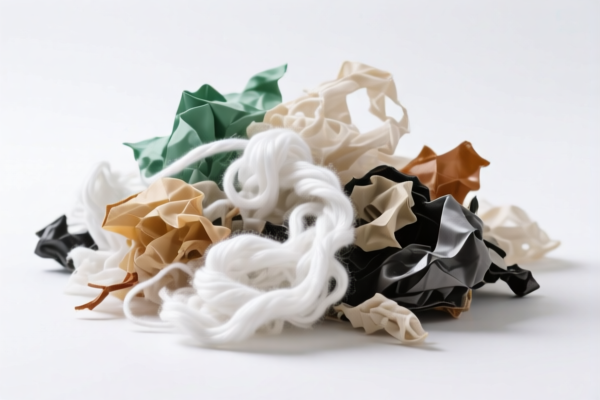
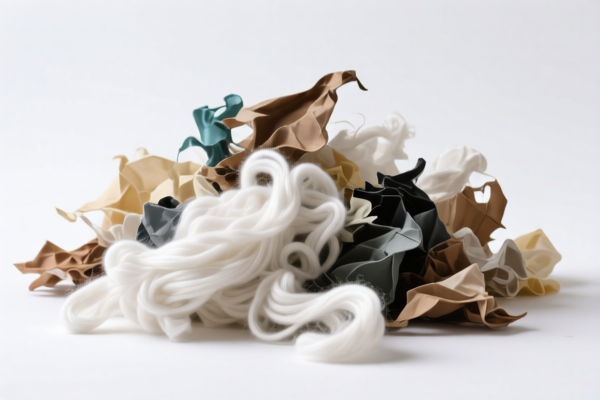

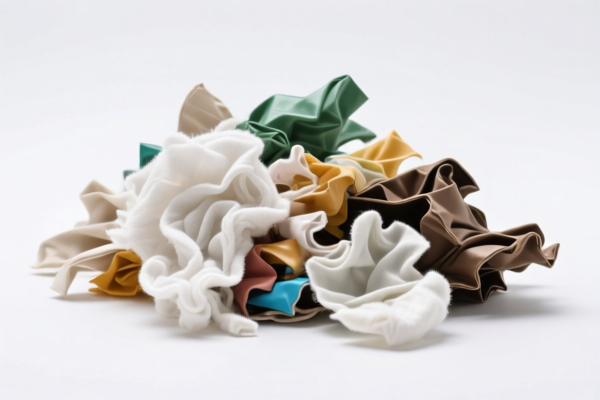
AI分析
📦 PS Plastic Corner Waste (Polystyrene Scrap)
🌐 HS Code Reference & Customs Clearance Guide | 2026 Latest Tariff Analysis | Professional Compliance Strategy
📌 I. Product Definition & Classification: What Exactly is "PS Plastic Corner Waste"?
In the context of international trade, "PS Plastic Corner Waste" refers to post-industrial or post-consumer waste and scrap derived specifically from Polystyrene (PS) plastics. These are typically: * Edgings, cut-offs, and trimmings from PS manufacturing (e.g., expanded polystyrene/foam packaging, rigid PS sheets). * "Parings and scrap" resulting from machining or cutting PS products.
⚠️ Key Classification Distinction: * If it is Pure Polystyrene (PS): It falls under HS Code 3915.20.00.00. * If it is Mixed/Other Plastics (Not PS): It falls under HS Code 3915.90.00.90.
Crucial Note for Importers:
Since the product name specifies "PS" (Polystyrene), the primary and most accurate classification is 3915.20.00.00. However, customs authorities may scrutinize 3915.90.00.90 if the material cannot be proven to be 100% PS or if it is a mixed plastic scrap. Do not mix PS waste with other plastic types in the same shipment, as this could trigger reclassification to the "Other Plastics" category, potentially complicating the declaration despite the similar tax rate in this specific dataset.
📦 II. HS Code Classification Details (2026 Latest Tariff Authority对照)
| HS Code | Product Description | Applicability | Tax Rate (China Origin to US) |
|---|---|---|---|
3915.20.00.00 |
Waste, parings and scrap, of plastics: Of polymers of styrene | Pure PS waste, foam scrap, PS trimmings | 25.0% |
3915.90.00.90 |
Waste, parings and scrap, of plastics: Of other plastics Other | Mixed plastic waste, non-PS plastic scrap (e.g., PE, PP, PVC) | 25.0% |
🔍 重点提醒 (Key Reminder):
- Although both codes carry the same total tax rate of 25.0% in this specific dataset, correct classification is legally mandatory.
- Misclassifying PS waste as "Other Plastics" (3915.90) may lead to discrepancies in inventory tracking, environmental compliance reporting, and potential audits.
- Always declare PS waste as3915.20.00.00unless there is concrete evidence that the material is not polystyrene.
💰 III. 2026 Latest Tariff Rate Breakdown (Including Surcharges)
✅ Applicable Country: United States (US)
✅ Origin: China (CN)
✅ Effective Time: Current rates apply (Subject to Trade Policy Updates)
🎯 1. 3915.20.00.00 —— Waste, parings and scrap, of plastics: Of polymers of styrene
| Item | Content |
|---|---|
| Base Tariff | 0.0% (ad valorem) |
| Section 301 Surcharge (Additional Tariff) | +25.0% |
| Total Tax Rate | 25.0% |
| Tax Calculation | CIF Value × 25% |
| De Minimis Exemption Eligibility | ❌ Not Applicable (Section 301 duties generally apply regardless of value for most cargo) |
| Legal Basis Path | HTSUS: 3915.20.00.00 → USITC: Section 301 → Total Duty: 25.0% |
📌 Explanation:
- The 0% base tariff reflects the low duty for plastic waste imports.
- The 25% additional tariff is imposed under Section 301 of the Trade Act of 1974 on certain Chinese imports, including plastic waste and scrap.
- Total Liability: 25% of the CIF (Cost, Insurance, and Freight) value.
- Cost Impact: High volume shipments will incur significant duty costs. Plan your pricing strategy accordingly.
🎯 2. 3915.90.00.90 —— Waste, parings and scrap, of plastics: Of other plastics Other
| Item | Content |
|---|---|
| Base Tariff | 0.0% (ad valorem) |
| Section 301 Surcharge (Additional Tariff) | +25.0% |
| Total Tax Rate | 25.0% |
| Tax Calculation | CIF Value × 25% |
| De Minimis Exemption Eligibility | ❌ Not Applicable |
| Legal Basis Path | HTSUS: 3915.90.00.90 → USITC: Section 301 → Total Duty: 25.0% |
📌 Note:
- While the tax rate is identical to PS waste in this dataset, customs requires precise material identification.
- If you import mixed plastic waste, ensure it is clearly labeled as "Non-Styrene Plastic Scrap" to avoid confusion with PS-specific regulations.
- Environmental Compliance: Plastic waste imports are subject to EPA (Environmental Protection Agency) regulations. Ensure the waste is clean, dry, and free from hazardous contaminants.
🛠️ IV. Customs Clearance Practical Advice (Real-World Pitfall Avoidance)
✅ 1. Documentation Checklist (Mandatory)
| Document | Required | Explanation |
|---|---|---|
| ✅ Commercial Invoice | ✔️ | Must clearly state "PS Plastic Waste" or "Polystyrene Scrap" and specify HS Code. |
| ✅ Packing List | ✔️ | Detail weight, volume, and packaging type (bales, bags). |
| ✅ Certificate of Origin | ✔️ | Proof of China origin triggers Section 301 duties. |
| ✅ Material Safety Data Sheet (MSDS) | ✔️ | Proves material is non-hazardous and pure PS (if claiming 3915.20). |
| ✅ Phytosanitary Certificate | ✔️ | May be required if waste contains organic contaminants. |
| ✅ Bill of Lading/Air Waybill | ✔️ | Standard shipping document. |
✅ 2. Declaration Tips (Key Mantra)
🔥 “Pure PS goes to 3915.20; Mixed/Other goes to 3915.90. Both 25%. Don’t Mix!”
| Scenario | Correct Declaration | Error to Avoid |
|---|---|---|
| Pure PS Foam Waste | HS Code: 3915.20.00.00Description: "Polystyrene Waste" |
Misclassifying as "Plastic Waste" generally → Potential audit. |
| Mixed Plastic Scrap | HS Code: 3915.90.00.90Description: "Mixed Plastic Scrap" |
Calling mixed scrap "PS" → Fraud/Penalty risk. |
| Clean PS Parings | HS Code: 3915.20.00.00 |
Including contaminants (food, metal) → EPA rejection. |
✅ 3. Special Considerations
| Situation | Handling Advice |
|---|---|
| Contaminated Waste | If PS waste contains food residue or hazardous materials, it may be classified under Chapter 38 (Miscellaneous Chemical Products) or rejected entirely by EPA. Ensure waste is clean and dry. |
| Recycled vs. Virgin | Customs does not differentiate tax rates between recycled and virgin plastic waste in this tariff line, but recycled content may affect ESG reporting. |
| Packaging | Ensure waste is tightly baled or bagged to prevent leakage. Loose waste may be deemed "unfit for transport" and refused entry. |
| Section 301 Exclusions | Check if your specific product type was ever excluded from Section 301 duties. Most plastic scrap is not excluded. |
🌍 V. Global Market Customs Comparison (2026 Latest)
| Country/Region | Recommended HS Code | Tariff (China Origin) | Certification | Notes |
|---|---|---|---|---|
| 🇺🇸 USA | 3915.20.00.00 (PS)3915.90.00.90 (Other) |
25% (Section 301) | EPA Compliance | High duty burden. Strict waste import regulations. |
| 🇨🇳 China | 3915.20 / 3915.90 | 0% | N/A | China has restricted plastic waste imports. Ensure you are importing into countries importing Chinese waste. |
| 🇪🇺 EU | 3915.20 / 3915.90 | 0% - 6% (varies) | REACH, WEEE | Strict environmental standards. High recycling fees may apply. |
| 🇬🇧 UK | 3915.20 / 3915.90 | 0% - 6% | UK REACH | Post-Brexit rules apply. Check for specific plastic waste bans. |
| 🇯🇵 Japan | 3915.20 / 3915.90 | 0% - 5% | JIS Standards | Strict purity requirements for recycling. |
📌 Conclusion:
- The US imposes a significant 25% duty on PS plastic waste from China.
- Environmental regulations are strict globally. Ensure waste is clean, dry, and properly documented.
- Accurate HS Code classification is critical to avoid penalties, even if tax rates are similar.
📌 VI. Common Mistakes & Pitfall Guide (Lessons Learned)
❌ Mistake 1: Mixing PS waste with other plastics and declaring it all as PS
👉 Consequence: Customs may reclassify as "Other Plastics" (3915.90) or deny entry due to misdeclaration.
✅ Solution: Segregate waste by material type at the source.
❌ Mistake 2: Not providing MSDS or proof of non-hazardous nature
👉 Consequence: EPA holds cargo at port, leading to storage fees or return shipment.
✅ Solution: Include MSDS and test reports proving no hazardous contaminants.
❌ Mistake 3: Ignoring Section 301 Surcharge
👉 Consequence: Underpayment of duties by 25%, resulting in back taxes and fines.
✅ Solution: Factor in 25% duty in your cost calculations.
✅ Correct Declaration Example:
"PS Plastic Waste, Polystyrene Scrap, Clean and Dry, Baled, HS Code 3915.20.00.00, Origin: China, Section 301 Applicable"
🎯 VII. Conclusion: Precise Declaration, Smooth Clearance, Cost Control!
🎯 Remember the Mantra:
🔹 "PS is 3915.20, Other is 3915.90. Both 25%. Keep it Pure!"
🔹 "Clean Waste, Clear Documentation, Avoid EPA Rejection!"
📌 Pro Tip:
If you are importing large volumes of PS plastic waste, consider applying for a Section 301 Exclusion (if applicable) or explore bonded warehouses for deferring duty payments.
Consult with a licensed customs broker to verify the latest EPA and CBP requirements.
📣 Immediate Action:
📞 Contact a Customs Broker + Provide MSDS + Verify HS Code
🚀 Ensure compliance, avoid delays, and protect your profit margins!
✨ Professional Clearance Starts with Accurate Classification!
💼 Every Dollar Saved is a Dollar Earned!
用户评价
关于 HS 编码归类
协调制度(HS)是由世界海关组织(WCO)制定的国际贸易商品分类标准。全球 200 多个国家采用 HS 系统作为海关关税、贸易统计和进出口监管的基础。
每个 HS 编码遵循以下层级结构:
- 章(2 位)——商品大类(例如:第 84 章:机器和机械设备)
- 品目(4 位)——章内的更具体分类
- 子目(6 位)——国际通用细分,所有 WCO 成员国统一使用
- 本国细分(8-10 位)——各国自行扩展的细分编码,如美国 HTSUS 10 位编码
正确的 HS 编码归类对于顺利通关、准确缴纳关税和遵守贸易法规至关重要。错误归类可能导致海关延误、多缴关税或罚款。
从CN进口到US时,适用的关税税率可能包括:
- 最惠国(MFN)税率——适用于 WTO 成员国的标准关税税率
- 普通税率——适用于无贸易协定国家
- 贸易救济关税——附加关税,如 301 条款(反倾销)、232 条款(国家安全)或反补贴税
本页内容仅供参考。如需正式归类,请咨询当地海关或持牌报关代理。