PS Plastic Recycling Granules
CN → US| HS编码 | 关税税率 | 原产国 | 目的国 | 文档 |
|---|---|---|---|---|
| 3903110000 | 41.5% | CN | US | 官方文档 |
| 3903190000 | 41.5% | CN | US | 官方文档 |
| 3915900090 | 35.0% | CN | US | 官方文档 |
| 3915200000 | 35.0% | CN | US | 官方文档 |
| 3923290000 | 38.0% | CN | US | 官方文档 |
商品图片
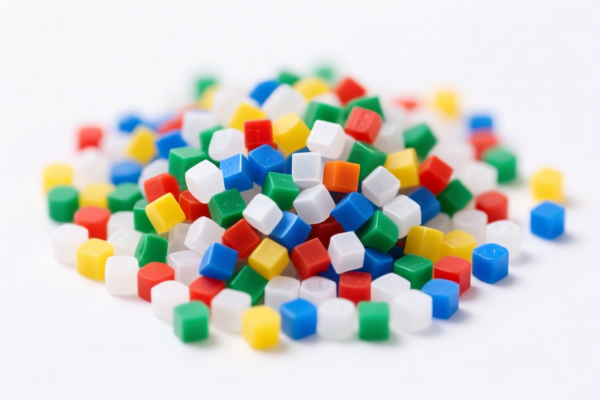
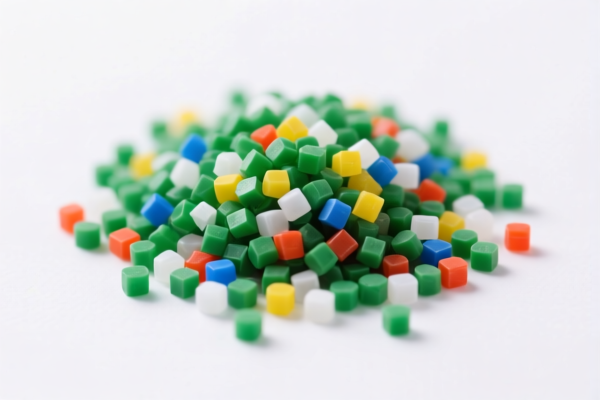
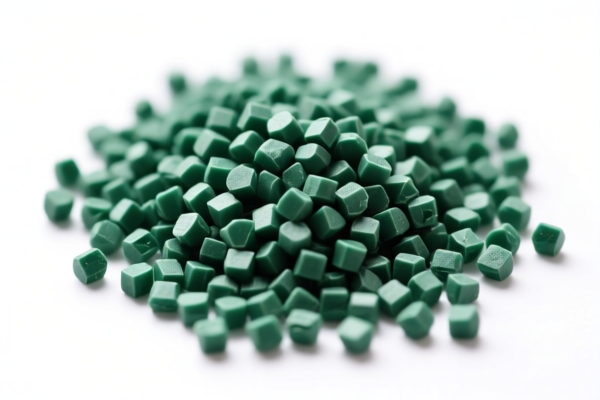
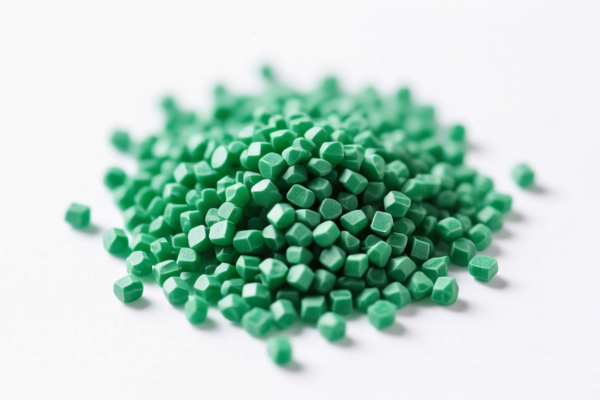
AI分析
🔄 PS Plastic Recycling Granules & Waste Materials
🌐 HS Code Reference & Customs Clearance Guide | 2026 Latest Tariff Full Analysis | Professional Clearance Strategy
📌 I. Product Definition & Classification: What Exactly is "PS Plastic Recycling Granules"?
Polystyrene (PS) is one of the most widely used thermoplastics in the world. In international trade, "PS Plastic Recycling Granules" is not a single, precise HS Code classification but rather a product category that depends heavily on the physical state, purity, and origin of the material.
In the US customs system, PS products are broadly divided into two groups: 1. Primary Shapes/Granules (Raw Material): Virgin or recycled PS in granular, pellet, or powder form, ready for molding. These fall under Chapter 39 (Plastics and Articles Thereof), specifically 3903 (Polystyrene). 2. Waste, Scraps, and Off-cuts: Used PS materials, trimmings, or dirty fragments. These fall under Chapter 39, specifically 3915 (Waste, Scrap, and Off-cuts).
⚠️ Critical Distinction:
- If the material is clean, processed into uniform granules/pellets, and intended for remanufacturing into new PS products → It is often classified as "Polystyrene, Primary Shape" (e.g.,3903.11,3903.19, or even3915.20depending on specific formulation and USCBP interpretation).
- If the material is irregular, dirty, mixed with other plastics, or is simply waste/baggage → It falls under "Plastic Waste/Scrap" (e.g.,3915.90,3915.20as waste).🚨 Important Note: The term "Recycling Granules" is ambiguous. US Customs may scrutinize this heavily. If it’s certified recycled plastic in granule form, it might still be considered a primary shape if it meets specific purity standards. However, many importers classify recycled PS granules under 3915.20.00.00 (Waste of polystyrene) or 3903.19.00.00 (Other PS primary shapes) depending on the exact processing level. The provided DATA suggests specific classifications for PS pellets and waste.
📦 II. HS Code Classification Details (Based on Provided Data)
According to the provided <DATA>, the following HS Codes and tax structures apply to PS-related plastic goods. Please note that "Recycling Granules" will be classified into one of these based on its specific nature:
| HS Code | Product Description (Summary) | Key Characteristics | Total Tax Rate |
|---|---|---|---|
| 3903.11.00.00 | PS Plastic Granules, Polystyrene Primary Shape, Expandable | Expandable polystyrene (EPS) pellets, used for foam packaging, insulation. | 41.5% |
| 3903.19.00.00 | PS Plastic Granules, Polystyrene Primary Shape, Other Types | General-purpose PS granules, HIPS, ABS-like blends, non-expandable. | 41.5% |
| 3915.90.00.90 | PS Plastic Waste, Debris, and Off-cuts, Other Plastic Materials | Irregular waste, mixed plastic scraps, dirty fragments, non-pelleted waste. | 35.0% |
| 3915.20.00.00 | PS Plastic Granules, Styrene Polymer Primary Form | Note: Data lists this as "PS Plastic Granules" under Chapter 39 (Waste/Scrap category). This likely refers to recycled PS waste in granular form or specific styrene waste. | 35.0% |
| 3923.29.00.00 | PS Plastic Packaging Film, Plastic Packaging Supplies | PS films, bags, sheets, not granules. | 38.0% |
🔍 Analysis of "Recycling Granules":
- If your "Recycling Granules" are clean, standardized pellets ready for injection molding, they may be classified under 3903.19.00.00 (Other PS Primary Shapes) → 41.5% Tax.
- If they are recycled but still considered "waste/scrap" in origin or form (e.g., lower purity, irregular), they may fall under 3915.20.00.00 (Styrene Polymer Waste) → 35.0% Tax.
- If they are mixed plastic waste or non-polystyrene primary waste, they may fall under 3915.90.00.90 → 35.0% Tax.
💰 III. 2026 Latest Tariff Rate Breakdown (Including Surtaxes & Policy Add-ons)
✅ Applicable Country: United States (US)
✅ Origin: China (CN)
✅ Effective Date: From November 10, 2025 (including subsequent imports)
🎯 1. 3903.11.00.00 & 3903.19.00.00 —— PS Plastic Granules (Primary Shape)
| Item | Detail |
|---|---|
| Base Tariff | 6.5% (ad valorem) |
| Section 301 Surtax | +25.0% (USITC Footnote 9903.88.01) |
| IEEPA Surtax | +10.0% (针对中国/香港产品,自2025年11月10日起) |
| Total Tax Rate | 41.5% |
| Tax Calculation | CIF Value × 41.5% |
| De Minimis Exemption | ❌ Not Eligible (deny_de_minimis) |
| Legal Basis Path | IEEPA:9903.01.25 → IEEPA:9903.01.24 → USITC:3903.11/19 → FOOTNOTE:9903.88.01 |
📌 Explanation:
- Base Tariff 6.5%: Standard MFN rate for polystyrene in primary forms.
- Section 301 Surtax 25%: Imposed due to trade tensions.
- IEEPA Surtax 10%: Additional tariff on Chinese-origin goods under IEEPA.
- Total 41.5%: This is a high-cost category. Clear misclassification can lead to severe penalties.
🎯 2. 3915.90.00.90 & 3915.20.00.00 —— PS Waste/Scrap/Recycled Granules
| Item | Detail |
|---|---|
| Base Tariff | 0.0% (ad valorem) |
| Section 301 Surtax | +25.0% (USITC Footnote 9903.88.01) |
| IEEPA Surtax | +10.0% (针对中国/香港产品,自2025年11月10日起) |
| Total Tax Rate | 35.0% |
| Tax Calculation | CIF Value × 35.0% |
| De Minimis Exemption | ❌ Not Eligible (deny_de_minimis) |
| Legal Basis Path | IEEPA:9903.01.25 → IEEPA:9903.01.24 → USITC:3915.20/90 → FOOTNOTE:9903.88.01 |
📌 Explanation:
- Base Tariff 0.0%: Waste and scrap of plastics often have a lower base tariff.
- Surtaxes Apply: Despite the low base rate, the 35% total tariff is still significant due to the 25% + 10% surcharges.
- Key Point: Even if classified as "waste," it is not duty-free.
🛠️ IV. Customs Clearance Practical Advice (Avoid Pitfalls)
✅ 1. Documentation Checklist (Mandatory)
| Document | Required? | Notes |
|---|---|---|
| ✅ Product Specification Sheet | ✔️ | Must specify: Type (EPS/HIPS/GPPS), Purity, Form (Granules/Flakes), Recycled Content %. |
| ✅ Certificate of Origin (CO) | ✔️ | Must prove Chinese origin to avoid unexpected duties from other countries, but also to confirm surtax applicability. |
| ✅ Material Safety Data Sheet (MSDS) | ✔️ | For safety handling, especially if recycled. |
| ✅ Commercial Invoice | ✔️ | Clearly state "Polystyrene Granules" or "Plastic Waste/Scrap" — do not use vague terms like "Mixed Plastic Pieces". |
| ✅ Packing List | ✔️ | Detail net/gross weight, number of bags/pallets. |
| ✅ Photos of Product | ✔️ | Show granule size, cleanliness, and packaging. Crucial for USCBP to distinguish between "Primary Shape" and "Waste." |
| ✅ Third-Party Test Report | ✔️ | If claiming "Recycled," provide proof of recycling process and purity. |
✅ 2. Declaration Tips (Key Mnemonic)
🔥 "Granules vs. Waste: Purity Defines the Code!"
| Scenario | Correct HS Code | Tax Rate | Why? |
|---|---|---|---|
| Clean, uniform PS pellets for new manufacturing | 3903.19.00.00 |
41.5% | Considered "Primary Shape" despite being recycled if processed to virgin-like standard. |
| Irregular PS flakes, dirty scraps, mixed waste | 3915.90.00.90 |
35.0% | Classified as "Waste/Scrap." |
| Recycled PS granules, but lower purity/form | 3915.20.00.00 |
35.0% | Data suggests this code for "PS Plastic Granules" under waste category. |
| PS Film/Bags | 3923.29.00.00 |
38.0% | Not granules. |
⚠️ Warning:
- Do NOT declare "Recycled PS Granules" as "Plastic Waste" if it is actually clean, processed primary shape. USCBP may reclassify it to3903.19and charge the difference + penalties.
- Do NOT declare "Primary Shape" if it is clearly dirty waste. This is fraud.
- Consistency is Key: Your invoice, spec sheet, and physical product must match the HS Code description.
✅ 3. Special Cases
| Situation | Handling Advice |
|---|---|
| OEM/Contract Manufacturing | Provide customer specs. If customer requires specific purity, ensure documentation matches. |
| Mixed Plastic Waste | If mixed with PE/PP, it may still fall under 3915.90.00.90 but requires detailed composition breakdown. |
| Recycled Content Claims | If marketing as "100% Recycled," have certifications ready. USCBP may check for "substantial transformation" but tariffs apply regardless of origin if processed in China. |
| Duty Drawback | If exported as waste and re-imported as recycled goods, explore duty drawback programs if applicable. |
🌍 V. Global Market Comparison (2026 Latest)
| Country/Region | Recommended HS Code | Tariff Rate (China Origin) | Certification | Notes |
|---|---|---|---|---|
| 🇺🇸 USA | 3903.19.00.00 or 3915.20.00.00 |
35% - 41.5% | No specific CE/FCC, but EPA may regulate recycled content. | High tariffs due to 301 + IEEPA. |
| 🇨🇳 China | 3903.19.00.00 |
6.5% | CCC (if consumer goods) | No surtax. |
| 🇪🇺 EU | 3903.19 |
6.5% | REACH, RoHS | No Section 301 equivalent, but carbon border tax (CBAM) may apply to plastics. |
| 🇬🇧 UK | 3903.19 |
6.5% | UKCA | Post-Brexit rules. |
| 🇯🇵 Japan | 3903.19 |
5-6% | JIS | No surtax. |
📌 Conclusion:
- The US is the most challenging market for PS plastic imports due to the 35-41.5% total tariff.
- China, EU, UK, Japan have significantly lower base tariffs, but EU CBAM may add future costs.
- Strategy: Consider supply chain diversification (e.g., sourcing from Vietnam, Mexico) to avoid US surtaxes, though this is complex for plastics due to origin rules.
📌 VI. Common Errors & Pitfalls (Lessons Learned)
❌ Error 1: Declaring "Recycled PS" as "Plastic Waste" when it is clean granules.
👉 Consequence: USCBP reclassifies to 3903.19 → Back taxes + penalties (41.5% vs 35%).
❌ Error 2: Declaring "Primary Shape" when material is dirty/mixed waste.
👉 Consequence: Accusation of fraud, seizure, or high penalties.
❌ Error 3: Using vague descriptions like "Plastic Pieces."
👉 Consequence: Customs delay, inspection, potential reclassification to highest duty rate.
❌ Error 4: Ignoring IEEPA 10% surtax.
👉 Consequence: Underpayment of duties, audits.
✅ Correct Practice:
"Polystyrene (PS) Recycled Granules, 100% Virgin-grade Purity, 2mm Pellets, For Injection Molding, HS Code 3903.19.00.00"
OR
"Plastic Waste, Polystyrene Fragments, Mixed Colors, For Recycling Process, HS Code 3915.20.00.00"
🎯 VII. Conclusion: Precise Classification Saves Money!
🎯 Remember:
🔹 "Granules = Primary Shape? 41.5% Tax."
🔹 "Waste/Scrap = 35% Tax."
🔹 "The 6.5% Difference Matters! Check Purity & Form!"
🔹 "US Tariffs are High: 301 + IEEPA = 35-41.5%. No De Minimis!"
📌 Pro Tip:
If your recycled PS granules are very high purity, consider arguing for 3903.19.00.00 if it aligns with primary shape definitions, but consult a customs broker to avoid misclassification.
If it’s clearly waste, use 3915.20.00.00 to save the 6.5% base tariff difference.
Always apply for an Advance Ruling from USCBP if the classification is ambiguous.
📣 Take Action Now:
📞 Contact a licensed customs broker + Provide product photos + Apply for HS Code Pre-Ruling
🚀 Avoid Customs Delays, Penalties, and Unnecessary Costs!
✨ Professional Clearance Starts with Accurate Classification!
💼 Your Cost Efficiency Depends on It!
用户评价
关于 HS 编码归类
协调制度(HS)是由世界海关组织(WCO)制定的国际贸易商品分类标准。全球 200 多个国家采用 HS 系统作为海关关税、贸易统计和进出口监管的基础。
每个 HS 编码遵循以下层级结构:
- 章(2 位)——商品大类(例如:第 84 章:机器和机械设备)
- 品目(4 位)——章内的更具体分类
- 子目(6 位)——国际通用细分,所有 WCO 成员国统一使用
- 本国细分(8-10 位)——各国自行扩展的细分编码,如美国 HTSUS 10 位编码
正确的 HS 编码归类对于顺利通关、准确缴纳关税和遵守贸易法规至关重要。错误归类可能导致海关延误、多缴关税或罚款。
从CN进口到US时,适用的关税税率可能包括:
- 最惠国(MFN)税率——适用于 WTO 成员国的标准关税税率
- 普通税率——适用于无贸易协定国家
- 贸易救济关税——附加关税,如 301 条款(反倾销)、232 条款(国家安全)或反补贴税
本页内容仅供参考。如需正式归类,请咨询当地海关或持牌报关代理。