PVC Coated Anti Aging Fabric
CN → US| HS编码 | 关税税率 | 原产国 | 目的国 | 文档 |
|---|---|---|---|---|
| 5903102010 | 35.0% | CN | US | 官方文档 |
| 5903102090 | 35.0% | CN | US | 官方文档 |
| 5911102000 | 38.8% | CN | US | 官方文档 |
| 3921121500 | 41.5% | CN | US | 官方文档 |
| 3921121100 | 39.2% | CN | US | 官方文档 |
商品图片
AI分析
🧵 PVC Coated Anti-Aging Fabric (Weather-Resistant Textile Composites)
🌐 HS Code Reference & Customs Clearance Guide | 2026 Latest Tariff Analysis | Professional通关 Strategy
📌 I. Product Definition & Classification: Do You Really Understand "PVC Coated Fabric"?
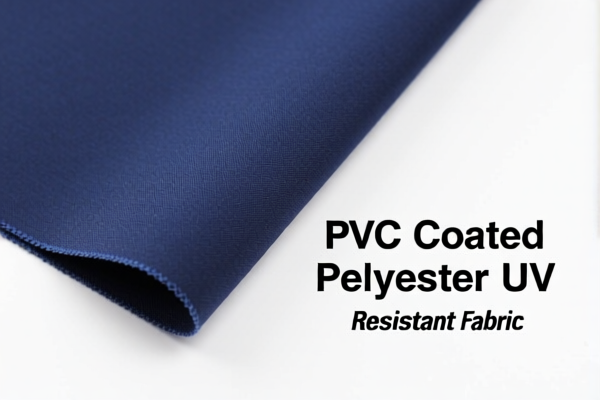
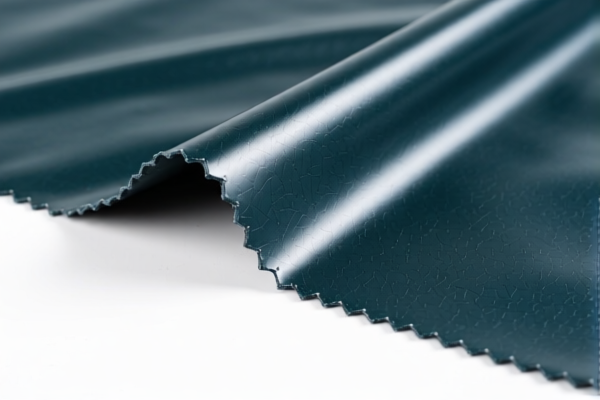
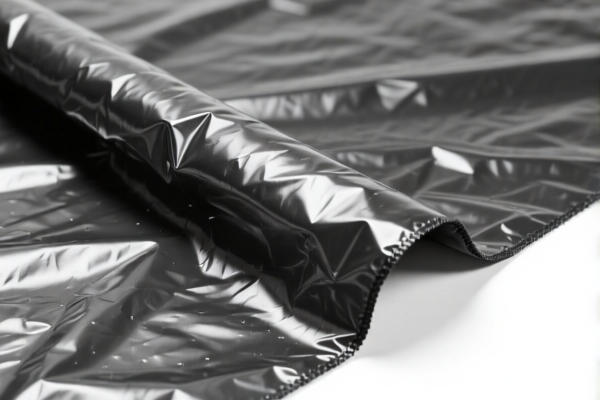
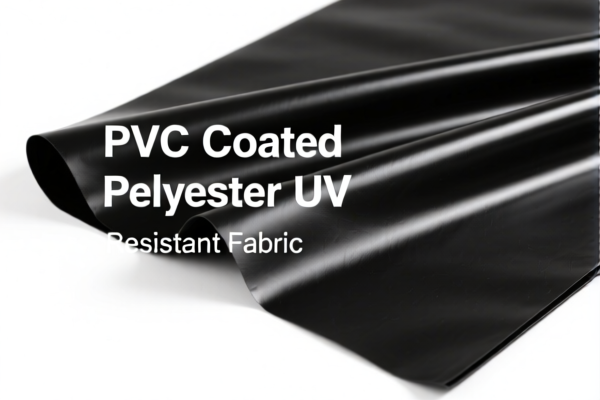
PVC Coated Anti-Aging Fabric refers to textile substrates (often polyester or nylon) treated with Polyvinyl Chloride (PVC) resin to enhance durability, weather resistance, and structural integrity. In international trade, it is categorized based on its primary function, structure, and end-use application. The key distinction lies in whether it is primarily a technical fabric for tearing resistance or a specialized material for shock/vibration absorption.
⚠️ Critical Distinction Points:
- If the fabric is primarily used for tents, tarpaulins, or covers where tear resistance is the main feature → Likely falls under Chapter 59 (Impregnated, Coated, Covered or Layered Textile Fabrics).
- If the fabric is specifically engineered for shock absorption, damping, or industrial vibration control → It may be reclassified under Chapter 39 (Plastics and Articles Thereof) or Chapter 59 (Other Technical Textiles) depending on the exact composition and tariff note interpretations.
- "Anti-Aging" is a functional claim, not a structural descriptor. Customs will look at the physical composition (PVC coating %) and technical specifications.
📦 II. HS Code Classification Details (2026 Latest Tariff Authority Comparison)
Based on the provided data, here are the precise classifications and their rationale:
| HS Code | Product Description | Application Scenario | Key Classification Rationale |
|---|---|---|---|
5903.10.20.10 |
PVC-coated anti-tear fabric; Material: PVC; Form: Coated fabric | Tarpaulins, truck covers, inflatable structures | Primary function is tear resistance via PVC coating. Classified as impregnated/coated textile. |
5903.10.20.90 |
PVC-coated anti-tear fabric; Material: PVC; Form: Coated fabric | Similar to above, but for other unspecified anti-tear applications | Same as above, used when specific sub-usage doesn't fit 20.10. Note: Different tariff code often implies different sub-heading nuances in national systems. |
5911.10.20.00 |
PVC-coated shockproof fabric; Material: PVC; Form: Fabric, meets characteristics of coated materials | Industrial vibration dampening, machinery padding, shock-absorbing layers | Focuses on shockproof/vibration property. Classified under "Textiles for technical uses" (Ch 59) because it retains textile identity but has specific technical function. |
3921.12.15.00 |
PVC-coated shockproof fabric; Material: PVC; Form: Fabric, Used for Shock Absorption | Specialized shock-absorbing mats, protective layers | Reclassified under Chapter 39 (Plastics) because the PVC coating is deemed the essential character, or it is considered a "Plastic sheeting" with fabric backing. Used specifically for shock absorption. |
3921.12.11.00 |
PVC-coated shockproof fabric; Material: PVC; Form: Sheet/Film Composite Fabric | Composite plastic sheets with fabric reinforcement, used for protective/shock purposes | Classified as Plastic Sheet/Film composite. The PVC layer is dominant. Essential character is plastic, not textile. |
🔍 Key Insight:
- Chapter 59 vs. Chapter 39: The battle between Ch 59 (Textile) and Ch 39 (Plastic) hinges on Essential Character. If the PVC coating is thin and the fabric structure is dominant → Ch 59. If the PVC layer is thick/dominant or the function is purely plastic-based (like a sheet) → Ch 39.
- "Anti-Aging": This is not a tariff term. It implies UV stabilization or chemical treatment, which doesn't change the HS code unless it alters the fundamental nature of the material.
💰 III. 2026 Latest Tariff Rate Breakdown (Including Surtaxes, Policy Surcharges)
✅ Applicable Country: United States (US)
✅ Country of Origin: China (CN)
✅ Effective Date: Post-2025 Tariff Regime (Including Section 301 & IEEPA Surcharges)
🎯 1. HS Code 5903.10.20.10 & 5903.10.20.90 —— PVC Coated Anti-Tear Fabric (Textile Basis)
| Item | Content |
|---|---|
| Base Duty Rate | 0% (Ad Valorem) |
| Section 301 Surtax | +25% (List 3/4 Items, Footnote 9903.02.02) |
| IEEPA Surtax | +10% (Targeting China/HK Products, Effective Nov 10, 2025) |
| Total Tariff Rate | 35.0% |
| Tax Calculation | CIF Value × 35% |
| De Minimis Exemption | ❌ Not Eligible (deny_de_minimis) |
| Legal Path | USITC:5903.10.20.10 → FOOTNOTE:9903.02.02 (Section 301) → IEEPA:9903.01.24 (10% Surcharge) |
📌 Explanation:
- These codes fall under "Impregnated, Coated, Covered or Layered Textile Fabrics."
- 0% Base Rate: Standard MFN rate for many coated textiles is low.
- 35% Total: Driven by the aggressive 25% Section 301 tariff + 10% IEEPA surcharge.
- Risk: High. This is a common category for tarpaulins and industrial covers, heavily targeted by US trade policy.
🎯 2. HS Code 5911.10.20.00 —— PVC Coated Shockproof Fabric (Technical Textile)
| Item | Content |
|---|---|
| Base Duty Rate | 3.8% |
| Section 301 Surtax | +25% |
| IEEPA Surtax | +10% |
| Total Tariff Rate | 38.8% |
| Tax Calculation | CIF Value × 38.8% |
| De Minimis Exemption | ❌ Not Eligible |
| Legal Path | USITC:5911.10.20.00 → FOOTNOTE:9903.02.02 → IEEPA:9903.01.24 |
📌 Explanation:
- Classified under "Textiles for technical uses" (Ch 59).
- 3.8% Base Rate: Slightly higher than the 0% rate for general coated fabrics.
- 38.8% Total: Even higher than anti-tear fabrics due to the higher base rate.
- Usage: Industrial damping, vibration control. Ensure you can prove the "shockproof" technical function to justify this code vs.5903.
🎯 3. HS Code 3921.12.15.00 & 3921.12.11.00 —— PVC Coated Shockproof Fabric (Plastic Composite)
| Item | Content |
|---|---|
| Base Duty Rate | 6.5% (15.00) / 4.2% (11.00) |
| Section 301 Surtax | +25% |
| IEEPA Surtax | +10% |
| Total Tariff Rate | 41.5% (15.00) / 39.2% (11.00) |
| Tax Calculation | CIF Value × Total Rate |
| De Minimis Exemption | ❌ Not Eligible |
| Legal Path | USITC:3921.12.xxxx → FOOTNOTE:9903.02.02 → IEEPA:9903.01.24 |
📌 Explanation:
- Classified under "Plastics and articles thereof" (Ch 39).
- Higher Base Rates: 6.5% and 4.2% are significantly higher than 0% or 3.8%.
- Total Rate: Up to 41.5%, the highest among the options.
- Why Classify Here?: Only if the PVC coating is dominant, or the product is a "sheet/film" rather than a "textile fabric." Misclassification here can lead to disputes if the fabric structure is obvious.
🛠️ IV. Customs Clearance Practical Advice (Real-World Pitfall Guide)
✅ 1. Documentation Checklist (Mandatory)
| Document | Required? | Notes |
|---|---|---|
| ✅ Product Spec Sheet | ✔️ | Must detail PVC content %, fabric base (poly/nylon), thickness, tear strength, and shock absorption metrics. |
| ✅ Composition Analysis | ✔️ | Proof of material composition to support Chapter 59 vs. 39 classification. |
| ✅ Photos (Close-up & Macro) | ✔️ | Show the weave pattern (for Ch 59) or smooth surface (for Ch 39). |
| ✅ Commercial Invoice | ✔️ | Clearly state "PVC Coated Fabric" and end-use (e.g., "For Industrial Damping" vs. "For Tarpaulins"). |
| ✅ Origin Certificate | ✔️ | If not China-origin, apply for preferential rates. |
| ✅ Third-Party Test Report | ✔️ | ASTM/ISO tests for tear resistance or shock absorption to justify specific HS code. |
✅ 2. Classification Strategy (Key Rules)
🔥 "Function Dictates Code, Composition Dictates Chapter!"
| Scenario | Recommended HS Code | Reason |
|---|---|---|
| Tarpaulin Material (High tear strength, textile look) | 5903.10.20.10/90 |
Primary function is tear resistance; textile character is dominant. |
| Industrial Vibration Pad (Specialized shock absorption, may look like plastic) | 5911.10.20.00 |
Technical textile for specific industrial function. |
| PVC Sheet with Fabric Backing (Plastic dominant, used for protection) | 3921.12.15.00 |
Essential character is plastic; used as a protective sheet. |
| Composite Plastic Film (Thick PVC layer, minimal fabric visibility) | 3921.12.11.00 |
Classified as plastic sheet/film composite. |
📌 Critical Tip:
- If you declare as3921(Plastic) but the product is clearly a flexible textile fabric, Customs may reclassify to5903or5911, potentially leading to penalties for misdeclaration.
- If you declare as5903(Textile) but the PVC layer is so thick it's essentially a plastic sheet, Customs may reclassify to3921, leading to higher base duties.
✅ 3. Special Case Handling
| Scenario | Handling Advice |
|---|---|
| OEM Custom Fabric | Provide client specs and test reports to justify "Shockproof" or "Anti-Tear" claims. |
| Mixed Shipment | Do not mix 5903 and 3921 in one line item. Split invoices if necessary. |
| High-Value Imports | Consider applying for an Advance Ruling (CBP Ruling) to confirm HS code before shipment. |
| Supply Chain Diversification | If tariffs are too high, consider sourcing from Vietnam, India, or Thailand to potentially avoid US IEEPA/Section 301 surcharges (verify rules of origin). |
🌍 V. Global Market Customs Comparison (2026 Latest)
| Country/Region | Recommended HS Code | Tariff (China Origin) | Certification Required | Notes |
|---|---|---|---|---|
| 🇺🇸 USA | 5903.10.20.10 |
35.0% | N/A | High tariffs due to Section 301 + IEEPA. |
| 🇪🇺 EU | 5903.10.20 |
~5-8% (Varies) | REACH (PVC limits) | Lower base duties, but strict chemical regulations. |
| 🇨🇳 China | 5903.10.20 |
0-10% (Export) | N/A | Export duty may apply. |
| 🇬🇧 UK | 5903.10.20 |
~5-8% | UKCA (if applicable) | Post-Brexit tariff schedule aligns closely with EU. |
📌 Conclusion:
- USA is the most challenging market due to the 35-41.5% total tariff burden.
- EU/UK focus more on chemical compliance (REACH) than high tariffs.
- Cost Optimization: Evaluate if the higher duty in the US outweighs the cost savings of manufacturing there. Consider third-country manufacturing (e.g., Vietnam) for US-bound goods.
📌 VI. Common Mistakes & Pitfalls (Lessons Learned)
❌ Mistake 1: Declaring PVC Coated Fabric as "General Textile" without specifying "Coated"
👉 Consequence: Misclassification → Penalties + Back Duties.
❌ Mistake 2: Using "Plastic Sheet" for a flexible, woven fabric
👉 Consequence: Customs reclassification to Chapter 59 → Dispute over Essential Character.
❌ Mistake 3: Ignoring the "Shockproof" claim in specs
👉 Consequence: If the product is used for shock absorption but declared as general tarpaulin fabric, it may be flagged for audit if the buyer reports it differently.
❌ Mistake 4: Assuming "Anti-Aging" changes the HS Code
👉 Consequence: No effect on HS Code. It's a functional additive, not a structural change.
✅ Correct Approach:
"PVC Coated Polyester Fabric, Tear Resistant, for Outdoor Tarpaulin Use, Thickness 0.5mm, PVC Content 40%"
🎯 VII. Conclusion: Precise Classification Saves Money!
🎯 Remember the Mantra:
🔹 "Coated Textile? Check Ch 59. Plastic Dominant? Check Ch 39. Shockproof? Prove It! Anti-Tear? Show the Strength!"
🔹 "US Tariffs are High (35-41%). Plan Your Supply Chain Accordingly."
📌 Pro Tip:
If your PVC Coated Fabric is sourced from Vietnam, India, or Bangladesh, verify if it qualifies for preferential tariffs under US trade agreements or general duty rates, potentially saving 25-30% in duties.
Recommend applying for a CBP Advance Ruling for complex composite materials to avoid clearance delays.
📣 Action Required:
📞 Consult a licensed customs broker + Provide Technical Data Sheets + Request HS Code Pre-Ruling
🚀 Ensure your PVC Coated Fabric clears US Customs smoothly, avoiding costly reclassifications!
✨ Professional Customs Clearance Starts with Accurate Classification!
💼 Your Cost Efficiency Depends on the Right HS Code!
用户评价
关于 HS 编码归类
协调制度(HS)是由世界海关组织(WCO)制定的国际贸易商品分类标准。全球 200 多个国家采用 HS 系统作为海关关税、贸易统计和进出口监管的基础。
每个 HS 编码遵循以下层级结构:
- 章(2 位)——商品大类(例如:第 84 章:机器和机械设备)
- 品目(4 位)——章内的更具体分类
- 子目(6 位)——国际通用细分,所有 WCO 成员国统一使用
- 本国细分(8-10 位)——各国自行扩展的细分编码,如美国 HTSUS 10 位编码
正确的 HS 编码归类对于顺利通关、准确缴纳关税和遵守贸易法规至关重要。错误归类可能导致海关延误、多缴关税或罚款。
从CN进口到US时,适用的关税税率可能包括:
- 最惠国(MFN)税率——适用于 WTO 成员国的标准关税税率
- 普通税率——适用于无贸易协定国家
- 贸易救济关税——附加关税,如 301 条款(反倾销)、232 条款(国家安全)或反补贴税
本页内容仅供参考。如需正式归类,请咨询当地海关或持牌报关代理。