PVC Coated Insulated Fabric
CN → US| HS编码 | 关税税率 | 原产国 | 目的国 | 文档 |
|---|---|---|---|---|
| 3921121100 | 39.2% | CN | US | 官方文档 |
| 5911101000 | 37.9% | CN | US | 官方文档 |
| 3921121500 | 41.5% | CN | US | 官方文档 |
| 5911102000 | 38.8% | CN | US | 官方文档 |
商品图片
AI分析
🧵 PVC Coated Insulated Fabric: The Ultimate Classification & Duty Guide (2026 Update)
🌐 HS Code Reference & Customs Clearance Strategy | 2026 Latest Tariff Analysis | Professional-Level Compliance
📌 I. Product Definition & Classification: Do You Really Understand "PVC Coated Insulated Fabric"?
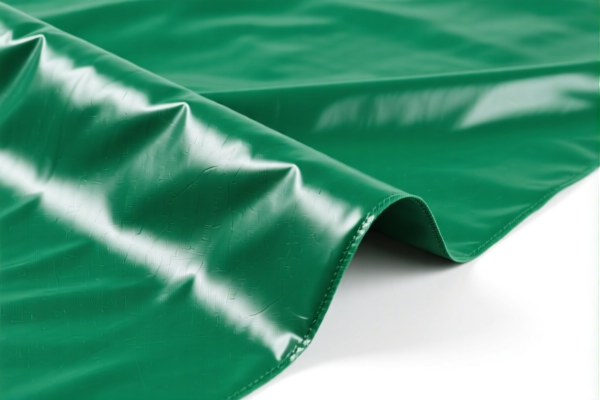
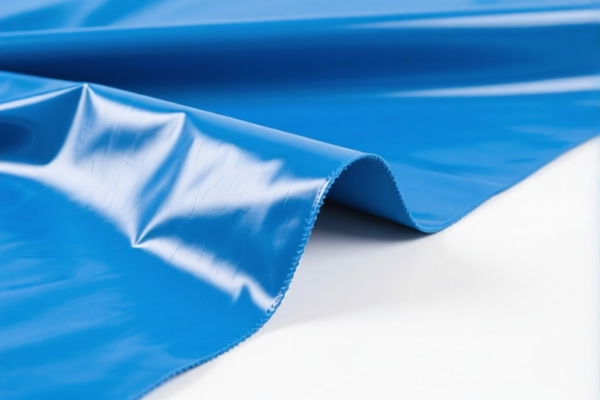
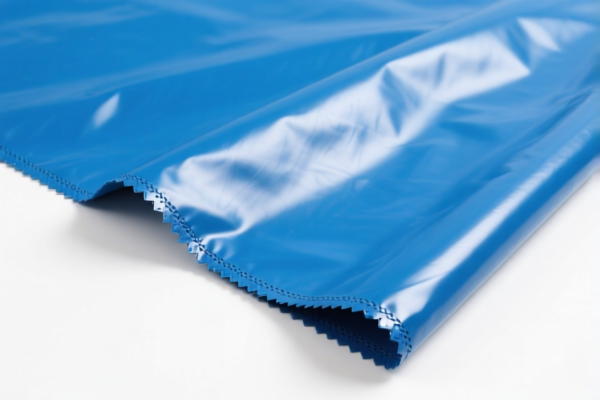
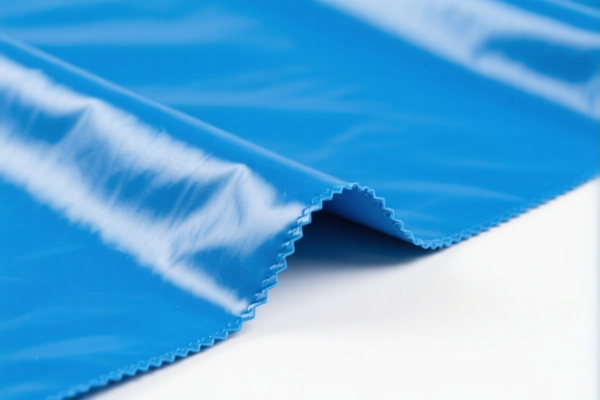
PVC Coated Insulated Fabric is a composite material consisting of a textile base (such as polyester, nylon, or fiberglass) coated with Polyvinyl Chloride (PVC) to provide electrical insulation, weather resistance, and durability. It is widely used in industrial settings, electrical enclosures, protective clothing, and cable management.
In international trade, the classification hinges on a critical technical distinction: Is the primary value derived from the Plastic Coating (Chapter 39) or the Textile Structure (Chapter 59)?
⚠️ Key Distinction Point: - If the fabric is heavily coated such that the textile nature is secondary to the plastic properties (electrical insulation, impermeability) → Classified under Chapter 39 (Plastics and Articles Thereof). - If the fabric retains its textile identity and the coating is merely for surface treatment or light reinforcement → Classified under Chapter 59 (Textiles Impregnated, Coated, Covered, or Striped).
📦 II. HS Code Classification Details (2026 Latest Tariff Authority Comparison)
Based on the provided data, here are the four potential HS Codes for PVC Coated Insulated Fabric, along with their tax implications.
| HS Code | Product Description | Primary Classification Logic | Total Tax Rate (China to US) |
|---|---|---|---|
3921.12.11.00 |
PVC Coated Insulated Fabric (Plastic Basis) | Material: PVC; Form: Coated Fabric. Classified primarily as a Plastic Product because the PVC coating defines the electrical insulation function. | 39.2% |
5911.10.10.00 |
PVC Coated Insulated Fabric (Textile Basis) | Form: Fabric; Material: PVC Coated. Classified as Textile Impregnated/Coated because the fabric structure remains dominant. | 37.9% |
3921.12.15.00 |
PVC Coated Insulated Fabric (Composite Plastic) | Material: PVC; Form: Fabric. Classified as a Plastic/Fabric Composite under plastic chapter. | 41.5% |
5911.10.20.00 |
PVC Coated Insulated Fabric (Textile Requirement) | Material: PVC; Form: Fabric. Classified as Coated Textile Fabric meeting specific textile coating requirements. | 38.8% |
🔍 Critical Reminder: - Chapter 39 (Codes 3921...): Generally applies if the product is essentially a "plastic sheet/fabric" used for insulation. Highest risk of higher duties (39.2%-41.5%). - Chapter 59 (Codes 5911...): Generally applies if the product is essentially "textile fabric" that has been coated for insulation. Slightly lower duty base (37.9%-38.8%). - The 25% Section 301 Tariff applies to ALL four codes. - The 10% IEEPA Tariff applies to ALL four codes.
💰 III. 2026 Latest Tariff Rate Breakdown (Including Surcharge Policies)
✅ Applicable Country: United States (US)
✅ Country of Origin: China (CN)
✅ Effective Date: From November 10, 2025 (including subsequent imports)
🎯 1. 3921.12.11.00 – PVC Coated Insulated Fabric (Plastic Classification)
| Item | Details |
|---|---|
| Base Tariff | 4.2% (Ad Valorem) |
| Section 301 Surcharge | +25.0% |
| IEEPA Surcharge | +10.0% (Specific to Chinese/Hong Kong products) |
| Total Effective Rate | 39.2% |
| Tax Calculation | CIF Value × 39.2% |
| De Minimis Eligibility | ❌ None (Denied under current policies) |
| Legal Path | Section 301: 9903.88.01 → IEEPA: 9903.01.24 → USITC: 3921.12.11.00 |
📌 Explanation:
- The 4.2% base rate is standard for plastic sheets/fabrics. - The 25% Section 301 is the standard US-China trade war tariff. - The 10% IEEPA is an additional national security-related surcharge. - Total: 39.2%. This is a high-cost category. You must calculate margins carefully.
🎯 2. 5911.10.10.00 – PVC Coated Insulated Fabric (Textile Classification)
| Item | Details |
|---|---|
| Base Tariff | 2.9% (Ad Valorem) |
| Section 301 Surcharge | +25.0% |
| IEEPA Surcharge | +10.0% |
| Total Effective Rate | 37.9% |
| Tax Calculation | CIF Value × 37.9% |
| De Minimis Eligibility | ❌ None |
| Legal Path | Section 301: 9903.88.01 → IEEPA: 9903.01.24 → USITC: 5911.10.10.00 |
📌 Note:
- The base rate (2.9%) is lower than the plastic classification (4.2%), resulting in a 1.3% savings per unit value. - Applicable to textile fabrics where the PVC coating is for insulation but the fabric structure is primary.
🎯 3. 3921.12.15.00 – PVC Coated Insulated Fabric (Composite Plastic)
| Item | Details |
|---|---|
| Base Tariff | 6.5% (Ad Valorem) |
| Section 301 Surcharge | +25.0% |
| IEEPA Surcharge | +10.0% |
| Total Effective Rate | 41.5% |
| Tax Calculation | CIF Value × 41.5% |
| De Minimis Eligibility | ❌ None |
| Legal Path | Section 301: 9903.88.01 → IEEPA: 9903.01.24 → USITC: 3921.12.15.00 |
📌 Warning:
- This code has the highest base tariff (6.5%), leading to the highest total tax burden (41.5%). - Use this only if your product strictly fits the "composite plastic" definition and no other chapter is more appropriate.
🎯 4. 5911.10.20.00 – PVC Coated Insulated Fabric (Textile Requirement)
| Item | Details |
|---|---|
| Base Tariff | 3.8% (Ad Valorem) |
| Section 301 Surcharge | +25.0% |
| IEEPA Surcharge | +10.0% |
| Total Effective Rate | 38.8% |
| Tax Calculation | CIF Value × 38.8% |
| De Minimis Eligibility | ❌ None |
| Legal Path | Section 301: 9903.88.01 → IEEPA: 9903.01.24 → USITC: 5911.10.20.00 |
📌 Comparison:
- Slightly higher than5911.10.10.00but lower than the plastic codes. - Suitable for coated textile fabrics that meet specific "insulating textile" requirements.
🛠️ IV. Customs Clearance Practical Advice (Real-World Pitfall Guide)
✅ 1. Required Documentation Checklist (No Exceptions)
| Document | Must Provide | Explanation |
|---|---|---|
| ✅ Product Specification Sheet | ✔️ | Must detail material composition (e.g., "100% Polyester base with PVC coating") and coating weight/percentage. |
| ✅ Material Safety Data Sheet (MSDS) | ✔️ | For PVC content and chemical composition. |
| ✅ Product Photos (Including Labels) | ✔️ | Clear images of the fabric roll, labels, and application (e.g., being used on electrical equipment). |
| ✅ Commercial Invoice | ✔️ | Must clearly state: "PVC Coated Insulated Fabric, HS Code: [Insert Code], Origin: China." |
| ✅ Packing List | ✔️ | Detail gross/net weight and dimensions. |
| ✅ Letter of Explanation | ✔️ | If using 5911 (Textile), explain why the textile nature is primary. If using 3921 (Plastic), explain why plastic insulation is primary. |
✅ 2. Declaration Tips (Key Mantras)
🔥 “Define Nature First: Plastic or Textile? Name Precision Saves Money!”
| Scenario | Correct Declaration | Wrong Practice |
|---|---|---|
| Heavy PVC Coating (>50% by weight, rigid, plastic-like feel) | 3921.12.11.00 or 3921.12.15.00 |
Misdeclare as "Textile" → Risk of Audit & Penalty |
| Light/Medium PVC Coating (Flexible, fabric-like feel, textile dominant) | 5911.10.10.00 or 5911.10.20.00 |
Misdeclare as "Plastic" → Overpaying 1.3%-2.6% unnecessarily |
| Electrical Insulation Purpose | Highlight "Electrical Insulation" in description | Generic "Fabric" → Delayed Clearance |
| Mixed Orders (Textile + Plastic) | Split declaration by HS Code | Mixed declaration → Rejection |
✅ 3. Special Case Handling
| Scenario | Handling Advice |
|---|---|
| Custom OEM Coating | Provide client order + technical specs. Prove if it's a "standard" textile coating or a "custom" plastic product. |
| Used for Electrical Conduits | If it forms a tube, still classify based on material dominance. Provide diagrams. |
| Blended Fibers (e.g., Polyester-Glass) | Provide exact blend ratio. Glass fiber may shift classification toward Chapter 70 or 59 depending on PVC ratio. |
| Small Samples | Even samples are subject to duty if declared as commercial import. Use "Free of Charge" sample declaration with proof of no commercial sale. |
🌍 V. Global Main Market Clearance Comparison (2026 Latest)
| Country/Region | Recommended HS Code | Tariff (China Origin) | Certification | Notes |
|---|---|---|---|---|
| 🇺🇸 USA | 3921.12.11.00 / 5911.10.10.00 |
37.9% - 41.5% | No specific cert | High Duty Zone. Section 301 + IEEPA applies. |
| 🇨🇳 China | 3921.12.11.00 / 5911.10.10.00 |
4.2% - 6.5% | CCC (if applicable) | Base rate only. |
| 🇪🇺 EU | 5911.10.10.00 / 3921.12.11.00 |
6.5% - 9.5% | CE, REACH | No Section 301. Lower base rates. |
| 🇬🇧 UK | 5911.10.10.00 / 3921.12.11.00 |
6.5% - 9.5% | UKCA, REACH | Post-Brexit rules apply. |
| 🇦🇺 Australia | 5911.10.10.00 / 3921.12.11.00 |
5% - 7.5% | RCM | No high surcharges. |
📌 Conclusion:
- USA is the most expensive market due to the cumulative effect of Base Tariff + 25% Section 301 + 10% IEEPA. - EU/UK/Australia do not apply Section 301 or IEEPA, making them more cost-effective for this product. - Consider supply chain diversification (e.g., sourcing from Vietnam/Malaysia) if shipping to the US to avoid high tariffs.
📌 VI. Common Errors & Pitfall Guide (Lessons from Experience)
❌ Error 1: Declaring all PVC fabrics as "Textiles" to avoid higher plastic duties.
👉 Consequence: Customs audits may reclassify as Plastic (3921), leading to back taxes + penalties if the plastic content is dominant.
❌ Error 2: Ignoring the IEEPA 10% surcharge.
👉 Consequence: Underestimating landed cost by 10% on all Chinese-origin goods.
❌ Error 3: Using generic terms like "Insulated Cloth" without material breakdown.
👉 Consequence: Customs cannot determine the correct chapter (39 vs. 59), leading to delays or seizure.
❌ Error 4: Assuming "De Minimis" ($800) applies.
👉 Consequence: Strictly Denied. All shipments from China, regardless of value, are subject to duty and anti-dumping checks.
✅ Correct Approach:
"PVC Coated Polyester Insulated Fabric, 100% Polyester Base, PVC Coating Weight 0.5mm, Used for Electrical Conduit Lining, HS Code: 5911.10.10.00, Origin: China"
🎯 VII. Conclusion: Professional Declaration, Save Time, Reduce Costs!
🎯 Remember the Mantra:
🔹 "Plastic Dominant? Go 3921 (39-41%)."
🔹 "Textile Dominant? Go 5911 (37-38%)."
🔹 "Always Add 35% for China-US!"
🔹 "No De Minimis! Always Declare!"
📌 Pro Tip:
If your PVC coated fabric originates from Vietnam, Malaysia, Thailand, or Mexico, you MAY apply for IEEPA Exemptions or avoid Section 301 tariffs, reducing the total duty to 0%-9.5%.
Recommendation: Apply for an Advance Ruling from US Customs (CBP) before shipment to confirm the exact HS Code and avoid post-clearance audits.
📣 Immediate Action Required:
📞 Contact a licensed Customs Broker + Provide Technical Specs + Apply for HS Code Advance Ruling
🚀 Ensure your PVC Coated Insulated Fabric clears customs smoothly, efficiently, and profitably!
✨ Professional Customs Clearance Starts with Accurate Classification!
💼 Every Dollar Saved is a Dollar Earned!
用户评价
关于 HS 编码归类
协调制度(HS)是由世界海关组织(WCO)制定的国际贸易商品分类标准。全球 200 多个国家采用 HS 系统作为海关关税、贸易统计和进出口监管的基础。
每个 HS 编码遵循以下层级结构:
- 章(2 位)——商品大类(例如:第 84 章:机器和机械设备)
- 品目(4 位)——章内的更具体分类
- 子目(6 位)——国际通用细分,所有 WCO 成员国统一使用
- 本国细分(8-10 位)——各国自行扩展的细分编码,如美国 HTSUS 10 位编码
正确的 HS 编码归类对于顺利通关、准确缴纳关税和遵守贸易法规至关重要。错误归类可能导致海关延误、多缴关税或罚款。
从CN进口到US时,适用的关税税率可能包括:
- 最惠国(MFN)税率——适用于 WTO 成员国的标准关税税率
- 普通税率——适用于无贸易协定国家
- 贸易救济关税——附加关税,如 301 条款(反倾销)、232 条款(国家安全)或反补贴税
本页内容仅供参考。如需正式归类,请咨询当地海关或持牌报关代理。