PVC Composite Textile Moisture Proof Boards
CN → US| HS编码 | 关税税率 | 原产国 | 目的国 | 文档 |
|---|---|---|---|---|
| 3921125000 | 41.5% | CN | US | 官方文档 |
| 3925200091 | 22.8% | CN | US | 官方文档 |
| 3925900000 | 40.3% | CN | US | 官方文档 |
| 3921121950 | 40.3% | CN | US | 官方文档 |
| 3921121100 | 39.2% | CN | US | 官方文档 |
商品图片
AI分析
🛠️ PVC Composite Textile Moisture-Proof Boards
🌐 HS Code Classification & Tariff Guide | 2026 U.S. Trade Policy Update | Expert Customs Clearance Strategy
📌 One Product, Multiple HS Codes — Know Which One Applies to Your Shipment!
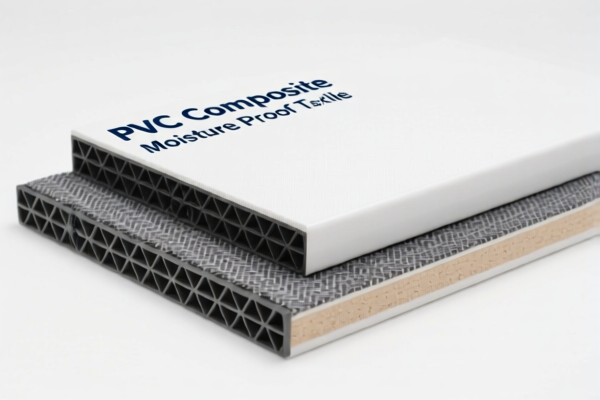
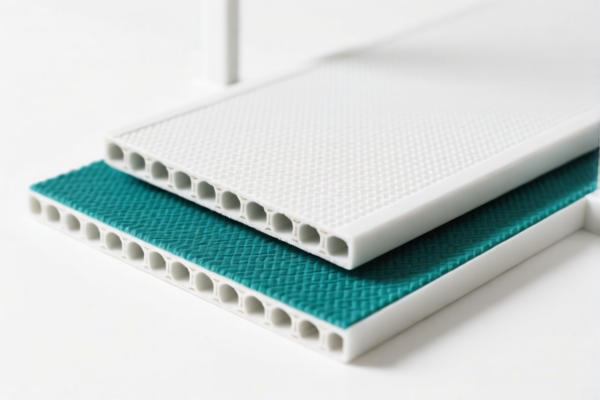
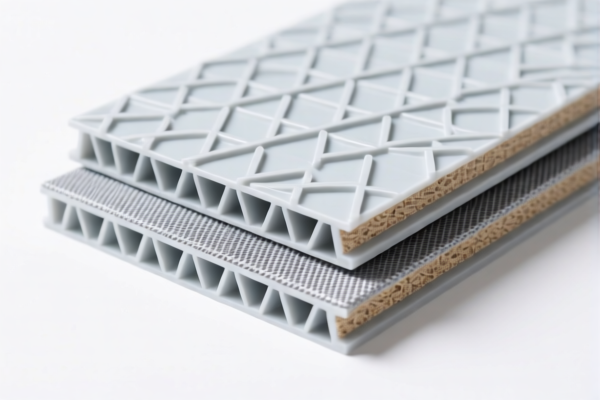
✅ Product Type: PVC Composite Moisture-Proof Wall Panels / Textile-Backed PVC Boards
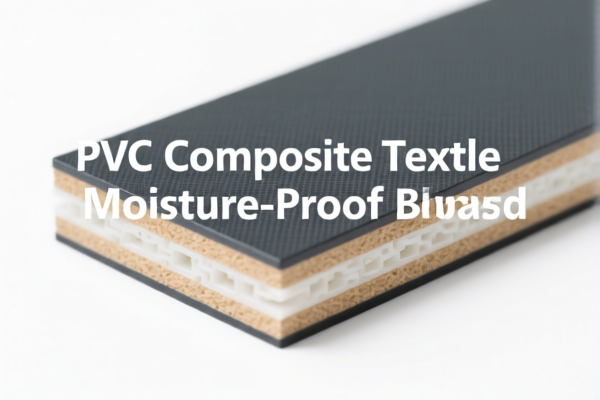
✅ Material: Polyvinyl Chloride (PVC) with textile composite layer
✅ Use Case: Interior wall cladding, moisture-resistant panels, anti-mold building materials
✅ Target Market: United States (U.S.) — High-Tariff Environment
📦 一、HS Code Breakdown & Classification Logic (2026 U.S. Tariff Schedule)
The product "PVC Composite Textile Moisture-Proof Boards" can be classified under five different HS Codes, depending on its form, structure, and functional design. Below is the full technical breakdown based on U.S. Customs and Border Protection (CBP) interpretations and the Harmonized Tariff Schedule (HTSUS).
| HS Code | Product Description | Classification Basis | Key Features |
|---|---|---|---|
3921.12.50.00 |
PVC wall moisture-proof boards; PVC-based, plate form, meets definition of vinyl polymer plates | Form: Plate; Material: PVC; Function: Wall panel | Standard PVC board, no textile layer |
3925.20.00.91 |
PVC wall moisture-proof boards; plastic building components, wall panel type | Form: Wall panel; Material: PVC; Classified under plastic building components | Used in construction; structural role |
3925.90.00.00 |
Other plastic building components; PVC-based, non-specific use, not covered by more specific subheadings | Use: Building component; Excluded from other categories | General category for non-standard PVC panels |
3921.12.19.50 |
Other vinyl polymer plates; PVC-based, not covered by more specific subheadings | Form: Plate; Material: PVC; Not classified as "sheet" or "film" | Includes composite or textured PVC plates |
3921.12.11.00 |
PVC textile composite thermal insulation fabric; PVC-coated textile, used for thermal insulation | Form: Composite fabric; Material: PVC + textile; Purpose: Insulation | Textile-backed, flexible, used for thermal/insulating purposes |
🔍 Critical Insight:
- If the product has a textile backing and is used for insulation, it falls under3921.12.11.00— not a rigid board. - If it’s a rigid, flat, non-textile PVC panel, then3925.20.00.91or3921.12.50.00applies. - Do NOT confuse "composite" with "building component" — the form and function determine the code.
💰 二、2026 U.S. Tariff Breakdown (China-Origin Products)
✅ Applicable to: All products originating from China (CN)
✅ Effective Date: November 10, 2025 (including all subsequent imports)
✅ Legal Basis: U.S. Trade Act §301, IEEPA (International Emergency Economic Powers Act), and Section 122 of the Trade Act
🎯 1. 3921.12.50.00 — PVC Wall Moisture-Proof Boards (Rigid Plate Form)
| Tax Component | Rate | Legal Basis | Notes |
|---|---|---|---|
| Basic Duty | 6.5% | HTSUS 3921.12.50.00 | Standard tariff |
| Section 301 (USITC) Additional Duty | +25.0% | USITC Footnote 9903.88.01 | From U.S. Trade Act §301 |
| Section 122 (IEEPA) Emergency Duty | +10% | IEEPA: 9903.01.25 | Applies to China-origin goods |
| Total Effective Duty | 41.5% | — | Highest among all codes |
📌 Why 41.5%?
- The product is not a textile, so it does not qualify for textile tariff exemptions. - It is not a building component (as defined under 3925.20), so it falls under general PVC plate. - No duty drawback applies — no de minimis exemption.
🎯 2. 3925.20.00.91 — PVC Wall Panels (Plastic Building Components)
| Tax Component | Rate | Legal Basis | Notes |
|---|---|---|---|
| Basic Duty | 5.3% | HTSUS 3925.20.00.91 | Standard for plastic building parts |
| Section 301 (USITC) Additional Duty | +7.5% | USITC Footnote 9903.88.01 | Lower than 25% due to building component classification |
| Section 122 (IEEPA) Emergency Duty | +10% | IEEPA: 9903.01.25 | Applies regardless of classification |
| Total Effective Duty | 22.8% | — | Lowest among all codes |
📌 Why Only 22.8%?
- Classified as plastic building components → lower base tariff. - Section 301 duty reduced to 7.5% due to specific subheading (3925.20.00.91). - Still subject to IEEPA 10% — no relief.
🎯 3. 3925.90.00.00 — Other Plastic Building Components
| Tax Component | Rate | Legal Basis | Notes |
|---|---|---|---|
| Basic Duty | 5.3% | HTSUS 3925.90.00.00 | General plastic component tariff |
| Section 301 (USITC) Additional Duty | +25.0% | USITC Footnote 9903.88.01 | Applies because not specifically listed |
| Section 122 (IEEPA) Emergency Duty | +10% | IEEPA: 9903.01.25 | Applies universally |
| Total Effective Duty | 40.3% | — | Very high — avoid if possible |
📌 Why 40.3%?
- Not covered by a more specific subheading → default to highest Section 301 rate. - No tariff preference — high risk of audit.
🎯 4. 3921.12.19.50 — Other Vinyl Polymer Plates (Non-Specific)
| Tax Component | Rate | Legal Basis | Notes |
|---|---|---|---|
| Basic Duty | 5.3% | HTSUS 3921.12.19.50 | General plate tariff |
| Section 301 (USITC) Additional Duty | +25.0% | USITC Footnote 9903.88.01 | Applies due to lack of specificity |
| Section 122 (IEEPA) Emergency Duty | +10% | IEEPA: 9903.01.25 | Universal application |
| Total Effective Duty | 40.3% | — | Same as 3925.90.00.00 |
📌 Why 40.3%?
- Classified as "other" vinyl plates → no special tariff relief. - No building component benefit → higher tax burden.
🎯 5. 3921.12.11.00 — PVC Textile Composite Insulation Fabric
| Tax Component | Rate | Legal Basis | Notes |
|---|---|---|---|
| Basic Duty | 4.2% | HTSUS 3921.12.11.00 | Lowest base rate among all |
| Section 301 (USITC) Additional Duty | +25.0% | USITC Footnote 9903.88.01 | Applies to China-origin |
| Section 122 (IEEPA) Emergency Duty | +10% | IEEPA: 9903.01.25 | Applies to all China-origin goods |
| Total Effective Duty | 39.2% | — | Slightly lower than 40.3% |
📌 Why 39.2%?
- Textile composite → lower base duty (4.2%). - Still subject to 25% + 10% — but slightly better than 40.3%. - Must prove insulation use — otherwise, reclassified.
🛠️ 三、Customs Clearance Best Practices (Pro Tips to Avoid Penalties)
✅ 1. Critical Documentation Required
| Document | Must Provide? | Why It Matters |
|---|---|---|
| ✅ Product Technical Specification | ✔️ | Must show form (plate/fabric), material (PVC/textile), thickness, use (insulation/wall) |
| ✅ Photos (Front, Back, Cross-Section) | ✔️ | Prove textile layer, composite structure, rigid vs. flexible |
| ✅ Commercial Invoice | ✔️ | Must state exact HS Code, purpose, material composition |
| ✅ Certificate of Origin (CO) | ✔️ | Required for tariff calculation; China origin = 301/IEEPA duties |
| ✅ Test Report (RoHS, Flame Retardant, Moisture Resistance) | ✔️ | Supports use claim (insulation vs. wall panel) |
| ✅ Bill of Lading (BOL) | ✔️ | For customs tracking and audit trail |
✅ 2.申报技巧(申报口诀)
🔥 “Form determines code, use determines duty, textile lowers base, insulation wins!”
| Scenario | Correct HS Code | Wrong Code | Risk |
|---|---|---|---|
| Rigid PVC board, no textile | 3921.12.50.00 |
3925.20.00.91 |
Higher tax (41.5% vs 22.8%) |
| Flexible PVC + textile, used for insulation | 3921.12.11.00 |
3921.12.50.00 |
Missed lower base duty |
| PVC panel used in construction | 3925.20.00.91 |
3925.90.00.00 |
25% higher Section 301 duty |
| Unclear structure → generic | 3925.90.00.00 |
3921.12.19.50 |
40.3% tax, audit risk |
✅ 3. Special Cases & Risk Mitigation
| Situation | Recommended Action |
|---|---|
| Product has textile backing but used as wall panel | Use 3925.20.00.91 — lower tax (22.8%) |
| Product is flexible, used for insulation | Use 3921.12.11.00 — 39.2% tax, but lowest base |
| Unclear structure or mixed use | Apply for Advance Ruling (Pre-Approval) from CBP |
| Shipments from Vietnam/Mexico/Thailand | Can avoid IEEPA 10% — apply for exemption |
| Small shipments (<$2,500) | No de minimis — still subject to full 41.5% |
🌍 四、Global Market Tariff Comparison (2026)
| Country | Recommended HS Code | Base Duty | Additional Taxes | Total Duty | Notes |
|---|---|---|---|---|---|
| 🇺🇸 United States | 3925.20.00.91 |
5.3% | +7.5% +10% | 22.8% | Best option for rigid panels |
| 🇨🇳 China | 3925.20.00.91 |
5% | — | 5% | No extra duties |
| 🇪🇺 European Union | 3925.20.00.91 |
0% | — | 0% | CE certification required |
| 🇦🇺 Australia | 3925.20.00.91 |
5% | — | 5% | RCM certification |
| 🇯🇵 Japan | 3925.20.00.91 |
0% | — | 0% | PSE certification |
📌 Insight:
- U.S. is the only market with high additional duties. - Vietnam/Mexico/Thailand origin can avoid IEEPA 10% — strongly recommended.
📌 五、Common Mistakes & Legal Risks
❌ Mistake 1: Classifying a textile-backed composite as a rigid PVC board
👉 Result: Misclassified → 39.2% → 41.5% → $10k+ in penalties
❌ Mistake 2: Using 3925.90.00.00 for a product that could be 3925.20.00.91
👉 Result: 25% higher Section 301 duty → 40.3% vs 22.8%
❌ Mistake 3: Not providing cross-section photos
👉 Result: CBP refuses to accept your classification → delay, fines, or rejection
❌ Mistake 4: Claiming “insulation” without test reports
👉 Result: Rejected → reclassified to higher duty code
✅ Best Practice:
Use exact product description:
"PVC-coated textile composite fabric, 2mm thick, used for thermal and moisture insulation in interior walls, with flame-retardant certification, Model XYZ"
🎯 Six Key Takeaways (Remember This!)
🔹 Form matters most: Plate ≠ Fabric ≠ Building Component
🔹 Use determines duty: Insulation →3921.12.11.00(39.2%)
🔹 Rigid wall panel? →3925.20.00.91→ 22.8% (best in U.S.)
🔹 Textile layer? → lower base duty, but still 39.2%
🔹 China origin? → 10% IEEPA + 25% Section 301 (unless exempt)
🔹 No de minimis — even small shipments pay full duty
📣 Final Call to Action: Avoid Costly Mistakes!
📞 Contact a U.S.-licensed customs broker + request HS Code pre-ruling
🚀 Apply for origin change (e.g., Vietnam, Mexico) to avoid IEEPA 10%
💡 Use precise product descriptions and cross-section photos
📊 Calculate total landed cost with 41.5% — don’t assume 20%
✨ Professional Clearance Starts with Accurate Classification!
💼 One wrong HS Code → 20% higher tax → $100k+ in losses.
✅ Get it right the first time — save time, money, and stress!
🟢 Your product. Your tariff. Your risk.
🔐 Classify with confidence — clear customs with ease!
用户评价
关于 HS 编码归类
协调制度(HS)是由世界海关组织(WCO)制定的国际贸易商品分类标准。全球 200 多个国家采用 HS 系统作为海关关税、贸易统计和进出口监管的基础。
每个 HS 编码遵循以下层级结构:
- 章(2 位)——商品大类(例如:第 84 章:机器和机械设备)
- 品目(4 位)——章内的更具体分类
- 子目(6 位)——国际通用细分,所有 WCO 成员国统一使用
- 本国细分(8-10 位)——各国自行扩展的细分编码,如美国 HTSUS 10 位编码
正确的 HS 编码归类对于顺利通关、准确缴纳关税和遵守贸易法规至关重要。错误归类可能导致海关延误、多缴关税或罚款。
从CN进口到US时,适用的关税税率可能包括:
- 最惠国(MFN)税率——适用于 WTO 成员国的标准关税税率
- 普通税率——适用于无贸易协定国家
- 贸易救济关税——附加关税,如 301 条款(反倾销)、232 条款(国家安全)或反补贴税
本页内容仅供参考。如需正式归类,请咨询当地海关或持牌报关代理。