PVC Drainage Elbow Fitting
CN → US| HS编码 | 关税税率 | 原产国 | 目的国 | 文档 |
|---|---|---|---|---|
| 3917400020 | 40.3% | CN | US | 官方文档 |
| 3917400060 | 40.3% | CN | US | 官方文档 |
| 3926909987 | 22.8% | CN | US | 官方文档 |
| 3926909989 | 22.8% | CN | US | 官方文档 |
| 3917400050 | 40.3% | CN | US | 官方文档 |
商品图片

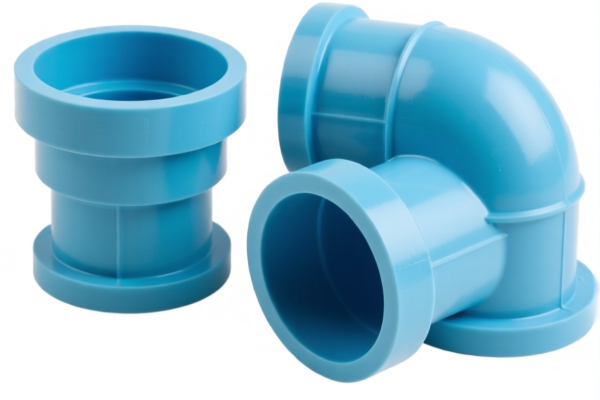


AI分析
🚿 PVC Drainage Elbow Fittings: HS Code Classification & US Customs Clearance Guide (2026)
🌐 HS Code Reference & Clearance Strategy | 2026 Latest Tariff Analysis | Professional-Level Compliance Guide
📌 Part I: Product Definition & Classification – What Exactly is a "PVC Drainage Elbow"?
A PVC (Polyvinyl Chloride) Drainage Elbow is a plumbing component used to change the direction of fluid flow in drainage, waste, and vent (DWV) systems. In international trade, these fittings are not automatically classified under a single HS Code. The classification depends heavily on the pressure rating, specific application (drainage vs. wire conduit), and material composition.
Two Main Categories: 1. Pressure Pipes & Fittings (Chapter 3917): Includes fittings designed for transporting fluids under pressure or specifically designated as "parts of pipes/tubes." Note: Many drainage elbows fall here if classified as "other pipe fittings." 2. General Plastic Articles (Chapter 3926): Includes plastic articles that do not fit elsewhere, such as those used as electrical conduit fittings or generic plastic parts.
⚠️ Key Distinction Point:
- If the elbow is a pipe fitting for DWV (Drain-Waste-Vent) or pressure systems → It generally falls under 3917.40 (Parts of pipes, tubes, and hoses).
- If the elbow is used as a wire conduit fitting (protecting electrical wires) or a generic plastic part not specifically for pipes → It may fall under 3926.90 (Other plastic articles).
📦 Part II: HS Code Classification Details (2026 Latest Tariff Authority Alignment)
Based on the provided dataset, here is the precise mapping of PVC Drainage Elbow Fittings to their respective HS Codes and the rationale for each.
| HS Code | Product Summary | Classification Rationale | Applicable Scenario |
|---|---|---|---|
| 3917.40.00.20 | PVC Elbow, non-pressure rated pipe fitting for drainage | Classified as a pipe fitting for drainage systems. The key is that it is a "part of a pipe/tube" for fluid transport, even if non-pressure rated. | Standard household/industrial DWV plumbing systems. |
| 3917.40.00.60 | PVC Elbow, other pipe fittings made of polyvinyl chloride | Classified as a general PVC pipe fitting. This is the "catch-all" for PVC pipe fittings not specifically listed elsewhere in 3917.40. | Generic PVC plumbing elbows not specified in .20 or .50. |
| 3917.40.00.50 | PVC Drainage Pipe Joint, DWV (Drain/Waste/Vent) Fittings | Classified specifically as a DWV fitting. This is a more specific sub-category for joints used in drainage, waste, and vent systems. | Specifically labeled or used for DWV applications (no pressure). |
| 3926.90.99.87 | PVC Elbow, wire conduit type fitting | Classified as a plastic article for electrical use. These elbows are designed to protect electrical wires, not transport water. They are not "pipe fittings" in the plumbing sense. | Electrical conduit systems (protecting cables). |
| 3926.90.99.89 | PVC Elbow, part of other plastic articles | Classified as a generic plastic part. Used when the elbow is part of a larger plastic assembly or does not fit the specific "pipe" definition of Chapter 3917. | Non-plumbing, non-conduit applications; generic plastic components. |
🔍 Critical Reminder:
- Plumbing vs. Electrical: The most common error is misclassifying electrical conduit fittings (3926) as plumbing fittings (3917) or vice versa. Ensure your product description clearly states "Plumbing/DWV" or "Electrical Conduit." - Pressure Rating: Even if "non-pressure rated," if it is used for fluid transport (water/sewage), it often remains under 3917 as a "pipe fitting." - No Ambiguity: Do not guess. If the product is a standard DWV elbow, use 3917.40 series. If it is for wires, use 3926.90 series.
💰 Part III: 2026 Latest Tariff Rate Breakdown (Including Surcharges & Policy Add-ons)
✅ Applicable Country: United States (US)
✅ Origin: China (CN)
✅ Effective Date: 2025/2026 (Current Trade Environment)
🎯 1. Group A: Plumbing Pipe Fittings (HS 3917.40.00.20 / .60 / .50)
These codes are subject to the highest level of tariffs due to their classification as "pipe fittings" under Section 301 and IEEPA regulations.
| Item | Content |
|---|---|
| Base Tariff | 5.3% (Ad Valorem) |
| Section 301 Surcharge | +25.0% (Trade War Tariff) |
| Section 122 Tariff | +10.0% (Specific Policy Add-on) |
| Total Tax Rate | 40.3% |
| Tax Calculation | CIF Value × 40.3% |
| De Minimis Eligibility | ❌ Not Eligible (deny_de_minimis) |
| Legal Basis Path | USITC:3917.40.00.20/.60/.50 → Section 301: 25% → IEEPA/Section 122: 10% |
📌 Explanation:
- The 25% Section 301 tariff applies to most plastic pipe fittings from China. - The 10% Section 122 tariff is an additional layer on specific industrial/plastic goods. - Total: 40.3%. This is a high-cost import. You cannot rely on the $800 de minimis exemption for these items.
🎯 2. Group B: Electrical Conduit & Other Plastic Articles (HS 3926.90.99.87 / .89)
These codes have a lower tariff burden but are still subject to significant surcharges.
| Item | Content |
|---|---|
| Base Tariff | 5.3% (Ad Valorem) |
| Section 301 Surcharge | +7.5% (Reduced Section 301 Rate) |
| Section 122 Tariff | +10.0% (Specific Policy Add-on) |
| Total Tax Rate | 22.8% |
| Tax Calculation | CIF Value × 22.8% |
| De Minimis Eligibility | ❌ Not Eligible (deny_de_minimis) |
| Legal Basis Path | USITC:3926.90.99.87/.89 → Section 301: 7.5% → IEEPA/Section 122: 10% |
📌 Note:
- The Section 301 rate is lower (7.5%) for these specific plastic articles compared to pipe fittings (25%). - However, the 10% Section 122 tariff still applies, bringing the total to 22.8%. - This is still not eligible for de minimis treatment.
🛠️ Part IV: Customs Clearance Operational Advice (Practical Pitfall Avoidance)
✅ 1. Required Documentation Checklist (All or Nothing)
| Document | Mandatory? | Description |
|---|---|---|
| ✅ Product Specification Sheet | ✔️ | Must specify material (PVC), diameter, pressure rating (if any), and application (Drainage vs. Electrical). |
| ✅ Product Photos | ✔️ | Clear images showing labels, connections, and any pressure ratings. |
| ✅ Commercial Invoice | ✔️ | Must accurately reflect the HS Code and describe the item as "PVC Pipe Fitting" or "Electrical Conduit Fitting." |
| ✅ Packing List | ✔️ | Weight, dimensions, and item count. |
| ✅ Certificate of Origin | ✔️ | Required for Section 301/122 calculations. |
| ❌ De Minimis Form | ❌ | Do not attempt de minimis entry. These HS codes are explicitly denied. |
✅ 2. Declaration Tips (Critical Mantras)
🔥 "Match Application to HS Code, Pressure Rating Defines Category, Do Not Split Shipments!"
| Scenario | Correct Declaration | Incorrect Action |
|---|---|---|
| Standard DWV Elbow | Use 3917.40.00.20 or 3917.40.00.50. Describe as "PVC Drainage Elbow, Non-Pressure, for Water/Sewage." | Declare as "Plastic Part" (3926) → Risk of audit for misclassification. |
| Electrical Conduit Elbow | Use 3926.90.99.87. Describe as "PVC Electrical Conduit Fitting." | Declare as "Pipe Fitting" (3917) → Unnecessary 40.3% tariff if correctly classified as 22.8%. |
| Mixed Shipment | Split Shipment. Clearly separate plumbing and electrical items on invoice. | Mix in one container with one HS Code → High risk of penalty and delay. |
| OEM/White Label | Provide customer’s design spec to prove intended use. | Vague description "Plastic Connector" → Customs may assess higher rate or reject. |
✅ 3. Special Circumstances Handling
| Situation | Handling Advice |
|---|---|
| Non-Pressure Plumbing Fittings | Still classified under 3917 because they are "parts of pipes." Do not assume "non-pressure" means "3926." |
| Dual-Use Fittings | If a fitting can be used for both water and wire, use the primary intended use. Document this clearly. |
| Bulk vs. Retail | Tariffs apply to both. No volume discount on Section 301/122 tariffs. |
| Transshipment | Avoid transshipping through countries with weak origin tracking. US Customs scrutinizes "country of origin" changes. |
🌍 Part V: Global Market Clearance Comparison (2026)
| Country/Region | Recommended HS Code | Tariff Rate (China Origin) | Key Certification | Notes |
|---|---|---|---|---|
| 🇺🇸 USA | 3917.40.00.20/.60/.50 |
40.3% (Plumbing) | N/A | High Tax. No de minimis. |
| 🇺🇸 USA | 3926.90.99.87/.89 |
22.8% (Electrical/Other) | N/A | Lower Tax. Still no de minimis. |
| 🇨🇳 China | 3917.40 |
~5-6% | CCC (if applicable) | Low tax, high volume. |
| 🇪🇺 EU | 3917.23 / 3926.90 |
0-6.5% | CE (if electrical) | Generally lower tariffs than US. |
| 🇬🇧 UK | 3917.40 |
0-5% | UKCA (if electrical) | Post-Brexit rules apply. |
| 🇦🇺 Australia | 3917.40 |
5% | SAA/AS/NZS | Moderate tax. |
📌 Conclusion:
- USA is the most expensive market for PVC drainage elbows due to the 40.3% and 22.8% combined tariffs. - EU and Australia offer significantly lower tariff burdens. - De Minimis ($800) is NOT an option for these items from China. All shipments are subject to full duty.
📌 Part VI: Common Errors & Pitfall Guide (Blood & Tears Lessons)
❌ Error 1: Claiming De Minimis for PVC Elbows
👉 Consequence: Customs Hold & Penalty. These HS codes are explicitly deny_de_minimis. The shipment will be seized or forced to pay full duty + storage fees.
❌ Error 2: Misclassifying Plumbing Fittings as Electrical Conduit Fittings
👉 Consequence: Audit & Back Taxes. If you declare 3926 (22.8%) but customs determines it’s for plumbing (3917, 40.3%), you will owe the difference + interest.
❌ Error 3: Vague Descriptions like "Plastic Connector"
👉 Consequence: Delays & Manual Assessment. Customs brokers will guess the HS Code, likely choosing the higher rate (40.3%) to be safe, or requesting more info.
❌ Error 4: Mixing Pressure and Non-Pressure Items
👉 Consequence: Classification Error. Ensure your invoice specifies "DWV" or "Non-Pressure" for 3917.40.00.20/.50.
✅ Correct Practice:
"PVC Pipe Elbow, 2-inch, Schedule 40, DWV Application, Non-Pressure Rated, Made in China, Model ABC"
🎯 Part VII: Conclusion – Precision Classification Saves Money!
🎯 Remember the Mantras:
🔹 "Plumbing = 40.3%, Electrical = 22.8%, No De Minimis!"
🔹 "HS Code is Life. Wrong Code = 40.3% Tax. Right Code = 22.8% Tax."
📌 Pro Tip:
If you are importing large volumes, consider: 1. Advance Ruling: Apply for a US Customs Border Protection (CBP) ruling to confirm your HS Code. 2. Supply Chain Diversification: Evaluate sourcing from countries not subject to Section 301 tariffs (e.g., Vietnam, Thailand) if margins are tight. 3. Tariff Engineering: Consult with a trade lawyer to see if product modifications can legally shift classification to a lower-tariff category (e.g., from 3917 to 3926 if design allows).
📣 Immediate Action Required:
📞 Contact a Licensed Customs Broker
📄 Provide Detailed Product Specs
🚀 Plan for Full Tariff Payments (No De Minimis!)
✨ Professional Clearance Starts with Accurate Classification!
💼 Every 1% of tariff saved is pure profit!
用户评价
关于 HS 编码归类
协调制度(HS)是由世界海关组织(WCO)制定的国际贸易商品分类标准。全球 200 多个国家采用 HS 系统作为海关关税、贸易统计和进出口监管的基础。
每个 HS 编码遵循以下层级结构:
- 章(2 位)——商品大类(例如:第 84 章:机器和机械设备)
- 品目(4 位)——章内的更具体分类
- 子目(6 位)——国际通用细分,所有 WCO 成员国统一使用
- 本国细分(8-10 位)——各国自行扩展的细分编码,如美国 HTSUS 10 位编码
正确的 HS 编码归类对于顺利通关、准确缴纳关税和遵守贸易法规至关重要。错误归类可能导致海关延误、多缴关税或罚款。
从CN进口到US时,适用的关税税率可能包括:
- 最惠国(MFN)税率——适用于 WTO 成员国的标准关税税率
- 普通税率——适用于无贸易协定国家
- 贸易救济关税——附加关税,如 301 条款(反倾销)、232 条款(国家安全)或反补贴税
本页内容仅供参考。如需正式归类,请咨询当地海关或持牌报关代理。