PVC High Plasticized Window Film
CN → US| HS编码 | 关税税率 | 原产国 | 目的国 | 文档 |
|---|---|---|---|---|
| 3921121950 | 40.3% | CN | US | 官方文档 |
| 3921125000 | 41.5% | CN | US | 官方文档 |
商品图片
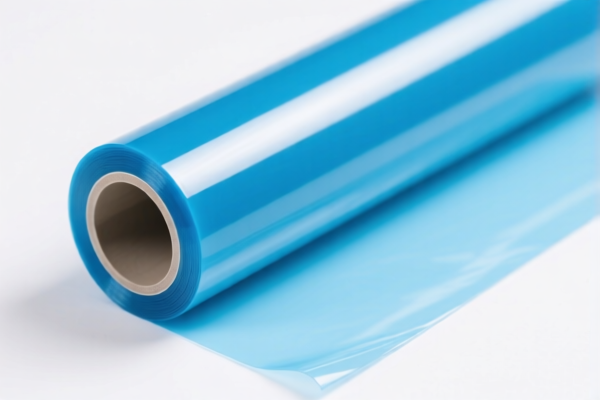
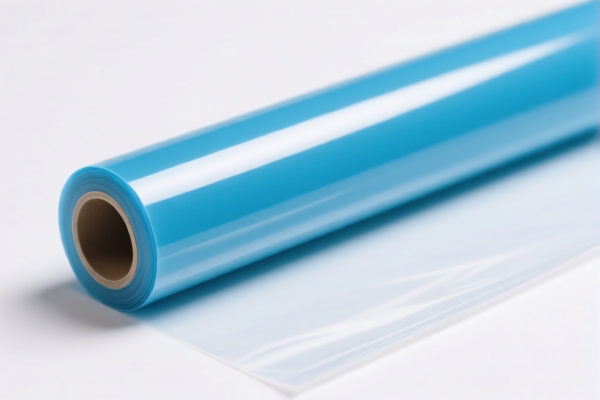
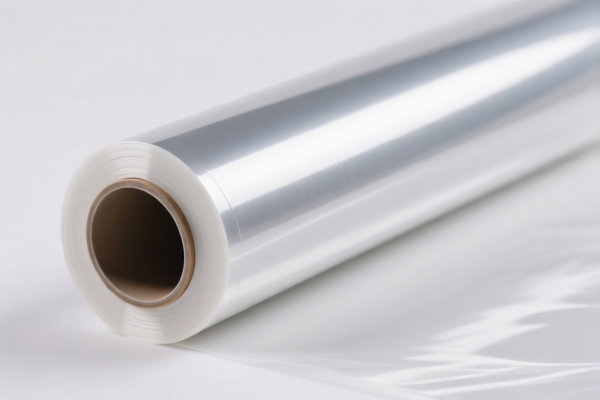
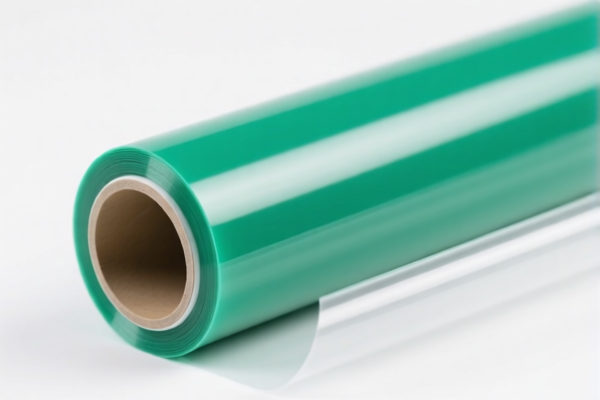
AI分析
🪟 PVC High Plasticized Window Film (Polyvinyl Chloride Cellular Foam)
🌐 HS Code Reference & Customs Clearance Guide | 2026 Tariff Analysis | Professional Entry Strategy
📌 I. Product Definition & Classification: Is It a "Film" or a "Composite"?
PVC High Plasticized Window Film typically refers to flexible, transparent or opaque sheets used for privacy, decoration, or protection on windows. In international trade, the critical distinction lies in its structure: - Cellular (Foamed) PVC: Contains micro-bubbles, providing insulation and cushioning. This falls under HS Heading 3921 (Plastics in primary forms). - Combined with Textiles: If the PVC film is laminated or bonded with a textile mesh (common for durability in window screens), it is classified as a composite material.
⚠️ Key Distinction Point:
- If the product is pure PVC cellular foam (no textile backing) → It is a plastic sheet/film.
- If the product is PVC foam laminated with textile material (e.g., fiberglass mesh, polyester backing for strength) → It is a combined plastic-textile composite.
Most commercial "high plasticized window films" that require structural integrity are often combined with textile materials to prevent tearing. This triggers the specific sub-heading under 3921.12 (Cellular polymers of vinyl chloride).
📦 II. HS Code Classification Details (Based on Provided Data)
The provided data indicates two specific HS Codes for this product category. We must analyze them based on the presence of textile materials.
| HS Code | Product Description | Structure Type | Tariff Status |
|---|---|---|---|
3921.12.19.50 |
Cellular PVC, combined with textile materials: Other | PVC Foam + Textile Backing/Layer | High Duty |
3921.12.50.00 |
Cellular PVC, Other | Pure PVC Foam (No Textile) | High Duty |
🔍 Critical Analysis:
-3921.12.19.50is for PVC cellular products combined with textile materials. If your window film has a fabric backing (common for anti-tear), this is your code.
-3921.12.50.00is for other cellular PVC products (i.e., pure plastic foam, no textile). If your film is just plastic without any fabric mesh, use this code.
💰 III. 2026 Tariff Rate Breakdown (US Imports from China)
✅ Applicable Country: United States (US)
✅ Origin: China (CN)
✅ Effective Time: Current rates apply (Subject to Section 301 & IEEPA measures)
🎯 1. HS Code 3921.12.19.50 – Cellular PVC, Combined with Textiles
| Item | Details |
|---|---|
| Base Tariff | 5.3% |
| Additional Tariff (Section 301) | 25.0% |
| Total Tax Rate | 30.3% |
| Tax Calculation | CIF Value × 30.3% |
| De Minimis Exemption | ❌ Not Eligible (Section 301 tariffs generally do not apply to de minimis exemptions under current enforcement, but check latest CBP memos. Historically, 301 tariffs apply to most imports.) |
| Legal Basis | 3921.12.19.50 + Section 301 List 4B/Appendix |
📌 Explanation:
- The 5.3% is the standard Most Favored Nation (MFN) rate for this plastic composite.
- The 25.0% is the additional duty imposed under Section 301 of the Trade Act of 1974, targeting Chinese-origin goods.
- Total: 30.3%. This is a significant cost factor.
🎯 2. HS Code 3921.12.50.00 – Other Cellular PVC Products
| Item | Details |
|---|---|
| Base Tariff | 6.5% |
| Additional Tariff (Section 301) | 25.0% |
| Total Tax Rate | 31.5% |
| Tax Calculation | CIF Value × 31.5% |
| De Minimis Exemption | ❌ Not Eligible |
| Legal Basis | 3921.12.50.00 + Section 301 List 4B/Appendix |
📌 Explanation:
- The 6.5% is the standard MFN rate for pure cellular PVC.
- The 25.0% is the additional Section 301 duty.
- Total: 31.5%. Slightly higher than the composite version due to a higher base rate.
🛠️ IV. Customs Clearance Practical Advice
✅ 1. Document Preparation Checklist
| Document | Required? | Notes |
|---|---|---|
| Commercial Invoice | ✔️ | Must clearly state: "PVC High Plasticized Window Film" or "Cellular PVC Sheet" |
| Product Description | ✔️ | Specify: "Cellular PVC," "High Plasticized," and whether it contains textile backing |
| Composition Breakdown | ✔️ | e.g., "100% PVC Foam" OR "PVC Foam laminated with 100% Polyester Mesh" |
| Usage Declaration | ✔️ | "For window insulation/decoration purposes" |
| Photos | ✔️ | Show cross-section (to prove cellular structure) and surface (to show textile if present) |
| Certificate of Origin | ✔️ | Required to prove China origin and apply Section 301 duties |
✅ 2. Declaration Strategy (Key Tips)
🔥 "Declare Structure Clearly: Textile or No Textile?"
| Scenario | Correct HS Code | Common Mistake |
|---|---|---|
| PVC Film with Fabric Backing | 3921.12.19.50 |
Declare as pure PVC → Misclassification risk |
| Pure PVC Foam Sheet (No Fabric) | 3921.12.50.00 |
Declare as composite → May face delays for verification |
| Non-Cellular PVC (Flat Film) | Incorrect | This product is cellular. If not foamed, it may fall under 3920.43 (not in provided data). Ensure it is cellular/foamed. |
✅ 3. Special Cases & Mitigation
| Situation | Recommendation |
|---|---|
| Low-Value Shipments (De Minimis) | Under $800, Section 301 duties may still apply depending on CBP enforcement. Do not assume exemption. |
| Textile-Lined vs. Non-Lined | If the textile layer is negligible (e.g., <5% by weight), consult a customs broker. However, if it’s a structural backing, 3921.12.19.50 is safer. |
| High Plasticizer Content | Some plasticizers may trigger environmental regulations (e.g., REACH in EU, TSCA in US). Ensure compliance with TSCA for US import. |
| Sample Shipments | Even samples are subject to duties. Label clearly as "Sample - Not for Resale" but still declare full value. |
🌍 V. Global Market Comparison (2026 Outlook)
| Country/Region | Recommended HS Code | Base Tariff | Additional Duty | Total Estimate | Notes |
|---|---|---|---|---|---|
| 🇺🇸 USA | 3921.12.19.50 or 3921.12.50.00 |
5.3% / 6.5% | +25% (Sec 301) | 30.3% / 31.5% | High cost; plan pricing accordingly |
| 🇨🇳 China | 3921.12.19 / 3921.12.50 |
5.0% / 6.0% | 0% | 5-6% | Import into China: Lower duty |
| 🇪🇺 EU | 3921.12.10 / 3921.12.90 |
6.5% | 0% | 6.5% | No Section 301; but check EU anti-dumping if applicable |
| 🇯🇵 Japan | 3921.12.900 |
6.0% | 0% | 6.0% | No additional duties |
📌 Conclusion:
- USA imports face the highest burden due to the 25% Section 301 tariff.
- Consider supply chain diversification: Sourcing from Vietnam, Thailand, or India may avoid Section 301 duties (subject to rules of origin).
📌 VI. Common Errors & Pitfalls (Lessons Learned)
❌ Error 1: Declaring as "Plastic Film" (HS 3920) instead of "Cellular Plastic" (HS 3921)
👉 Consequence: Misclassification. Cellular PVC has different duty rates and regulations. May lead to back taxes and penalties.
❌ Error 2: Ignoring the Textile Component
👉 Consequence: If the product has a fabric backing but is declared as pure PVC (3921.12.50.00), CBP may reclassify it to 3921.12.19.50 (or vice versa), causing delays and additional audits.
❌ Error 3: Not Specifying "High Plasticized"
👉 Consequence: While not always a classification driver, it helps confirm the product is flexible PVC, distinguishing it from rigid PVC pipes (3917).
✅ Correct Practice:
"PVC High Plasticized Cellular Window Film, Laminated with Polyester Mesh, for Residential Use, Model XYZ, TSCA Compliant"
🎯 VII. Conclusion: Professional Declaration, Cost Optimization!
🎯 Remember the Key Points:
🔹 "Cellular PVC = 3921"
🔹 "With Textile = .19.50 (30.3%)"
🔹 "Without Textile = .50.00 (31.5%)"
🔹 "Section 301 Adds 25% to Both!"
📌 Pro Tip:
If you are importing large volumes, apply for a Pre-Ruling (CBP Form 5525) to confirm the correct HS Code before shipment. This provides legal certainty and prevents clearance delays.
📣 Immediate Action:
📞 Consult a Licensed Customs Broker to verify the textile content percentage.
📦 Ensure Your Invoice Clearly States: "Cellular PVC" and "Textile-Laminated" (if applicable).
🚀 Plan for 30-31.5% Total Duty in your cost structure for US imports.
✨ Accurate Classification Saves Money!
💼 Don’t Let Unclear Descriptions Lead to Costly Delays!
用户评价
关于 HS 编码归类
协调制度(HS)是由世界海关组织(WCO)制定的国际贸易商品分类标准。全球 200 多个国家采用 HS 系统作为海关关税、贸易统计和进出口监管的基础。
每个 HS 编码遵循以下层级结构:
- 章(2 位)——商品大类(例如:第 84 章:机器和机械设备)
- 品目(4 位)——章内的更具体分类
- 子目(6 位)——国际通用细分,所有 WCO 成员国统一使用
- 本国细分(8-10 位)——各国自行扩展的细分编码,如美国 HTSUS 10 位编码
正确的 HS 编码归类对于顺利通关、准确缴纳关税和遵守贸易法规至关重要。错误归类可能导致海关延误、多缴关税或罚款。
从CN进口到US时,适用的关税税率可能包括:
- 最惠国(MFN)税率——适用于 WTO 成员国的标准关税税率
- 普通税率——适用于无贸易协定国家
- 贸易救济关税——附加关税,如 301 条款(反倾销)、232 条款(国家安全)或反补贴税
本页内容仅供参考。如需正式归类,请咨询当地海关或持牌报关代理。