PVC Leather Pattern Luggage Fabric
CN → US| HS编码 | 关税税率 | 原产国 | 目的国 | 文档 |
|---|---|---|---|---|
| 3926909989 | 22.8% | CN | US | 官方文档 |
| 3926904800 | 13.4% | CN | US | 官方文档 |
| 4202321000 | 0.0% | CN | US | 官方文档 |
商品图片
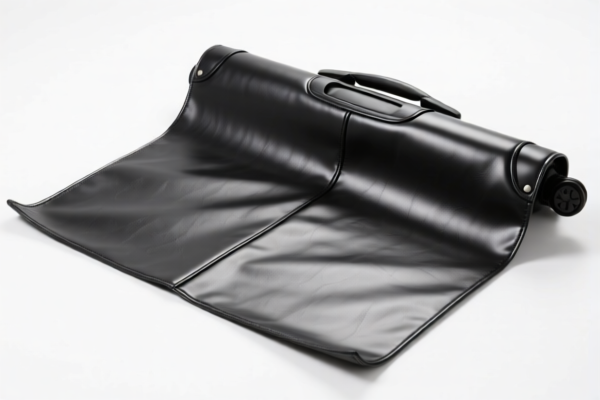
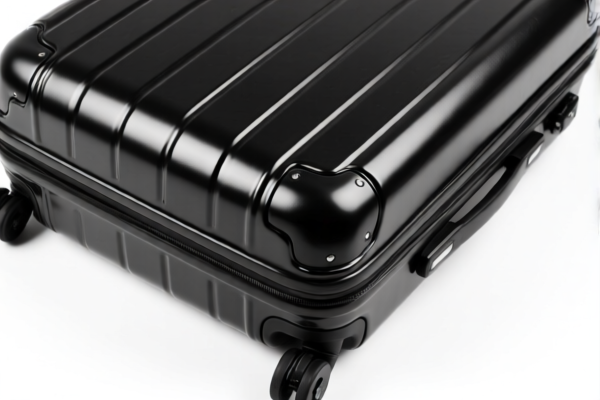
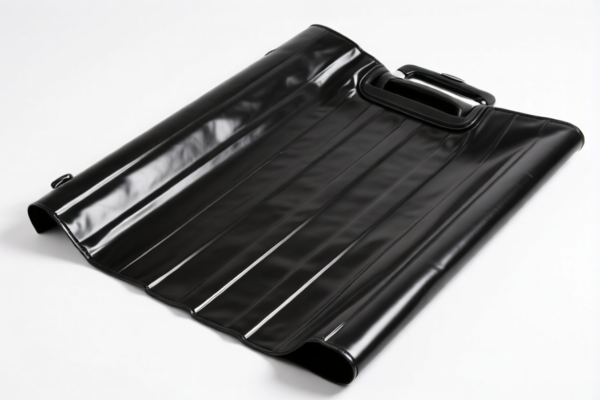
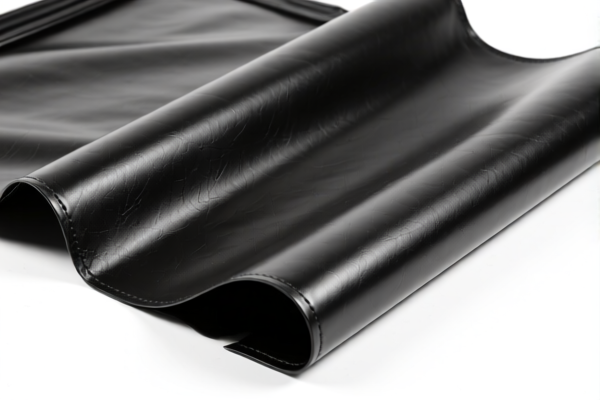
AI分析
🧳 PVC Leather Pattern Luggage Fabric (Travel Accessories Material)
🌐 HS Code Reference & Clearance Guide | 2026 Latest Tariff Analysis | Professional Customs Strategy
📌 I. Product Definition & Classification: What is "PVC Leather Pattern Luggage Fabric"?
PVC Leather Pattern Luggage Fabric is a composite textile material widely used in the manufacturing of soft-shell luggage, travel bags, cosmetic cases, and accessories. It consists of a fabric base coated or laminated with Polyvinyl Chloride (PVC) to simulate the texture and appearance of genuine leather while offering durability, water resistance, and cost-efficiency.
In international trade, classification depends on whether the product is viewed as a raw material for plastics, a specific accessory part, or a component for carrying bags.
⚠️ Key Distinction Point:
- Is it a plain sheet/material for general use? → Likely Chapter 39 (Plastics).
- Is it a specific accessory/parts for luggage? → Likely Chapter 42 (Leather goods/Accessories).
- Is it treated as raw material for carrying bags? → Likely 4202 sub-headings.
📦 II. HS Code Classification Details (2026 Latest Tariff Authority Comparison)
Based on the provided data for "PVC Leather Pattern Phone Case Material" (which shares identical material composition and chemical structure with luggage fabric), here are the three potential classifications. Note that "Luggage Fabric" is often classified under the same material codes as "Phone Case Material" when viewed as a plastic article or raw component.
| HS Code | Product Description | Applicability Scenario | Material Nature |
|---|---|---|---|
3926.90.99.89 |
Other articles of plastics and articles of other materials of Chapter 39: PVC Leather pattern material classified as "Other articles made of plastics and other materials" | General purpose plastic sheet/fabric; generic classification for non-specific plastic goods | ✅ Plastic-based |
3926.90.48.00 |
Plastic articles: Specifically categorized under plastic products with lower additional tariffs | Standard plastic articles, potentially benefiting from lower base tariffs if not subject to specific "122 clause" high penalties in this sub-category | ✅ Plastic-based |
4202.32.10.00 |
Articles of plastics, strengthened or laminated: Classified as "Raw material/Intermediate product" associated with items carried in handbags (luggage) | Luggage components, bag linings, or material intended for the manufacture of carrying cases | ✅ Laminated Plastic/Textile Composite |
🔍 Important Reminder:
- The classification4202.32.10.00is critical if the fabric is explicitly marketed or used as a component for luggage/bags. It links the material to the final product category (Carrying Bags).
- The classification3926.90.99.89and3926.90.48.00treat the fabric purely as a plastic article, ignoring its end-use in luggage.
- Do not mix these: You cannot classify the same shipment under multiple HS Codes without justification. Choose the one that best matches the physical form and intended use declared at entry.
💰 III. 2026 Latest Tariff Rate Detail (Including Surtaxes & Policy Add-ons)
✅ Applicable Country: United States (US)
✅ Country of Origin: China (CN)
✅ Effective Date: Ongoing (including subsequent imports post-2025)
🎯 1. 3926.90.99.89 – Other Plastic Articles (High Surcharge)
| Item | Content |
|---|---|
| Base Tariff | 5.3% |
| Section 301 Surcharge | +7.5% (Added Tariff) |
| Section 122 Tariff | +10% (Specific Policy Tariff) |
| Total Tax Rate | 22.8% |
| Tax Calculation | CIF Value × 22.8% |
| De Minimis Eligibility | ❌ No (High tariff rates typically disqualify from Section 321 de minimis benefits) |
| Legal Basis Path | HTS:3926.90.99.89 → Sec 301: Footnote 9903.88.01 → Sec 122: Specific Provision |
📌 Explanation:
- This is a high-cost classification for general plastic goods.
- The 22.8% total rate includes both Section 301 (301 Tariff) and Section 122 (often related to specific trade remedies or anti-dumping contexts depending on current enforcement).
- Risk: High duty burden reduces profit margins significantly.
🎯 2. 3926.90.48.00 – Plastic Articles (Low Surtax)
| Item | Content |
|---|---|
| Base Tariff | 3.4% |
| Section 301 Surcharge | +0.0% (Exempt or Not Applicable) |
| Section 122 Tariff | +10% |
| Total Tax Rate | 13.4% |
| Tax Calculation | CIF Value × 13.4% |
| De Minimis Eligibility | ⚠️ Check: May still be subject to strict scrutiny due to Sec 122 |
| Legal Basis Path | HTS:3926.90.48.00 → Sec 122: Specific Provision |
📌 Note:
- This is the most cost-effective classification among the plastic-based options.
- The 0% Section 301 is a significant advantage, but the 10% Section 122 still applies.
- Strategy: If your PVC fabric qualifies for this specific subheading (often used for specific plastic articles not otherwise specified), this is the preferred route for cost reduction.
🎯 3. 4202.32.10.00 – Luggage Components (Complex Ad Valorem + Specific Duty)
| Item | Content |
|---|---|
| Base Tariff | 12.1¢/kg + 4.6% |
| Section 301 Surcharge | +25.0% |
| Section 122 Tariff | +10% |
| Total Tax Rate | 12.1¢/kg + 4.6% + 25.0% + 10% (Cumulative) |
| Tax Calculation | (Weight × $0.121) + (CIF × 4.6%) + (CIF × 25%) + (CIF × 10%) |
| De Minimis Eligibility | ❌ No |
| Legal Basis Path | HTS:4202.32.10.00 → Sec 301: 25% → Sec 122: 10% |
📌 Explanation:
- This classification treats the fabric as a component of luggage (Chapter 42).
- The tariff structure is complex: It combines a specific duty (per kg) and an ad valorem duty (percentage).
- High Risk: The 25% Section 301 is the standard high tariff for many Chinese imports. Combined with the base rates and Section 122, the effective rate can be very high, especially for heavy shipments.
- Use Case: Only use if the goods are clearly identified as parts/components of luggage and not as general plastic sheets.
🛠️ IV. Customs Clearance Practical Advice (Battle-Tested Pitfall Guide)
✅ 1. Preparation Checklist (Mandatory)
| Document | Required | Notes |
|---|---|---|
| ✅ Product Specification Sheet | ✔️ | Must detail: PVC coating thickness, base fabric type (polyester/nylon), weight per sqm, fire retardancy status. |
| ✅ Composition Statement | ✔️ | Explicitly state: "100% PVC coated polyester fabric" or "PVC Leather Pattern Material". |
| ✅ Commercial Invoice | ✔️ | Must clearly describe item as "PVC Fabric for Luggage" or "Plastic Sheet Material". Avoid vague terms like "Textile". |
| ✅ HS Code Justification Memo | ✔️ | Explain why 4202 (if used) vs 3926 is correct. If using 4202, prove it is a component of Chapter 42 goods. |
| ✅ Photos (Actual Product) | ✔️ | Show the texture, roll format, and any branding. |
| ✅ FSC/CE/RoHS Certificates | ✔️ | Optional but helpful for proving compliance with environmental standards. |
✅ 2. Declaration Strategy (Key Mantras)
🔥 “Material vs. Part: Define Clearly! Don’t Hide in ‘Plastic’ if it’s ‘Luggage Part’!”
| Scenario | Correct Declaration | Wrong Practice |
|---|---|---|
| General Use PVC Fabric (Sold to manufacturers for various uses) | 3926.90.48.00 (Lower Tax) or 3926.90.99.89 |
Mislabeling as "Textile" → Section 321 issues |
| Specifically for Luggage (Sold as "Luggage Skin") | 4202.32.10.00 (Correct End-Use) |
Mislabeling as "Plastic Sheet" → Potential misclassification penalty |
| Small Samples | Use Section 321 De Minimis only if < $800 and not subject to Section 301/122. | Shipping large volumes under de minimis → Seizure! |
📌 Critical Warning:
- Section 122 (10%) applies to many Chinese imports. Ensure your HS Code is not exempt.
- Section 301 (25% or 7.5%) is the biggest cost driver.3926.90.48.00offers a 0% 301 tariff, which is a major advantage if eligible.
- Do not declare PVC Luggage Fabric as "Textile" (Chapter 59/60) if it is predominantly plastic-coated. It will be reclassified to Chapter 39 or 42, causing delays and penalties.
✅ 3. Special Circumstances Handling
| Situation | Handling Advice |
|---|---|
| OEM for Major Brands | Provide proof of end-use. If the fabric is exclusively for luggage, 4202.32.10.00 might be more accurate, but check tariff impact. |
| Mixed Shipment (Plastic parts + Textile lining) | Separate Declarations. Do not lump PVC fabric with cotton lining. Each part gets its own HS Code. |
| High-Value Luxury Luggage Fabric | Ensure "PVC Leather Pattern" is described accurately. If it mimics high-end leather, ensure no false "Leather" claims in description. |
| Environmental Compliance | PVC may face scrutiny for Phthalates. Ensure RoHS compliance certificates are ready to avoid EPA/CBP holds. |
🌍 V. Global Market Comparison (2026 Latest)
| Country/Region | Recommended HS Code | Tariff (China Origin) | Certification | Notes |
|---|---|---|---|---|
| 🇺🇸 USA | 3926.90.48.00 |
13.4% (Best Option) | No special certs | Avoid 3926.90.99.89 (22.8%) unless necessary. |
| 🇨🇳 China | 3921.13.00.00 |
0-5% | RoHS | Import duty is low, focus on VAT. |
| 🇪🇺 EU | 3921.13.00 |
6.5% | REACH + RoHS | PVC faces strict chemical regulations in EU. |
| 🇬🇧 UK | 3921.13.00 |
6.5% | UKCA + REACH | Post-Brexit rules apply. |
| 🇦🇺 Australia | 3921.13.00 |
5% | ATEX (if industrial) | Generally low barriers. |
📌 Conclusion:
- USA is the most challenging market due to Section 301 and Section 122 tariffs.
- Optimize for3926.90.48.00to save ~9.4% in duties compared to3926.90.99.89.
- EU has high environmental barriers for PVC; ensure REACH compliance to avoid clearance delays.
📌 VI. Common Mistakes & Pitfall Guide (Lessons Learned)
❌ Mistake 1: Declaring PVC Fabric as "Textile" (Chapter 60)
👉 Consequence: CBP reclassifies to Chapter 39 → Back taxes + Penalties for misdeclaration.
❌ Mistake 2: Ignoring Section 122 (10%) in tariff calculations
👉 Consequence: Underpayment of duty → Detention, storage fees, and eventual liquidation with interest.
❌ Mistake 3: Using De Minimis (Section 321) for Large Batches
👉 Consequence: Seizure of goods if value > $800 per person per day, or if goods are subject to Section 301/122 (which most PVC items are).
✅ Correct Approach:
"PVC Coated Polyester Fabric, Leather Pattern, Width 1.5m, Weight 0.8kg/sqm, For Luggage Manufacturing"
🎯 VII. Conclusion: Smart Classification, Smarter Profits
🎯 Remember the Mantras:
🔹 “Plastic Base? Check Chapter 39!”
🔹 “Luggage Part? Check Chapter 42!”
🔹 “Section 122 is always 10% – Budget for it!”
🔹 “3926.90.48.00 saves you ~9.4% vs 3926.90.99.89 – Optimize!”
📌 Pro Tip:
If your PVC luggage fabric is shipped in small quantities (< $800) and you are certain it is NOT subject to Section 301/122, you might use De Minimis. However, given the 122 Clause (10%) and 301 Clause (7.5% or 25%), it is highly risky. Always declare properly to avoid seizure.
📣 Immediate Action:
📞 Contact your customs broker with the HS Code
3926.90.48.00pre-validated.
📄 Prepare RoHS/REACH certificates for compliance.
🚀 Optimize your tariff burden by choosing the correct subheading.
✨ Professional Clearance Starts with Accurate Classification!
💼 Your Profit Margin Depends on These Decimals!
用户评价
关于 HS 编码归类
协调制度(HS)是由世界海关组织(WCO)制定的国际贸易商品分类标准。全球 200 多个国家采用 HS 系统作为海关关税、贸易统计和进出口监管的基础。
每个 HS 编码遵循以下层级结构:
- 章(2 位)——商品大类(例如:第 84 章:机器和机械设备)
- 品目(4 位)——章内的更具体分类
- 子目(6 位)——国际通用细分,所有 WCO 成员国统一使用
- 本国细分(8-10 位)——各国自行扩展的细分编码,如美国 HTSUS 10 位编码
正确的 HS 编码归类对于顺利通关、准确缴纳关税和遵守贸易法规至关重要。错误归类可能导致海关延误、多缴关税或罚款。
从CN进口到US时,适用的关税税率可能包括:
- 最惠国(MFN)税率——适用于 WTO 成员国的标准关税税率
- 普通税率——适用于无贸易协定国家
- 贸易救济关税——附加关税,如 301 条款(反倾销)、232 条款(国家安全)或反补贴税
本页内容仅供参考。如需正式归类,请咨询当地海关或持牌报关代理。