PVC Plastic Drinking Water Pipe
CN → US| HS编码 | 关税税率 | 原产国 | 目的国 | 文档 |
|---|---|---|---|---|
| 3926909987 | 22.8% | CN | US | 官方文档 |
| 3917320010 | 38.1% | CN | US | 官方文档 |
| 3917230000 | 38.1% | CN | US | 官方文档 |
| 3926909989 | 22.8% | CN | US | 官方文档 |
商品图片
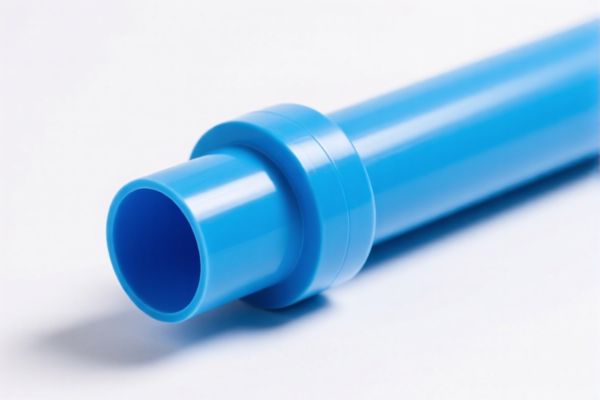
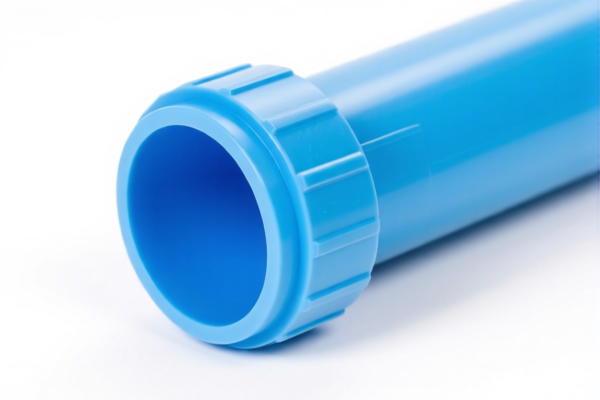
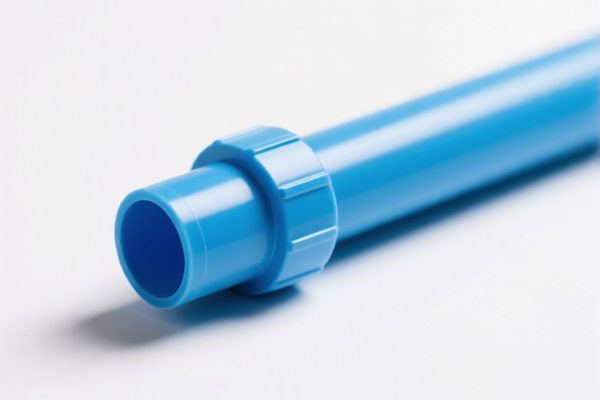
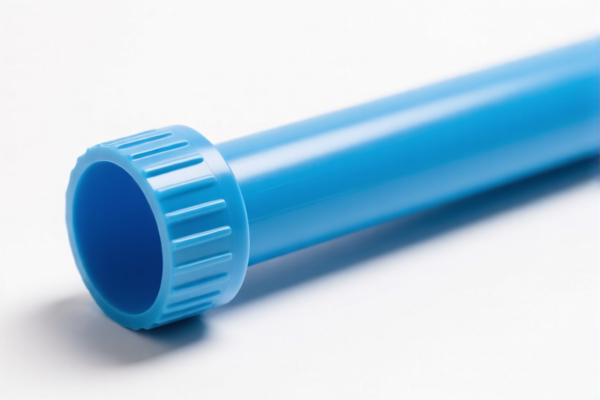
AI分析
🚰 PVC Plastic Drinking Water Pipe (Polyvinyl Chloride Piping System)
🌐 HS Code Reference & Customs Clearance Guide | 2026 Latest Tariff Analysis | Professional Customs Strategy
📌 I. Product Definition & Classification: Do You Really Understand "PVC Pipes"?
PVC drinking water pipes are essential components in residential, commercial, and industrial water supply systems. In international trade, classification depends heavily on the specific chemical composition, intended use, and structural characteristics defined in the Harmonized System (HS).
Key Classification Distinction: * Articles of Plastics (Heading 3917): Pipes, tubes, and hoses made of plastics, whether or not reinforced, molded, or fitted with valves or fittings. This is the primary category for functional piping systems. * Other Plastic Articles (Heading 3926): A "catch-all" category for plastic articles not specified elsewhere. Using this for pipes is often considered a "fallback" classification if the specific pipe criteria of 3917 are not strictly met, but it carries different tariff implications.
⚠️ Critical Distinction Point: * If the product is clearly a pipe, tube, or hose for conveying fluids (water, air, etc.) → It generally falls under 3917 (Pipes, tubes, and hoses). * If the product is a plastic fitting, connector, or irregular shape not strictly a "pipe" → It may fall under 3926 (Other plastic articles). * Risk: Misclassifying a standard PVC pipe as "other plastic article" (3926) can lead to customs audits, penalties, or back-tariffs if the authorities determine it fits the definition of 3917 more accurately.
📦 II. HS Code Classification Details (2026 Latest Tariff Authority Comparison)
| HS Code | Product Description | Applicability Scenario | Total Tax Rate | Key Tax Components |
|---|---|---|---|---|
3926.90.99.87 |
PVC Pipe, PVC Material, Pipe Form | Fallback category: "Other plastic articles" | 22.8% | Base: 5.3%, Sect 301: 7.5%, Section 122: 10% |
3917.32.00.10 |
PVC Pipe, PVC Material, Pipe Form | Preferred: Matches specific classification for plastic pipes | 38.1% | Base: 3.1%, Sect 301: 25.0%, Section 122: 10% |
3917.23.00.00 |
PVC Pipe, Vinyl Chloride Polymer, Pipe Form | Matches "Pipes, tubes, and hoses" criteria | 38.1% | Base: 3.1%, Sect 301: 25.0%, Section 122: 10% |
3926.90.99.89 |
PVC Pipe, Plastic Material, Pipe Form | Fallback category: "Other plastic articles" definition | 22.8% | Base: 5.3%, Sect 301: 7.5%, Section 122: 10% |
🔍 Key Insight: * 3917 vs. 3926: The core dispute is whether the item is strictly a "pipe" (3917) or an "other plastic article" (3926). * Tariff Impact: There is a 15.3% difference in total tax rates between the 3917 classifications (38.1%) and the 3926 fallbacks (22.8%). * Why the difference? Section 301 tariffs (US-China trade war) apply 25% to 3917 pipes but only 7.5% to most other plastic articles under 3926.
💰 III. 2026 Latest Tariff Rate Details (Including Surcharges & Policy Add-ons)
✅ Applicable Country: United States (US) ✅ Country of Origin: China (CN) ✅ Effective Date: Post-November 2025 (Including subsequent imports)
🎯 1. 3917.32.00.10 & 3917.23.00.00 —— Plastic Pipes (Primary Classification)
| Item | Content |
|---|---|
| Base Tariff | 3.1% (Ad Valorem) |
| USITC Surcharge (Section 301) | +25.0% (Standard penalty for Chinese-origin plastic pipes) |
| Section 122 Surcharge | +10.0% (Additional import duty on specific steel/aluminum/plastic imports, if applicable) |
| Total Tax Rate | 38.1% |
| Tax Calculation | CIF Value × 38.1% |
| De Minimis Eligibility | ❌ No (Deny de minimis) |
| Legal Basis Path | HTSUS:3917.23.00 / 3917.32.00 → Section 301: Footnote 9903.88.01 → Section 122 |
📌 Explanation: * Base Tariff (3.1%): Standard MFN (Most Favored Nation) rate for plastic pipes. * Section 301 (25%): This is the major cost driver. Plastic pipes from China are heavily targeted. * Section 122 (10%): An additional tariff imposed under 19 U.S.C. 1862, often applied to items deemed to harm national security or economy. * Total (38.1%): This is a high-cost classification. Importers must budget accordingly.
🎯 2. 3926.90.99.87 & 3926.90.99.89 —— Other Plastic Articles (Fallback Classification)
| Item | Content |
|---|---|
| Base Tariff | 5.3% (Ad Valorem) |
| USITC Surcharge (Section 301) | +7.5% (Reduced penalty for "other" plastic articles) |
| Section 122 Surcharge | +10.0% |
| Total Tax Rate | 22.8% |
| Tax Calculation | CIF Value × 22.8% |
| De Minimis Eligibility | ❌ No (Deny de minimis) |
| Legal Basis Path | HTSUS:3926.90.99 → Section 301: Footnote 9903.88.01 (Lower tier) → Section 122 |
📌 Explanation: * Base Tariff (5.3%): Slightly higher base rate than pipes, but much lower surcharges. * Section 301 (7.5%): A significant reduction from the 25% pipe rate, making this classification more tax-efficient. * Risk: Customs may reclassify these as 3917 if they determine the goods are strictly "pipes." Pre-classification rulings are highly recommended.
🛠️ IV. Customs Clearance Practical Advice (Real-World Pitfall Avoidance)
✅ 1. Required Documentation Checklist (No Exceptions)
| Document | Mandatory? | Description |
|---|---|---|
| ✅ Product Specifications | ✔️ | Must detail material (PVC/Unplasticized PVC), diameter, pressure rating, and intended use (e.g., "Drinking Water"). |
| ✅ Material Safety Data Sheet (MSDS) | ✔️ | Critical for "Drinking Water" pipes to prove compliance with NSF/ANSI 61 or FDA standards. |
| ✅ Product Photos | ✔️ | Clear images showing the pipe, markings (e.g., "NSF-61", "DWV", "Pressure Rating"), and packaging. |
| ✅ Commercial Invoice | ✔️ | Must explicitly state "PVC Pipe" or "Plastic Piping System," not vague terms like "Plastic Item." |
| ✅ Packing List | ✔️ | Itemized list of pipes, fittings, and any accessories. |
| ✅ Certificate of Origin (CO) | ✔️ | Essential for determining Section 301 applicability. |
| ✅ Third-Party Certification | ✔️ | NSF/ANSI 61, WQA Gold Seal, or FDA compliance for potable water use. |
✅ 2. Declaration Tips (Key Mantra)
🔥 "Material Clear, Use Specific, Avoid 'Other' if Possible!"
| Scenario | Correct Declaration Approach | Wrong Approach |
|---|---|---|
| Standard PVC Water Pipe | Use 3917 codes if it meets pipe definition. Provide NSF certs. | Vague "Plastic Pipe" without material specs → Risk of reclassification. |
| PVC Fittings/Connectors | May fall under 3926.90.99 if not strictly a "pipe." | Labeling a fitting as a "pipe" to save tax → High audit risk. |
| Mixed Shipment (Pipes + Fittings) | Split Declaration: Pipes under 3917, Fittings under 3926. | Combining all into one HS Code → Incorrect valuation and potential penalties. |
| "Drinking Water" Specific | Emphasize NSF 61 certification in description. | Omitting water-safe certification → Customs may flag for health safety. |
✅ 3. Special Case Handling
| Situation | Handling Advice |
|---|---|
| Unplasticized PVC (uPVC) | Clearly state "Unplasticized" or "uPVC." This is critical for 3917.23 vs 3917.32 differentiation. |
| PVC with Linings | If the pipe has an internal lining for water safety, declare the lining material and compliance standards. |
| Re-exported Goods | If pipes were manufactured in China but shipped via Vietnam/Mexico, transshipment rules apply. You still face 301 tariffs if origin is CN. |
| Sample vs. Commercial | Even samples are subject to de minimis exemptions only if under $800. For commercial imports, no de minimis. |
🌍 V. Global Market Comparison (2026 Latest)
| Country/Region | Recommended HS Code | Tariff (China Origin) | Certification Requirements | Notes |
|---|---|---|---|---|
| 🇺🇸 USA | 3917.32.00.10 or 3926.90.99 |
22.8% - 38.1% | NSF 61, FDA Compliance | High Section 301 duties. |
| 🇨🇳 China | 3917.32.00.10 |
3.1% | GB/T Standards, CDC Health Permit | Low tariff, strict health certs. |
| 🇪🇺 EU | 3917.23.00 |
6.5% | WRAS, KTW, DVGW | No Section 301. Strict chemical regulations. |
| 🇨🇦 Canada | 3917.32.00.10 |
6.5% | CSA B65.3, NSF 61 | CUSMA agreement may offer 0% if rules of origin met. |
| 🇯🇵 Japan | 3917.23.00.00 |
6.0% | JIS K 6743, JIS A 5370 | High quality standards, JIS certification required. |
📌 Conclusion: * USA is the most expensive market due to Section 301 and 122 tariffs. * EU and Japan have lower base tariffs but strict health and environmental certifications (WRAS, JIS). * Certification is key: For drinking water pipes, NSF 61 (US) or WRAS (UK/EU) is non-negotiable for market access, regardless of tariff.
📌 VI. Common Mistakes & Pitfall Guide (Lessons Learned)
❌ Mistake 1: Using "Other Plastic Articles" (3926) for standard pipes to save tax. 👉 Consequence: Customs audit → Reclassification to 3917 → Back taxes + Penalties (38.1% vs 22.8%).
❌ Mistake 2: Omitting "Drinking Water" or "NSF 61" in description. 👉 Consequence: Customs holds shipment for health safety review → Delays + Demurrage fees.
❌ Mistake 3: Confusing uPVC with PVC. 👉 Consequence: Incorrect HS Code subheading → Incorrect duty rate → Compliance violation.
❌ Mistake 4: Ignoring Section 122. 👉 Consequence: Under-declaration of 10% additional duty → 100% penalty on unpaid tax.
✅ Correct Practice:
"Unplasticized Polyvinyl Chloride (uPVC) Pipe, NSF/ANSI 61 Certified for Drinking Water, Pressure Rating 150 PSI, OD 4 Inches, Origin: China"
🎯 VII. Conclusion: Professional Declaration, Save Costs, Ensure Compliance!
🎯 Remember the Mantra:
🔹 "Pipes are 3917, Fittings 3926, NSF 61 is a must, Section 301 bites hard!" 🔹 "HS Code determines destiny, tax difference is 15%, one step wrong, cost spikes!"
📌 Pro Tip: * If your PVC pipes are originating from Vietnam, Mexico, or Thailand, you may be eligible for CUSMA/USMCA or USMCA preferences, reducing Section 301 duties to 0% (subject to rules of origin). * Highly Recommended: Apply for a Customs Ruling (Pre-classification) before shipping large volumes. This provides legal certainty and protects against future audits.
📣 Immediate Action:
📞 Contact a licensed customs broker + Provide NSF 61 Certificate + Apply for HS Code Pre-ruling 🚀 Ensure your PVC pipes clear customs smoothly, comply with health standards, and maximize profit margins!
✨ Professional Customs Clearance Starts with Accurate Classification! 💼 Every cent of cost is worth precise calculation!
用户评价
关于 HS 编码归类
协调制度(HS)是由世界海关组织(WCO)制定的国际贸易商品分类标准。全球 200 多个国家采用 HS 系统作为海关关税、贸易统计和进出口监管的基础。
每个 HS 编码遵循以下层级结构:
- 章(2 位)——商品大类(例如:第 84 章:机器和机械设备)
- 品目(4 位)——章内的更具体分类
- 子目(6 位)——国际通用细分,所有 WCO 成员国统一使用
- 本国细分(8-10 位)——各国自行扩展的细分编码,如美国 HTSUS 10 位编码
正确的 HS 编码归类对于顺利通关、准确缴纳关税和遵守贸易法规至关重要。错误归类可能导致海关延误、多缴关税或罚款。
从CN进口到US时,适用的关税税率可能包括:
- 最惠国(MFN)税率——适用于 WTO 成员国的标准关税税率
- 普通税率——适用于无贸易协定国家
- 贸易救济关税——附加关税,如 301 条款(反倾销)、232 条款(国家安全)或反补贴税
本页内容仅供参考。如需正式归类,请咨询当地海关或持牌报关代理。