PVC Plastic Fire Fighting Tubes
CN → US| HS编码 | 关税税率 | 原产国 | 目的国 | 文档 |
|---|---|---|---|---|
| 3926909987 | 22.8% | CN | US | 官方文档 |
| 3917320010 | 38.1% | CN | US | 官方文档 |
| 3917230000 | 38.1% | CN | US | 官方文档 |
| 3926909989 | 22.8% | CN | US | 官方文档 |
商品图片
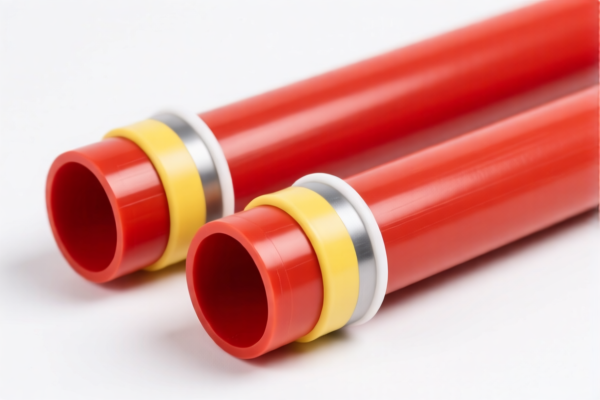
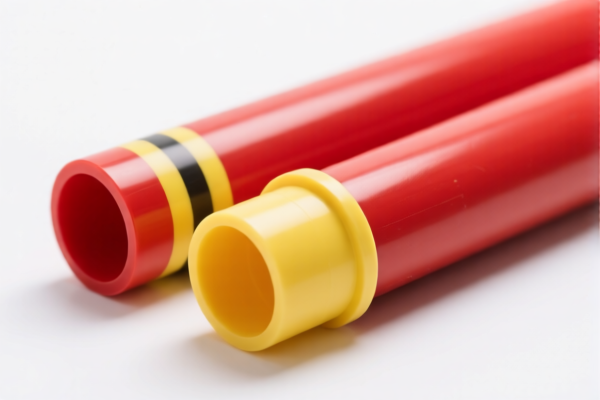
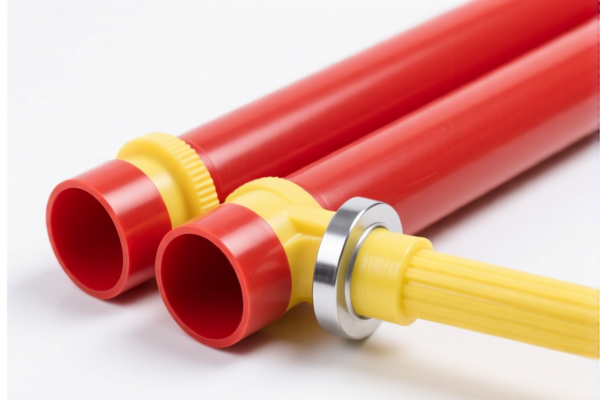
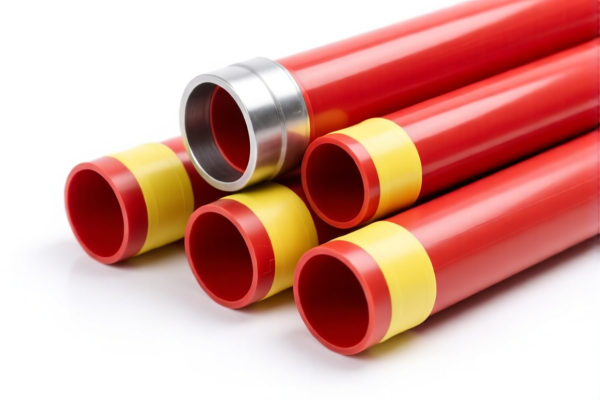
AI分析
🔥 PVC Plastic Fire Fighting Tubes
🌐 HS Code Reference & Customs Clearance Guide | 2026 Latest Tariff Analysis | Professional Clearance Strategy
📌 I. Product Definition & Classification: Do You Really Understand "PVC Fire Fighting Tubes"?
PVC (Polyvinyl Chloride) pipes are among the most common plastic pipes used in the world. When applied to fire fighting systems, their classification depends heavily on whether they are considered "parts of general-purpose pipes" or "specialized polymer products." In international trade, specifically for US imports from China, the distinction between Chapter 39 (Plastics) subheadings is critical for tax implications.
⚠️ Key Distinction Point:
- If the pipe is considered a general-purpose PVC tube (often used for water conveyance, drainage, or fire suppression as part of a broader plumbing system) and falls under general plastic articles → 3926.90
- If the pipe is specifically classified under "Plastic Pipes" within Chapter 39 → 3917.3x
📦 II. HS Code Classification Details (2026 Latest Tariff Authority Comparison)
Based on the provided data for PVC Plastic Fire Fighting Tubes, here are the four potential HS Codes and their corresponding tax implications.
| HS Code | Product Description | Applicability & Rationale | Total Tax Rate |
|---|---|---|---|
3917.32.00.10 |
Plastic pipes and fittings (PVC specific) | High Precision: PVC material, pipe form. Fully matches the specific classification for plastic pipes. | 38.1% |
3917.23.00.00 |
Pipes of polymers of vinyl chloride (PVC) | Material Specific: Focuses on "Vinyl Chloride Polymers." Form is pipe. Matches classification completely. | 38.1% |
3926.90.99.87 |
Other塑料制品 (Other Plastic Articles) - Catch-all | Catch-all/Bottom: PVC material, pipe form. Classified as other plastic products. Fits the "other articles" bottom category. | 22.8% |
3926.90.99.89 |
Other塑料制品 (Other Plastic Articles) - General Catch-all | Catch-all: PVC material, pipe form. Fits the general definition of other plastic products. | 22.8% |
🔍 Important Reminder:
- 3917 Series (3917.32.00.10 & 3917.23.00.00): These are more specific to "Plastic Pipes." They attract higher tariffs due to specific trade restrictions on plastic pipes. - 3926 Series (3926.90.99.87 & 3926.90.99.89): These are "Other Plastic Articles." They are treated as a "catch-all" for plastic goods that don't fit elsewhere. They attract lower tariffs. - Selection Strategy: The choice between 3917 and 3926 depends on the specific customs interpretation of whether the PVC pipe is viewed primarily as a "pipe" (3917) or a general "plastic article" (3926). For fire fighting applications, customs may scrutinize the "use" and "specifications" (e.g., pressure rating, fire-resistance additives).
💰 III. 2026 Latest Tariff Rate Breakdown (Including Surtaxes & Policy Add-ons)
✅ Applicable Country: USA (US)
✅ Origin: China (CN)
✅ Effective Date: 2025/2026 (Subject to Section 301 & IEEPA updates)
🎯 1. 3926.90.99.87 & 3926.90.99.89 —— Other Plastic Articles (Catch-all)
| Item | Content |
|---|---|
| Base Tariff | 5.3% (Ad valorem) |
| Surtax (Section 301) | +7.5% (Additional duty for Chinese origin plastic products) |
| IEEPA Surtax | +10% (China-specific emergency tariff) |
| Total Tariff Rate | 22.8% |
| Tax Calculation | CIF Value × 22.8% |
| De Minimis Eligibility | ❌ No (High risk of audit if split shipments) |
| Legal Basis Path | USITC:3926.90.99 → Section 301 Footnote → IEEPA:9903.01.24 |
📌 Explanation:
- Base 5.3%: Standard US duty for other plastic articles. - Surtax 7.5%: Additional duty under Section 301 for specific plastic goods. - IEEPA 10%: Tariff imposed under the International Emergency Economic Powers Act on Chinese goods. - Total 22.8%: This is the more favorable rate among the options, provided the goods are accepted as "Other Plastic Articles" rather than specific "Pipes."
🎯 2. 3917.32.00.10 & 3917.23.00.00 —— Plastic Pipes (PVC Specific)
| Item | Content |
|---|---|
| Base Tariff | 3.1% (Ad valorem) |
| Surtax (Section 301) | +25.0% (Significant additional duty for plastic pipes) |
| IEEPA Surtax | +10% (China-specific emergency tariff) |
| Total Tariff Rate | 38.1% |
| Tax Calculation | CIF Value × 38.1% |
| De Minimis Eligibility | ❌ No (Strict scrutiny on pipe imports) |
| Legal Basis Path | USITC:3917.32/3917.23 → Section 301 Footnote → IEEPA:9903.01.24 |
📌 Explanation:
- Base 3.1%: Lower base duty for plastic pipes compared to general plastic articles. - Surtax 25%: Critical Difference! Section 301 imposes a much higher surtax (25%) on plastic pipes (Chapter 3917) than on general plastic articles (Chapter 3926). - IEEPA 10%: Same emergency tariff. - Total 38.1%: This is the higher cost option. Customs often defaults to 3917 if the product is explicitly a "pipe" used for fluid conveyance, which can include fire fighting systems.
🛠️ IV. Customs Clearance Practical Advice (Pitfall Avoidance Guide)
✅ 1. Preparation Checklist (Non-negotiable)
| Document | Required | Notes |
|---|---|---|
| ✅ Product Specification Sheet | ✔️ | Must specify material (PVC), dimensions, pressure rating, and intended use (Fire Fighting). |
| ✅ Material Safety Data Sheet (MSDS) | ✔️ | Proves PVC composition and any fire-retardant additives. |
| ✅ Product Photos | ✔️ | Clear images of the pipe, joints, and any fire-certification labels (e.g., UL, FM). |
| ✅ Commercial Invoice | ✔️ | Must clearly state "PVC Fire Fighting Tube" and avoid vague terms like "Plastic Pipe." |
| ✅ Packing List | ✔️ | Detail weights and dimensions to avoid discrepancy checks. |
| ✅ Fire Certification | ✔️ | If claimed for fire fighting, provide UL/FM certification to justify specific use and potentially argue for "specialized" status. |
✅ 2. Declaration Strategy (Key Mnemonic)
🔥 "Use Defines Code, Spec Defines Rate!"
| Scenario | Correct Declaration Approach | Risk if Incorrect |
|---|---|---|
| Standard PVC Pipe | Declare as 3917.32.00.10 or 3917.23.00.00 (Plastic Pipes) |
If misclassified as 3926, you risk back taxes + penalties because 3917 is more specific. |
| Specialized Fire-Fighting Component | Argue for 3926.90.99.87 (Other Plastic Articles) if it includes complex fittings or is a specialized component not just a simple pipe. |
Harder to justify; requires strong evidence that it's not a standard pipe. |
| Mixed Shipment | Separate PVC pipes from other plastic parts. Do not lump them together. | Misclassification of the entire shipment. |
| Origin Marking | Clearly mark "Made in China" on the pipe or packaging. | If missing, customs may apply higher punitive duties or reject entry. |
✅ 3. Special Handling for Fire Fighting Applications
| Situation | Handling Advice |
|---|---|
| Certified Fire Pipes (UL Listed) | Provide UL/FM reports. While this doesn't change the HS Code directly, it proves the product's specific industrial use, which may help in arguing for a more favorable interpretation if there's ambiguity between 3917 and 3926. |
| PVC vs. CPVC | Ensure you declare PVC (Polyvinyl Chloride), not CPVC (Chlorinated Polyvinyl Chloride). CPVC has different HS codes (often 3917.29 or similar) and different tax rates. Misdeclaring CPVC as PVC can lead to severe penalties. |
| Fire Sprinkler Systems | If the tubes are part of a complete fire sprinkler system, consider if they should be declared as parts of fire sprinkler systems (Chapter 84 or 90) if the system is complete. For tubes alone, stick to Chapter 39. |
🌍 V. Global Market Comparison (2026 Update)
| Country/Region | Recommended HS Code | Tariff (China Origin) | Certification | Notes |
|---|---|---|---|---|
| 🇺🇸 USA | 3917.32.00.10 / 3917.23.00.00 |
38.1% | UL, FM | High surtax on pipes. |
| 🇺🇸 USA | 3926.90.99.87 |
22.8% | UL, FM | Lower rate if accepted as "other plastic article." |
| 🇨🇳 China | 3917.32.00.10 |
5% | GB Standards | No additional surtaxes. |
| 🇪🇺 EU | 3917.23.00.00 |
6.5% | CE, REACH | No Section 301 equivalent, but strict REACH compliance. |
| 🇦🇺 Australia | 3917.23.00.00 |
5% | AS/NZS Standards | General FTA benefits may apply if eligible. |
📌 Conclusion:
- The USA imposes the highest effective tariff due to Section 301 and IEEPA add-ons. - The difference between 22.8% and 38.1% is 15.3%, which is significant for large shipments. - Strategy: Try to argue for3926.90.99.87if the product can be classified as a "specialized plastic article" rather than a generic "pipe," but be prepared with strong technical documentation. If it's a standard PVC pipe, expect3917and the 38.1% rate.
📌 VI. Common Mistakes & Pitfalls (Lessons Learned)
❌ Mistake 1: Declaring PVC Fire Pipes as 3926.90.99.89 without justification
👉 Consequence: Customs may reject the "other article" classification and reassess at 3917 (38.1%), leading to back taxes + interest.
❌ Mistake 2: Confusing PVC with CPVC
👉 Consequence: CPVC has different chemical properties and may fall under a different subheading. Mislabeling can lead to seizure if the product fails chemical analysis.
❌ Mistake 3: Omitting Fire Certification Details
👉 Consequence: Without proof of fire-certified use, customs may view it as a generic plumbing pipe, increasing scrutiny on the classification between 3917 and 3926.
❌ Mistake 4: Not marking "Made in China"
👉 Consequence: Violation of US Customs marking laws, leading to fines and delays.
✅ Correct Approach:
"PVC Fire Fighting Tube, UL Listed, Pressure Rating 150 PSI, Material: Polyvinyl Chloride (PVC), Origin: China"
🎯 VII. Conclusion: Professional Declaration, Cost Optimization!
🎯 Remember the Mnemonic:
🔹 "Pipes are 3917 (38.1%), Articles are 3926 (22.8%)!"
🔹 "Certify Fire Use, Mark Origin, Avoid the 15% Pitfall!"
🔹 "HS Code Defines Tax, Documentation Defines Clearance!"
📌 Pro Tip:
If your shipment volume is large, consider applying for an Advance Ruling from US Customs and Border Protection (CBP) to officially determine the correct HS Code (3917 vs. 3926) before shipping. This provides legal certainty and protects you from retroactive tax assessments.
📣 Immediate Action:
📞 Contact a licensed customs broker + Provide UL/FM certifications + Request Advance Ruling
🚀 Ensure your PVC Fire Fighting Tubes clear customs smoothly, minimize tax burden, and protect your supply chain!
✨ Professional Clearance Starts with Accurate Classification!
💼 Every Percent Saved is Pure Profit!
用户评价
关于 HS 编码归类
协调制度(HS)是由世界海关组织(WCO)制定的国际贸易商品分类标准。全球 200 多个国家采用 HS 系统作为海关关税、贸易统计和进出口监管的基础。
每个 HS 编码遵循以下层级结构:
- 章(2 位)——商品大类(例如:第 84 章:机器和机械设备)
- 品目(4 位)——章内的更具体分类
- 子目(6 位)——国际通用细分,所有 WCO 成员国统一使用
- 本国细分(8-10 位)——各国自行扩展的细分编码,如美国 HTSUS 10 位编码
正确的 HS 编码归类对于顺利通关、准确缴纳关税和遵守贸易法规至关重要。错误归类可能导致海关延误、多缴关税或罚款。
从CN进口到US时,适用的关税税率可能包括:
- 最惠国(MFN)税率——适用于 WTO 成员国的标准关税税率
- 普通税率——适用于无贸易协定国家
- 贸易救济关税——附加关税,如 301 条款(反倾销)、232 条款(国家安全)或反补贴税
本页内容仅供参考。如需正式归类,请咨询当地海关或持牌报关代理。