PVC Plastic Hose
CN → US| HS编码 | 关税税率 | 原产国 | 目的国 | 文档 |
|---|---|---|---|---|
| 3917390020 | 38.1% | CN | US | 官方文档 |
| 5909002000 | 38.3% | CN | US | 官方文档 |
| 3917320010 | 38.1% | CN | US | 官方文档 |
| 3917390020 | 38.1% | CN | US | 官方文档 |
| 3917320010 | 38.1% | CN | US | 官方文档 |
商品图片

AI分析
🛢️ PVC Plastic Hose (Polyvinyl Chloride Hose)
🌐 HS Code Reference & Customs Clearance Guide | 2026 Latest Tariff Analysis | Professional Compliance Strategy
📌 I. Product Definition & Classification: Do You Really Know "PVC Hose"?
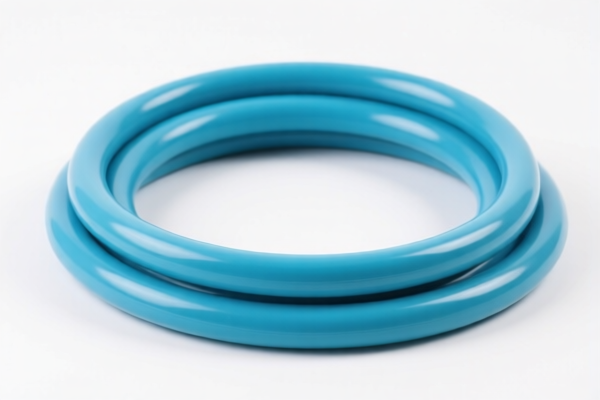
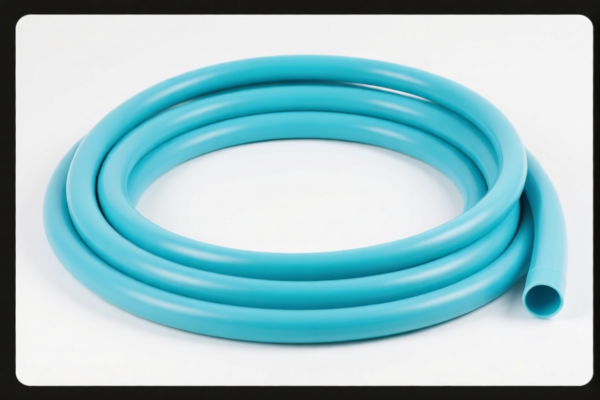
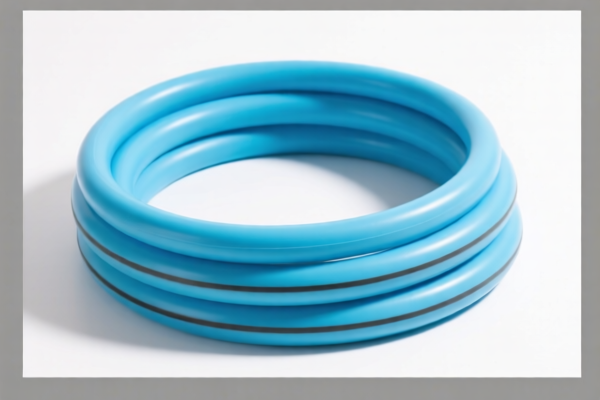
PVC hoses are flexible conduits made from Polyvinyl Chloride, widely used in industrial, agricultural, and household applications for transporting water, air, chemicals, and granular materials. In international trade, misclassification is common because "hose" is a generic term. However, under the Harmonized System (HS), precise classification depends on the material composition and specific structure.
Based on the provided data, your PVC hoses fall into one of two primary categories: 1. General PVC Hoses: Standard flexible tubes for general use. 2. High-Pressure PVC Hoses: Reinforced or thick-walled tubes designed for high-pressure applications.
⚠️ Key Distinction Point: - If the hose is a standard PVC tube without specific textile reinforcement that moves it to Chapter 59, it typically falls under Chapter 39 (Plastics). - If the hose has a specific textile fabric lining or is classified as a "textile hose" (though rare for pure PVC, sometimes applied to composite hoses), it might touch Chapter 59. However, the data provided strongly points to Chapter 39 for standard and high-pressure PVC, with one specific entry for "textile-like" classification. - Critical Note: The term "High-Pressure" (高压) is a functional descriptor, but the HS code is determined by the material (PVC) and form (Hose/Tube), not just the pressure rating.
📦 II. HS Code Classification Details (2026 Latest Tariff Authority Match)
| HS Code | Product Description | Summary / Applicable Scenario | Key Differentiator |
|---|---|---|---|
3917.39.00.20 |
Other tubes, pipes & hoses, of plastics (Specific PVC Subheading) | Standard PVC plastic hoses; General purpose flexible PVC tubing. | ✅ Most Common for general PVC hoses. |
3917.32.00.10 |
Other tubes, pipes & hoses, of plastics (Polyethylene/PVC Other) | PVC plastic hoses; Other PVC tubes not elsewhere specified. | ✅ Alternative for PVC hoses not fitting "3917.39". |
3917.39.00.20 |
High-pressure PVC plastic hose (Specific PVC Subheading) | High-pressure PVC hoses. | ✅ Same code as general, but description matters for customs verification. |
3917.32.00.10 |
High-pressure PVC plastic hose (Other) | High-pressure PVC hoses. | ✅ Alternative high-pressure code. |
5909.00.20.00 |
Textile hoses and similar tubing (PVC Material) | PVC hoses classified under textile hose categories. | ⚠️ Rare: Only if the hose structure is legally defined as "textile-like" or composite with significant textile component meeting Ch. 59 criteria. |
🔍 Important Reminder: -
3917.39.00.20and3917.32.00.10are the primary codes for PVC hoses. The choice between them depends on the specific national subheading definitions (often related to whether it's considered "other" vs. specific PVC types). -5909.00.20.00is an outlier. Use this only if your hose is a composite textile hose with a PVC lining/coating that meets the specific legal definition of "textile hose." For pure PVC, this is likely incorrect and could lead to audit risks. - High-Pressure hoses usually use the same HS codes as low-pressure hoses (Ch 39.17) but the commercial invoice description must explicitly state "High-Pressure" to justify any potential inspection or valuation differences.
💰 III. 2026 Latest Tariff Rate Breakdown (Including Surcharges & Policy Add-ons)
✅ Applicable Country: United States (US)
✅ Origin: China (CN)
✅ Effective Time: 2025/2026 (Current Active Surcharges)
All the HS Codes in your data share a identical tax structure due to the "China Origin" surcharges. This is a critical cost driver.
🎯 1. 3917.39.00.20 & 3917.32.00.10 — PVC Plastic Hoses (General & High-Pressure)
| Item | Details |
|---|---|
| Base Tariff | 3.1% (Ad Valorem) |
| Section 301 Tariff (Trade War) | +25.0% |
| Section 122 Tariff (122 Clause) | +10.0% |
| Total Effective Tax Rate | 38.1% |
| Tax Calculation | CIF Value × 38.1% |
| De Minimis Exemption? | ❌ NO (Denied for China-origin goods under current USITC rules) |
| Legal Basis Path | USITC:3917.39.00.20 → Section301:Footnote1 → Section122:SpecialTariff |
📌 Explanation: - Base 3.1%: The standard MFN (Most Favored Nation) duty for plastic hoses. - 25% Section 301: The standard punitive tariff on Chinese goods. - 10% Section 122: A specific additional tariff often applied to certain imports from China under emergency trade authorities. - Total 38.1%: This is a high burden. It significantly impacts profit margins.
🎯 2. 5909.00.20.00 — Textile Hoses (PVC Material)
| Item | Details |
|---|---|
| Base Tariff | 3.3% (Ad Valorem) |
| Section 301 Tariff | +25.0% |
| Section 122 Tariff | +10.0% |
| Total Effective Tax Rate | 38.3% |
| Tax Calculation | CIF Value × 38.3% |
| De Minimis Exemption? | ❌ NO |
| Legal Basis Path | USITC:5909.00.20.00 → Section301:Footnote1 → Section122:SpecialTariff |
📌 Note: - The rate is marginally higher (38.3% vs 38.1%) due to the slightly higher base duty (3.3% vs 3.1%). - Risk: Using
5909.00.20.00for a standard PVC hose is a classification error. If customs discovers the hose is not a "textile hose," you will face penalties, back taxes, and potential legal action for misdeclaration.
🛠️ IV. Customs Clearance Practical Advice (Avoiding Pitfalls)
✅ 1. Document Checklist (Mandatory)
| Document | Required? | Details |
|---|---|---|
| ✅ Commercial Invoice | ✔️ | Must specify: "PVC Plastic Hose", Material: 100% PVC (or % composition), Diameter, Wall Thickness, Pressure Rating (if high-pressure). |
| ✅ Packing List | ✔️ | Weight, dimensions, number of coils/lengths. |
| ✅ Product Specification Sheet | ✔️ | Crucial for distinguishing between 3917.39 and 3917.32. Include material safety data sheet (MSDS). |
| ✅ HS Code Pre-Ruling | ✔️ | Strongly Recommended. Get a binding ruling from US CBP to lock in the 38.1% rate and avoid disputes over 5909. |
| ✅ Origin Certificate | ✔️ | Proof of Chinese origin triggers the 301/122 tariffs. |
✅ 2. Classification Strategy (Key Tips)
🔥 “Material First, Function Second. PVC is King in Ch. 39.”
| Scenario | Correct HS Code | Wrong Code | Consequence of Error |
|---|---|---|---|
| Standard PVC Hose | 3917.39.00.20 or 3917.32.00.10 |
5909.00.20.00 |
Audit risk. Customs may reclassify and penalize for misdeclaration. |
| High-Pressure PVC Hose | 3917.39.00.20 or 3917.32.00.10 |
8483 (Valves/Pumps) |
Misclassification. Hoses are Ch 39, not machinery. |
| Composite Textile Hose (PVC-lined) | 5909.00.20.00 |
3917.39.00.20 |
Underpayment of duty (if base rate differs) or Overpayment (if 5909 is misapplied). |
✅ 3. Special Situation Handling
| Situation | Advice |
|---|---|
| OEM/Private Label | Ensure the invoice lists the manufacturer and country of origin clearly. The tariff applies to the origin, not the brand. |
| High-Pressure vs. Low-Pressure | The HS code is often the same, but declare pressure rating. This helps customs officers verify the product's nature and reduces suspicion of under-valuation. |
| Mixed Shipments | If shipping PVC hoses with other plastic goods, separate invoices are recommended to avoid cross-classification errors. |
| Section 122 Impact | Since 122 adds 10%, it is non-negotiable for China-origin goods. Plan cash flow accordingly. Do not assume exemptions. |
🌍 V. Global Market Comparison (2026 Latest)
| Country/Region | Recommended HS Code | Tariff (China Origin) | Certification | Notes |
|---|---|---|---|---|
| 🇺🇸 USA | 3917.39.00.20 |
38.1% | No major safety certs (except FDA if for food/water) | Highest tariffs due to 301 + 122 clauses. |
| 🇨🇳 China | 3917.39.00.20 |
0% - 5% | GB Standard | Export duty may apply. |
| 🇪🇺 EU | 3917.39 |
6.5% | REACH, RoHS | No Section 301/122. Lower than US. |
| 🇬🇧 UK | 3917.39 |
6.5% | UKCA | Post-Brexit rules apply. |
| 🇦🇺 Australia | 3917.39 |
5% | ACMA | No major surcharges. |
📌 Conclusion: - The US market is the most expensive for PVC hoses from China due to the 38.1% total tariff. - EU/UK/Australia offer significantly lower duty rates (~5-6.5%), making them more competitive if logistics and certifications are met. - Strategy: If targeting the US, consider cost absorption or supply chain diversification (e.g., sourcing from Vietnam/Thailand for US export to avoid China tariffs, though rules of origin must be strict).
📌 VI. Common Errors & Pitfalls (Blood Lessons)
❌ Error 1: Classifying PVC hose as 5909.00.20.00 without textile evidence.
👉 Consequence: Customs audit, reclassification, penalties, and potential seizure.
❌ Error 2: Ignoring the "High-Pressure" label in the description. 👉 Consequence: Customs may question the value or nature of the goods, leading to delays. Always describe it accurately: "High-Pressure PVC Hose, 100 Bar, 2-inch Diameter."
❌ Error 3: Assuming "De Minimis" (Section 321) applies. 👉 Consequence: NO. PVC hoses from China are explicitly excluded from de minimis exemptions due to 301/122 tariffs. All duties must be paid at entry.
❌ Error 4: Mixing HS codes in one shipment without clear separation. 👉 Consequence: Complex customs examination, high probability of hold-up.
✅ Correct Approach:
"PVC Plastic Hose, Flexible, 1/2 Inch Diameter, Standard Pressure, Made in China, HS Code 3917.39.00.20"
🎯 VII. Conclusion: Precision in Classification Saves Money!
🎯 Remember the Motto:
🔹 "PVC is Ch. 39, Not Ch. 59. Unless it's Textile!"
🔹 "38.1% is the US Reality. Plan your margin accordingly."
🔹 "Pre-Ruling is Your Best Friend. Avoid the 10% Surprise."
📌 Pro Tip:
If you are exporting to the US, apply for a Binding Tariff Information (BTI) or CBP Ruling before your first shipment. This locks in the 3917.39.00.20 or 3917.32.00.10 classification and ensures the 38.1% rate is pre-agreed, avoiding disputes at the port.
📣 Immediate Action:
📞 Contact your customs broker with the product spec sheet and request an HS Code Pre-Ruling.
🚀 Optimize your supply chain to absorb or mitigate the 38.1% tariff.
💡 Consider alternative markets (EU, Asia) if US tariffs are too prohibitive.
✨ Professional Clearance, Starts with Accurate Classification!
💼 Every percentage point of tariff is pure profit loss. Protect your margin!
用户评价
关于 HS 编码归类
协调制度(HS)是由世界海关组织(WCO)制定的国际贸易商品分类标准。全球 200 多个国家采用 HS 系统作为海关关税、贸易统计和进出口监管的基础。
每个 HS 编码遵循以下层级结构:
- 章(2 位)——商品大类(例如:第 84 章:机器和机械设备)
- 品目(4 位)——章内的更具体分类
- 子目(6 位)——国际通用细分,所有 WCO 成员国统一使用
- 本国细分(8-10 位)——各国自行扩展的细分编码,如美国 HTSUS 10 位编码
正确的 HS 编码归类对于顺利通关、准确缴纳关税和遵守贸易法规至关重要。错误归类可能导致海关延误、多缴关税或罚款。
从CN进口到US时,适用的关税税率可能包括:
- 最惠国(MFN)税率——适用于 WTO 成员国的标准关税税率
- 普通税率——适用于无贸易协定国家
- 贸易救济关税——附加关税,如 301 条款(反倾销)、232 条款(国家安全)或反补贴税
本页内容仅供参考。如需正式归类,请咨询当地海关或持牌报关代理。