PVC Plastic Protective Film
CN → US| HS编码 | 关税税率 | 原产国 | 目的国 | 文档 |
|---|---|---|---|---|
| 3920435000 | 39.2% | CN | US | 官方文档 |
| 3919905040 | 40.8% | CN | US | 官方文档 |
| 3921121950 | 40.3% | CN | US | 官方文档 |
| 3921125000 | 41.5% | CN | US | 官方文档 |
| 3923500000 | 40.3% | CN | US | 官方文档 |
商品图片
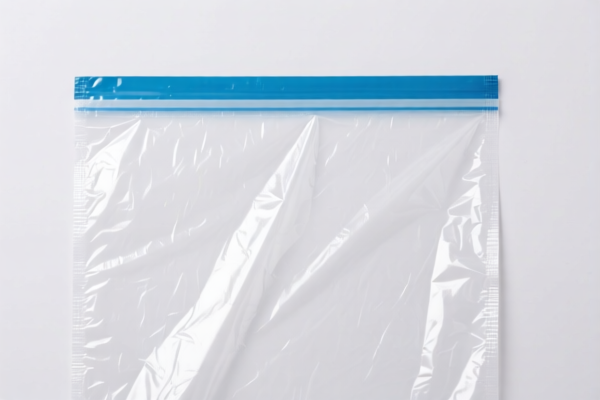
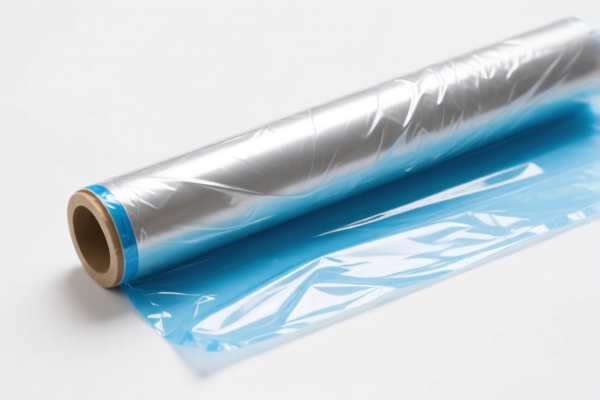
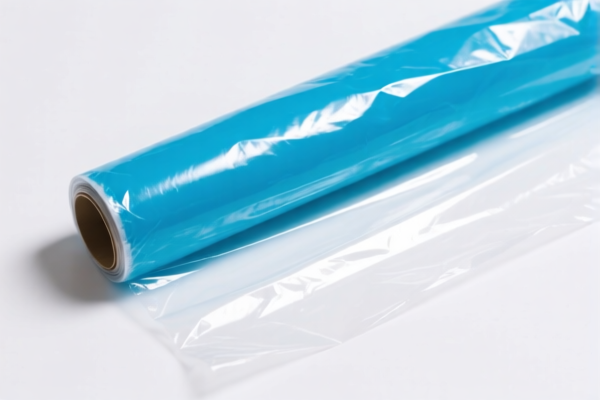
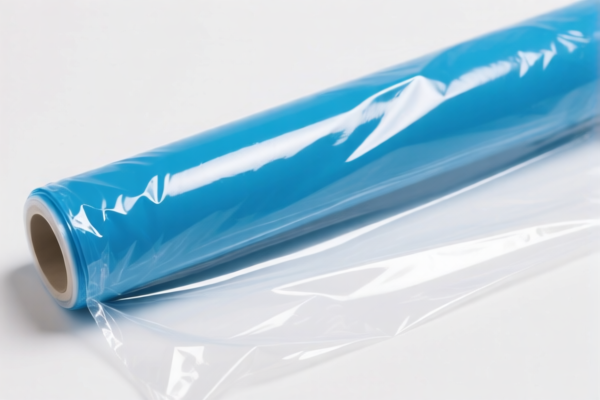
AI分析
🛡️ PVC Plastic Protective Film (PVC Anti-Static Film & Lids)
🌐 HS Code Reference & Customs Clearance Guide | 2026 Latest Tariff Analysis | Professional Clearance Strategy
📌 I. Product Definition & Classification: Do You Really Understand "PVC Plastic Films" & "Lids"?
PVC (Polyvinyl Chloride) films are ubiquitous in industrial packaging, electronics protection, and surface covering. In international trade, they are not a single homogeneous category but are strictly divided based on state (self-adhesive vs. non-adhesive), function (anti-static/insulating vs. general protective), and form (rolled film vs. manufactured containers like lids).
1. PVC Anti-Static Films (The Core Product): These are specialized films used to protect sensitive electronic components from Electrostatic Discharge (ESD). They fall under different chapters depending on whether they are "adhesive" or "non-adhesive" and their specific chemical composition classification.
2. PVC Plastic Lids/Covers: These are finished or semi-finished plastic closures. They are distinct from films and fall under packaging components chapters.
⚠️ Key Distinction Point: - If it is a self-adhesive strip or roll designed for sticking → Look at Chapter 3919 (Self-adhesive plates, sheets, film...). - If it is a non-adhesive film, often used for wrapping or insulation → Look at Chapter 3920 (Other plates, sheets, film...). - If it is a specific type of polymer film not covered by 3920 → Look at Chapter 3921 (Other plates, sheets...). - If it is a Cap/Lid → Look at Chapter 3923 (Articles for the conveyance or packing of goods).
📦 II. HS Code Classification Details (2026 Latest Tariff Authority Comparison)
Based on the provided data, here are the 5 specific HS codes applicable to PVC Plastic Protective Films and Lids.
| HS Code | Product Description | Key Characteristics | Applicable Scenario |
|---|---|---|---|
3920.43.50.00 |
PVC Anti-Static Film | Material: PVC; Form: Film; Classified under "Plastics Classification" | Non-adhesive PVC films, general protective uses, industrial wrapping. |
3919.90.50.40 |
PVC Anti-Static Film | Material: PVC; Form: Film; Classified as "Self-adhesive Plastic Film" | Self-adhesive PVC films, tape-like rolls, static-proof tapes. |
3921.12.19.50 |
PVC Anti-Static Film | Material: Vinyl Chloride Polymer; Form: Thin Film; "Catch-all" Category | PVC films that don't fit specific sub-headings in 3920; generic polymer films. |
3921.12.50.00 |
PVC Anti-Static Film | Material: PVC; Form: Film; Classified as "Vinyl Chloride Polymer Film" | Specific classification for vinyl chloride polymer films, often for industrial lining or special uses. |
3923.50.00.00 |
PVC Plastic Lid/Cap | Material: PVC; Form: Lid/Cover; Classified as "Plastic Hermetic Closure" | Finished or semi-finished PVC caps, bottle caps, container lids. |
🔍 Key Reminder: - Adhesive vs. Non-Adhesive: This is the biggest trap. If the film has glue on one side, it must go to 3919. If it is just a sheet/film without adhesive, it goes to 3920 or 3921. - Function vs. Material: "Anti-static" is a functional property. US Customs often looks at the material composition first (PVC/Vinyl Chloride) and then the form. If it doesn't fit the specific "insulating" codes, it may fall into the "catch-all" 3921.12.19.50. - Lids are NOT Films: A PVC lid is a distinct article (
3923.50) and cannot be declared as a film to avoid higher tariffs.
💰 III. 2026 Latest Tariff Rate Details (Including Additional Taxes & Policy Surcharges)
✅ Applicable Country: United States (US) ✅ Origin: China (CN) ✅ Effective Time: Ongoing (Post-2025 Trade Policies)
All products below are subject to Section 301 Duties (25%) and Section 122 Duties (10%) due to their origin and classification.
🎯 1. 3920.43.50.00 — PVC Film (Plastics Classification)
| Item | Content |
|---|---|
| Base Tariff | 4.2% |
| Section 301 Surcharge | +25.0% |
| Section 122 Surcharge | +10.0% |
| Total Effective Tax Rate | 39.2% |
| Tax Calculation | CIF Value × 39.2% |
| De Minimis Eligibility | ❌ No (Subject to full duty assessment) |
| Legal Basis | Base Rate 4.2% + Trade War 25% + 122 Clause 10% |
📌 Explanation: - Base 4.2%: Standard Most Favored Nation (MFN) rate for this PVC film sub-category. - 25% (301): High tariff imposed on Chinese goods under Trade Action 301. - 10% (122): Additional surcharge under Section 122 (often related to national security or specific trade remedy investigations). - Total 39.2%: This is a high-cost category. Margins must be carefully calculated.
🎯 2. 3919.90.50.40 — Self-Adhesive PVC Film
| Item | Content |
|---|---|
| Base Tariff | 5.8% |
| Section 301 Surcharge | +25.0% |
| Section 122 Surcharge | +10.0% |
| Total Effective Tax Rate | 40.8% |
| Tax Calculation | CIF Value × 40.8% |
| De Minimis Eligibility | ❌ No |
| Legal Basis | Base Rate 5.8% + Trade War 25% + 122 Clause 10% |
📌 Note: - Self-adhesive films generally have a higher base tariff (5.8%) than non-adhesive films (4.2%). - The 301 and 122 surcharges are identical across these PVC categories. - Total 40.8%: The most expensive option among the films listed. Ensure the product is genuinely self-adhesive; misclassification here can lead to audits.
🎯 3. 3921.12.19.50 — PVC Film (Catch-All Category)
| Item | Content |
|---|---|
| Base Tariff | 5.3% |
| Section 301 Surcharge | +25.0% |
| Section 122 Surcharge | +10.0% |
| Total Effective Tax Rate | 40.3% |
| Tax Calculation | CIF Value × 40.3% |
| De Minimis Eligibility | ❌ No |
| Legal Basis | Base Rate 5.3% + Trade War 25% + 122 Clause 10% |
📌 Warning: - This is a "catch-all" code for vinyl chloride polymer films. It is often used when the film doesn't fit specific descriptions in 3920. - Total 40.3%: Slightly cheaper than 3919 but more expensive than 3920. Use only if the product definitively does not fit
3920.43.50.00.
🎯 4. 3921.12.50.00 — Vinyl Chloride Polymer Film
| Item | Content |
|---|---|
| Base Tariff | 6.5% |
| Section 301 Surcharge | +25.0% |
| Section 122 Surcharge | +10.0% |
| Total Effective Tax Rate | 41.5% |
| Tax Calculation | CIF Value × 41.5% |
| De Minimis Eligibility | ❌ No |
| Legal Basis | Base Rate 6.5% + Trade War 25% + 122 Clause 10% |
📌 Caution: - This code has the highest base tariff (6.5%). - Total 41.5%: The highest total tax rate for films. Only use this if the film is specifically identified as a "Vinyl Chloride Polymer Film" under 3921 and does not fit other PVC film categories.
🎯 5. 3923.50.00.00 — PVC Plastic Lids/Caps
| Item | Content |
|---|---|
| Base Tariff | 5.3% |
| Section 301 Surcharge | +25.0% |
| Section 122 Surcharge | +10.0% |
| Total Effective Tax Rate | 40.3% |
| Tax Calculation | CIF Value × 40.3% |
| De Minimis Eligibility | ❌ No |
| Legal Basis | Base Rate 5.3% + Trade War 25% + 122 Clause 10% |
📌 Important: - Lids are distinct from films. Do not try to classify lids as films to save on taxes; this is a major red flag for customs. - Total 40.3%: Same as the catch-all film code. Ensure your commercial invoice explicitly states "PVC Plastic Lid/Cap" and not "Film."
🛠️ IV. Customs Clearance Practical Advice (实战避坑指南)
✅ 1. Documentation Checklist (Essential for Clearance)
| Document | Must Provide | Notes |
|---|---|---|
| ✅ Commercial Invoice | ✔️ | Must clearly state "PVC Anti-Static Film" or "PVC Lid" and material (PVC/Vinyl Chloride). |
| ✅ Packing List | ✔️ | Detail weight, quantity, and dimensions. Separate films from lids if shipped together. |
| ✅ Product Specification Sheet | ✔️ | Crucial: Must specify if the film is Self-Adhesive or Non-Adhesive. Specify thickness. |
| ✅ Material Composition Proof | ✔️ | Certificate of Analysis (COA) showing PVC content. Avoid vague terms like "Plastic." |
| ✅ Photos | ✔️ | Clear photos of the product, roll/core, and label showing "Anti-Static" or "ESD" if applicable. |
| ✅ Bill of Lading | ✔️ | Ensure HS codes are pre-agreed with the freight forwarder. |
✅ 2. Declaration Strategy (Key Mnemonics)
🔥 “Adhesive is 3919, Non-Adhesive is 3920, Catch-All is 3921, Lids are 3923. Don't Mix!”
| Situation | Correct Declaration | Error Consequence |
|---|---|---|
| Self-Adhesive PVC Tape/Film | 3919.90.50.40 (40.8%) |
Misclassifying as 3920 (39.2%) → Underpayment of 1.6% + Penalties. |
| Non-Adhesive PVC Roll | 3920.43.50.00 (39.2%) |
Misclassifying as 3921 (40.3%) → Overpayment of 1.1% (waste of money). |
| Generic/Unusual PVC Film | 3921.12.19.50 (40.3%) |
Using 3921 when 3920 fits → Unnecessary higher duty. |
| PVC Bottle Caps/Lids | 3923.50.00.00 (40.3%) |
Declaring as "Film" → Customs Rejection/Seizure. Lids are finished articles. |
✅ 3. Special Circumstances
| Situation | Handling Advice |
|---|---|
| Anti-Static Certification | If the film is marketed as "ESD Safe," provide test reports. Customs may inspect to ensure it's not misclassified as "Insulating Electrical Parts" (Chapter 85). |
| Composite Materials | If the film has an aluminum layer or adhesive backing, the classification may shift. Ensure the primary material (PVC) is dominant. |
| Shipped with Adhesive Rollers | Declare the film separately from the applicator tool to avoid complex classification issues. |
| Small Quantity Samples | Even for samples, if the total duty exceeds de minimis thresholds (unlikely for films due to high rates), duties apply. No de minimis exemption for these HS codes from China. |
🌍 V. Global Market Clearance Comparison (2026 Latest)
| Country/Region | Recommended HS Code | Tariff (China Origin) | Certification Requirements | Notes |
|---|---|---|---|---|
| 🇺🇸 USA | 3920.43.50.00 or 3919.90.50.40 |
39.2% - 40.8% | None specific, but strict origin labeling. | High Tariffs due to 301 & 122. |
| 🇨🇳 China | 3920.43.50.00 |
~5-6% | ROHS (if electrical) | Low tariffs, easy clearance. |
| 🇪🇺 EU | 3920.43.50.00 |
~6.5% | REACH, RoHS | No Section 301/122 equivalent. |
| 🇬🇧 UK | 3920.43.50.00 |
~6.5% | UKCA, REACH | Post-Brexit rules apply. |
| 🇨🇦 Canada | 3920.43.50.00 |
~5-6% | None specific | Generally low tariffs. |
📌 Conclusion: - The US is the most challenging market for PVC films from China due to the 39.2%-41.5% total tariff burden. - EU, UK, and others offer significantly lower tariffs (~6.5%), making them more cost-effective for exporters, though compliance (REACH/RoHS) is strict.
📌 VI. Common Mistakes & Pitfalls (Lessons Learned)
❌ Mistake 1: Declaring Self-Adhesive film as Non-Adhesive (3920).
👉 Consequence: Customs may classify it as 3919 retroactively, charging the higher base rate (5.8% vs 4.2%) and potential penalties.
❌ Mistake 2: Declaring PVC Lids as Film (3920/3921).
👉 Consequence: Customs Seizure. Lids are "Articles of Plastic" (3923), not "Sheets/Films." This is a fundamental classification error.
❌ Mistake 3: Ignoring the Section 122 (10%) Surcharge. 👉 Consequence: Underestimating landed cost. Many importers only account for the 25% 301 duty, forgetting the additional 10%, leading to cash flow surprises.
✅ Correct Practice:
"PVC Anti-Static Film, Non-Adhesive, Roll, 0.1mm Thick, 100% Polyvinyl Chloride, For Industrial Electronics Protection"
🎯 VII. Conclusion: Precision Classification, Cost Optimization!
🎯 Remember the Golden Rules:
🔹 "Adhesive = 3919 (40.8%), Non-Adhesive = 3920 (39.2%), Catch-All = 3921 (40.3-41.5%), Lids = 3923 (40.3%)." 🔹 "Total Tax = Base + 25% (301) + 10% (122)." 🔹 "Lids are NOT Films. Never mix them in one line item."
📌 Pro Tip: If your PVC film is originally from Vietnam, Thailand, or Malaysia, it may be exempt from the 25% 301 and 10% 122 duties, reducing the total tax to just the base rate (4.2% - 6.5%).
Action: Secure a valid Certificate of Origin (Form A or equivalent) for non-China origins to save ~35% in duties!
📣 Immediate Action:
📞 Consult with a Customs Broker + Provide Product Specs + Apply for Advance Ruling (if available) 🚀 Ensure Your PVC Products Clear Customs Smoothly, Reduce Costs, and Maximize Profits!
✨ Professional Customs Clearance Starts with Accurate Classification! 💼 Every Percent of Tax Matters in Global Trade!
用户评价
关于 HS 编码归类
协调制度(HS)是由世界海关组织(WCO)制定的国际贸易商品分类标准。全球 200 多个国家采用 HS 系统作为海关关税、贸易统计和进出口监管的基础。
每个 HS 编码遵循以下层级结构:
- 章(2 位)——商品大类(例如:第 84 章:机器和机械设备)
- 品目(4 位)——章内的更具体分类
- 子目(6 位)——国际通用细分,所有 WCO 成员国统一使用
- 本国细分(8-10 位)——各国自行扩展的细分编码,如美国 HTSUS 10 位编码
正确的 HS 编码归类对于顺利通关、准确缴纳关税和遵守贸易法规至关重要。错误归类可能导致海关延误、多缴关税或罚款。
从CN进口到US时,适用的关税税率可能包括:
- 最惠国(MFN)税率——适用于 WTO 成员国的标准关税税率
- 普通税率——适用于无贸易协定国家
- 贸易救济关税——附加关税,如 301 条款(反倾销)、232 条款(国家安全)或反补贴税
本页内容仅供参考。如需正式归类,请咨询当地海关或持牌报关代理。