PVC Textile Composite Pillowcase
CN → US| HS编码 | 关税税率 | 原产国 | 目的国 | 文档 |
|---|---|---|---|---|
| 5903102090 | 35.0% | CN | US | 官方文档 |
| 9401993580 | 35.0% | CN | US | 官方文档 |
| 9401999021 | 35.0% | CN | US | 官方文档 |
| 5903102500 | 42.5% | CN | US | 官方文档 |
| 3926305000 | 22.8% | CN | US | 官方文档 |
商品图片

AI分析
🛋️ PVC Textile Composite Pillowcase (PVC纺织复合椅垫)
🌐 HS Code Classification & Customs Clearance Guide | 2026 Latest Tariff Analysis | Strategic Customs Strategy
📌 One: Product Definition & Classification: Do You Really Understand "PVC Textile Composite Pillowcase"?
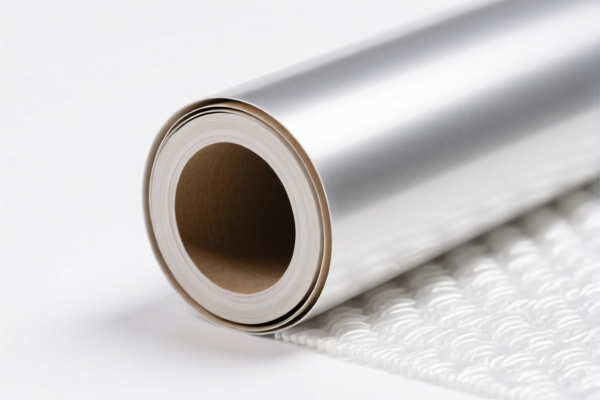
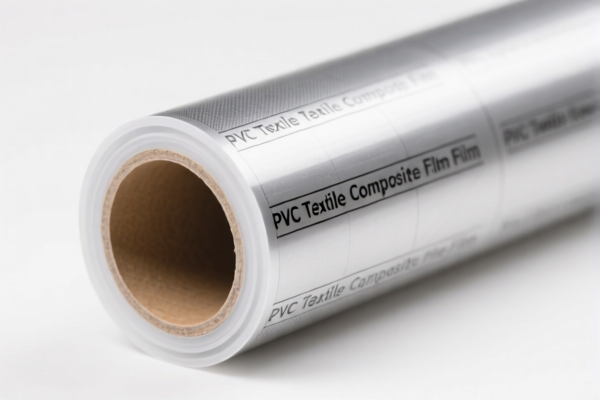
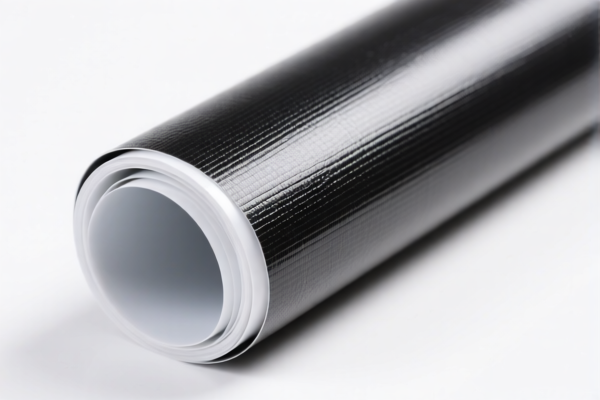
A PVC Textile Composite Pillowcase (often referred to in trade as "PVC Textile Composite Chair Cushion/Pad" based on the provided data context) is a functional component used in furniture, specifically for seating comfort and protection. It is constructed by combining Polyvinyl Chloride (PVC) with Textile fabric through processes such as impregnation, coating, or lamination.
In international trade, classification depends heavily on Material Composition vs. Function. The debate lies between: 1. Textile/Fabric Category: If the primary value or characteristic is the fabric structure modified by PVC. 2. Plastic/Furniture Parts Category: If the primary characteristic is the plastic sheeting or if it is considered a specific part of a chair.
⚠️ Key Distinction Point: * If the item is viewed primarily as a composite fabric material (PVC coated/laminated textile) intended for further manufacturing (e.g., cutting into shapes by the buyer) → It leans towards Chapter 59. * If the item is viewed as a finished furniture accessory or plastic article → It leans towards Chapter 39 or Chapter 94.
📦 Two: HS Code Classification Details (2026 Latest Tariff Authority Comparison)
Based on the provided data, here are the 5 potential HS Codes and their specific rationales:
| HS Code | Product Description & Rationale | Tax Rate | Key Justification |
|---|---|---|---|
5903.10.20.90 |
PVC Composite Fabric: Material is PVC, form is composite fabric. Matches description of impregnated, coated, or laminated fabric. | 35.0% | Focuses on the manufacturing process (impregnation/coating) of textile materials. |
9401.99.35.80 |
Furniture Parts: Material falls under plastic category. Use is as a seat part. Belongs to reasonable inference for "Parts of Seats". | 35.0% | Focuses on the end-use application (Furniture/Chair Parts) rather than raw material structure. |
9401.99.90.21 |
Seat Cushion: Product is a cushion/pad. Material is PVC textile composite. Form is composite-made. | 35.0% | Directly classifies the item as a cushion/pad for seating under furniture parts. |
5903.10.25.00 |
Textile Application: Material is PVC, form is textile composite. Considered an extended application of textile fabrics. | 42.5% | Another variant under Chapter 59, but with a different sub-heading base tax, leading to higher total cost. |
3926.30.50.00 |
Plastic Articles: Material is PVC. Use is for furniture articles. Form fits accessory category. | 22.8% | Classifies as a general plastic article for furniture, avoiding the "textile" or "specific furniture part" complexity. |
🔍 Important Note: * All classifications involve US Origin Tariffs (implied by the "122 Clause" and specific tax breakdowns in the data). * The Base Tariff varies significantly (0% for Ch 59/94 vs 5.3% for Ch 39), but Additional Tariffs dominate the cost.
💰 Three: 2026 Latest Tariff Rate Detailed Breakdown (Including Surcharges & Policy Add-ons)
✅ Applicable Country: United States (US)
✅ Origin: China (CN) (Inferred from "122 Clause" and 25% tariff typical of US-China trade context)
✅ Effective Time: Current 2026 Tariff Regime
🎯 1. Chapter 59 Classifications (5903.10.20.90, 5903.10.25.00)
Focus: Composite Textile Materials
| Item | Content |
|---|---|
| Base Tariff | 20.90.90: 0.0% 25.00: 7.5% |
| Section 301 Tariff (25%) | +25.0% (USITC Footnote applicable to Chinese goods) |
| Section 122 Tariff (10%) | +10.0% (Specific trade enforcement provision) |
| Total Tariff Rate | 35.0% (for .90) 42.5% (for .00) |
| Tax Calculation | CIF Value × 35% or 42.5% |
| De Minimis Exemption | ❌ Not Eligible (Deny de_minimis) |
| Legal Basis Path | USITC:5903.10 → Section 301 → Section 122 |
📌 Explanation:
- Classifying as a composite fabric subjects the goods to standard Section 301 tariffs. - The5903.10.25.00variant has a 7.5% Base Tariff, making it significantly more expensive (42.5% total) than the 0% base alternative. - Risk: Customs may dispute "Textile" vs. "Plastic" classification. If deemed plastic, Chapter 39 might be more favorable.
🎯 2. Chapter 94 Classifications (9401.99.35.80, 9401.99.90.21)
Focus: Furniture Parts / Cushions
| Item | Content |
|---|---|
| Base Tariff | 0.0% |
| Section 301 Tariff (25%) | +25.0% |
| Section 122 Tariff (10%) | +10.0% |
| Total Tariff Rate | 35.0% |
| Tax Calculation | CIF Value × 35% |
| De Minimis Exemption | ❌ Not Eligible |
| Legal Basis Path | USITC:9401.99 → Section 301 → Section 122 |
📌 Note:
- This classification leverages a 0% Base Tariff, which is a structural advantage. - However, the 35% total effective rate remains high due to punitive tariffs. - Advantage: Logically aligns with the product's function (a cushion for a chair).
🎯 3. Chapter 39 Classification (3926.30.50.00)
Focus: Plastic Articles for Furniture
| Item | Content |
|---|---|
| Base Tariff | 5.3% |
| Section 301 Tariff | +7.5% (Note: Data shows lower Section 301 rate here) |
| Section 122 Tariff | +10.0% |
| Total Tariff Rate | 22.8% |
| Tax Calculation | CIF Value × 22.8% |
| De Minimis Exemption | ❌ Not Eligible |
📌 Critical Insight:
- This is the Most Cost-Effective option listed (22.8% vs 35%+). - It relies on classifying the PVC layer as the essential character or the item as a "Plastic Article" rather than a "Textile" or "Specific Furniture Part." - Risk: Must prove that the product does not fall exclusively under "Furniture Parts" (Ch 94) or "Composite Textile" (Ch 59).
🛠️ Four: Customs Clearance Practical Suggestions (Battle-Tested Pitfall Guide)
✅ 1. Preparation Checklist (Non-Negotiable)
| Document | Required | Explanation |
|---|---|---|
| ✅ Product Specifications | ✔️ | Must detail: % PVC, % Textile, lamination method (coating vs. laminate). |
| ✅ Material Breakdown | ✔️ | Crucial for deciding between Ch 59 (Textile) and Ch 39 (Plastic). |
| ✅ Product Photos | ✔️ | Clear images showing the composite structure (cut edge helps). |
| ✅ Usage Statement | ✔️ | "Used as cushion for office chair." Supports Ch 94 classification. |
| ✅ Commercial Invoice | ✔️ | Describe as "PVC Coated Textile Cushion" or "Plastic Furniture Pad". |
| ✅ Origin Certificate | ✔️ | Essential for Section 301/122 tariff application. |
✅ 2. Declaration Strategy (Key Mantra)
🔥 "Material Dictates Code, Function Supports Logic. Choose Low Tax Path (Ch 39) if Defensible!"
| Scenario | Recommended HS Code | Risk Level | Reason |
|---|---|---|---|
| High PVC Coating, Thin Fabric | 3926.30.50.00 (22.8%) |
⚠️ Moderate | Argue "Plastic Article" essential character. Lowest tax. |
| Balanced Composite, Textile Surface | 5903.10.20.90 (35.0%) |
✅ Low | Standard textile composite classification. Hard to dispute. |
| Finished Cushion, Ready-to-Use | 9401.99.35.80 (35.0%) |
✅ Low | Strong functional argument. High base tax, but 0% base helps if rates change. |
| Textile Substrate Dominant | 5903.10.25.00 (42.5%) |
❌ High | Avoid. Highest tax rate. Only use if explicitly required by buyer specs. |
✅ 3. Special Situation Handling
| Situation | Handling Advice |
|---|---|
| Dispute: Textile vs. Plastic | Provide lab reports showing PVC layer thickness. If PVC > 50% by volume/weight, argue for Ch 39. |
| Section 122 Target | All Chinese-origin goods in this list are subject to 122 Clause (10%). No exemption available. Factor this into pricing. |
| De Minimis (800 USD) | ❌ Do Not Rely On. All these codes are Denied De Minimis. Must file formal entry. |
| Pre-Ruling | ✅ Highly Recommended. Apply for an Binding Tariff Ruling from US CBP to secure the 22.8% (Ch 39) or 35% (Ch 94) rate before shipment. |
📌 Five: Common Errors & Pitfall Guide (Blood-Teaching Lessons)
❌ Error 1: Classifying as "Plastic Pillow" without justification.
👉 Consequence: CBP rejects under Ch 39 because textile is a major component → Retroactive 35% + Penalties.
❌ Error 2: Using "PVC Sheet" description for a formed cushion.
👉 Consequence: Misdeclaration of finished goods → Detention & Inspection Delay.
❌ Error 3: Ignoring the 122 Clause.
👉 Consequence: Underpayment of 10% → Liable for back taxes + Interest.
❌ Error 4: Assuming Ch 59 .25.00 is same as .20.90.
👉 Consequence: 7.5% Higher Tax due to base rate difference. Always check subheadings.
✅ Correct Practice:
"PVC Coated Textile Cushion, Composite Material (60% PVC, 40% Polyester), for Office Chair Use. Importer asserts Plastic Character under 3926.30.50.00 due to dominant PVC coating."
🎯 Six: Conclusion: Professional Declaration, Cost Optimization!
🎯 Remember the Mantra:
🔹 "Ch 39 is Cheapest (22.8%), Ch 59/94 is Standard (35%). Ch 59.25 is Expensive (42.5%)."
🔹 "122 Clause is 10% on ALL. Don't forget it!"
🔹 "HS Code Choice = Tax Saving. Pre-Ruling is Your Insurance."
📌 Pro Tip:
If you can modify the product slightly to reduce textile visibility or increase plastic dominance, pursue 3926.30.50.00 for 12.2% Tax Savings.
For high-volume imports, Always Secure a CBP Binding Ruling before shipping.
📣 Immediate Action:
📞 Engage a licensed US Customs Broker.
📄 Submit product specs for Pre-Ruling Application.
🚀 Optimize your supply chain for the 22.8% vs 35% differential.
✨ Professional Customs Clearance Starts with Precise Classification!
💼 Every Percentage Point Saved is Pure Profit!
用户评价
关于 HS 编码归类
协调制度(HS)是由世界海关组织(WCO)制定的国际贸易商品分类标准。全球 200 多个国家采用 HS 系统作为海关关税、贸易统计和进出口监管的基础。
每个 HS 编码遵循以下层级结构:
- 章(2 位)——商品大类(例如:第 84 章:机器和机械设备)
- 品目(4 位)——章内的更具体分类
- 子目(6 位)——国际通用细分,所有 WCO 成员国统一使用
- 本国细分(8-10 位)——各国自行扩展的细分编码,如美国 HTSUS 10 位编码
正确的 HS 编码归类对于顺利通关、准确缴纳关税和遵守贸易法规至关重要。错误归类可能导致海关延误、多缴关税或罚款。
从CN进口到US时,适用的关税税率可能包括:
- 最惠国(MFN)税率——适用于 WTO 成员国的标准关税税率
- 普通税率——适用于无贸易协定国家
- 贸易救济关税——附加关税,如 301 条款(反倾销)、232 条款(国家安全)或反补贴税
本页内容仅供参考。如需正式归类,请咨询当地海关或持牌报关代理。