PVC Textile Laminated Sunshade Curtain
CN → US| HS编码 | 关税税率 | 原产国 | 目的国 | 文档 |
|---|---|---|---|---|
| 6303922030 | 28.8% | CN | US | 官方文档 |
| 6303922010 | 28.8% | CN | US | 官方文档 |
| 3926206000 | 35.0% | CN | US | 官方文档 |
| 5903102010 | 35.0% | CN | US | 官方文档 |
| 5903102090 | 35.0% | CN | US | 官方文档 |
商品图片
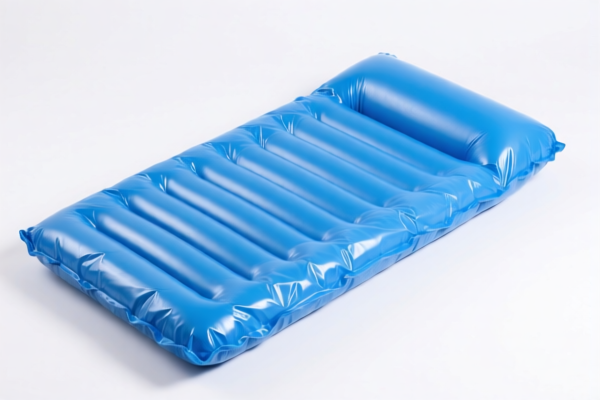
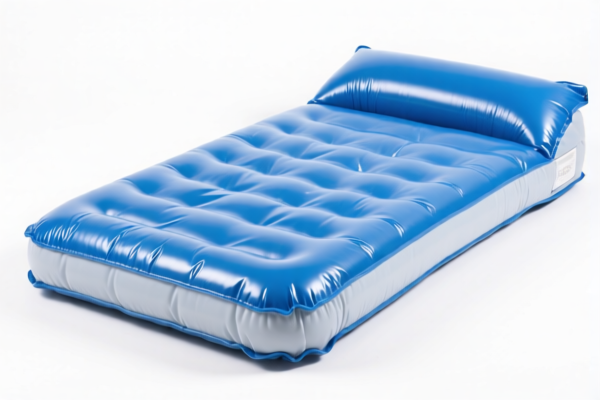
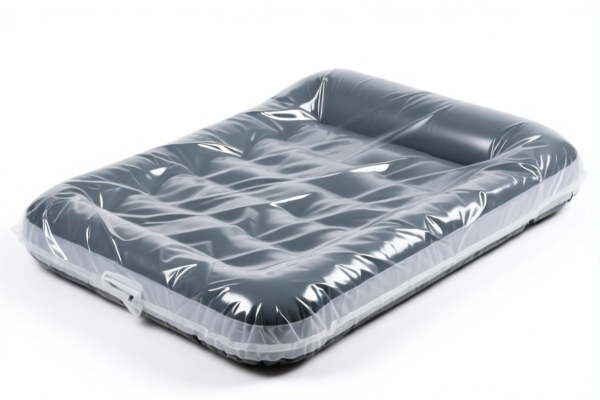
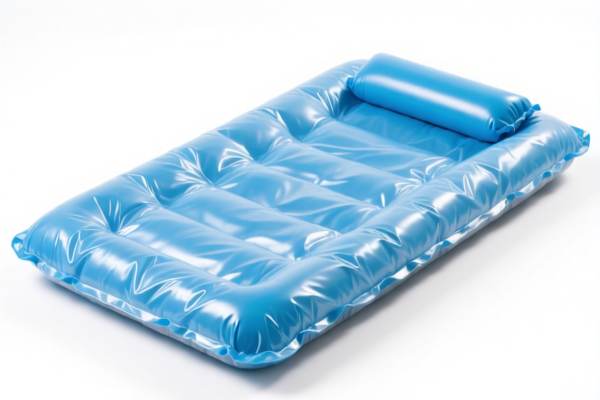
AI分析
☂️ PVC Textile Laminated Sunshade Curtain
🌐 HS Code Reference & Customs Clearance Guide | 2026 Latest Tariff Analysis | Professional Clearance Strategy
📌 I. Product Definition & Classification: Do You Truly Understand "Sunshade Curtains"?
The PVC Textile Laminated Sunshade Curtain is a specialized window covering and solar control product. In international trade, it is a composite material consisting of a textile base laminated or coated with Polyvinyl Chloride (PVC). Its classification hinges on whether it is viewed as a finished textile article or a plastic-coated fabric.
- Textile-View (Chapters 63/59): If the fabric structure dominates, or it is sold as a finished curtain (Grommet, Hemmed, etc.), it may fall under Chapter 63 (Other made-up textile articles) or Chapter 59 (Impregnated/Coated Textile Fabrics).
- Plastic-View (Chapter 39): If the plastic coating is substantial enough to characterize the essential nature of the good, it may be misclassified as a general plastic article.
⚠️ Key Distinction Point:
- If the product is a finished curtain (with headers, grommets, or specific hemming) primarily for window dressing → Likely Chapter 63.
- If the product is a raw roll of material or specifically defined as a coated fabric for industrial/technical use → Likely Chapter 59.
- If classified purely as a "plastic good" ignoring the textile substrate → Chapter 39 (Generally discouraged if textile character is evident).
📦 II. HS Code Classification Details (2026 Latest Tariff Authority Mapping)
| HS Code | Product Description | Application Scenario | Material Characterization |
|---|---|---|---|
6303.92.20.30 |
PVC Sunshade Curtain; Classified as "Blinds and Screens" made of Synthetic Fibers | Finished window curtains, retail-ready, synthetic fiber base | ✅ Textile Focus (Chapter 63: Made-up Articles) |
6303.92.20.10 |
PVC Sunshade Curtain; Formed as "Curtains and Drapes," classified as Synthetic Fiber Goods | General synthetic curtains, woven PVC-coated fabric | ✅ Textile Focus (Chapter 63: Made-up Articles) |
3926.20.60.00 |
PVC Sunshade Curtain; Classified as "Other Plastic Articles," no material conflict | Retail plastic goods, non-textile specific classification | ❌ Plastic Focus (Chapter 39: Plastics) |
5903.10.20.10 |
PVC Sunshade Curtain; Classified as "Fabric Impregnated with Plastic" | Technical fabrics, rolls of coated fabric, industrial use | ✅ Coated Fabric Focus (Chapter 59: Impregnated Textiles) |
5903.10.20.90 |
PVC Sunshade Curtain; Meets characteristics of "Textile Film Impregnated with Plastic" | Non-woven or film-like PVC-coated textiles | ✅ Coated Fabric Focus (Chapter 59: Impregnated Textiles) |
🔍 Critical Reminder:
- Chapter 63 (6303) is typically the most favorable for finished curtains, as it acknowledges the "made-up" nature.
- Chapter 59 (5903) applies if the item is sold as a fabric roll or where the coating is the defining feature.
- Chapter 39 (3926) is often a misclassification trap for textile-based products; avoid unless the product is essentially a plastic mold/item with negligible textile content.
💰 III. 2026 Latest Tariff Rate Breakdown (Including Surcharges & Policy Add-ons)
✅ Applicable Country: United States (US)
✅ Country of Origin: China (CN)
✅ Effective Date: Includes imports from Nov 10, 2025 onwards
🎯 1. 6303.92.20.30 & 6303.92.20.10 — Finished Curtains (Chapter 63)
These codes benefit from the lowest base duty among the options but remain subject to heavy punitive tariffs.
| Item | Details |
|---|---|
| Base Duty Rate | 11.3% |
| Section 301 Surcharge | +7.5% |
| Section 122 Tariff | +10.0% |
| Total Effective Rate | 28.8% |
| Calculation Basis | CIF Value × 28.8% |
| De Minimis Exemption | ❌ Not Eligible (Section 321 de minimis does not apply to Section 301/122 goods) |
| Legal Authority Path | USITC:6303.92.20.XX → Section 301: Footnote 9903.88.01 → Section 122: EO 14156 |
📌 Explanation:
- The 11.3% base rate is standard for made-up textile articles.
- The 7.5% is a Section 301 surcharge (often part of the broader 25% or 10% tranches depending on the specific subheading list at the time).
- The 10% is a Section 122 tariff (National Security/Emergency authority).
- Total 28.8% is significant but lower than the plastic classification.
🎯 2. 3926.20.60.00 — Plastic Articles (Chapter 39)
⚠️ High Risk / High Cost
| Item | Details |
|---|---|
| Base Duty Rate | 0.0% |
| Section 301 Surcharge | +25.0% |
| Section 122 Tariff | +10.0% |
| Total Effective Rate | 35.0% |
| Calculation Basis | CIF Value × 35.0% |
| De Minimis Exemption | ❌ Not Eligible |
| Legal Authority Path | USITC:3926.20.60.00 → Section 301: Footnote 9903.88.01 → Section 122: EO 14156 |
📌 Warning:
- Although the base duty is 0%, the 25% Section 301 tariff is the standard "China Tariff" for many plastic goods.
- Total 35.0% is higher than the Chapter 63 rate.
- Misclassifying a textile curtain as a "plastic article" to avoid the 11.3% base duty results in a higher overall tax burden.
🎯 3. 5903.10.20.10 & 5903.10.20.90 — Impregnated Coated Fabric (Chapter 59)
⚠️ Same High Cost as Plastic Classification
| Item | Details |
|---|---|
| Base Duty Rate | 0.0% |
| Section 301 Surcharge | +25.0% |
| Section 122 Tariff | +10.0% |
| Total Effective Rate | 35.0% |
| Calculation Basis | CIF Value × 35.0% |
| De Minimis Exemption | ❌ Not Eligible |
| Legal Authority Path | USITC:5903.10.20.XX → Section 301: Footnote 9903.88.01 → Section 122: EO 14156 |
📌 Explanation:
- Chapter 59 goods (impregnated/coated fabrics) often carry a 0% base duty but are heavily penalized by the 25% Section 301 tariff.
- The total 35.0% is identical to Chapter 39.
- This classification is appropriate only if the product is sold as raw material/fabric rolls rather than finished curtains.
🛠️ IV. Customs Clearance Practical Advice (Battle-Tested Pitfall Avoidance)
✅ 1. Required Documentation Checklist (Non-Negotiable)
| Document | Mandatory? | Notes |
|---|---|---|
| ✅ Product Specification Sheet | ✔️ | Must detail: Base Fabric Type (Polyester/Nylon?), PVC Coating Thickness (Mils/Microns), Finish (Blackout/Sheer) |
| ✅ Commercial Invoice | ✔️ | Describe as: "Finished PVC-Coated Polyester Sunshade Curtain, Window Use" |
| ✅ Packing List | ✔️ | Confirm dimensions, quantity, and weight |
| ✅ Photos (Labeled) | ✔️ | Show hem, grommets, or headers to prove "Made-Up" status (supports Chapter 63) |
| ✅ Origin Certificate | ✔️ | If non-China origin, may reduce Section 301/122 applicability |
| ✅ Coating Declaration | ✔️ | Confirm PVC content % to distinguish from Chapter 60 (Knitted) or 63 |
✅ 2. Declaration Strategy (Key Mantra)
🔥 “Show the Hem, Prove the Textile, Avoid the Plastic Trap!”
| Scenario | Correct Declaration | Wrong Declaration |
|---|---|---|
| Finished Curtain (Hemmed, Grommeted) | 6303.92.20.30 (28.8%) |
3926.20.60.00 (35.0%) |
| Curtain Rod/Bracket | Separate HS Code (e.g., Metal/Plastic fittings) | Include in Curtain Value |
| Raw Roll of Coated Fabric | 5903.10.20.10 (35.0%) |
6303.92.20.30 (Misleading) |
| "PVC Shade" (Vague) | RISKY | High chance of audit, reclassification to 35% |
📌 Tip:
- Use keywords like "Made-up," "Finished," "Window Treatment," and "Textile Base" to steer customs toward Chapter 63.
- Avoid vague terms like "PVC Sheet" or "Plastic Curtain" which trigger Chapter 39 logic.
✅ 3. Special Situations
| Situation | Handling Advice |
|---|---|
| Mixed Materials (e.g., PVC + Aluminum Rod) | Declare separately or ensure the textile component is the "Essential Character" |
| Sample vs. Bulk | Samples may still be subject to 28.8%/35% if not clearly marked "No Commercial Value" (though de minimis may still apply for samples < $800, check current CBP rulings) |
| Dropshipping | Ensure the importer of record is clear; third-party logistics must declare correctly |
🌍 V. Global Market Clearance Comparison (2026 Latest)
| Market | Recommended HS Code | Est. Total Duty | Key Requirement |
|---|---|---|---|
| 🇺🇸 USA | 6303.92.20.30 |
28.8% | Section 301 & 122 apply; Textile character must be proven |
| 🇨🇳 China | 6303.92.20.30 |
Low/Zero | No Section 301; Favors domestic textile industry |
| 🇪🇺 EU | 6303.90 |
Varies (0-4%) | CE marking not required; RoHS may apply for PVC stabilizers |
| 🇬🇧 UK | 6303.92 |
Varies | Post-Brexit tariffs apply; Check UK Trade Tariff tool |
| 🇨🇦 Canada | 6303.92 |
Varies | CUSMA may apply if Canadian/Mexican sourced |
📌 Conclusion:
- The USA is the most expensive market due to Section 301 and Section 122.
- Chapter 63 (28.8%) is the optimal classification for finished curtains in the US, saving 6.2% compared to Chapter 39/59 (35.0%).
📌 VI. Common Mistakes & Pitfalls (Lessons Learned)
❌ Mistake 1: Declaring a finished curtain as "PVC Plastic Sheet"
👉 Consequence: Customs reclassifies to 3926.20.60.00 → 35.0% duty instead of 28.8%.
👉 Savings Lost: 6.2% of CIF value.
❌ Mistake 2: Ignoring the Section 122 Tariff
👉 Consequence: Underpayment by 10%.
👉 Result: CBP demand for back duties + penalties + interest.
❌ Mistake 3: Using "Textile Curtain" without proving it’s Made-Up
👉 Consequence: Customs may view it as raw fabric → Reclassify to Chapter 59 (35.0%) if coating is deemed dominant.
👉 Savings Lost: Higher tariff bracket.
❌ Mistake 4: Assuming De Minimis ($800) exemption applies
👉 Consequence: Section 301 and Section 122 goods are excluded from de minimis relief (19 CFR 192.183).
👉 Result: Even small packages are taxed.
✅ Correct Practice:
"Finished PVC-Coated Polyester Window Curtain, Blackout, 72"x84", with Grommets, Made in China"
→ HS: 6303.92.20.30 → Duty: 28.8%
🎯 VII. Conclusion: Professional Classification, Cost Optimization
🎯 Remember the Mantra:
🔹 "Finished = Chapter 63 (28.8%);
🔹 "Raw/Coated = Chapter 59 (35.0%);
🔹 "Plastic Misclassification = Chapter 39 (35.0%);
🔹 "Save 6.2% by Proving Textile Character!"📌 Pro Tip:
- Ensure your Commercial Invoice explicitly states "Finished Window Curtain" and "Textile Base."
- Provide Photos showing the finished edges/hardware.
- If possible, seek an Advance Ruling from CBP to lock in the 6303.92.20.30 classification.
📣 Immediate Action:
📞 Contact your Customs Broker with product photos.
📝 Request Pre-Submission Verification for HS Code6303.92.20.30.
🚀 Maximize Profit Margins by avoiding the 35.0% pitfall!
✨ Precision in Classification Saves Money in Tariffs!
💼 Don’t let a 6% tariff difference erase your profit!
用户评价
关于 HS 编码归类
协调制度(HS)是由世界海关组织(WCO)制定的国际贸易商品分类标准。全球 200 多个国家采用 HS 系统作为海关关税、贸易统计和进出口监管的基础。
每个 HS 编码遵循以下层级结构:
- 章(2 位)——商品大类(例如:第 84 章:机器和机械设备)
- 品目(4 位)——章内的更具体分类
- 子目(6 位)——国际通用细分,所有 WCO 成员国统一使用
- 本国细分(8-10 位)——各国自行扩展的细分编码,如美国 HTSUS 10 位编码
正确的 HS 编码归类对于顺利通关、准确缴纳关税和遵守贸易法规至关重要。错误归类可能导致海关延误、多缴关税或罚款。
从CN进口到US时,适用的关税税率可能包括:
- 最惠国(MFN)税率——适用于 WTO 成员国的标准关税税率
- 普通税率——适用于无贸易协定国家
- 贸易救济关税——附加关税,如 301 条款(反倾销)、232 条款(国家安全)或反补贴税
本页内容仅供参考。如需正式归类,请咨询当地海关或持牌报关代理。