PVC Texture Wall Cloth with Synthetic Backing
CN → US| HS编码 | 关税税率 | 原产国 | 目的国 | 文档 |
|---|---|---|---|---|
| 3921121950 | 40.3% | CN | US | 官方文档 |
| 3921121100 | 39.2% | CN | US | 官方文档 |
| 5903102090 | 35.0% | CN | US | 官方文档 |
| 3921121950 | 40.3% | CN | US | 官方文档 |
| 3921121950 | 40.3% | CN | US | 官方文档 |
商品图片
AI分析
🧱 PVC Texture Wall Cloth with Synthetic Backing: HS Code Classification & Tariff Breakdown (2026)
🌐 HS Code Reference & Customs Clearance Guide | Latest 2026 Tariff Analysis | Professional Entry Strategies
📌 One, Product Definition & Classification: Do You Truly Understand "PVC Texture Wall Cloth"?
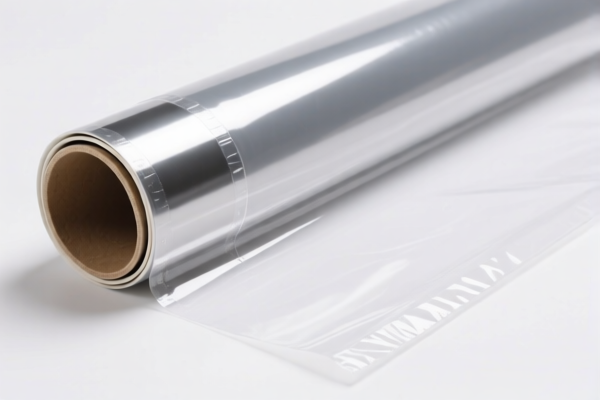
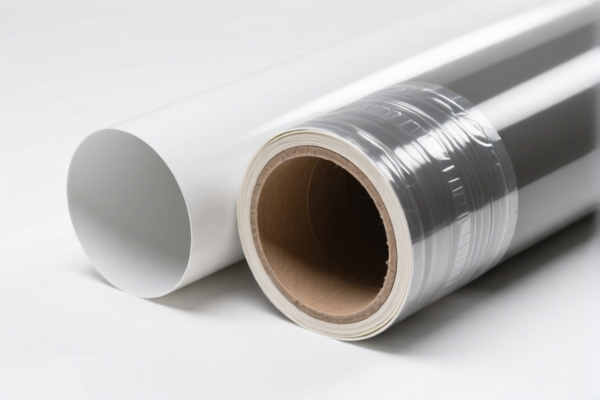
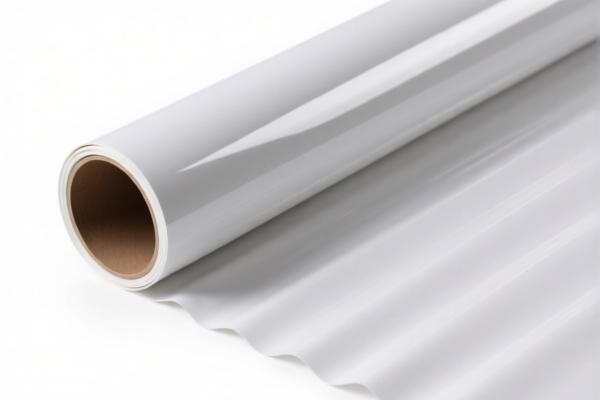
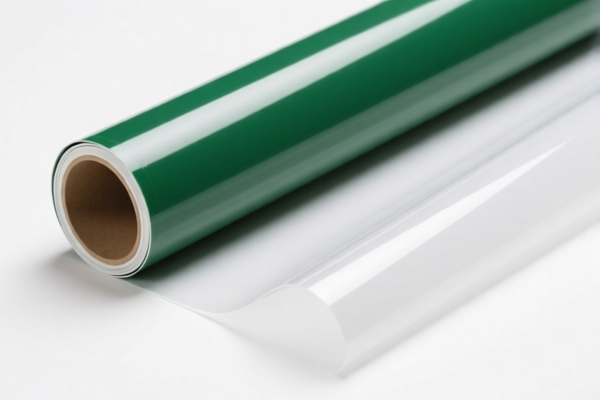
PVC Texture Wall Cloth with Synthetic Backing is a decorative construction material commonly used for interior wall finishes. It combines the aesthetic texture of PVC with the structural support of textile or synthetic fabric.
In international trade, the classification hinges on the composite nature of the product: * Is it primarily a plastic sheet? → Classified under Chapter 39 (Plastics and Articles Thereof). * Is it primarily a textile fabric coated with plastic? → Classified under Chapter 59 (Textile Fabrics Coated, Covered, or Laminated).
⚠️ Key Distinction Point: - If the plastic layer is dominant and the textile acts mainly as a backing/support → Chapter 39 (e.g., 3921.12). - If the textile is the main body and PVC is applied as a coating/impregnation → Chapter 59 (e.g., 5903.10).
📦 Two, HS Code Classification Details (2026 Latest Tariff Authority Comparison)
Based on the provided data, the following HS Codes are relevant for this specific product description.
| HS Code | Product Description | Application Scenario | Classification Logic |
|---|---|---|---|
3921.12.19.50 |
PVC material, wall cloth combined with textile backing, classified as other PVC polymer sheet/film/plate articles. | Composite wall covering where PVC structure is primary. | ✅ Plastic-First Logic: Plastic + Textile Composite |
3921.12.11.00 |
PVC material, textured wall cloth belongs to composite sheet/film articles; synthetic backing implies plastic-textile composite. | Textured PVC wall coverings with synthetic backing. | ✅ Plastic-First Logic: Specific textured PVC composite |
5903.10.20.90 |
PVC-impregnated or PVC-coated textile fabric; wall cloth/backing form matches this code characteristic, classified under other categories. | Wall cloth where PVC is a coating on textile base. | ✅ Textile-First Logic: Coated Textile Fabric |
3921.12.19.50 |
PVC material, wall cloth with backing belongs to sheet/film articles combined with textile, conforming to PVC polymer + textile logic. | General PVC wall covering with textile support. | ✅ Plastic-First Logic: Repeat of first classification |
🔍 Key Reminder: - If the product is a rigid or semi-rigid sheet with a fabric backing, it is often preferred to classify under 3921.12 (Plastics). - If the product is flexible fabric-like with PVC coating, 5903.10 may be applicable. - Misclassification Risk: Declaring a PVC-heavy composite as "Textile" (5903) when it should be "Plastic" (3921) can lead to tariff disputes, though in this specific dataset, the Total Tax Rate is actually lower for 5903.10.20.90 due to a 0% base duty.
💰 Three, 2026 Latest Tariff Rate Breakdown (Including Surtaxes & Policy Surcharges)
✅ Applicable Country: United States (US)
✅ Origin: China (CN)
✅ Effective Time: Current rates apply (Note: 122 clauses and Section 301 surcharges are active)
🎯 1. 3921.12.19.50 —— PVC Polymer Sheet/Film/Plate, Other (Textile Composite)
| Item | Content |
|---|---|
| Base Duty Rate | 5.3% (Ad Valorem) |
| Section 301 Surcharge | +25.0% (USITC Footnote 9903.88.01) |
| Section 122 Surcharge | +10.0% (Specific US Trade Law Provision) |
| Total Effective Tax Rate | 40.3% |
| Tax Calculation | CIF Value × 40.3% |
| De Minimis Eligibility | ❌ Not Eligible (High duty rates exceed de minimis thresholds; typically requires full entry) |
| Legal Path | USITC:3921.12.19.50 → SECTION301:25% → SECTION122:10% |
📌 Explanation: - Base 5.3%: Standard MFN duty for plastic sheets. - 25% Surtax: Part of the ongoing Section 301 tariffs on Chinese plastic products. - 10% Surcharge: Specific additional duty (Section 122) applied to certain goods. - Total 40.3%: This is a high-cost classification. Importers must budget for significant duty costs.
🎯 2. 3921.12.11.00 —— PVC Polymer Sheet/Film/Plate, Textured/Composite (Specific Subheading)
| Item | Content |
|---|---|
| Base Duty Rate | 4.2% (Ad Valorem) |
| Section 301 Surcharge | +25.0% (USITC Footnote 9903.88.01) |
| Section 122 Surcharge | +10.0% (Specific US Trade Law Provision) |
| Total Effective Tax Rate | 39.2% |
| Tax Calculation | CIF Value × 39.2% |
| De Minimis Eligibility | ❌ Not Eligible |
| Legal Path | USITC:3921.12.11.00 → SECTION301:25% → SECTION122:10% |
📌 Note: - Savings: This code offers a 1.1% lower total rate than
3921.12.19.50due to a lower base duty (4.2% vs 5.3%). - Applicability: Use this if the product is explicitly defined as "textured" or fits the specific subheading criteria for PVC composite sheets.
🎯 3. 5903.10.20.90 —— Textile Fabrics Coated with PVC (Other)
| Item | Content |
|---|---|
| Base Duty Rate | 0.0% (Ad Valorem) |
| Section 301 Surcharge | +25.0% (USITC Footnote 9903.88.01) |
| Section 122 Surcharge | +10.0% (Specific US Trade Law Provision) |
| Total Effective Tax Rate | 35.0% |
| Tax Calculation | CIF Value × 35.0% |
| De Minimis Eligibility | ❌ Not Eligible |
| Legal Path | USITC:5903.10.20.90 → SECTION301:25% → SECTION122:10% |
📌 Critical Insight: - Lowest Tariff: This is the most cost-effective classification in the dataset. - Why? The base duty is 0%, but the surcharges (25% + 10%) still apply. - Risk: This classification is only valid if Customs determines the product is primarily a textile with PVC coating, not a plastic sheet with textile backing. Misclassification here can lead to penalties if the product is deemed "plastic-dominant".
🛠️ Four, Customs Clearance Practical Advice (实战避坑指南)
✅ 1. Preparation Checklist (Essential Documents)
| Document | Mandatory? | Explanation |
|---|---|---|
| ✅ Product Specification Sheet | ✔️ | Must detail: PVC thickness, textile backing type, texture method, dimensions. |
| ✅ Composite Structure Diagram | ✔️ | Critical for proving whether it’s "Plastic + Textile" (Ch 39) or "Textile + PVC Coating" (Ch 59). |
| ✅ Product Photos (Clear) | ✔️ | Show cross-section if possible, to demonstrate layering order. |
| ✅ Commercial Invoice | ✔️ | Clearly state: "PVC Texture Wall Cloth with Synthetic Backing". |
| ✅ Packing List | ✔️ | List items per carton, total weight, and dimensions. |
| ✅ Certificate of Origin (CO) | ✔️ | If applicable for non-China origins (though dataset implies China origin). |
✅ 2. Declaration Strategy (Key Mantra)
🔥 "Structure Defines Code, Code Defines Cost: Choose Wisely!"
| Scenario | Recommended HS Code | Duty Rate | Risk Level |
|---|---|---|---|
| Product is rigid/plastic-heavy | 3921.12.11.00 |
39.2% | 🟢 Low (if docs prove plastic dominance) |
| Product is rigid/plastic-heavy | 3921.12.19.50 |
40.3% | 🟢 Low (general plastic category) |
| Product is flexible/textile-heavy | 5903.10.20.90 |
35.0% | 🟡 Medium-High (Requires proof of textile nature) |
| Incorrect Classification | N/A | Varies | 🔴 High (Penalties, delays, audits) |
📌 Key Tip:
- If you declare5903.10.20.90but Customs inspects and finds the product is plastic-dominant, they may reclassify to3921.12.19.50(40.3%) and assess back-taxes + penalties.
- Best Practice: Provide a third-party lab report or manufacturer’s technical statement clarifying the material composition and manufacturing process (e.g., "PVC extruded onto textile backing" vs "Textile coated with PVC").
✅ 3. Special Circumstances Handling
| Situation | Advice |
|---|---|
| New Product Form | Apply for CBP Ruling (Advance Ruling) before shipment. This locks in the HS Code and avoids post-entry audits. |
| Packaging Includes Accessories | Declare only the wall cloth. Do not include hooks, adhesives, or tools in the same line item unless they are part of a kit with a single HTS. |
| Mixed Shipments | If shipping both PVC sheets and coated textiles separately, declare each under their correct HS Code. Do not mix them on one line to avoid confusion. |
| Value Dispute | Ensure the declared value includes all costs (COGS, freight, insurance, royalties). Under-declaring value to reduce duties is illegal and risky. |
🌍 Five, Global Market Comparison (2026 Snapshot)
| Market | Recommended HS Code | Total Duty (China Origin) | Notes |
|---|---|---|---|
| 🇺🇸 USA | 5903.10.20.90 (if textile) |
35.0% | Lowest rate, but highest classification risk. |
| 🇺🇸 USA | 3921.12.11.00 |
39.2% | Safer if product is plastic-dominant. |
| 🇺🇸 USA | 3921.12.19.50 |
40.3% | Highest plastic-based rate. |
| 🇨🇳 China (Import) | 3921.12.11.00 |
~5-10% | No Section 301/122 surcharges. |
| 🇪🇺 EU | 3921.12.00 |
~5% | No Section 122/301 equivalents. |
📌 Conclusion: - US Market is Hardest: Due to Section 301 (25%) and Section 122 (10%) surcharges, duties are very high regardless of classification. - Optimization: The 35.0% rate under
5903.10.20.90is the best-case scenario, but only if the product’s physical characteristics justify a textile classification.
📌 Six, Common Mistakes & Pitfalls (Lessons Learned)
❌ Mistake 1: Using "Wall Cloth" in the description without specifying material composition.
👉 Consequence: Customs may apply a default duty rate or request clarification, causing delays.
❌ Mistake 2: Choosing 5903.10.20.90 solely for lower taxes without technical justification.
👉 Consequence: Audit findings, back-taxes of 5.3% (difference between 35% and 40.3%) plus penalties.
❌ Mistake 3: Ignoring Section 122 Tariffs.
👉 Consequence: Underpayment of 10% on all plastic/textile imports from China.
❌ Mistake 4: Declaring "PVC Wall Covering" as "Wallpaper" (HS 4814).
👉 Consequence: Major misclassification. Wallpaper is paper-based; PVC is plastic. Penalties for fraud/misdeclaration.
✅ Correct Approach:
"PVC Coated Textile Wall Cloth, Synthetic Backing, 1.2mm Thickness, Textured Surface, Roll Form"
🎯 Seven, Conclusion: Professional Declaration, Risk Mitigation, Cost Efficiency
🎯 Remember the Mantra:
🔹 "Plastic-Dominant = Ch 39 (39.2-40.3%) | Textile-Dominant = Ch 59 (35.0%)"
🔹 "Surcharges Are Fixed: 25% (301) + 10% (122) = 35% Minimum Added Duty"
🔹 "Document Your Composition: Provenance Prevents Penalties"
📌 Pro Tip:
If your product is highly flexible and clearly textile-based, argue for 5903.10.20.90 to save 5-10% in duties.
If your product is rigid or plastic-heavy, use 3921.12.11.00 for the safest, most compliant classification.
Always consult a licensed customs broker and request a CBP Advance Ruling for new product lines.
📣 Immediate Action:
📞 Contact your Customs Broker + Provide Material Breakdown + Apply for Pre-Ruling
🚀 Ensure Compliant Clearance, Avoid Audits, and Optimize Your Landed Cost!
✨ Professional Customs Clearance Starts with Accurate Classification!
💼 Every Percent of Duty Saved is Pure Profit!
用户评价
关于 HS 编码归类
协调制度(HS)是由世界海关组织(WCO)制定的国际贸易商品分类标准。全球 200 多个国家采用 HS 系统作为海关关税、贸易统计和进出口监管的基础。
每个 HS 编码遵循以下层级结构:
- 章(2 位)——商品大类(例如:第 84 章:机器和机械设备)
- 品目(4 位)——章内的更具体分类
- 子目(6 位)——国际通用细分,所有 WCO 成员国统一使用
- 本国细分(8-10 位)——各国自行扩展的细分编码,如美国 HTSUS 10 位编码
正确的 HS 编码归类对于顺利通关、准确缴纳关税和遵守贸易法规至关重要。错误归类可能导致海关延误、多缴关税或罚款。
从CN进口到US时,适用的关税税率可能包括:
- 最惠国(MFN)税率——适用于 WTO 成员国的标准关税税率
- 普通税率——适用于无贸易协定国家
- 贸易救济关税——附加关税,如 301 条款(反倾销)、232 条款(国家安全)或反补贴税
本页内容仅供参考。如需正式归类,请咨询当地海关或持牌报关代理。