PVC Thickened Textile UV Resistant Fabric
CN → US| HS编码 | 关税税率 | 原产国 | 目的国 | 文档 |
|---|---|---|---|---|
| 5903102090 | 35.0% | CN | US | 官方文档 |
| 5903102010 | 35.0% | CN | US | 官方文档 |
| 3921121100 | 39.2% | CN | US | 官方文档 |
| 6306192110 | 22.6% | CN | US | 官方文档 |
商品图片
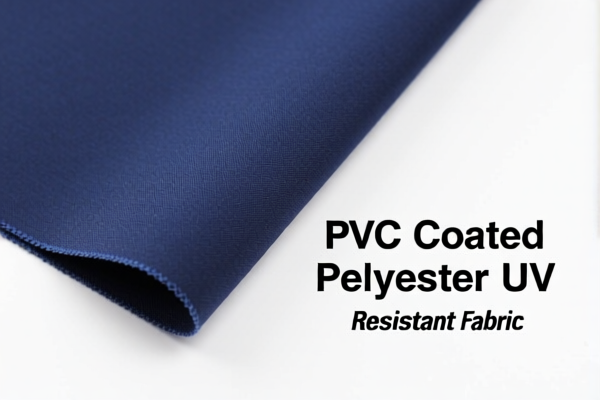
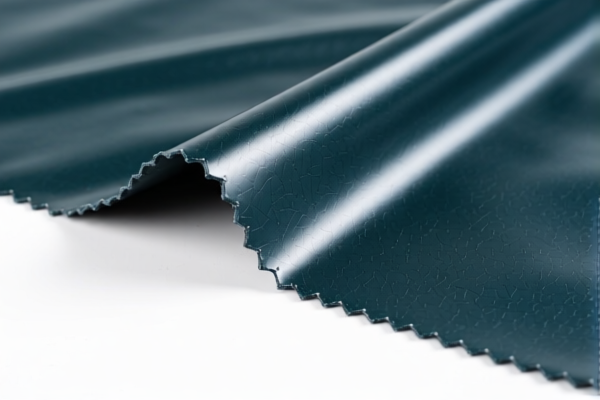
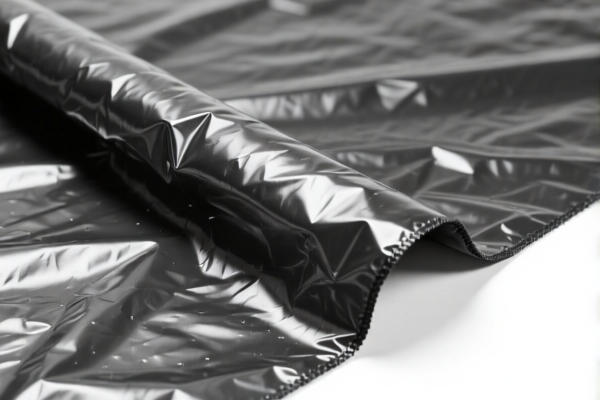
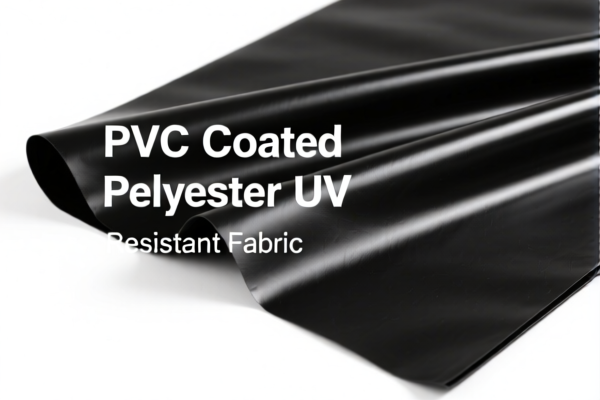
AI分析
🧵 PVC Thickened Textile UV Resistant Fabric: HS Code Classification & Customs Clearance Strategy (USA Market)
🌐 HS Code Reference & Customs Guide | 2026 Latest Tariff Analysis | Professional-Level Clearance Strategy
📌 I. Product Definition & Classification: What Exactly Is This "PVC Thickened Textile"?
PVC Thickened Textile UV Resistant Fabric is a composite material widely used in outdoor canopies, tarpaulins, awnings, inflatable structures, and industrial protective covers. It combines the strength of textile backing (usually polyester or nylon) with a PVC (Polyvinyl Chloride) coating or lamination, enhanced with UV inhibitors to prevent degradation from sunlight.
In international trade, this product is often misclassified because it sits at the intersection of textiles and plastics. The key to correct classification lies in determining whether the textile acts as the essential character (Class 59) or if the PVC coating dominates (Class 39 or 63).
⚠️ Key Distinction Points:
- If the fabric is primarily used as a coated/impregnated textile where the textile base provides structural integrity → Chapter 59 (Heading 5903).
- If it is considered a composite of plastics and textiles where the plastic layer is more visible or defines the function (e.g., rigid sheets) → Chapter 39 (Heading 3921).
- If it is specifically manufactured as a tent, awning, or sunshade → Chapter 63 (Heading 6306).
📦 II. HS Code Classification Details (2026 Latest Tariff Authority Comparison)
| HS Code | Product Description | Application Scenario | Classification Logic |
|---|---|---|---|
5903.10.20.90 |
PVC Thickened Textiles, UV Resistant; Material: PVC, Form: Textile Fabric. Classified as impregnated/coated fabric. | Industrial coverings, general-purpose tarpaulins. | ✅ Textile Base: Treated as "Textiles impregnated, coated, covered or laminated with plastics." |
5903.10.20.10 |
PVC Thickened Textiles, UV Resistant; Material: PVC, Form: Cloth. Inferred no conflict with other categories. | General textile applications, upholstery backing. | ✅ Textile Base: Similar to above, specific subheading for "Other." |
3921.12.11.00 |
PVC-Coated UV-Resistant Textile; Material: PVC, Form: Composite Material. Fits characteristics of polymer-textile composite. | Plastic-heavy composites, rigid panels, specific industrial laminates. | ⚠️ Plastic-Dominated: If PVC layer is substantial and considered the essential character of the composite sheet. |
6306.19.21.10 |
PVC-Coated UV-Resistant Textile; Form: Tarpaulins/Sunshade Materials. Material inferred as synthetic fiber, use matches sunshade needs. | Finished goods like tents, truck covers, sun sails, outdoor umbrellas. | ✅ Finished Article: If imported as a finished canopy/awning, not just raw fabric rolls. |
🔍 Critical Reminder:
- Raw Rolls vs. Finished Goods: If you import fabric rolls,5903or3921is likely. If you import finished tents or awnings,6306is the correct path.
- Misclassification Risk: Declaring a finished tarp as "PVC Fabric" (5903) when it is actually a "Tarpaulin" (6306) may lead to discrepancies in duty assessment, though the total tax here is actually higher for5903. Wait, let's look at the tax rates below.
💰 III. 2026 Latest Tariff Rate Breakdown (Including Additional Duties & Policy Surcharges)
✅ Applicable Country: United States (US)
✅ Origin: China (CN)
✅ Effective Time: From November 10, 2025 (Including subsequent imports)
🎯 1. 5903.10.20.90 & 5903.10.20.10 —— PVC Thickened Textiles (Impregnated/Coated)
| Item | Content |
|---|---|
| Base Tariff Rate | 0% (ad valorem) |
| Section 301 Additional Duty | +25% (Under USITC Footnote 9903.88.01) |
| IEEPA Additional Duty | +10% (Targeting China/HK products, effective from Nov 10, 2025) |
| Total Tariff Rate | 35.0% |
| Tax Calculation | CIF Value × 35% |
| De Minimis Eligibility | ❌ Not Eligible (deny_de_minimis) |
| Legal Basis Path | IEEPA:9903.01.25 → IEEPA:9903.01.24 → USITC:5903.10.20.90 → FOOTNOTE:9903.88.01 |
📌 Explanation:
- The "25% Section 301 Duty" is imposed under the US Trade Act Section 301 against Chinese goods.
- The "10% IEEPA Duty" is a new surcharge under the International Emergency Economic Powers Act.
- Total 35% is a high tariff. While the base rate is 0%, the additions make it expensive.
- Note: Both...20.90and...20.10share the same 35% rate in this dataset.
🎯 2. 3921.12.11.00 —— PVC Composite Materials (Polymer-Textile Composite)
| Item | Content |
|---|---|
| Base Tariff Rate | 4.2% (ad valorem) |
| Section 301 Additional Duty | +25% |
| IEEPA Additional Duty | +10% |
| Total Tariff Rate | 39.2% |
| Tax Calculation | CIF Value × 39.2% |
| De Minimis Eligibility | ❌ Not Eligible |
| Legal Basis Path | IEEPA:9903.01.24 → USITC:3921.12.11.00 |
📌 Note:
- This classification treats the item as a plastic composite sheet.
- It has a higher total tax (39.2%) than the textile classification (35.0%) due to the 4.2% base rate.
- Only choose this if the PVC content is so dominant that it's no longer considered a "textile" but a "plastic product."
🎯 3. 6306.19.21.10 —— Tarpaulins / Sunshade Materials (Finished Articles)
| Item | Content |
|---|---|
| Base Tariff Rate | 5.1% (ad valorem) |
| Section 301 Additional Duty | +7.5% |
| IEEPA Additional Duty | +10% |
| Total Tariff Rate | 22.6% |
| Tax Calculation | CIF Value × 22.6% |
| De Minimis Eligibility | ❌ Not Eligible (Assumed, based on pattern) |
| Legal Basis Path | IEEPA:9903.01.24 → USITC:6306.19.21.10 |
📌 Crucial Insight:
- Lowest Tax Rate! If your product is a finished tent, awning, or sunshade, classifying it under6306is significantly cheaper (22.6% vs 35%).
- However, you cannot ship raw fabric rolls and declare them as a finished tarpaulin. The form must match the description.
- The Section 301 duty is only 7.5% for this category, compared to 25% for textiles/plastics. This is a massive saving.
🛠️ IV. Practical Customs Clearance Advice (Real-World Pitfall Avoidance)
✅ 1. Documentation Checklist (Non-negotiable)
| Document | Required? | Description |
|---|---|---|
| ✅ Product Specification Sheet | ✔️ | Must detail: Base fabric type (e.g., 1000D Polyester), PVC thickness (microns), UV rating (e.g., 500-800 hours), and weight (gsm). |
| ✅ Photos (Labeled) | ✔️ | Show the texture, coating consistency, and any branding. For 6306, show the final shape (e.g., a tent structure). |
| ✅ Third-Party Test Report | ✔️ | UV resistance test results, tensile strength, and PVC composition analysis. |
| ✅ Commercial Invoice | ✔️ | Clearly state the end-use. E.g., "Raw PVC-Coated Polyester Fabric for Tarpaulin Manufacturing" vs. "Finished Camping Tent." |
| ✅ Packing List | ✔️ | Detail weights and dimensions. For rolls, specify length and width. |
✅ 2. Declaration Tips (Key Mantras)
🔥 "Form Defines Code, Use Defines Duty: Raw Fabric vs. Finished Good!"
| Scenario | Correct Declaration | Common Mistake |
|---|---|---|
| Raw Fabric Rolls (PVC coated) | 5903.10.20.90 |
Misclassifying as finished tent → Audit risk. |
| Finished Tarpaulin/Awning | 6306.19.21.10 |
Declaring as raw fabric → Underpaid duties (if 6306 is cheaper? No, wait. 35% vs 22.6%. If you declare fabric as fabric, you pay 35%. If you declare finished tent as fabric, you might get caught paying 35% but the real duty is 22.6%? No, usually misclassifying to a lower duty is tax evasion. Here, Fabric (35%) > Tent (22.6%). So, declaring a tent as fabric is overpaying? No. Declaring fabric as tent is illegal. Declaring tent as fabric pays 35%. Declaring tent as tent pays 22.6%. So if you are a tent manufacturer, you MUST declare as 6306 to save money. If you are a fabric manufacturer, you declare 5903. |
| Composite Plastic Sheets | 3921.12.11.00 |
Using if the PVC is too thick/rigid to be called "textile." |
| Hybrid Shipment (Rolls + Kits) | Split Declaration | Do not mix raw fabric and finished tents in one HS code. |
✅ 3. Special Case Handling
| Situation | Recommendation |
|---|---|
| OEM Custom Fabric | Provide the buyer's design specs. Ensure the invoice states "Custom PVC Coated Fabric." |
| Mixed Orders | If shipping 10 rolls of fabric and 5 finished awnings, split the invoice. Use 5903 for rolls and 6306 for awnings. |
| UV Resistance Claim | Have lab reports ready. If "UV Resistant" is not proven, Customs may downgrade to standard PVC fabric, potentially affecting classification. |
| Origin Marking | Ensure all goods are clearly marked "Made in China." Failure to do so can result in penalties regardless of HS Code. |
🌍 V. Global Market Comparison (2026 Latest)
| Country/Region | Recommended HS Code | Total Tariff (China Origin) | Key Certification | Remarks |
|---|---|---|---|---|
| 🇺🇸 USA | 5903.10.20.90 (Fabric) |
35.0% | None specific, but test reports help | High Section 301 + IEEPA. |
| 🇺🇸 USA | 6306.19.21.10 (Tent) |
22.6% | None specific | Best Rate for finished goods. |
| 🇨🇳 China | 5903.10.20.90 |
~5-10% | RoHS (if applicable) | No Section 301. |
| 🇪🇺 EU | 5903.10.20 |
6.5% | REACH (SVHC check) | PVC may trigger REACH scrutiny. |
| 🇬🇧 UK | 5903.10.20 |
6.5% | UKCA | Post-Brexit rules apply. |
📌 Conclusion:
- USA is the most expensive market due to political tariffs.
- Strategy: If you are exporting finished sunshades/tents, aggressively push for6306classification to save 12.4% in duties compared to fabric classification.
- If exporting raw fabric, you are stuck with 35%. Consider supply chain diversification if margins are tight.
📌 VI. Common Errors & Pitfalls (Lessons Learned)
❌ Mistake 1: Declaring a finished tent as "PVC Fabric" (5903)
👉 Consequence: You pay 35% instead of 22.6%. You are overpaying! Always declare finished goods under Chapter 63.
❌ Mistake 2: Declaring raw fabric rolls as "Tents" (6306)
👉 Consequence: Customs Audit & Penalties. The form does not match the description. Goods may be seized or returned.
❌ Mistake 3: Ignoring IEEPA 10% Surcharge
👉 Consequence: Underestimating landed cost by 10%. This applies to all HS codes listed above for China-origin goods.
❌ Mistake 4: Vague Description "PVC Cloth"
👉 Consequence: Customs may classify it under a higher-tariff "Other Plastics" category or request extensive documentation, causing delays.
✅ Correct Declaration Example:
"PVC Coated Polyester Tarpaulin Fabric, 1000D, UV Resistant, Roll Form, For Outdoor Covering" →
5903.10.20.90
"Foldable Outdoor Camping Tent with PVC-Coated Polyester Flysheet" →6306.19.21.10
🎯 VII. Conclusion: Professional Declaration Saves Money!
🎯 Remember the Mantra:
🔹 "Raw Rolls = 35% (5903); Finished Tents = 22.6% (6306)."
🔹 "Form Determines Code, Code Determines Cost."
🔹 "Don't pay 35% on a tent if it's only 22.6%! Don't lie about fabric to save money!"
📌 Pro Tip:
For large volume shipments, consider applying for an Advance Ruling from CBP (Customs and Border Protection) to lock in the HS Code classification before shipping. This provides legal certainty and prevents surprise audits.
📣 Immediate Action:
📞 Consult a licensed US Customs Broker.
📸 Provide detailed product photos (roll vs. assembled).
📝 Clearly distinguish between Fabric and Finished Goods in your commercial invoice.
🚀 Pass US Customs Smoothly, Maximize Profit, Minimize Risk!
✨ Professional Clearance Starts with Accurate Classification!
💼 Every Percent Saved in Duty is Pure Profit!
用户评价
关于 HS 编码归类
协调制度(HS)是由世界海关组织(WCO)制定的国际贸易商品分类标准。全球 200 多个国家采用 HS 系统作为海关关税、贸易统计和进出口监管的基础。
每个 HS 编码遵循以下层级结构:
- 章(2 位)——商品大类(例如:第 84 章:机器和机械设备)
- 品目(4 位)——章内的更具体分类
- 子目(6 位)——国际通用细分,所有 WCO 成员国统一使用
- 本国细分(8-10 位)——各国自行扩展的细分编码,如美国 HTSUS 10 位编码
正确的 HS 编码归类对于顺利通关、准确缴纳关税和遵守贸易法规至关重要。错误归类可能导致海关延误、多缴关税或罚款。
从CN进口到US时,适用的关税税率可能包括:
- 最惠国(MFN)税率——适用于 WTO 成员国的标准关税税率
- 普通税率——适用于无贸易协定国家
- 贸易救济关税——附加关税,如 301 条款(反倾销)、232 条款(国家安全)或反补贴税
本页内容仅供参考。如需正式归类,请咨询当地海关或持牌报关代理。