PVC Wall Film Textile Backed
CN → US| HS编码 | 关税税率 | 原产国 | 目的国 | 文档 |
|---|---|---|---|---|
| 5907001500 | 43.0% | CN | US | 官方文档 |
| 3919905040 | 40.8% | CN | US | 官方文档 |
| 3919905060 | 40.8% | CN | US | 官方文档 |
| 5907006000 | 35.0% | CN | US | 官方文档 |
| 4811596000 | 35.0% | CN | US | 官方文档 |
商品图片
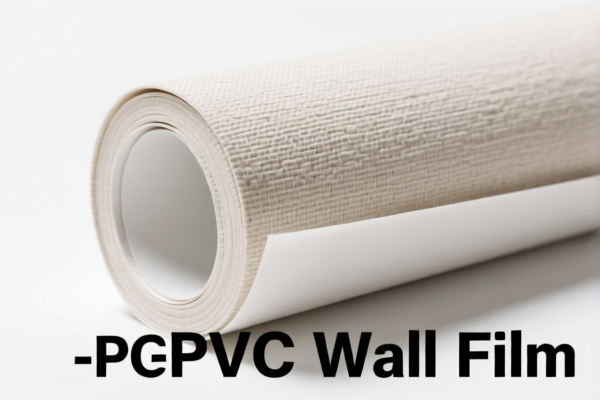
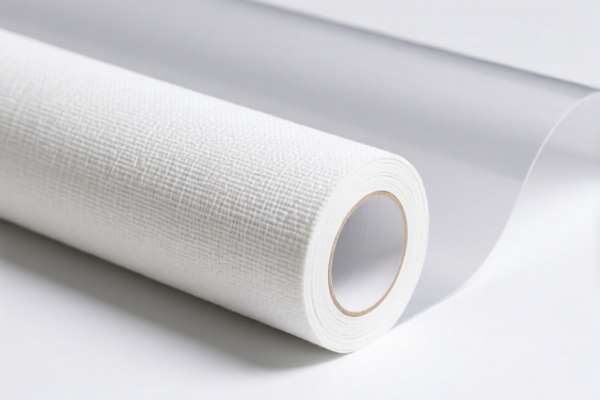
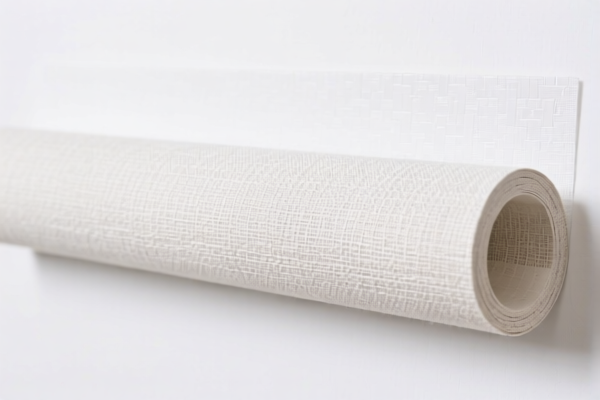
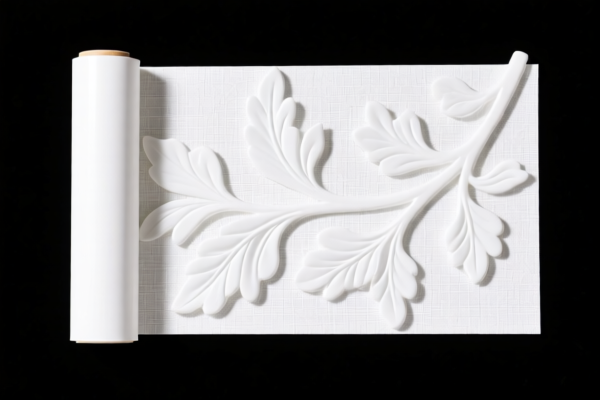
AI分析
🎨 PVC Wall Film (Textile Backed)
🌐 HS Code Reference & Customs Clearance Guide | 2026 Latest Tariff Analysis | Professional Entry Strategy
📌 I. Product Definition & Classification: What Exactly is "Textile-Backed PVC Wall Film"?
PVC Wall Film is a decorative and protective adhesive sheet widely used for interior renovation, furniture covering, and wall protection. The specific designation "Textile Backed" is the critical factor determining its classification in international trade.
Unlike standard plastic films, this product consists of a PVC (Polyvinyl Chloride) layer coated on a textile fabric base. This structure places it at the intersection of "Plastics" (Chapter 39) and "Textiles/Impregnated Fabrics" (Chapter 59).
⚠️ Key Distinction Point:
- If the base is primarily plastic (even if self-adhesive) → It falls under Chapter 39 (Plastics).
- If the base is primarily textile/fabric (impregnated/coated with PVC) → It falls under Chapter 59 (Impregnated, Coated, Covered or Laminate Textile Fabrics).
- The "Textile Backed" description strongly suggests Chapter 59, but customs often scrutinize whether the PVC coating is merely surface-level or the dominant feature.
📦 II. HS Code Classification Details (2026 Latest Tariff Authority Comparison)
Based on the input data, here are the 5 possible HS Codes for PVC Wall Film, categorized by their logical basis:
| HS Code | Product Description | Classification Logic | Total Tax Rate (China to US) |
|---|---|---|---|
5907.00.15.00 |
PVC Wall Film, PVC material, film form, classified as impregnated/coated textile fabric | Textile-based: The PVC is considered an impregnation/coating on a textile base. | 43.0% |
5907.00.60.00 |
PVC Wall Film, plastic material, film form, classified as impregnated/coated textile fabric | Textile-based: Similar to above, but assumes 0% basic tariff for this specific subheading variant. | 35.0% |
3919.90.50.40 |
PVC Wall Film, plastic material, film form, classified as transparent/self-adhesive tape | Plastic-based: Treated as a plastic adhesive tape/product, ignoring the textile backing's structural weight. | 40.8% |
3919.90.50.60 |
PVC Wall Film, plastic material, film form, classified as plastic self-adhesive film | Plastic-based: Treated as a generic plastic self-adhesive roll, based on utility rather than base material. | 40.8% |
4811.59.60.00 |
PVC Wall Film, plastic material, film form, classified as plastic-covered paper/fiber | Fiber-based (Hybrid): Treated as paper/fiber base coated with plastic (less common for textile, but possible if "textile" is loosely defined as fiber). | 35.0% |
🔍 Critical Insight:
- The term "Textile Backed" physically aligns with Chapter 59 (5907.00...).
- However, customs may argue that if the PVC layer provides the primary functional value (adhesion/decoration), it might be reclassified under Chapter 39 (3919.90...).
-5907.00.15.00is the most technically accurate for "textile backed" if the textile is the structural carrier, but it carries the highest total tax (43%).
-3919.90.50.40and3919.90.50.60offer a slightly lower tax rate (40.8%) by classifying it as a plastic product.
-4811.59.60.00and5907.00.60.00offer the lowest rate (35.0%), but their classification logic (paper-fiber or specific textile subheading) must be carefully justified with product samples.
💰 III. 2026 Latest Tariff Rate Breakdown (Including Surtaxes & Policy Add-ons)
✅ Applicable Country: United States (US)
✅ Origin: China (CN)
✅ Effective Time: November 10, 2025 (and subsequent imports)
🎯 1. 5907.00.15.00 – Impregnated, Coated, Covered or Laminate Textile Fabrics (High Risk/Highest Tax)
| Item | Content |
|---|---|
| Basic Tariff | 8.0% (Ad Valorem) |
| Section 301 Surtax (USITC) | +25% (For certain Chinese goods, including specific textiles/fabrics) |
| IEEPA Surtax | +10% (Targeting China/HK products, effective Nov 10, 2025) |
| Total Tax Rate | 43.0% |
| Tax Calculation | CIF Value × 43% |
| De Minimis Eligibility | ❌ Not Eligible (deny_de_minimis) |
| Legal Basis Path | IEEPA:9903.01.25 → USITC:5907.00.15.00 → FOOTNOTE:301 |
📌 Explanation:
- The 8% basic tariff reflects the textile nature of the product.
- The 25% Section 301 tax applies because many textile/fabric classifications are targeted.
- The 10% IEEPA tax is the new additional layer for Chinese-origin goods.
- Result: At 43%, this is the most expensive option. You must prove the textile backing is the essential character.
🎯 2. 3919.90.50.40 & 3919.90.50.60 – Self-Adhesive Plastic Films (Plastic Logic)
| Item | Content |
|---|---|
| Basic Tariff | 5.8% (Ad Valorem) |
| Section 301 Surtax (USITC) | +25% |
| IEEPA Surtax | +10% |
| Total Tax Rate | 40.8% |
| Tax Calculation | CIF Value × 40.8% |
| De Minimis Eligibility | ❌ Not Eligible (deny_de_minimis) |
| Legal Basis Path | IEEPA:9903.01.24 → USITC:3919.90.50.40/60 → FOOTNOTE:301 |
📌 Explanation:
- By classifying under Chapter 39, the basic tariff drops to 5.8%.
- The surtaxes (25% + 10%) remain constant because they apply to most Chinese plastic/textile imports.
- Savings: This option saves 2.2% compared to5907.00.15.00.
- Risk: You must argue that the PVC layer dominates the product's character, despite the textile backing.
🎯 3. 5907.00.60.00 & 4811.59.60.00 – Lowest Tax Options (35.0%)
| Item | Content |
|---|---|
| Basic Tariff | 0.0% (Ad Valorem) |
| Section 301 Surtax (USITC) | +25% |
| IEEPA Surtax | +10% |
| Total Tax Rate | 35.0% |
| Tax Calculation | CIF Value × 35.0% |
| De Minimis Eligibility | ❌ Not Eligible (deny_de_minimis) |
| Legal Basis Path | IEEPA:9903.01.24 → USITC:5907.00.60.00 / 4811.59.60.00 |
📌 Explanation:
- These codes have a 0% basic tariff, which significantly lowers the total burden.
- Caution:
-4811.59.60.00is for "plastic-covered paper or fiber," not necessarily textile. If your product is truly "textile-backed," this classification might be challenged as incorrect.
-5907.00.60.00is a specific textile subheading with 0% basic rate. Ensure your product meets the specific technical definition for this code (e.g., type of impregnation).
- Savings: These options save 8.0% compared to5907.00.15.00.
🛠️ IV. Customs Clearance Practical Advice (Avoid Pitfalls)
✅ 1. Documentation Checklist (Mandatory)
| Document | Required | Note |
|---|---|---|
| ✅ Product Specification Sheet | ✔️ | Must explicitly state: "PVC Layer Thickness," "Textile Base Material," "Adhesive Type." |
| ✅ Cross-Sectional Diagram | ✔️ | Visual proof of layers (PVC on Top, Textile on Bottom). Crucial for Chapter 59 vs. 39 debate. |
| ✅ Product Photos | ✔️ | Show flexibility, texture (textile weave visible?), and adhesive side. |
| ✅ Commercial Invoice | ✔️ | Clearly describe as "PVC Coated Textile Film for Wall Decoration." |
| ✅ Origin Certificate | ✔️ | If claiming preferential rates (though unlikely for China-US trade currently). |
✅ 2. Declaration Strategy (Key Principles)
🔥 “Material Determines Chapter, Adhesion Determines Heading, Surtax is Unavoidable.”
| Scenario | Recommended HS Code | Why? |
|---|---|---|
| Textile is obvious & structural | 5907.00.15.00 |
Most accurate for "textile-backed." High tax but defensible. |
| PVC layer is thick & dominant | 3919.90.50.40 |
Argue it’s a plastic product with minor textile support. Lower tax (40.8%). |
| Flexible, decorative, low-cost | 5907.00.60.00 or 4811.59.60.00 |
Only if you can prove it fits the specific technical criteria for these low-tariff codes. Risk of audit is higher. |
| Sample Submission | Provide Physical Sample | Always offer a sample to customs if challenged. Visual inspection is key. |
✅ 3. Special Situations
| Situation | Handling Advice |
|---|---|
| Dispute over "Textile" vs "Plastic" | Customs may view the PVC coating as the essential character. If the textile is merely a carrier for the adhesive, Chapter 39 may be enforced. |
| Small Package (De Minimis) | ❌ Do NOT use Section 321 (De Minimis). All codes listed have deny_de_minimis. Must formal entry. |
| Anti-Dumping/Countervailing Duties | Check if PVC films from China are subject to specific anti-dumping duties. The provided data includes 301/IEEPA, but verify AD/CVD status separately. |
| Renaming the Product | Avoid "Wall Paper." Use "Decorative Film" or "Adhesive Liner." "Paper" may trigger Chapter 48. "Film" triggers Chapter 39 or 59. |
🌍 V. Global Market Comparison (2026 Latest)
| Country/Region | Recommended HS Code | Tax Rate (China Origin) | Certification Requirements | Notes |
|---|---|---|---|---|
| 🇺🇸 USA | 5907.00.15.00 / 3919.90.50.40 |
35% - 43% | FTC Labeling, Prop 65 (if applicable) | High taxes due to 301/IEEPA. |
| 🇨🇳 China | 5907.00.15.00 |
~8-10% | CCC (if applicable) | Lower import tariffs. |
| 🇪🇺 EU | 5907.00.90 / 3919.90 |
0% - 5% | REACH, EPR | Generally lower tariffs, but strict chemical compliance. |
| 🇬🇧 UK | 5907.90.90 |
0% - 5% | UKCA | Post-Brexit rules apply. |
| 🇨🇦 Canada | 5907.00.90 |
0% - 5% | Health Canada | Free trade under CUSMA. |
📌 Conclusion:
- USA is the most challenging market due to high additional tariffs (35-43%).
- EU/UK/Canada offer significantly lower duty burdens. Consider supply chain diversification if targeting North America exclusively.
📌 VI. Common Mistakes & Pitfalls (Blood Lessons)
❌ Mistake 1: Classifying as "Wallpaper" (Chapter 48)
👉 Consequence: If the base is plastic/textile and coated with PVC, it’s not paper. Misclassification leads to penalties + back taxes.
❌ Mistake 2: Ignoring the IEEPA 10% Tax
👉 Consequence: Since Nov 10, 2025, the 10% IEEPA tax is mandatory for all Chinese-origin goods in these categories. Forgetting it results in underpayment.
❌ Mistake 3: Assuming "De Minimis" Applies
👉 Consequence: PVC films and textile coatings are explicitly denied de minimis status. Trying to ship via small parcels will result in seizure or return.
❌ Mistake 4: Inconsistent Product Description
👉 Consequence: If the invoice says "PVC Film" but the sample shows heavy textile backing, customs will reclassify to Chapter 59, potentially changing the tax rate and triggering an audit.
✅ Correct Approach:
"PVC-Coated Textile Decorative Film, Self-Adhesive, for Wall Application, 0.5mm Thick, PVC Base 0.3mm, Textile Backing 0.2mm."
(Provide detailed layer breakdown to support your chosen HS Code.)
🎯 VII. Conclusion: Professional Declaration, Cost Optimization!
🎯 Remember the Golden Rules:
🔹 "Textile Backed? Think Chapter 59 first, but Chapter 39 might save you 2.2%."
🔹 "US Imports? Prepare for 35-43% Total Tax. No De Minimis. No Excuses."
🔹 "Documentation is Key: Provide cross-sections to prove your classification."
📌 Pro Tip:
If your PVC film is thin and the textile is just a release liner or minor support, argue for Chapter 39 (3919.90...) to save on the basic tariff.
If the textile is the main material providing strength/texture, stick to Chapter 59 (5907.00...) to avoid classification fraud charges.
📣 Immediate Action:
📞 Contact a licensed customs broker + Provide product sample + Request Advance Ruling (if possible)
🚀 Ensure your commercial invoice and packing list perfectly match your declared HS Code logic.
✨ Professional Clearance, Starting from Precise Classification!
💼 Every Percentage Point of Tax Matters in 2026!
用户评价
关于 HS 编码归类
协调制度(HS)是由世界海关组织(WCO)制定的国际贸易商品分类标准。全球 200 多个国家采用 HS 系统作为海关关税、贸易统计和进出口监管的基础。
每个 HS 编码遵循以下层级结构:
- 章(2 位)——商品大类(例如:第 84 章:机器和机械设备)
- 品目(4 位)——章内的更具体分类
- 子目(6 位)——国际通用细分,所有 WCO 成员国统一使用
- 本国细分(8-10 位)——各国自行扩展的细分编码,如美国 HTSUS 10 位编码
正确的 HS 编码归类对于顺利通关、准确缴纳关税和遵守贸易法规至关重要。错误归类可能导致海关延误、多缴关税或罚款。
从CN进口到US时,适用的关税税率可能包括:
- 最惠国(MFN)税率——适用于 WTO 成员国的标准关税税率
- 普通税率——适用于无贸易协定国家
- 贸易救济关税——附加关税,如 301 条款(反倾销)、232 条款(国家安全)或反补贴税
本页内容仅供参考。如需正式归类,请咨询当地海关或持牌报关代理。