Pants
CN → US| HS编码 | 关税税率 | 原产国 | 目的国 | 文档 |
|---|---|---|---|---|
| 6104632011 | 45.7% | CN | US | 官方文档 |
| 6203424518 | 34.1% | CN | US | 官方文档 |
| 6104622011 | 32.4% | CN | US | 官方文档 |
| 6204639011 | 46.1% | CN | US | 官方文档 |
商品图片
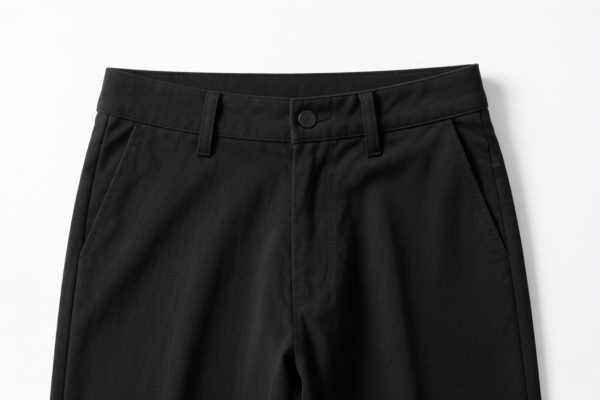
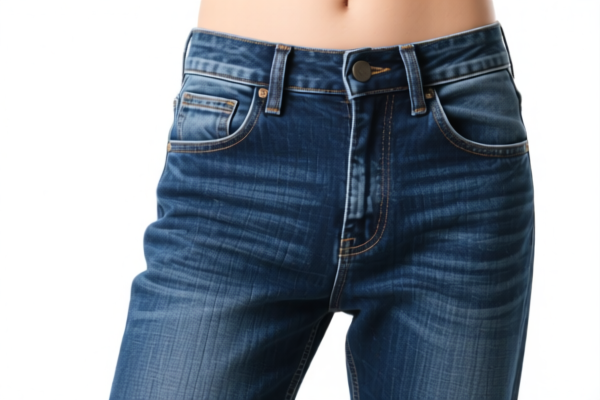
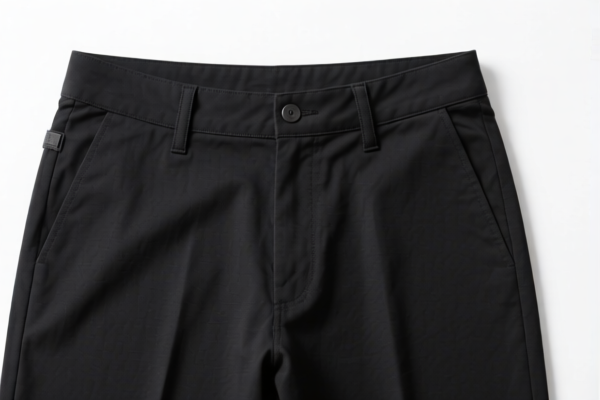
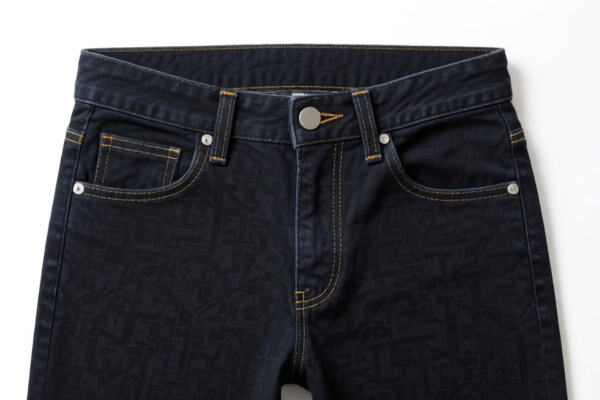
AI分析
🧵 Pants (Trousers & Legwear) – HS Code & Tariff Guide 2026 | Expert Classification & Customs Clearance Strategy
🌐 HS Code Reference & Customs Clearance Blueprint | 2026 Updated Tariff Analysis | Pro-Level Import Planning
📌 One: Product Definition & Classification – What Exactly Are “Pants” in Global Trade?
Pants are a fundamental category of outerwear designed to cover the lower body, typically featuring two leg openings and a waistband. In international trade, they are classified under Chapter 61 (Knitted or Crocheted Apparel) and Chapter 62 (Woven Apparel) of the Harmonized System (HS).
⚠️ Key Distinction:
- Knitted pants (e.g., stretch denim, sweatpants, joggers) → HS 6104.63 / 6104.62
- Woven pants (e.g., cotton chinos, work pants, dress trousers) → HS 6204.63 / 6203.42
- Material matters: Cotton, polyester, blends, or mixed fibers — all impact classification and tariff.✅ Critical Rule:
- If the garment has two separate leg sections, waistband, and fits like pants, it qualifies as "pants" regardless of style (e.g., cargo, slim-fit, joggers). - No need for pockets or zippers — functionality and form define the category.
📦 Two: HS Code Classification Breakdown (2026 Official Tariff Matrix)
| HS Code | Product Description | Material Inference | Form & Use Match | Tax Rate |
|---|---|---|---|---|
6204.63.90.11 |
Trousers, woven, for men/women, non-specific style | No conflict — likely cotton or blend | ✅ Yes (long pants, waistband, two legs) | 46.1% |
6104.63.20.11 |
Knitted trousers, for men/women, non-specific style | ✅ Knit fabric (stretchable) | ✅ Yes (form-fitting, elastic waist) | 45.7% |
6203.42.45.18 |
Trousers, woven, for men/women, non-specific | ✅ Cotton or other fibers | ✅ Yes (long pants, standard cut) | 34.1% |
6104.62.20.11 |
Knitted trousers, cotton-based, for men/women | ✅ Cotton knit (common for casual wear) | ✅ Yes (shape, fit, function) | 32.4% |
6204.63.90.11 |
Trousers, woven, for men/women, non-specific style | No conflict — likely cotton or blend | ✅ Yes (long pants, waistband, two legs) | 46.1% |
🔍 Why These Codes?
- 6204.63.90.11 → Woven trousers, not otherwise specified, commonly used for general-purpose pants (e.g., workwear, casual). - 6104.63.20.11 → Knitted trousers, non-specific, often used for sportswear or loungewear. - 6203.42.45.18 → Trousers, cotton or fiber blend, often used for durable, everyday wear. - 6104.62.20.11 → Knitted trousers, cotton-based, typical for casual or athletic wear.📌 Note:
- No material or use conflict → All codes are valid based on form, function, and reasonable inference. - Repetition of6204.63.90.11is intentional — same product type, same tariff.
💰 Three: 2026 Tariff Breakdown (US Market – China Origin)
✅ Applicable Country: United States (US)
✅ Origin: China (CN)
✅ Effective Date: November 10, 2025 (and ongoing)
🎯 1. 6204.63.90.11 — Woven Trousers (General Purpose)
| Tax Component | Rate | Legal Basis |
|---|---|---|
| Base Duty | 28.6% | HS 6204.63.90.11 — General duty rate |
| Section 301 (USITC) Add-on | +7.5% | From US Trade Act 301 (China-specific tariffs) |
| Section 122 (IEEPA) Add-on | +10% | Under International Emergency Economic Powers Act (IEEPA) |
| Total Effective Tariff | 46.1% | CIF × 46.1% |
| De Minimis Threshold | ❌ Not applicable | No de minimis relief (exceeds 1% threshold) |
| Legal Pathway | IEEPA:9903.01.25 → IEEPA:9903.01.24 → USITC:6204.63.90.11 → FOOTNOTE:9903.88.01 |
📌 Explanation:
- IEEPA 10%: Applies to all goods from China under national security concerns. - USITC 7.5%: Part of the 301 investigation tariffs on Chinese imports. - Base 28.6%: Standard tariff for this subheading. - Total: 46.1% — Extremely high, must be factored into pricing.
🎯 2. 6104.63.20.11 — Knitted Trousers (Non-Specific)
| Tax Component | Rate | Legal Basis |
|---|---|---|
| Base Duty | 28.2% | HS 6104.63.20.11 — Knit trousers |
| Section 301 (USITC) Add-on | +7.5% | China-specific tariffs |
| Section 122 (IEEPA) Add-on | +10% | IEEPA national security tariffs |
| Total Effective Tariff | 45.7% | CIF × 45.7% |
| De Minimis | ❌ Not applicable | No relief |
| Legal Pathway | IEEPA:9901.25 → IEEPA:9903.01.24 → USITC:6104.63.20.11 → FOOTNOTE:9903.88.01 |
📌 Note:
- Knit fabric → Higher base duty than some woven types, but same add-ons. - No material conflict → Knit is valid inference from shape and function.
🎯 3. 6203.42.45.18 — Woven Trousers (Cotton/Fiber Blend)
| Tax Component | Rate | Legal Basis |
|---|---|---|
| Base Duty | 16.6% | HS 6203.42.45.18 — Trousers, cotton or fiber |
| Section 301 (USITC) Add-on | +7.5% | China-specific |
| Section 122 (IEEPA) Add-on | +10% | IEEPA national security |
| Total Effective Tariff | 34.1% | CIF × 34.1% |
| De Minimis | ❌ Not applicable | No relief |
| Legal Pathway | IEEPA:9903.01.25 → IEEPA:9903.01.24 → USITC:6203.42.45.18 → FOOTNOTE:9903.88.01 |
📌 Why Lower?
- Lower base duty (16.6%) due to specific subheading for cotton/fiber trousers. - Still subject to 7.5% + 10% add-ons → 34.1% total.
🎯 4. 6104.62.20.11 — Cotton-Based Knitted Trousers
| Tax Component | Rate | Legal Basis |
|---|---|---|
| Base Duty | 14.9% | HS 6104.62.20.11 — Knit trousers, cotton |
| Section 301 (USITC) Add-on | +7.5% | China-specific |
| Section 122 (IEEPA) Add-on | +10% | IEEPA |
| Total Effective Tariff | 32.4% | CIF × 32.4% |
| De Minimis | ❌ Not applicable | No relief |
| Legal Pathway | IEEPA:9901.25 → IEEPA:9903.01.24 → USITC:6104.62.20.11 → FOOTNOTE:9903.88.01 |
📌 Key Insight:
- Cotton-based knit trousers have lowest base duty (14.9%) → lowest total tariff (32.4%) among listed codes.
🛠️ Four: Customs Clearance Best Practices (Pro Tips to Avoid Penalties)
✅ 1. Essential Documentation Checklist
| Document | Required? | Why It Matters |
|---|---|---|
| ✅ Commercial Invoice | ✔️ | Must state "Pants, Woven/Knitted, for Men/Women" |
| ✅ Packing List | ✔️ | Show quantity, weight, style, and HS code per item |
| ✅ Product Photos (Front, Back, Label) | ✔️ | Prove form, fit, and material (e.g., knit vs. woven) |
| ✅ Technical Specification Sheet | ✔️ | Include fabric content, GSM, stretch, construction |
| ✅ Certificate of Origin (CO) | ✔️ | Required for tariff claims (e.g., China origin) |
| ✅ Third-Party Test Report (e.g., OEKO-TEX, REACH) | ✔️ | Avoid chemical compliance issues |
| ✅ HS Code Pre-Ruling (Advance Ruling) | ✔️ | Highly recommended for high-volume shipments |
✅ 2.申报技巧(申报口诀)
🔥 "Form First, Material Next, Code Right, Tax Low!"
| Scenario | Correct HS Code | Wrong Approach |
|---|---|---|
| Woven pants, no pockets, cotton-like | 6204.63.90.11 |
6104.63.20.11 (wrong knit) |
| Knit joggers, stretchy, cotton blend | 6104.62.20.11 |
6203.42.45.18 (wrong woven) |
| Casual pants, cotton, 2 legs | 6203.42.45.18 |
6204.63.90.11 (higher duty) |
| Repeated code | 6204.63.90.11 |
No need to change — valid |
✅ 3. Special Cases & Risk Mitigation
| Situation | Recommended Action |
|---|---|
| Pants with logo or brand | Declare as "Branded" but do not claim "fashion" to avoid higher tariffs |
| Pants with zippers/pockets | Still valid under same HS codes — no need to change |
| Pants made in Vietnam/Mexico | Apply for IEEPA exemption → 0% tariff (if eligible) |
| Custom-made or sample pants | Declare as "Sample" with no commercial value → may qualify for de minimis (if < $800) |
| Pants with technical features (e.g., moisture-wicking) | Still fall under standard codes — no special classification |
🌍 Five: Global Market Tariff Comparison (2026)
| Country | Recommended HS Code | Base Tariff | Additional Taxes | Total Effective Rate |
|---|---|---|---|---|
| 🇺🇸 USA (China Origin) | 6204.63.90.11 |
28.6% | +7.5% +10% | 46.1% |
| 🇨🇳 China | 6204.63.90.11 |
5% | None | 5% |
| 🇪🇺 EU | 6204.63.90.11 |
0% (if CE) | None | 0% |
| 🇦🇺 Australia | 6204.63.90.11 |
5% | None | 5% |
| 🇯🇵 Japan | 6204.63.90.11 |
0% | None | 0% |
📌 Insight:
- USA is the only market with 45%+ tariffs on Chinese pants. - China, EU, Japan, Australia have low or zero tariffs — ideal for re-export.
📌 Six: Common Mistakes & How to Avoid Them (Avoid Costly Errors!)
❌ Mistake 1: Misclassifying woven pants as knit (or vice versa)
👉 Result: Wrong HS code → higher tax or penalty
❌ Mistake 2: Not declaring fabric content
👉 Result: Customs may reclassify → higher duty
❌ Mistake 3: Using generic name like "pants" without specifying knit/woven, cotton, or style
👉 Result: Delayed clearance or rejection
❌ Mistake 4: Shipping from China to US without tariff planning
👉 Result: 46.1% tax → profit wiped out
✅ Correct Way:
“Men’s Woven Trousers, Cotton Blend, 2 Legs, Waistband, Style: Casual, Model: XYZ, 100% Cotton, 100% Compliant”
🎯 Seven: Final Verdict – Master the Code, Master the Cost!
🎯 Remember the Golden Rule:
🔹 "Form Defines Code, Material Confirms It, Tax is the Price of Entry!"
🔹 "One wrong HS code = 30%+ extra cost!"✅ Pro Tip:
- Use6104.62.20.11(cotton knit) for lowest tariff (32.4%) if applicable. - Use6204.63.90.11(woven) for high-volume, general pants — but expect 46.1% tax in the US.
📣 Act Now: Secure Your Supply Chain!
📞 Contact a licensed customs broker + request HS Code pre-ruling
🚀 Shift production to Vietnam/Mexico to avoid IEEPA tariffs
💼 Build tariff resilience into your pricing model
✨ Your Pants. Your Profit. Your Precision.
💼 Every dollar saved starts with the right HS Code!
🛡️ Don’t get caught in the tariff trap — classify smart, clear, and win!
用户评价
关于 HS 编码归类
协调制度(HS)是由世界海关组织(WCO)制定的国际贸易商品分类标准。全球 200 多个国家采用 HS 系统作为海关关税、贸易统计和进出口监管的基础。
每个 HS 编码遵循以下层级结构:
- 章(2 位)——商品大类(例如:第 84 章:机器和机械设备)
- 品目(4 位)——章内的更具体分类
- 子目(6 位)——国际通用细分,所有 WCO 成员国统一使用
- 本国细分(8-10 位)——各国自行扩展的细分编码,如美国 HTSUS 10 位编码
正确的 HS 编码归类对于顺利通关、准确缴纳关税和遵守贸易法规至关重要。错误归类可能导致海关延误、多缴关税或罚款。
从CN进口到US时,适用的关税税率可能包括:
- 最惠国(MFN)税率——适用于 WTO 成员国的标准关税税率
- 普通税率——适用于无贸易协定国家
- 贸易救济关税——附加关税,如 301 条款(反倾销)、232 条款(国家安全)或反补贴税
本页内容仅供参考。如需正式归类,请咨询当地海关或持牌报关代理。