Paper Envelope
CN → US| HS编码 | 关税税率 | 原产国 | 目的国 | 文档 |
|---|---|---|---|---|
| 4823908680 | 35.0% | CN | US | 官方文档 |
| 3923109000 | 38.0% | CN | US | 官方文档 |
| 4823610040 | 35.0% | CN | US | 官方文档 |
| 4819504060 | 35.0% | CN | US | 官方文档 |
| 4819504020 | 35.0% | CN | US | 官方文档 |
商品图片
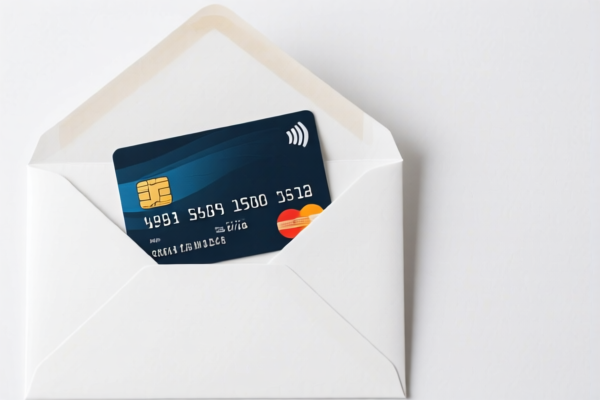
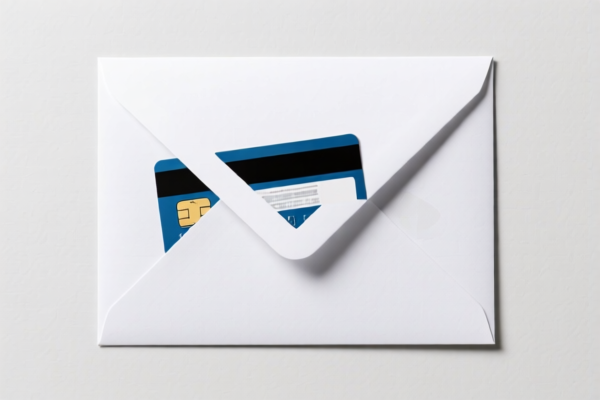
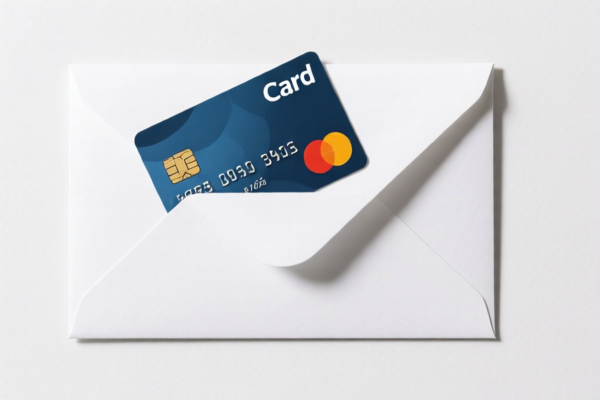
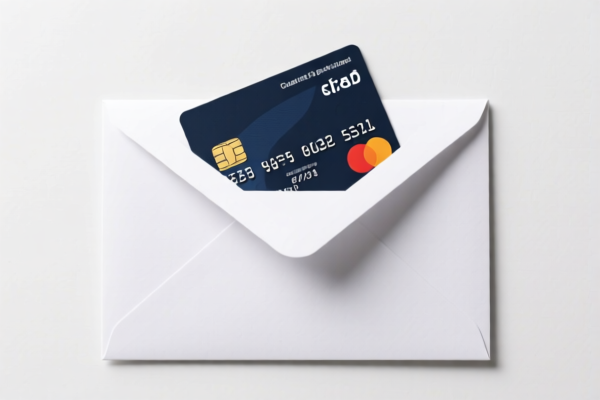
AI分析
📦 Paper Envelope (快递信封/纸质信封)
🌐 HS Code Reference & Customs Clearance Guide | 2026 Latest Tariff Analysis | Professional Level Strategy
📌 I. Product Definition & Classification: Do You Truly Understand "Paper Envelopes"?
A Paper Envelope (often referred to as a mailing envelope, bubble mailer with paper outer layer, or kraft envelope) is a critical logistics packaging material. In international trade, its classification depends heavily on its primary material and functional form.
The data below focuses specifically on Paper-based envelopes, highlighting the nuance between "general paper goods," "packaging containers," and "bag-like structures."
⚠️ Critical Distinction:
- If the envelope is Plastic (e.g., poly mailers), it falls under 3923.10.90.00.
- If the envelope is Paper/Kraft, it falls under Chapter 48 (Paper/Paperboard). The exact 10-digit HS Code depends on whether it is viewed as a "packaging container" or a "bag/pouch."
📊 II. HS Code Classification Details (2026 Latest Tariff Authority Comparison)
| HS Code | Product Description | Applicable Scenario | Material/Form Attribute |
|---|---|---|---|
4823.90.86.80 |
Other paper articles; Fits the material attribute of "Other Paper Products" | General paper envelopes, non-specific packaging uses | ✅ Paper, General Category |
4823.61.00.40 |
Bag/Pouch of paper paperboard | Envelopes shaped specifically as bags/pouches, kraft style | ✅ Paper, Bag/Pouch Form |
4819.50.40.60 |
Other paper packaging containers | Paper envelopes used specifically as packaging for goods | ✅ Paper, Container Category |
4819.50.40.20 |
Paper packaging containers (Bags, Boxes, Shells) | Envelopes covering the broad scope of bags/boxes/shells | ✅ Paper, Broad Container Scope |
🔍 Key Reminder:
- All entries below are for Paper envelopes.
- If your product is a Plastic Poly Mailer, you MUST use3923.10.90.00(See Tax Breakdown below).
- For paper envelopes, the difference between4823(General Paper) and4819/4823.61(Packaging/Bags) is often minor in description but critical in customs inspection precision.
💰 III. 2026 Latest Tariff Rate Detail (Including Surtaxes & Policy Add-ons)
✅ Applicable Country: United States (US)
✅ Origin: China (CN)
✅ Effective Date: Post-November 2025 (Including subsequent imports)
🎯 1. 4823.90.86.80 – Other Paper Articles (General Category)
| Item | Content |
|---|---|
| Base Tariff | 0.0% (Ad valorem) |
| Section 301 Surtax | +25.0% (Added Tariff) |
| 122 Clause Tariff | +10.0% (Specific to Chinese Goods) |
| Total Tax Rate | 35.0% |
| Tax Calculation | CIF Value × 35% |
| De Minimis Exemption? | ❌ No (Denied for China origin due to high rates) |
| Legal Path | Base 0% → Section 301 (+25%) → 122 Clause (+10%) |
📌 Explanation:
- Base 0%: Paper products often enjoy low base duties.
- Section 301 (+25%): The standard retaliatory tariff on many Chinese goods.
- 122 Clause (+10%): An additional specific tariff applied to certain categories from China.
- Total 35%: This is the effective landed cost multiplier for this specific classification.
🎯 2. 4823.61.00.40 – Bags/Pouches of Paper
| Item | Content |
|---|---|
| Base Tariff | 0.0% |
| Section 301 Surtax | +25.0% |
| 122 Clause Tariff | +10.0% |
| Total Tax Rate | 35.0% |
| Tax Calculation | CIF Value × 35% |
| De Minimis Exemption? | ❌ No |
| Legal Path | Base 0% → Section 301 (+25%) → 122 Clause (+10%) |
📌 Note:
- Classification as a "bag/pouch" does not change the tariff rate from the general "other paper articles" category in this dataset.
- Both are subject to the same 35% total burden.
🎯 3. 4819.50.40.60 & 4819.50.40.20 – Paper Packaging Containers
| Item | Content |
|---|---|
| Base Tariff | 0.0% |
| Section 301 Surtax | +25.0% |
| 122 Clause Tariff | +10.0% |
| Total Tax Rate | 35.0% |
| Tax Calculation | CIF Value × 35% |
| De Minimis Exemption? | ❌ No |
| Legal Path | Base 0% → Section 301 (+25%) → 122 Clause (+10%) |
📌 Note:
- Whether classified as "Packaging Containers" (4819) or "Bag/Pouch" (4823.61), the total tax remains 35%.
- Precision in description is key for customs clearance efficiency, even if the rate is identical.
🎯 4. 3923.10.90.00 – Plastic Packaging Supplies (For Comparison/Plastic Envelopes)
| Item | Content |
|---|---|
| Base Tariff | 3.0% |
| Section 301 Surtax | +25.0% |
| 122 Clause Tariff | +10.0% |
| Total Tax Rate | 38.0% |
| Tax Calculation | CIF Value × 38% |
| De Minimis Exemption? | ❌ No |
| Legal Path | Base 3% → Section 301 (+25%) → 122 Clause (+10%) |
⚠️ Critical Alert for Plastic Envelopes:
- If your "Paper Envelope" actually has a significant plastic component (e.g., poly-lined) or is a Poly Mailer, you must use3923.10.90.00.
- This results in a 38% total tax rate, which is 3% higher than the pure paper options.
- Ensure your material composition matches the HS Code to avoid penalties.
🛠️ IV. Customs Clearance Practical Advice (Battle-Tested Pitfall Guide)
✅ 1. Preparation Checklist (All Required)
| Document | Required? | Explanation |
|---|---|---|
| ✅ Product Specification Sheet | ✔️ | Must specify material: "100% Paper," "Kraft Paper," or "Plastic-Lined Paper." |
| ✅ Commercial Invoice | ✔️ | Must clearly state "Paper Envelope" or "Mailing Envelope." Avoid vague terms like "Supply." |
| ✅ Packing List | ✔️ | Show quantity and dimensions. Bulk shipments may trigger weight/volume checks. |
| ✅ HS Code Pre-Ruling | ✔️ | Highly Recommended. Submit product photos and material info to confirm 4823 vs 4819 vs 3923. |
| ✅ Proof of Origin | ✔️ | Critical for verifying China origin and applying correct surtaxes. |
✅ 2. Declaration Skills (Key Mantra)
🔥 “Paper is Paper, Plastic is Plastic, Material is Key, Don’t Get Trashed!”
| Scenario | Correct Declaration | Wrong Practice |
|---|---|---|
| Pure Kraft/Paper Envelope | 4823.90.86.80 or 4819.50.40.60 |
Misdeclaring as plastic → 38% tax or rejection |
| Poly Mailer (Plastic) | 3923.10.90.00 |
Misdeclaring as paper → 35% tax (underpayment risk) |
| Paper with Plastic Window | Check Primary Function | If plastic liner > paper, may fall under 3923 |
| Bulk Unbranded Envelopes | "Paper Mailing Envelopes, Blank" | Using brand names or vague "Paper Goods" |
✅ 3. Special Handling Cases
| Situation | Handling Advice |
|---|---|
| Mixed Materials (Paper + Plastic) | If >50% by weight/material is paper, argue for 4823. If plastic dominates, use 3923. Consult a broker. |
| OEM/Custom Printed Envelopes | Provide print templates and approval samples. Ensure "Custom" doesn't trigger different regulatory checks. |
| Large Volume Shipments | Ensure HS Code consistency across all invoices. Inconsistencies lead to audits and delays. |
| De Minimis (Section 321) | ❌ Not Applicable. Due to the 35%-38% total tax rate, these goods do not qualify for duty-free de minimis entry. Taxes must be paid at entry. |
🌍 V. Global Market Clearance Comparison (2026 Latest)
| Country/Region | Recommended HS Code | Tariff (China Origin) | Certification | Notes |
|---|---|---|---|---|
| 🇺🇸 USA | 4823.90.86.80 / 3923.10.90.00 |
35% (Paper) / 38% (Plastic) | None usually | High base + 301 + 122 |
| 🇨🇳 China | 4823 / 3923 |
Low/Standard | N/A | Export focus |
| 🇪🇺 EU | 4823 / 3923 |
0-4% (General) | CE (if applicable) | No Section 301 |
| 🇬🇧 UK | 4823 / 3923 |
0-4% (General) | UKCA | No Section 301 |
📌 Conclusion:
- USA is the highest-cost market due to the combination of Base, Section 301, and 122 Clause tariffs.
- Precision in Material Declaration is the single most important factor to avoid the 3% difference between Paper (35%) and Plastic (38%), and to prevent customs holds.
📌 VI. Common Errors & Pitfall Guide (Blood & Tears Lessons)
❌ Error 1: Declaring Plastic Poly Mailers as "Paper Envelopes" (4823)
👉 Consequence: Customs inspection reveals plastic content → Penalty + Back Taxes + Delay.
👉 Fix: Always verify material composition. If it’s a "poly mailer," use 3923.10.90.00.
❌ Error 2: Vague Description "Paper Goods" on Invoice
👉 Consequence: Customs cannot determine exact HS → Hold for Inspection.
👉 Fix: Use specific terms: "Paper Mailing Envelopes, Kraft, 100% Recycled Paper."
❌ Error 3: Ignoring the 122 Clause
👉 Consequence: Underpaying by 10% → Large Bill from CBP + Interest.
👉 Fix: Ensure your filing includes all applicable surtaxes (Base + 301 + 122).
✅ Correct Practice:
"Paper Mailing Envelopes, 9x12 inch, Kraft Paper, 100% Paper, Blank, Model PE-912"
🎯 VII. Conclusion: Precise Classification Saves Money!
🎯 Remember the Mantra:
🔹 "Paper is 35%, Plastic is 38%, Get it Wrong, Pay More Stress!"
🔹 "Material First, HS Code Second, Invoice Clear, Customs Happy!"
📌 Pro Tip:
If your supply chain is flexible, consider shifting to pure paper if currently using plastic-lined envelopes. While both are high-tax, Paper (35%) is slightly cheaper than Plastic (38%), and often viewed more favorably under environmental regulations.
Recommendation: Apply for an Advance Ruling from CBP if you have high-volume shipments to lock in your HS Code classification.
📣 Immediate Action:
📞 Contact your Freight Forwarder + Provide Material Spec Sheet + Confirm HS Code (
4823vs3923)
🚀 Let your envelopes Clear Fast, Stay Compliant, and Protect Margins!
✨ Professional Clearance, Starts with Precise Classification!
💼 Every Dollar of Tariff is Calculated, Not Guessed!
用户评价
关于 HS 编码归类
协调制度(HS)是由世界海关组织(WCO)制定的国际贸易商品分类标准。全球 200 多个国家采用 HS 系统作为海关关税、贸易统计和进出口监管的基础。
每个 HS 编码遵循以下层级结构:
- 章(2 位)——商品大类(例如:第 84 章:机器和机械设备)
- 品目(4 位)——章内的更具体分类
- 子目(6 位)——国际通用细分,所有 WCO 成员国统一使用
- 本国细分(8-10 位)——各国自行扩展的细分编码,如美国 HTSUS 10 位编码
正确的 HS 编码归类对于顺利通关、准确缴纳关税和遵守贸易法规至关重要。错误归类可能导致海关延误、多缴关税或罚款。
从CN进口到US时,适用的关税税率可能包括:
- 最惠国(MFN)税率——适用于 WTO 成员国的标准关税税率
- 普通税率——适用于无贸易协定国家
- 贸易救济关税——附加关税,如 301 条款(反倾销)、232 条款(国家安全)或反补贴税
本页内容仅供参考。如需正式归类,请咨询当地海关或持牌报关代理。