Paper Labels for Lithium Batteries
CN → US| HS编码 | 关税税率 | 原产国 | 目的国 | 文档 |
|---|---|---|---|---|
| 3919905060 | 40.8% | CN | US | 官方文档 |
| 4823908000 | 35.0% | CN | US | 官方文档 |
| 4823908680 | 35.0% | CN | US | 官方文档 |
| 4821104000 | 35.0% | CN | US | 官方文档 |
| 4823908680 | 35.0% | CN | US | 官方文档 |
商品图片
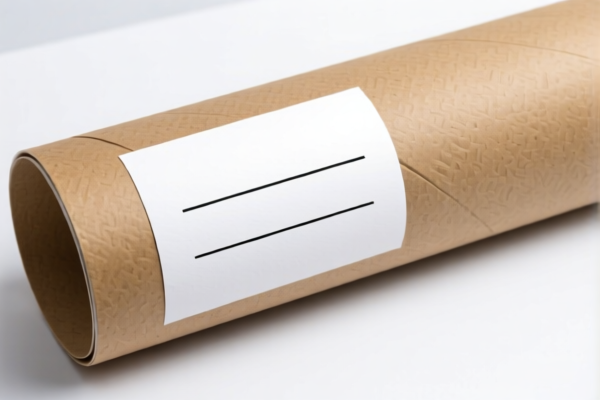
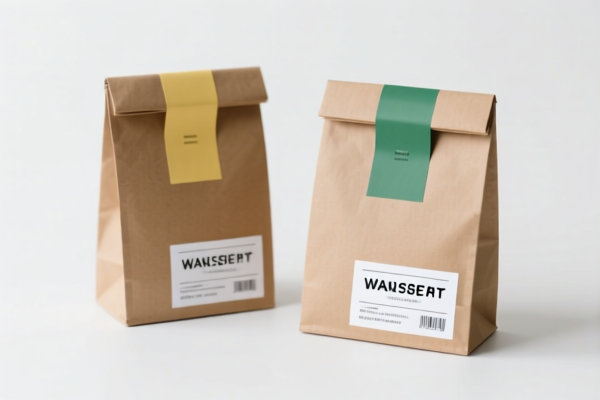
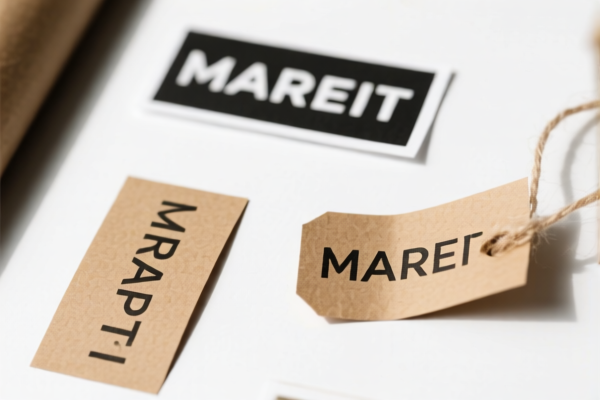
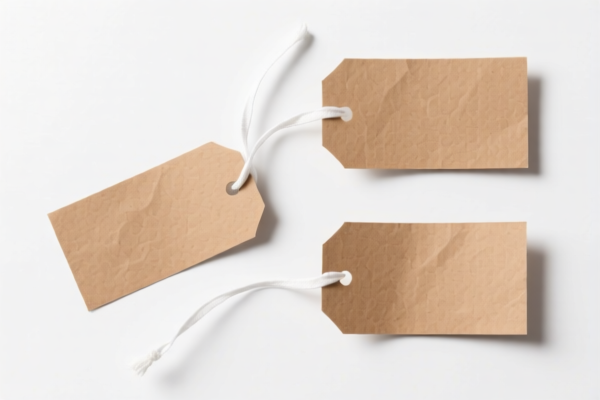
AI分析
🏷️ Paper Labels for Lithium Batteries (Battery Oiling Labels)
🌐 HS Code Reference & Clearance Guide | 2026 Latest Tariff Analysis | Professional Customs Strategy
📌 I. Product Definition & Classification: What Exactly Are These Labels?
"Lithium Battery Oiling Labels" (often referred to as "Lithium Print Inventory Labels" or simply "Battery Labels") are specialized adhesive labels used in the lithium-ion battery manufacturing and supply chain. They serve two primary functions: 1. Identification & Traceability: Printing barcodes, QR codes, serial numbers, and safety warnings for inventory management. 2. Protection: Resisting oil, grease, and solvents commonly found in battery production environments (hence "Oiling Labels").
In international trade, the material composition is the critical factor determining the HS Code classification. Labels are generally split into two main categories: * Plastic-based Labels: Made from synthetic materials like PET, PVC, or PP films. * Paper-based Labels: Made from pulp, cellulose, or cardboard substrates.
⚠️ Critical Distinction:
- If the backing material is plastic film (e.g., PET, PVC) → It is classified as a Plastic Self-Adhesive Product.
- If the backing material is paper (even if coated for oil resistance) → It is classified as a Paper or Paperboard Product.
- Do not confuse with "Packaging for Batteries" (which might fall under Box/Can categories); these are purely labels.
📦 II. HS Code Classification Details (2026 Latest Tariff Authority Comparison)
| HS Code | Product Description | Material/Usage Scenario | Applicable Tax Rate (China to US) |
|---|---|---|---|
3919.90.50.60 |
Lithium Battery Oil-Resistant Labels, Plastic Film Material, Plastic Self-Adhesive Products | Plastic-based. Used for high durability, chemical resistance. | 40.8% |
4823.90.80.00 |
Lithium Battery Oil-Resistant Labels, Paper/Cellulose Material, Other Paper Products | Paper-based. Standard cost-effective labels, paper or cellulose fiber. | 35.0% |
4823.90.86.80 |
Lithium Print Inventory Labels, Paper Material, Other Paper/Cellulose Products | Paper-based. Specific use for inventory printing, paper substrate. | 35.0% |
4821.10.40.00 |
Lithium Print Inventory Labels, Paper & Paperboard Material, Other Label Types | Paper-based. General paper/board labels for inventory. | 35.0% |
4823.90.86.80 |
Lithium Battery Oil-Resistant Labels, Paper or Film, Complying with Other Paper Product Applications | Mixed/General. Paper or thin film classified under paper products. | 35.0% |
🔍 Key Insight:
- Plastic vs. Paper: The biggest cost driver is the HS code.3919(Plastic) carries a higher total tax (40.8%) compared to4823/4821(Paper) which carry 35.0%. - "Film" vs. "Paper": If your label has a PET/PVC/PP backing, you MUST use3919.90.50.60. If it has a paper backing, you can use one of the48xxcodes. - "Oiling-Resistant": This is a functional description, not a material one. Even oil-resistant paper labels fall under48xxcodes.
💰 III. 2026 Latest Tariff Rate Breakdown (Including Surtaxes & Policy Surcharges)
✅ Applicable Country: USA (US)
✅ Origin: China (CN)
✅ Effective Date: From 2025-11-10 onwards (including subsequent imports)
🎯 1. 3919.90.50.60 — Plastic Self-Adhesive Products (Plastic Labels)
| Item | Details |
|---|---|
| Base Tariff | 5.8% (ad valorem) |
| Section 301 Surtax | +25.0% (USITC Footnote 9903.88.01) |
| IEEPA Surtax | +10.0% (Against China/HK products, effective 2025-11-10) |
| Total Tax Rate | 40.8% |
| Tax Calculation | CIF Value × 40.8% |
| De Minimis Eligibility | ❌ No (deny_de_minimis) |
| Legal Basis Path | IEEPA:9903.01.25 → IEEPA:9903.01.24 → USITC:3919.90.50.60 → FOOTNOTE:9903.88.01 |
📌 Explanation:
- Base Tariff (5.8%): Standard MFN rate for plastic self-adhesive tapes/films. - Section 301 (25%): Added under the Trump administration trade war, still active in 2026. - IEEPA (10%): Newer surtax under the International Emergency Economic Powers Act, specifically targeting Chinese goods. - Total 40.8%: This is a high-cost classification.
🎯 2. 4823.90.80.00 / 4823.90.86.80 / 4821.10.40.00 — Paper/Cellulose Products
| Item | Details |
|---|---|
| Base Tariff | 0.0% (ad valorem) |
| Section 301 Surtax | +25.0% (USITC Footnote 9903.88.01) |
| IEEPA Surtax | +10.0% (Against China/HK products, effective 2025-11-10) |
| Total Tax Rate | 35.0% |
| Tax Calculation | CIF Value × 35.0% |
| De Minimis Eligibility | ❌ No (deny_de_minimis) |
| Legal Basis Path | IEEPA:9903.01.25 → IEEPA:9903.01.24 → USITC:4823.xxxx / 4821.10.40.00 |
📌 Explanation:
- Base Tariff (0%): Paper products generally have zero base tariffs in the US. - Surtaxes Still Apply: Despite the 0% base, the 25% Section 301 and 10% IEEPA still apply, resulting in a 35% total. - Cost Saving: Choosing a paper-based label over a plastic-based one saves 5.8% in base tariffs, reducing the total burden from 40.8% to 35.0%.
🛠️ IV. Customs Clearance Practical Advice (Avoiding Pitfalls)
✅ 1. Documentation Checklist (Mandatory)
| Document | Required? | Notes |
|---|---|---|
| ✅ Product Specification Sheet | ✔️ | Must clearly state Material (e.g., "PET Film" or "Coated Paper"). |
| ✅ Product Photos | ✔️ | Clear images of label roll, backing material, and printed content. |
| ✅ Commercial Invoice | ✔️ | Must specify "Lithium Battery Labels" and Material Type. |
| ✅ Packing List | ✔️ | Weight and volume details. |
| ✅ Certificate of Origin (CO) | ✔️ | To prove Chinese origin (triggers surtaxes). |
| ✅ MSDS (if applicable) | ❌ | Generally not required for dry labels, but check if adhesive contains hazardous chemicals. |
✅ 2. Classification Strategy (Key Tips)
🔥 “Material Defines Code, Code Defines Cost!”
| Scenario | Correct HS Code | Incorrect HS Code | Consequence |
|---|---|---|---|
| Plastic Backing (PET/PVC) | 3919.90.50.60 (40.8%) |
4823.90.80.00 (35.0%) |
Underpayment detected! → Back taxes + penalties. |
| Paper Backing | 4823.90.80.00 (35.0%) |
3919.90.50.60 (40.8%) |
Overpayment! → Loss of profit margin. |
| Mixed Packaging | Ship separately | Mix plastic & paper rolls | Customs may misclassify the whole batch. |
| OEM Custom Labels | Provide print proof | Generic "Labels" | Risk of delay for further investigation. |
📌 Pro Tip:
- If your product can be made with both paper and plastic, consider using Paper to save 5.8% in base tariffs, provided it meets the oil-resistance requirements. - Ensure the invoice description is specific: e.g., "Self-adhesive paper labels for lithium battery inventory, oil-resistant coating" instead of just "Labels."
✅ 3. Special Cases & Handling
| Situation | Handling Advice |
|---|---|
| Small Samples (De Minimis) | ❌ Not Eligible: Due to Section 301 and IEEPA, these items are excluded from the $800 de minimis exemption. |
| Private Label/OEM | Provide a letter of authorization or contract to prove ownership if brand is not Chinese. |
| Adhesive Type | If adhesive contains flammable solvents, it may be classified as Hazardous Material (DG), requiring additional declarations. |
| Bundles/Reels | Declare as rolls or sheets, not individual pieces, to simplify counting. |
🌍 V. Global Market Clearance Comparison (2026 Latest)
| Country/Region | Recommended HS Code | Total Tax Rate (CN Origin) | Key Certification/Remarks |
|---|---|---|---|
| 🇺🇸 USA | 3919.90.50.60 / 4823.90.80.00 |
40.8% (Plastic) 35.0% (Paper) |
High surtaxes. No de minimis. |
| 🇨🇳 China | 3919.90.90.00 / 4823.90.90.00 |
5.8% / 0% + VAT | Domestic consumption only. |
| 🇪🇺 EU | 3919.90.00 / 4823.90.00 |
0% (Most) | CE marking not needed for labels, but RoHS if conductive. |
| 🇦🇺 Australia | 3919.90.00 / 4823.90.00 |
5% | GSTR requirements for imports. |
| 🇯🇵 Japan | 3919.90.90 / 4823.90.00 |
10% / 7% | No surtaxes, but strict labeling laws. |
📌 Conclusion:
- The USA is the most expensive market due to Section 301 + IEEPA surtaxes.
- Paper labels are significantly cheaper to import into the US than plastic labels.
- EU, Australia, and Japan do not apply these punitive surtaxes, making them more cost-effective for global export.
📌 VI. Common Errors & Pitfalls (Lessons Learned)
❌ Error 1: Declaring Plastic Labels as Paper Labels (4823) to save 5.8%.
👉 Result: Customs inspection reveals plastic backing → Audit, back taxes, fines, and potential suspension.
❌ Error 2: Claiming De Minimis ($800 exemption) for small shipments.
👉 Result: Denied. Section 301 and IEEPA apply to all shipments regardless of value. Expect full tax collection.
❌ Error 3: Vague Description ("Labels for Batteries").
👉 Result: Customs cannot determine material → Hold for inspection → Delayed clearance → Storage fees.
❌ Error 4: Ignoring IEEPA 10% Surcharge.
👉 Result: Underestimating total landed cost. Many exporters only account for Section 301 (25%) and forget the additional 10%.
✅ Correct Approach:
“Self-Adhesive Paper Labels, Oil-Resistant, for Lithium Battery Inventory Management, Model XYZ, China Origin.”
🎯 VII. Conclusion: Precise Classification Saves Money!
🎯 Remember This Rule:
🔹 “Plastic is 40.8%, Paper is 35.0%. Don’t guess, check the material!”
🔹 “No De Minimis for China-origin labels. Always declare!”
🔹 “HS Code is life, Tax Rate is death. Get it right the first time!”
📌 Pro Tip:
If your labels are shipped from Vietnam, Thailand, or Malaysia, check if IEEPA exemptions apply. However, for China-origin goods, no exemptions are currently available for these HS codes in the US market.
📣 Immediate Action:
📞 Contact your freight forwarder + Provide Material Spec Sheet + Confirm HS Code Pre-ruling
🚀 Ensure your labels clear US customs smoothly, avoid unexpected costs, and protect your margins!
✨ Professional Clearance Starts with Accurate Classification!
💼 Every Percent Saved is Pure Profit!
用户评价
关于 HS 编码归类
协调制度(HS)是由世界海关组织(WCO)制定的国际贸易商品分类标准。全球 200 多个国家采用 HS 系统作为海关关税、贸易统计和进出口监管的基础。
每个 HS 编码遵循以下层级结构:
- 章(2 位)——商品大类(例如:第 84 章:机器和机械设备)
- 品目(4 位)——章内的更具体分类
- 子目(6 位)——国际通用细分,所有 WCO 成员国统一使用
- 本国细分(8-10 位)——各国自行扩展的细分编码,如美国 HTSUS 10 位编码
正确的 HS 编码归类对于顺利通关、准确缴纳关税和遵守贸易法规至关重要。错误归类可能导致海关延误、多缴关税或罚款。
从CN进口到US时,适用的关税税率可能包括:
- 最惠国(MFN)税率——适用于 WTO 成员国的标准关税税率
- 普通税率——适用于无贸易协定国家
- 贸易救济关税——附加关税,如 301 条款(反倾销)、232 条款(国家安全)或反补贴税
本页内容仅供参考。如需正式归类,请咨询当地海关或持牌报关代理。