Paper and cardboard cut to size or shape
CN → US| HS编码 | 关税税率 | 原产国 | 目的国 | 文档 |
|---|---|---|---|---|
| 4823610020 | 35.0% | CN | US | 官方文档 |
| 4823690020 | 35.0% | CN | US | 官方文档 |
商品图片
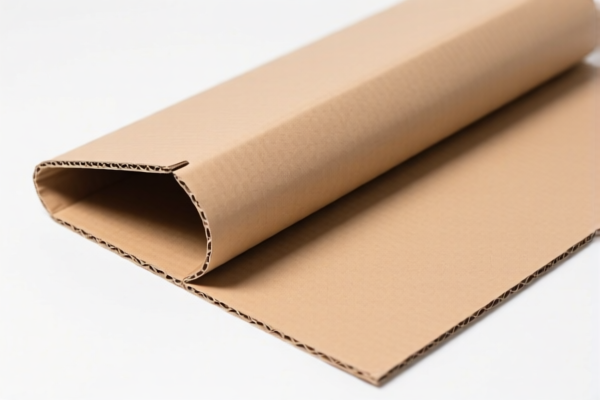
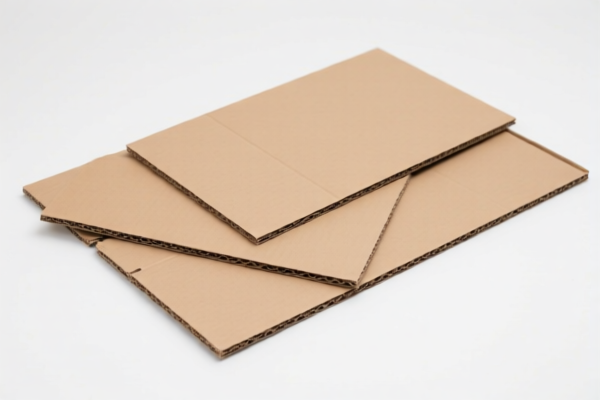
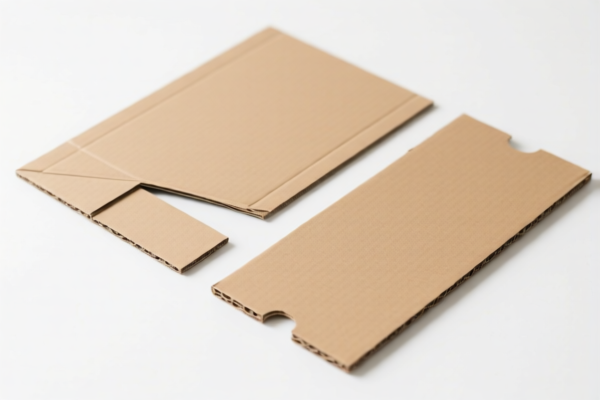
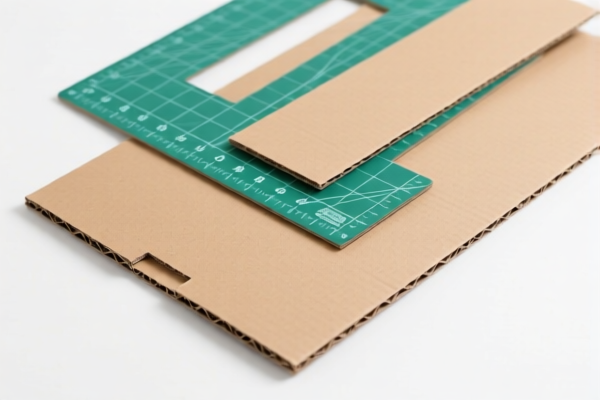
AI分析
📄 Bamboo & Paper Trays/Cups (Cut to Size/Shape)
🌐 HS Code Reference & Clearance Guide | 2026 Latest Tariff Analysis | Professional Clearance Strategy
📌 I. Product Definition & Classification: Do You Really Understand "Paper Trays"?
Paper and cardboard articles cut to size or shape are widely used in the food service, packaging, and household industries. In international trade, they are primarily classified under Heading 4823. However, a critical distinction must be made based on the material composition and shape, which drastically affects the HS Code and duty rates.
Bamboo Fiber Products: Cups, trays, and round nested food containers made specifically from bamboo.
Other Paper/Paperboard Products: Cups, dishes, plates, and containers made from standard wood pulp or other paper fibers (excluding bamboo).
⚠️ Key Distinction Point:
- If the product is explicitly made of Bamboo → It falls under subheading 4823.61.
- If the product is made of other paper/cardboard (wood pulp, recycled paper, etc.) → It falls under subheading 4823.69.
- Note: The term "round nested food containers" specifically targets clamshell-style or stackable takeout containers.
📦 II. HS Code Classification Details (2026 Latest Tariff Authority Comparison)
| HS Code | Product Description | Applicable Scenario | Material Composition |
|---|---|---|---|
4823.61.00.20 |
Cups and round nested food containers, of bamboo | Bamboo fiber cups, biodegradable bamboo trays, eco-friendly takeout containers | ✅ Bamboo |
4823.69.00.20 |
Other cups and round nested food containers (of other paper/paperboard) | Standard paper cups, cardboard pizza boxes, pulp molded containers (non-bamboo) | ❌ Not Bamboo |
🔍 Important Reminder:
- Material is King: Customs will inspect the material label. If a product claims to be "biodegradable" but is made from standard wood pulp, it cannot use the4823.61code. It must be4823.69.
- Shape Matters: Both codes specifically target "Cups" and "Round nested food containers." Other paper articles (like flat sheets or custom-cut shapes not fitting these descriptions) may fall under different subheadings within 4823 (e.g., 4823.90), but for cups/trays, these two are the primary codes.
💰 III. 2026 Latest Tariff Rate Details (Including Additional Taxes & Policy Add-ons)
✅ Applicable Country: United States (US)
✅ Country of Origin: China (CN)
✅ Effective Date: 2025/2026 (Current Enforcement)
🎯 1. 4823.61.00.20 —— Bamboo Cups & Containers
| Item | Content |
|---|---|
| Base Tariff Rate | 0.0% (ad valorem) |
| Section 301 Additional Tariff | 0.0% |
| Total Tax Rate | 0.0% |
| Tax Calculation | CIF Value × 0% = $0 |
| De Minimis Eligibility | N/A (Usually > $800 for commercial shipments, but tax is 0 anyway) |
| Legal Basis Path | HTSUS:4823.61.00.20 → USITC Footnote (No 301 listing for this specific bamboo subcode) |
📌 Explanation:
- Zero Duty Advantage: Bamboo-based disposable tableware is currently exempt from the controversial Section 301 tariffs that plague many Chinese manufacturing exports.
- Strategic Implication: This makes bamboo packaging a highly cost-effective alternative to plastic or standard paper for the US market.
- Verification Required: You must provide proof of bamboo content (material safety data sheet or supplier declaration) to claim this 0% rate.
🎯 2. 4823.69.00.20 —— Other Paper/Paperboard Cups & Containers
| Item | Content |
|---|---|
| Base Tariff Rate | 0.0% (ad valorem) |
| Section 301 Additional Tariff | +25.0% |
| Total Tax Rate | 25.0% |
| Tax Calculation | CIF Value × 25% |
| De Minimis Eligibility | ❌ Not Eligible (Section 301 goods are generally excluded from de minimis relief) |
| Legal Basis Path | HTSUS:4823.69.00.20 → USITC Footnote 9903.88.01 (Section 301 List 3/4A) |
📌 Important Note:
- High Tax Burden: Standard paper and cardboard products from China are subject to the full 25% additional tariff.
- Cost Impact: If you are shipping standard paper cups or cardboard trays, the landed cost increases significantly.
- Material Switching: Many manufacturers switch from standard paper to bamboo fiber or bagasse (sugarcane fiber) to potentially qualify for lower tariff codes (though bagasse may also fall under 4823.69 unless specified otherwise by specific FTAs). Always verify with Customs Brokers.
🛠️ IV. Clearance Practical Advice (实战避坑指南)
✅ 1. Preparation Checklist (Essential Documents)
| Document | Required? | Description |
|---|---|---|
| ✅ Product Specification Sheet | ✔️ | Must clearly state: "Made of Bamboo Fiber" or "Made of Paper Pulp." |
| ✅ Material Composition Declaration | ✔️ | Percentage of bamboo vs. other fibers. Critical for 4823.61 vs 4823.69. |
| ✅ Product Photos | ✔️ | Clear images of the product and packaging labeling. |
| ✅ Commercial Invoice | ✔️ | Describe as "Bamboo Fiber Cups" or "Paper Trays," not generic "Paper Products." |
| ✅ Bill of Lading | ✔️ | Ensure weight and volume match the invoice. |
| ✅ FDA Compliance Doc | ✔️ | If for food contact, ensure compliance with 21 CFR (Food & Drug Administration). |
✅ 2. Declaration Tips (Key Mnemonics)
🔥 “Material First, Shape Second, 301 Check is Key!”
| Scenario | Correct Declaration | Wrong Practice |
|---|---|---|
| Bamboo Cups | 4823.61.00.20 - "Bamboo Fiber Cup" |
Declaring as "Paper Cup" → 25% Tax! |
| Standard Paper Trays | 4823.69.00.20 - "Paperboard Food Container" |
Trying to hide material → Risk of Audit & Penalty |
| Mixed Packaging | Split Line Items | Bundling bamboo and paper in one line → Ambiguity |
| Non-Circular Shapes | 4823.61.00.20 or 4823.69.00.20? |
Only "Cups & Round Nested" fit these specific subcodes. Non-round items may need 4823.90 (check base tariff). |
✅ 3. Special Circumstances Handling
| Situation | Handling Advice |
|---|---|
| Bagasse/Sugarcane Pulp | Usually falls under 4823.69.00.20 (25% tariff) unless specifically classified as a distinct botanical fiber in later rulings. Do not assume it’s bamboo. |
| Plastic-Coated Paper | If lined with plastic for grease resistance, it may still be 4823, but ensure the paper content is predominant. |
| Private Label (OEM) | The HS Code depends on the product, not the brand. Provide OEM specs to customs. |
| Small Samples | If value < $800 and not restricted, de minimis might apply, but Section 301 goods are often excluded from de minimis. Verify current CBP policy. |
🌍 V. Global Main Market Clearance Comparison (2026 Latest)
| Country/Region | Recommended HS Code | Tariff (China Origin) | Certification Requirements | Notes |
|---|---|---|---|---|
| 🇺🇸 USA | 4823.61.00.20 (Bamboo) |
0.0% | FDA, CPC (if child care) | Bamboo = Tax-Free! |
| 🇺🇸 USA | 4823.69.00.20 (Paper) |
25.0% | FDA, FTC Labeling | Paper = High Tax |
| 🇨🇳 China | 4823.61.00.20 |
~10-12% (Import Duty) | CCC (if applicable) | Domestic vs Export |
| 🇪🇺 EU | 4823.69.00.00 |
0% (Most FTA) | FDA/EC 1935/2004, LFGB | EU generally has 0% MFN, but check Ecolabel |
| 🇨🇦 Canada | 4823.69.00.90 |
0% | CFIA Guidelines | No Section 301 equivalent |
📌 Conclusion:
- USA is the key market where material distinction creates a 25% tax gap.
- Bamboo is the golden key: If you are exporting to the US, ensure your product is genuinely bamboo and labeled as such to save 25% in duties.
- EU/Canada: Tariffs are generally low or zero for both, so the material distinction is less critical for duty savings but still required for accurate statistics.
📌 VI. Common Mistakes & Pitfalls (Blood & Tears Lessons)
❌ Mistake 1: Declaring Bamboo Cups as "Paper Cups" to avoid scrutiny
👉 Consequence: If CBP inspects and finds bamboo, they may penalize for misdeclaration, but you want the 0% rate. Actually, declaring bamboo as paper is rare; usually, the mistake is declaring Paper as Bamboo.
❌ Mistake 2: Declaring Standard Paper Cups as "Bamboo" to get 0% tax
👉 Consequence: Fraud. Heavy fines, seizure of goods, and potential legal action. CBP tests material composition.
❌ Mistake 3: Ignoring "Round Nested" specification
👉 Consequence: If your product is a square tray or a flat plate, it might not fit 4823.61/69 precisely. It may fall under 4823.90 (Other articles). Check the base tariff for 4823.90 (usually 0% base, but 25% additional if from China). Result: Still 25% tax!
Note: 4823.90.00.20 also attracts 25% additional tariff.
✅ Correct Approach:
"Bamboo Fiber Round Nested Food Container, Biodegradable, FDA Compliant, Model X"
vs.
"Paper Pulp Square Serving Tray, Coated"
🎯 VII. Conclusion: Professional Clearance, Save Costs!
🎯 Remember the Mnemonic:
🔹 "Bamboo Zero, Paper Twenty-Five!"
🔹 "Material Proof is Key, Misdeclaration is Fee!"
📌 Tips:
- If you are producing standard paper containers, consider supply chain diversification (e.g., manufacturing in Vietnam or Thailand) to avoid the 25% US Section 301 tariff, as many paper products from China are heavily targeted.
- For bamboo, ensure your supplier provides a Certificate of Origin and Material Composition Certificate to support the 0% tariff claim.
📣 Immediate Action:
📞 Contact your Customs Broker + Provide Material Specs + Verify HTSUS Classification
🚀 Let your packaging products pass smoothly, save 25%, and boost profits!
✨ Professional Clearance Starts with Accurate Classification!
💼 Every cent of duty saved is pure profit!
用户评价
关于 HS 编码归类
协调制度(HS)是由世界海关组织(WCO)制定的国际贸易商品分类标准。全球 200 多个国家采用 HS 系统作为海关关税、贸易统计和进出口监管的基础。
每个 HS 编码遵循以下层级结构:
- 章(2 位)——商品大类(例如:第 84 章:机器和机械设备)
- 品目(4 位)——章内的更具体分类
- 子目(6 位)——国际通用细分,所有 WCO 成员国统一使用
- 本国细分(8-10 位)——各国自行扩展的细分编码,如美国 HTSUS 10 位编码
正确的 HS 编码归类对于顺利通关、准确缴纳关税和遵守贸易法规至关重要。错误归类可能导致海关延误、多缴关税或罚款。
从CN进口到US时,适用的关税税率可能包括:
- 最惠国(MFN)税率——适用于 WTO 成员国的标准关税税率
- 普通税率——适用于无贸易协定国家
- 贸易救济关税——附加关税,如 301 条款(反倾销)、232 条款(国家安全)或反补贴税
本页内容仅供参考。如需正式归类,请咨询当地海关或持牌报关代理。