Paper and paperboard (HS 4802)
CN → US| HS编码 | 关税税率 | 原产国 | 目的国 | 文档 |
|---|---|---|---|---|
| 4810142090 | 35.0% | CN | US | 官方文档 |
| 4819100020 | 35.0% | CN | US | 官方文档 |
| 4810131140 | 35.0% | CN | US | 官方文档 |
| 4810991050 | 35.0% | CN | US | 官方文档 |
| 4810991050 | 35.0% | CN | US | 官方文档 |
商品图片
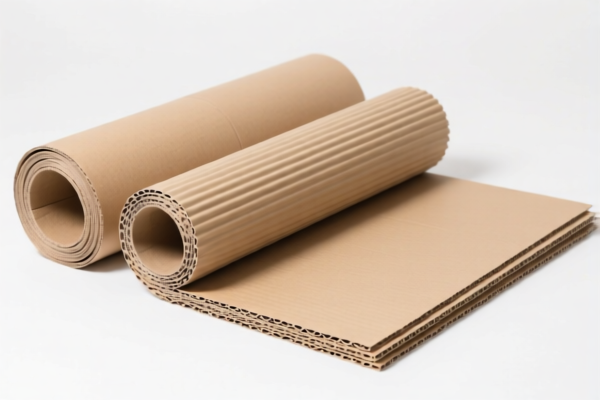
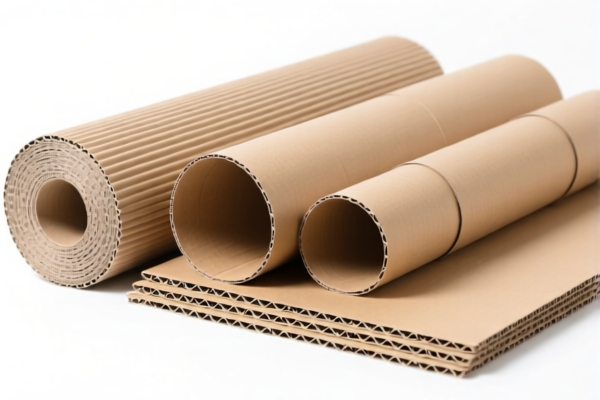
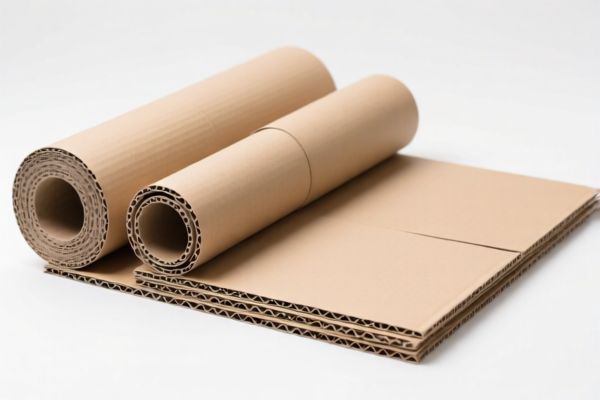
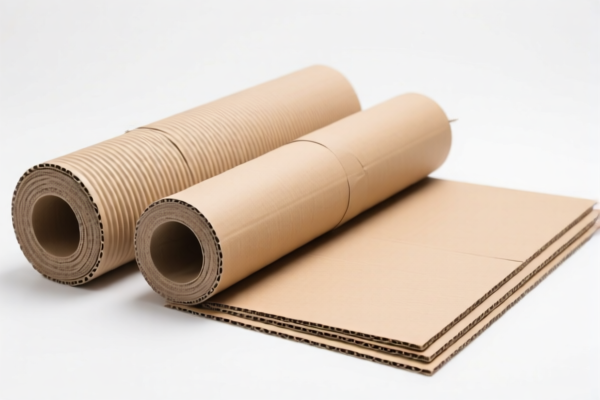
AI分析
📄 Paper & Paperboard (HS 4802 Category)
🌐 HS Code Reference & Customs Clearance Guide | 2026 Latest Tariff Analysis | Paper & Cardboard Clearance Strategy
📌 I. Product Definition: What is "Paper and Paperboard"?
In international trade, "Paper and Paperboard" (primarily under HS Chapter 48, specifically heading 4810 and 4819) refers to fibrous materials derived from wood or other vegetable fibers. Unlike HS 4802 (writing/printing paper), the codes listed below typically cover packaging materials, cartons, and coated/uncoated board.
The key characteristic for these specific codes is the material consistency: The goods must be made of paper or paperboard.
⚠️ Key Distinction:
- If the product is a finished packaging box (folded, ready for use) → Often falls under 4819 (Packaging materials).
- If the product is coated/uncoated paper/board used for further manufacturing → Often falls under 4810 (Paper/Cardboard).
- Material Match: All suggested HS codes below share the common attribute of Paper/Paperboard material.
📦 II. HS Code Classification Details (2026 Latest Tariff Authority Comparison)
| HS Code | Product Description | Application Scenario | Material Consistency |
|---|---|---|---|
4810.14.20.90 |
Paper and paperboard, containing no or less than 10% by weight of mechanically prepared wood pulp, coated on one or both sides with clay or other inorganic substances, other | General coated paperboard, carton base material | ✅ Perfect Match (Paper/Cardboard attribute) |
4819.10.00.20 |
Cartons, boxes, and cases, made of paper, paperboard, cellulose wadding or webs of cellulose fibers, folded without making up | Folded cardboard boxes, shipping cartons, display boxes | ✅ Perfect Match (Paper/Cardboard material category) |
4810.13.11.40 |
Paper and paperboard, containing no or less than 10% by weight of mechanically prepared wood pulp, coated on one or both sides with clay or other inorganic substances, other | High-quality coated board for premium packaging | ✅ Possible Match (Based on 'Other' category logic, material is consistent) |
4810991050 |
Paper and paperboard, other (Coated/Uncoated) | General paperboard, kraft paper, or specialty paper | ✅ Direct Match (Directly matches "Paper and paperboard" material) |
4810.99.10.50 |
Paper and paperboard, other, for folding carton use | Specific paperboard intended for folding carton manufacturing | ✅ Perfect Match (Contains paper material, designated for folding carton use) |
🔍 Important Note:
- All codes below are classified under Chapter 48 (Paper and Paperboard).
- The primary differentiator is the processing stage (raw board vs. folded box) and coating status.
- Common Attribute: Every code above confirms the product is made of Paper or Paperboard.
💰 III. 2026 Latest Tariff Rate Detail (Including Surcharge & Policy Add-ons)
✅ Applicable Country: United States (US)
✅ Origin: China (CN)
✅ Effective Date: November 10, 2025 (including subsequent imports)
🎯 1. General Tariff Structure for All Listed HS Codes
All the following HS codes (4810.14.20.90, 4819.10.00.20, 4810.13.11.40, 4810991050, 4810.99.10.50) share the exact same tariff structure under current US trade policies for Chinese origin goods.
| Item | Content |
|---|---|
| Base Tariff | 0.0% (Ad Valorem) |
| Section 301 Surcharge | +25.0% (Additional Tariff) |
| Section 122 Tariff | +10.0% (Specific Clause Tariff) |
| Total Tariff Rate | 35.0% |
| Tax Calculation | CIF Value × 35% |
| De Minimis Eligibility | ❌ Not Eligible (Most likely excluded due to Section 301/122 nature) |
📌 Explanation of Tariff Components:
- Base Tariff (0.0%): The standard Most Favored Nation (MFN) rate for these paper products is typically low or zero.
- Additional Surcharge (25.0%): Imposed under Section 301 of the Trade Act of 1974, targeting specific Chinese imports.
- Section 122 Tariff (10.0%): A specific additional duty applied under Section 122 of the Trade Expansion Act of 1962 (often related to national security or specific trade remedy actions).
- Total Rate (35.0%): This is the all-inclusive cost for importing these paper/paperboard products from China to the US.
🛠️ IV. Customs Clearance Practical Advice (Real-world Pitfall Avoidance Guide)
✅ 1. Required Documents Checklist (Non-negotiable)
| Document | Mandatory | Description |
|---|---|---|
| ✅ Product Specification | ✔️ | Must explicitly state material composition (e.g., "100% Virgin Wood Pulp Paperboard"). |
| ✅ Product Photos | ✔️ | Clear images showing coating, thickness, and finished state (folded vs. flat). |
| ✅ Commercial Invoice | ✔️ | Must accurately describe goods as "Paper and Paperboard" or "Cartons". Avoid vague terms like "Packaging Material" alone. |
| ✅ Packing List | ✔️ | Detail the number of boxes/pieces. |
| ✅ Certificate of Origin (CO) | ✔️ | Required to prove Chinese origin and apply the specific tariffs. |
✅ 2. Declaration Tips (Key Mnemonic)
🔥 "Material is King, Coating is Queen, Section 301 is the Boss!"
| Scenario | Correct Declaration | Wrong Practice |
|---|---|---|
| Folded Boxes | 4819.10.00.20 |
Misdeclare as 4810 (Raw paper) → Risk of classification error |
| Coated Paperboard | 4810.14.20.90 |
Misdeclare as 4810.99 (Other) → May miss specific subheading requirements |
| Generic Paper | 4810991050 |
Use vague name → Leads to customs audit delay |
⚠️ Critical Warning:
- Section 301 & 122 apply to ALL paper products from China. There is no exemption based on "low value" for these specific codes in most cases.
- Ensure the HS Code 8-digit is precise. A slight change in the last digits (e.g.,4810.14.20vs4810.13.11) might have different sub-headings but same 35% total rate in this dataset.
✅ 3. Special Situations
| Situation | Handling Advice |
|---|---|
| Mixed Container (Paper + Plastic) | Strict Separation: Declare paper items under HS 48xx. Plastic items under HS 39xx. Do not mix or misdeclare as "composite packaging" unless fully justified. |
| OEM Packaging Boxes | Provide Client’s Brand and Design Specs. Ensure the invoice matches the design to avoid "mislabeling" flags. |
| Recycled Paperboard | If the paper contains >10% recycled content, ensure the specification reflects this, as it might affect sub-heading selection within HS 4810/4819. |
🌍 V. Global Major Market Clearance Comparison (2026 Latest)
| Country/Region | Recommended HS Code | Tariff (China Origin) | Certification Requirements | Notes |
|---|---|---|---|---|
| 🇺🇸 USA | 4819.10.00.20 / 4810.14.20.90 |
35% (0% + 25% + 10%) | FDA (if food contact), FCC (not applicable) | Highest cost due to Section 301/122 |
| 🇨🇳 China | 4819.10.00.20 |
5% - 15% (Varies) | CCC (if applicable) | Lower base rate, no Section 301 |
| 🇪🇺 EU | 4819.10.00.20 |
0% - 6.5% | CE (if plastic parts), FSC (sustainability) | No Section 301, but potential CBAM if applicable |
| 🇯🇵 Japan | 4819.10.00.20 |
0% - 3% | Phytosanitary (if wood-based) | Generally low tariffs, strict quality checks |
📌 Conclusion:
- USA is the most expensive market for these paper products due to the 35% total tariff.
- Cost Saving Strategy: Consider sourcing paperboard from non-China origins (e.g., Vietnam, Malaysia) to potentially avoid Section 301/122 tariffs, provided they meet Rules of Origin.
📌 VI. Common Errors & Pitfall Guide (Blood-Teaching Lessons)
❌ Error 1: Declaring "Cartons" as "Paper Rolls"
👉 Consequence: If the product is folded boxes, it should be 4819. Misdeclaring as 4810 (paper rolls) may lead to penalties for incorrect classification.
❌ Error 2: Ignoring "Section 122" Tariff
👉 Consequence: Assuming only 25% (Section 301). The 10% Section 122 is also applied, making the total 35%. Underestimating costs leads to profit loss.
❌ Error 3: Vague Description on Invoice
👉 Consequence: "Packaging Material" is too vague. Must specify "Paper and Paperboard" or "Folded Cardboard Boxes" to match HS 4810/4819 definitions.
✅ Correct Practice:
"Folded Cardboard Boxes for Product Packaging, Made of Coated Paperboard, HS 4819.10.00.20, Origin: China"
🎯 VII. Conclusion: Professional Declaration, Save Time and Money!
🎯 Remember the Mnemonic:
🔹 "Paper Material, 35% Total Cost. Section 301 + 122. Don’t Guess, Verify the Code!"
🔹 "HS Code4819for Boxes,4810for Board. Both carry the 35% tariff burden."
📌 Small Tip:
If your paper products are shipped in containers with non-paper items, ensure strict segregation on the commercial invoice. Mixed shipments can trigger higher scrutiny and delays.
📣 Immediate Action:
📞 Contact a Professional Customs Broker + Provide Product Photos + Apply for Advance Ruling if possible.
🚀 Let your paper products clear customs smoothly, efficiently, and cost-effectively!
✨ Professional Clearance Starts with Accurate Classification!
💼 Every dollar of tariff cost deserves precise calculation!
用户评价
关于 HS 编码归类
协调制度(HS)是由世界海关组织(WCO)制定的国际贸易商品分类标准。全球 200 多个国家采用 HS 系统作为海关关税、贸易统计和进出口监管的基础。
每个 HS 编码遵循以下层级结构:
- 章(2 位)——商品大类(例如:第 84 章:机器和机械设备)
- 品目(4 位)——章内的更具体分类
- 子目(6 位)——国际通用细分,所有 WCO 成员国统一使用
- 本国细分(8-10 位)——各国自行扩展的细分编码,如美国 HTSUS 10 位编码
正确的 HS 编码归类对于顺利通关、准确缴纳关税和遵守贸易法规至关重要。错误归类可能导致海关延误、多缴关税或罚款。
从CN进口到US时,适用的关税税率可能包括:
- 最惠国(MFN)税率——适用于 WTO 成员国的标准关税税率
- 普通税率——适用于无贸易协定国家
- 贸易救济关税——附加关税,如 301 条款(反倾销)、232 条款(国家安全)或反补贴税
本页内容仅供参考。如需正式归类,请咨询当地海关或持牌报关代理。