Paper or Cardboard Cutting or Trimming Machine
CN → US| HS编码 | 关税税率 | 原产国 | 目的国 | 文档 |
|---|---|---|---|---|
| 8441100000 | 35.0% | CN | US | 官方文档 |
| 8441900000 | 35.0% | CN | US | 官方文档 |
商品图片
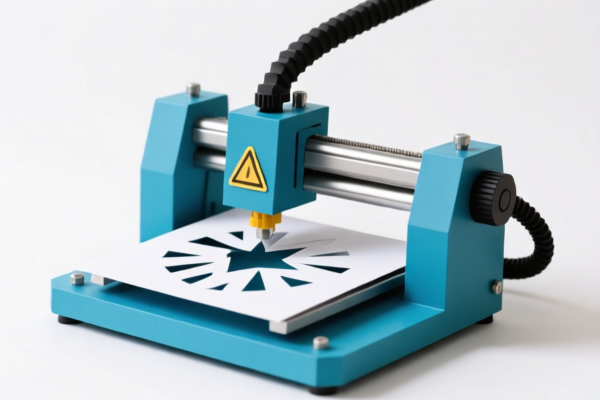
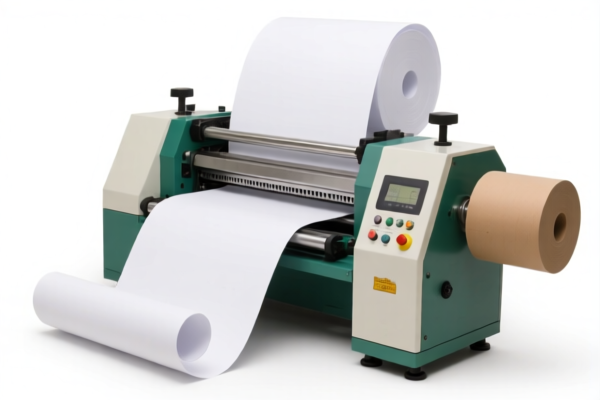
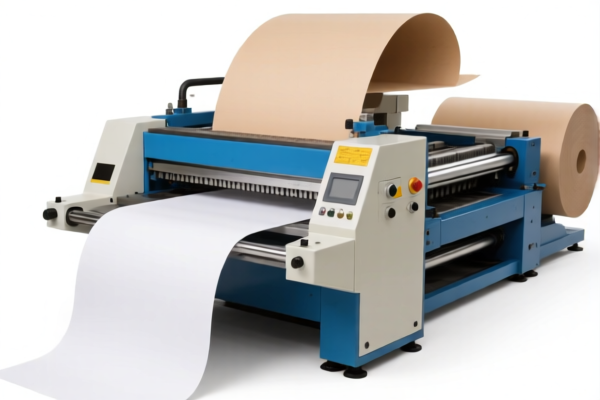
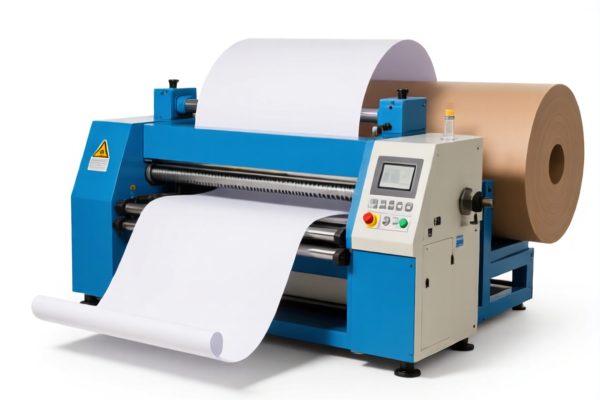
AI分析
✂️ Paper or Cardboard Cutting/Trimming Machine (Paper Processing Machinery)
🌐 HS Code Reference & Customs Clearance Guide | 2026 Latest Tariff Analysis | Professional-Level Clearance Strategy
📌 1. Product Definition & Classification: Do You Know What You Are Shipping?
Paper or cardboard cutting/trimming machines are industrial equipment used to cut paper pulp, paper, or paperboard into specific shapes or sizes. In international trade, these fall under Chapter 84 (Nuclear reactors, boilers, machinery and mechanical appliances). They are strictly divided into two categories based on their function and components:
A. Cutting Machines (The Equipment) The actual mechanical units designed to perform the cutting, trimming, or slitting operations. These include rotary cutters, guillotine trimmers, and automated paper processing lines. B. Parts (The Components) Spare parts, blades, rollers, or replacement components specifically designed for the above machinery. These are not standalone machines but integral parts used for maintenance or assembly.
⚠️ Critical Distinction: - If you are shipping the complete machine or the functional unit → It is classified as a "Cutting machine". - If you are shipping spare parts (e.g., a new blade for an existing machine) → It is classified as "Parts". - Warning: Do not mix parts and machines in the same HS Code line item if they have different tax rates or clearance requirements.
📦 2. HS Code Classification Details (2026 Latest Tariff Authority)
According to the provided data, there are only two specific HS Codes applicable to this product category.
| HS Code | Product Description | Applicability | Tax Status (China to US) |
|---|---|---|---|
8441.10.00.00 |
Cutting machines of all kinds for paper pulp, paper, or paperboard | The actual machine unit used for cutting/trimming paper or cardboard. | ✅ Subject to Tariffs |
8441.90.00.00 |
Parts for paper pulp, paper, or paperboard making-up machinery | Spare parts, blades, attachments for the machines in 8441.10. | ✅ Subject to Tariffs |
🔍 Key Insight: - Both categories fall under the general heading 8441.1 ("Other machinery for making up paper pulp, paper or paperboard"). - There are no other sub-headings provided for "slitting machines" or "perforating machines" in this specific data set; they likely fall under the broader "Cutting machines" category (
8441.10.00.00) unless specified otherwise by local customs interpretations. However, based strictly on the provided data, only Cutting Machines and Parts are defined.
💰 3. 2026 Latest Tariff Rate Breakdown (Including Additional Taxes)
✅ Applicable Country: United States (US)
✅ Country of Origin: China (CN)
✅ Effective Time: Current applicable rates (Based on provided data)
🎯 1. 8441.10.00.00 —— Cutting Machines
| Item | Details |
|---|---|
| Base Tariff Rate | 0.0% (Ad Valorem) |
| Additional Tariff (Section 301) | +25.0% |
| Total Tax Rate | 25.0% |
| Tax Calculation | CIF Value × 25% |
| De Minimis Exemption | ❌ Not Eligible (Section 301 duties apply regardless of value) |
| Legal Basis | USITC HTSUS 8441.10.00.00 + Section 301 Trade Action |
📌 Explanation: - Although the base MFN tariff for paper machinery is 0%, the Section 301 Additional Duty of 25% applies to Chinese-origin goods in this category. - Total Cost Impact: You must pay 25% of the declared value in additional duties. - No Exemptions: Unlike some consumer electronics, machinery parts often do not qualify for the $800 de minimis exemption if classified under Section 301 list items (check specific exclusion numbers, but generally, industrial machinery components are heavily scrutinized).
🎯 2. 8441.90.00.00 —— Parts
| Item | Details |
|---|---|
| Base Tariff Rate | 0.0% (Ad Valorem) |
| Additional Tariff (Section 301) | +25.0% |
| Total Tax Rate | 25.0% |
| Tax Calculation | CIF Value × 25% |
| De Minimis Exemption | ❌ Not Eligible (Same as above) |
| Legal Basis | USITC HTSUS 8441.90.00.00 + Section 301 Trade Action |
📌 Note: - Spare parts for cutting machines are taxed at the same rate as the machines themselves. - Ensure that the "Parts" are clearly identified as such to avoid being misclassified as a "Machine" if the intent is to ship only components.
🛠️ 4. Customs Clearance Practical Advice (Battle-Tested Pitfall Avoidance)
✅ 1. Documentation Checklist (Non-Negotiable)
| Document | Required? | Description |
|---|---|---|
| ✅ Commercial Invoice | ✔️ | Must clearly state: "Paper Cutting Machine" or "Parts for Paper Cutting Machine". Do not use vague terms like "Machine Parts" without specifying the machinery type. |
| ✅ Packing List | ✔️ | Detail each item. If shipping parts, list them individually (e.g., "Blade for Model X", "Roller Assembly"). |
| ✅ Product Photos | ✔️ | Show the entire machine (if whole unit) or clear close-ups of labels/models (if parts). |
| ✅ Technical Specifications | ✔️ | Include voltage, dimensions, weight, and function. For parts, provide a reference to the original machine model. |
| ✅ Bill of Lading/Air Waybill | ✔️ | Ensure the description matches the commercial invoice exactly. |
| ✅ Origin Certificate | ✔️ | If applicable, to prove Chinese origin (which triggers the 25% tax). |
✅ 2. Declaration Tips (Key Mantra)
🔥 "Machine is Machine, Parts are Parts, Don't Mix Them!"
| Scenario | Correct Declaration | Wrong Action |
|---|---|---|
| Shipping a whole cutting machine | 8441.10.00.00 + Description: "Rotary Paper Cutter, 120V, Industrial Grade" |
Declare as "Parts" → Risk of seizure for misclassification. |
| Shipping replacement blades | 8441.90.00.00 + Description: "Steel Blades for Paper Cutter Model ABC" |
Declare as "Machine" → Overpayment of duties? No, but risk of delay. |
| Shipping parts inside a machine crate | Split declaration: Main unit under 8441.10.00.00, spares under 8441.90.00.00 |
Lump all into one code → Confusion for customs broker, potential audit. |
| OEM Machine | Clearly state "Made in China" on invoice | Hide origin → Penalties, fines, and potential blacklisting. |
✅ 3. Special Handling Cases
| Situation | Handling Advice |
|---|---|
| Machine with Software | Still classified under 8441.10.00.00. Software is considered incidental to the hardware. |
| Used Machinery | Must declare as "Used". May require additional inspections for sanitation/safety. Same HS Code, same tax rate. |
| Parts for Non-Chinese Machines | If the machine was made in Germany, but parts are made in China, the parts are still Chinese origin → 25% Tax Applies. Origin of the machine does not exempt the part. |
| Kit Assembly | If shipping a "Cutting Machine Kit" that requires assembly, customs may still view it as a machine. Provide assembly manuals to clarify. |
🌍 5. Global Market Comparison (2026 Snapshot)
| Country/Region | Recommended HS Code | Base Tariff | Additional Tax (China Origin) | Total Estimated Tax | Notes |
|---|---|---|---|---|---|
| 🇺🇸 USA | 8441.10.00.00 / .90.00.00 |
0% | +25% (Section 301) | 25% | High compliance risk. |
| 🇨🇳 China | 8441.10.00.00 / .90.00.00 |
5% - 10% | None | 5-10% | Import duties apply. |
| 🇪🇺 EU | 8441.10.00.00 / .90.00.00 |
0% - 1.7% | None (unless specific safeguards) | 0% - 1.7% | Generally low tariffs for machinery. |
| 🇬🇧 UK | 8441.10.00.00 / .90.00.00 |
0% - 2.5% | None | 0% - 2.5% | Post-Brexit rules apply. |
📌 Conclusion: - The USA is the only major market in this list with a significant 25% additional tariff on Chinese paper processing machinery and parts. - Exporters to the US must factor this 25% cost into their pricing strategy. - Markets like the EU and UK are much more favorable for these goods.
📌 6. Common Errors & Pitfalls (Blood Lessons)
❌ Error 1: Declaring a cutting machine as "Industrial Equipment" or "Mechanical Part" without specific HS Code. 👉 Consequence: Customs may reclassify it, leading to 25% penalty + back taxes.
❌ Error 2: Mixing parts and machine in one line item. 👉 Consequence: Customs may flag the shipment for detailed inspection, causing delays and storage fees.
❌ Error 3: Not disclosing Chinese Origin clearly. 👉 Consequence: If discovered, the 25% tax will be applied retroactively with interest and fines.
❌ Error 4: Using vague descriptions like "Paper Tool". 👉 Consequence: High risk of manual examination, increasing clearance time by 1-2 weeks.
✅ Correct Practice:
"Paper Cutting Machine, Model XYZ, 2025, Made in China, HS 8441.10.00.00" "Blades for Paper Cutter, HS 8441.90.00.00, Made in China"
🎯 7. Conclusion: Precise Classification Saves Money!
🎯 Remember the Mantra:
🔹 "Machines and Parts are separate, 25% Tax is mandatory, Don't hide the origin, Keep the docs perfect!"
🔹 "HS Code 8441 is the key, 25% is the fee, Clearance smooth, profit set free!"
📌 Pro Tip: If you are shipping parts in large volumes, consider if they can be classified under a different sub-heading that might have a different duty rate (though based on current data, it's 25%). Always consult a licensed customs broker for high-value shipments.
📣 Action Required:
📞 Verify HS Code with Broker + Mark Origin Clearly + Calculate 25% Duty in Price
🚀 Ensure Smooth Clearance, Avoid Delays, Protect Your Margins!
✨ Professional Clearance Starts with Accurate Classification!
💼 Every Dollar Counts in Cross-Border Trade!
用户评价
关于 HS 编码归类
协调制度(HS)是由世界海关组织(WCO)制定的国际贸易商品分类标准。全球 200 多个国家采用 HS 系统作为海关关税、贸易统计和进出口监管的基础。
每个 HS 编码遵循以下层级结构:
- 章(2 位)——商品大类(例如:第 84 章:机器和机械设备)
- 品目(4 位)——章内的更具体分类
- 子目(6 位)——国际通用细分,所有 WCO 成员国统一使用
- 本国细分(8-10 位)——各国自行扩展的细分编码,如美国 HTSUS 10 位编码
正确的 HS 编码归类对于顺利通关、准确缴纳关税和遵守贸易法规至关重要。错误归类可能导致海关延误、多缴关税或罚款。
从CN进口到US时,适用的关税税率可能包括:
- 最惠国(MFN)税率——适用于 WTO 成员国的标准关税税率
- 普通税率——适用于无贸易协定国家
- 贸易救济关税——附加关税,如 301 条款(反倾销)、232 条款(国家安全)或反补贴税
本页内容仅供参考。如需正式归类,请咨询当地海关或持牌报关代理。