Papermaking Waste Residue
CN → US| HS编码 | 关税税率 | 原产国 | 目的国 | 文档 |
|---|---|---|---|---|
| 4707100000 | 35.0% | CN | US | 官方文档 |
| 3825610000 | 35.0% | CN | US | 官方文档 |
| 4707900000 | 35.0% | CN | US | 官方文档 |
| 3825690000 | 35.0% | CN | US | 官方文档 |
| 4707900000 | 35.0% | CN | US | 官方文档 |
商品图片
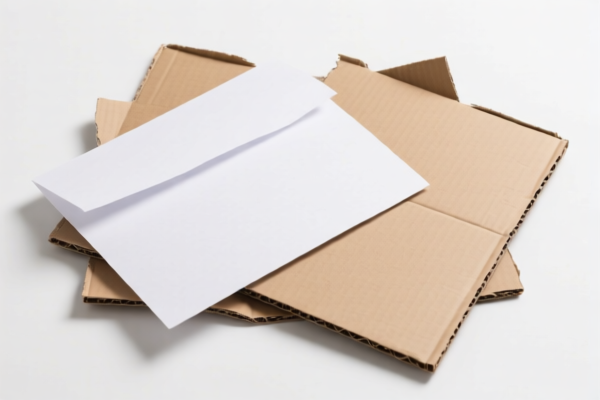
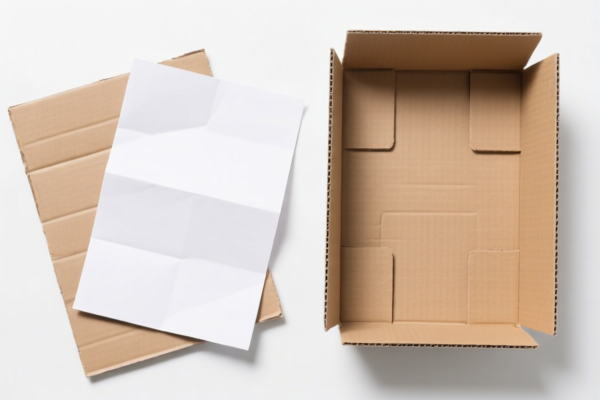
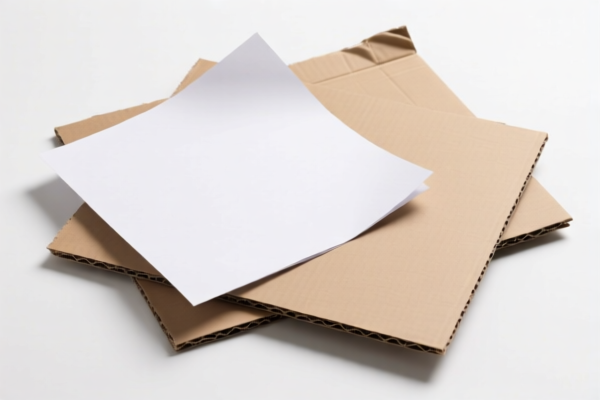
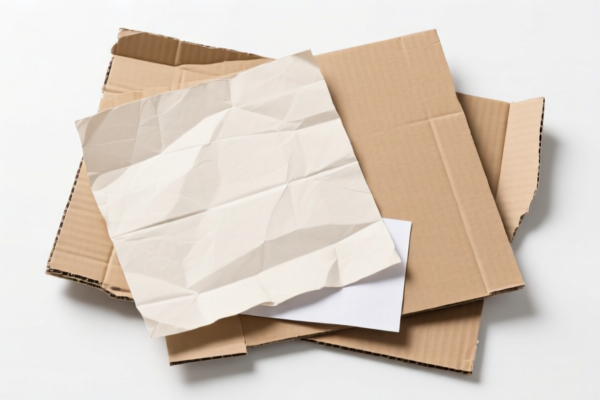
AI分析
🏭 Papermaking Waste Residue (造纸废渣/纸类废料)
🌐 HS Code Reference & Customs Clearance Guide | 2024/2025 Trade Policy Analysis | Professional Compliance Strategy
📌 I. Product Definition & Classification: What Exactly is "Papermaking Waste"?
Papermaking waste residue refers to the by-products, scraps, and off-cuts generated during the paper manufacturing process. In international trade, these are categorized based on their material composition (wood fiber, chemical content) and origin. They are strictly regulated due to environmental concerns and waste import restrictions.
Core Categories Identified in Current Tariff Data: 1. Recycled Paper/Cardboard (4707 Series): Includes waste paper, cardboard, and mixed paper fibers intended for recycling. 2. Chemical/Industrial Residues (3825 Series): Includes sludge, slag, or chemical by-products from the papermaking process that contain organic or inorganic chemical components.
⚠️ Critical Distinction:
- If the waste is primarily fibrous material (paper/cardboard scraps) → It falls under Chapter 47 (Hs 4707).
- If the waste is chemical sludge, ink residue, or mixed industrial chemical waste → It falls under Chapter 38 (Hs 3825).
- Misclassification Risk: Declaring chemical sludge as "recycled paper" can lead to severe penalties under environmental laws.
📦 II. HS Code Classification Details (Specific Entries from Data)
Based on the provided tariff data, here are the specific HS codes and their definitions:
| HS Code | Product Description & Summary | Classification Logic |
|---|---|---|
4707.10.00.00 |
Waste paper and paperboard: Specifically Nutmeg paper (Kraft paper) or corrugated paper waste. | Focuses on the type of fiber (strong, durable fibers). |
4707.90.00.00 |
Other waste paper and paperboard: Includes other categories of recycled paper and cardboard, or general paper waste not fitting 4707.10 or 4707.30. | A broad category for general mixed paper waste. |
3825.61.00.00 |
Chemical/Industrial Waste Residue: Primarily contains organic components from chemical or related industries (including papermaking). | Focuses on the chemical composition (organic waste/sludge). |
3825.69.00.00 |
Chemical/Industrial Waste Residue: Other industrial waste from chemical or related industries (including papermaking) not specified elsewhere. | A residual category for industrial chemical waste not fitting 3825.61. |
🔍 Key Insight:
- Hs 4707 is for fibrous waste suitable for pulping/recycling.
- Hs 3825 is for chemical/organic waste, often requiring hazardous waste handling protocols if toxic.
- Do not mix these: The tax rate is the same in the provided data, but the customs declaration content, environmental permits, and inspection requirements differ significantly.
💰 III. 2024/2025 Tariff Rate Analysis (Detailed Breakdown)
✅ Applicable Country: United States (US)
✅ Origin: China (CN)
✅ Effective Date: Policies active as of current trade data.
✅ Total Tax Rate: 35.0% for all listed HS Codes.
🎯 1. Universal Tax Structure for All Listed HS Codes
| HS Code | Base Duty | Section 301 Duty | 122 Provision Duty | Total Effective Rate |
|---|---|---|---|---|
4707.10.00.00 |
0.0% | 25.0% | 10.0% | 35.0% |
4707.90.00.00 |
0.0% | 25.0% | 10.0% | 35.0% |
3825.61.00.00 |
0.0% | 25.0% | 10.0% | 35.0% |
3825.69.00.00 |
0.0% | 25.0% | 10.0% | 35.0% |
📌 Explanation of Tax Components:
- Base Duty (0.0%): These items typically have a low or zero Most Favored Nation (MFN) duty rate.
- Section 301 Duty (+25.0%): This is the major Trump-era/Biden-era trade war tariff on Chinese goods. It applies broadly to industrial and waste materials.
- 122 Provision Duty (+10.0%): This likely refers to specific retaliatory tariffs or additional duties under recent executive orders (e.g., related to environmental dumping or specific trade remedies).
- Total 35%: This is a high-cost barrier. Importers must budget for this 35% on the CIF (Cost, Insurance, Freight) value.⚠️ Note on "De Minimis":
Waste products are strictly prohibited from using the de minimis (Section 321) exemption due to environmental and biosecurity risks. All shipments must go through formal customs entry.
🛠️ IV. Customs Clearance Practical Advice (Pitfall Avoidance)
✅ 1. Documentation Checklist (Must-Haves)
| Document | Requirement | Purpose |
|---|---|---|
| Commercial Invoice | Clearly state "Papermaking Waste Residue" and specify if it's fibrous (4707) or chemical (3825). | Prevents misclassification. |
| Packing List | Detail weight, volume, and packaging type (bales, drums, etc.). | Ensures accurate duty calculation and inspection. |
| Environmental Permit | Required for Hs 3825 items. May be required for 4707 if contaminated. | Proof of legal import of waste. |
| Certificate of Origin | To prove Chinese origin (triggers the 35% tax). | Necessary for tariff determination. |
| Product Specification Sheet | Must detail composition (e.g., "80% cellulose, 20% ink" vs. "Chemical sludge"). | Critical for determining correct HS Code (4707 vs. 3825). |
✅ 2. Declaration Strategy (Key Tips)
🔥 "Clarify Composition: Fiber or Chemical? Name It Right!"
| Scenario | Correct HS Code | Risk of Error |
|---|---|---|
| Clean paper scraps, cardboard, kraft paper | 4707.10.00.00 or 4707.90.00.00 |
Low risk if clean; high risk if contaminated with chemicals. |
| Mixed waste paper with ink/plastic | 4707.90.00.00 |
Must prove it's still recyclable as paper. |
| Sludge, chemical residue, ink sludge | 3825.61.00.00 or 3825.69.00.00 |
High Risk: If declared as paper, customs will inspect and reclassify, leading to fines. |
| Contaminated waste (hazardous) | May be Prohibited | US has strict bans on certain hazardous waste imports. |
📌 Advice:
- For Hs 3825, you must provide a Material Safety Data Sheet (MSDS) or Technical Data Sheet detailing chemical composition.
- For Hs 4707, ensure the waste is not contaminated with hazardous substances (e.g., PCBs, heavy metals) that would reclassify it as hazardous waste.
✅ 3. Special Considerations
| Situation | Handling Advice |
|---|---|
| Contaminated Waste | If paper waste is contaminated with chemicals, it must be classified under 3825, not 4707. |
| Environmental Compliance | The US EPA and Customs and Border Protection (CBP) closely monitor waste imports. Ensure all environmental permits are in place before shipping. |
| Cost Calculation | With a 35% tax, ensure your pricing strategy accounts for this. Calculate duty on CIF Value (Cost + Insurance + Freight). |
| Transshipment | Avoid transshipping through third countries to hide origin. CBP uses advanced data analytics to detect circumvention. |
🌍 V. Global Market Comparison (2024/2025)
| Country/Region | Recommended HS Code | Estimated Duty (China Origin) | Key Requirements |
|---|---|---|---|
| 🇺🇸 USA | 4707.90.00.00 / 3825.69.00.00 |
35% (25% Sec 301 + 10% 122) | Strict EPA regulations, high inspection rate. |
| 🇨🇳 China | 4707.00.00.00 |
~5-10% | Strict ban on "solid waste" imports; only allow high-quality recyclables. |
| 🇪🇺 EU | 4707.30.00 / 3825.49.00 |
0-6.5% | Basel Convention compliance, EPR (Extended Producer Responsibility). |
| 🇯🇵 Japan | 4707.30.00 |
5% | High-quality standards, strict contamination limits. |
📌 Conclusion:
- The US market is the most expensive due to the 35% combined tariff.
- Environmental compliance is the biggest hurdle, especially for chemical waste (3825).
- Ensure your supplier provides clear documentation on the nature of the waste to avoid customs delays.
📌 VI. Common Errors & Pitfalls (Lessons Learned)
❌ Error 1: Declaring chemical sludge as "recycled paper" (4707)
👉 Consequence: Customs reclassifies to 3825, adds penalties, and may seize the shipment.
❌ Error 2: Ignoring the 10% "122 Provision" duty
👉 Consequence: Underpaying duties leads to audits, back taxes, and interest.
❌ Error 3: Assuming "waste" is exempt from de minimis
👉 Consequence: Shipment held at border, demurrage fees accumulate, shipment returned.
❌ Error 4: Failing to declare contamination
👉 Consequence: If paper waste contains hazardous chemicals, it may be banned entirely under US environmental laws.
✅ Correct Approach:
"Papermaking Waste Residue: [Specify Type: Kraft Paper/Cardboard/Chemical Sludge].
Composition: [e.g., 90% Cellulose, 10% Ink].
HS Code: [4707.90.00.00 OR 3825.69.00.00].
Total Duty: 35%."
🎯 VII. Conclusion: Professional Clearance for Waste Materials
🎯 Remember:
🔹 "Waste is not free: 35% tax is standard."
🔹 "Fiber or Chemical? Declare it correctly!"
🔹 "Environmental permits are mandatory for Hs 3825."
📌 Tips:
- If your papermaking waste is high-quality and clean, consider negotiating prices to absorb the 35% duty.
- If you are importing chemical residue (3825), ensure you have a licensed waste handler on the US side.
- Always request a pre-classification ruling from CBP if you are unsure whether your waste is 4707 or 3825.
📣 Immediate Action:
📞 Contact a customs broker specialized in environmental goods.
📄 Prepare MSDS/Technical Specs for all shipments.
💰 Factor in 35% duty + insurance + handling fees in your cost model.
✨ Compliance is Key: Clear Waste, Clear Customs!
💼 Every Ton of Waste Must Be Accounted For!
用户评价
关于 HS 编码归类
协调制度(HS)是由世界海关组织(WCO)制定的国际贸易商品分类标准。全球 200 多个国家采用 HS 系统作为海关关税、贸易统计和进出口监管的基础。
每个 HS 编码遵循以下层级结构:
- 章(2 位)——商品大类(例如:第 84 章:机器和机械设备)
- 品目(4 位)——章内的更具体分类
- 子目(6 位)——国际通用细分,所有 WCO 成员国统一使用
- 本国细分(8-10 位)——各国自行扩展的细分编码,如美国 HTSUS 10 位编码
正确的 HS 编码归类对于顺利通关、准确缴纳关税和遵守贸易法规至关重要。错误归类可能导致海关延误、多缴关税或罚款。
从CN进口到US时,适用的关税税率可能包括:
- 最惠国(MFN)税率——适用于 WTO 成员国的标准关税税率
- 普通税率——适用于无贸易协定国家
- 贸易救济关税——附加关税,如 301 条款(反倾销)、232 条款(国家安全)或反补贴税
本页内容仅供参考。如需正式归类,请咨询当地海关或持牌报关代理。