Peat Moss for Gardening
CN → US商品图片
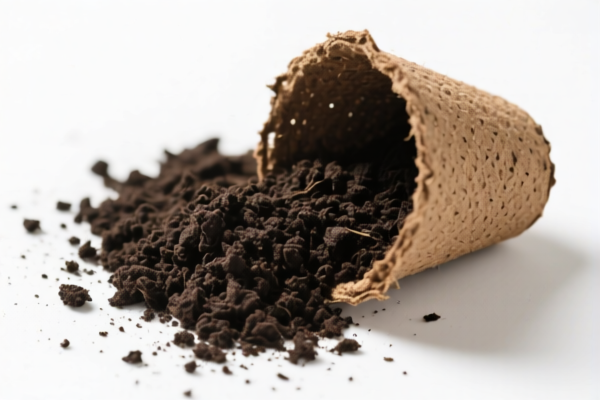
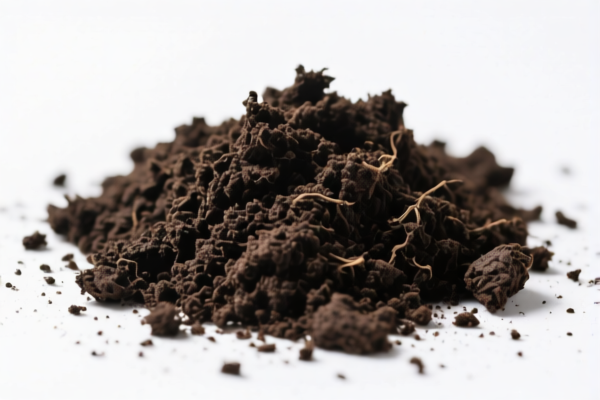
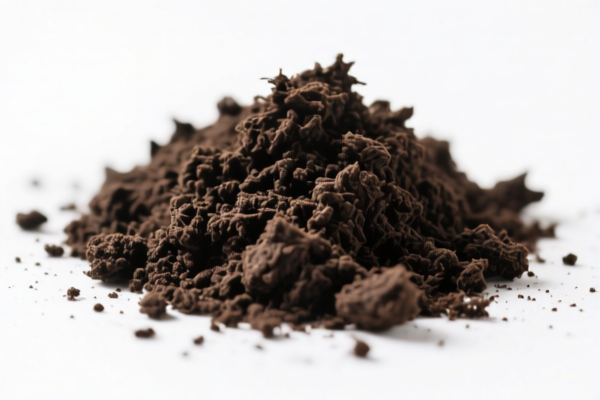
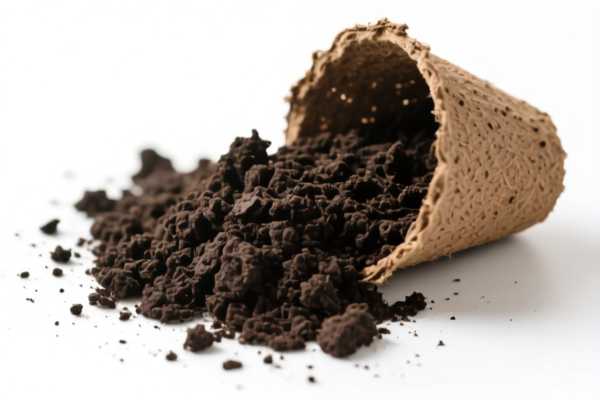
AI分析
🌱 Peat Moss for Gardening (High-Grade Horticultural Peat)
🌐 HS Code Reference & Customs Clearance Guide | 2026 Latest Tariff Analysis | Professional Entry Strategy
📌 I. Product Definition & Classification: Do You Really Understand "Peat Moss"?
Peat moss is the primary organic component in soilless growing media, widely used for seed starting, potting mixes, and soil amendment. In international trade, it is strictly regulated due to its natural origin and potential biosecurity risks. It is generally classified based on its processing level:
Raw Peat (Unprocessed/Lightly Processed): Harvested peat that has been dried, sieved, or baled but retains its natural fibrous structure;
Processed Peat (Sphagnum Peat Moss): Cleaned, shredded, dried, and often sterilized or mixed with other amendments (like perlite), suitable for direct retail or industrial use.
⚠️ Key Distinction Point:
- If the peat is merely harvested, dried, and baled without significant chemical treatment or blending → Classified under 3111.00.00 (Peat);
- If it is mixed with fertilizers, clay, or other soil conditioners → May fall under 3824.99 (Chemical products/plant nutrients) or 3101.00 (Organic fertilizers), depending on composition.
- Crucial: Pure horticultural peat moss is NOT classified as fertilizer (Chapter 31) unless it has been treated with significant amounts of nutrients. It is a growing medium, not a nutrient source.
📦 II. HS Code Classification Details (2026 Latest Tariff Authority Alignment)
| HS Code | Product Description | Application Scenario | Processing Level |
|---|---|---|---|
3111.00.00.00 |
Peat (including peat litter) | Raw or lightly processed peat for horticulture, soil amendment, or fuel | ✅ Unprocessed/Light Processing |
3824.99.99.00 |
Other chemical products and preparations (including peat blends with fertilizers/clay) | Pre-mixed potting soil, peat-perlite mixes, treated peat with additives | ✅ Heavily Processed/Blended |
3101.00.00.00 |
Animal or vegetable fertilizers (if peat is heavily treated with nutrients) | Peat-based organic fertilizers with high NPK content | ✅ Nutrient-Enhanced |
🔍 Key Reminder:
- Pure Peat Moss =3111.00.00.00. This is the most common code for gardening peat.
- If you sell "Potting Mix" (Peat + Perlite + Fertilizer), do NOT use3111. Use3824.99.99.00or3101.00.00.00depending on the primary function.
- Misclassification Risk: Declaring blended soil as pure peat to avoid inspections will lead to customs penalties.
💰 III. 2026 Latest Tariff Rate Breakdown (Including Additional Duties & Policies)
✅ Applicable Country: United States (US)
✅ Origin: Canada (CA) / Ireland (IE) / Lithuania (LT) Note: Most peat is sourced from these countries
✅ Effective Date: 2025-2026
🎯 1. 3111.00.00.00 —— Peat (Including Peat Litter)
| Item | Content |
|---|---|
| Base Tariff Rate | 0% (Free Entry for most origins under HTSUS) |
| USITC Additional Duty | 0% (No Section 301 tariff applied to peat) |
| IEEPA Additional Duty | 0% (Not targeted under IEEPA) |
| Total Tariff | 0% |
| Tax Calculation | CIF Value × 0% = $0 |
| De Minimis Eligibility | ✅ YES (Under $800, eligible for Section 321 exemption) |
| Legal Basis Path | HTSUS:3111.00.00.00 → USITC: General Rate |
📌 Explanation:
- Peat moss is considered a raw agricultural/organic material with low value-added.
- No additional tariffs apply in the US for 2026.
- Low-cost entry: Ideal for bulk importers or e-commerce dropshippers.
🎯 2. 3824.99.99.00 —— Other Chemical Products (Blended Potting Mix)
| Item | Content |
|---|---|
| Base Tariff Rate | 5.3% (General Rate) |
| USITC Additional Duty | 0% |
| IEEPA Additional Duty | 0% |
| Total Tariff | 5.3% |
| Tax Calculation | CIF Value × 5.3% |
| De Minimis Eligibility | ✅ YES (Under $800) |
📌 Note:
- If the product is marketed as "Premium Potting Soil" with added nutrients, the base rate increases slightly.
- Still no punitive tariffs.
🛠️ IV. Customs Clearance Practical Advice (Avoid Pitfalls)
✅ 1. Required Documentation Checklist
| Document | Mandatory | Explanation |
|---|---|---|
| ✅ Phytosanitary Certificate | ✔️ CRITICAL | Issued by the exporting country’s plant protection agency. Proves peat is free from pests, seeds, and invasive species. |
| ✅ Commercial Invoice | ✔️ | Clearly state "Peat Moss for Horticultural Use" or "Sphagnum Peat." Avoid vague terms like "Organic Soil." |
| ✅ Bill of Lading | ✔️ | Standard shipping document. |
| ✅ Certificate of Origin | ✔️ | Needed if claiming preferential rates (though most peat is 0% anyway). |
| ✅ MSDS (Material Safety Data Sheet) | ✔️ | Required if treated with fungicides or fertilizers. For pure peat, optional but recommended. |
✅ 2. Declaration Tips (Key Mantra)
🔥 “Pure Peat = 3111, Blended = 3824, Phytosanitary is King!”
| Scenario | Correct Declaration | Wrong Practice |
|---|---|---|
| Pure, dried, baled peat moss | 3111.00.00.00 + Phytosanitary Cert |
Mislabel as "Fertilizer" → 0% but flagged for biosecurity |
| Peat mixed with perlite/vermiculite | 3824.99.99.00 |
Declare as pure peat → Penalty for misdeclaration |
| Peat treated with fungicides | 3824.99.99.00 + MSDS |
No MSDS → Hold at port for testing |
| Small e-commerce package (<$800) | Section 321 Exemption | Over-declare value → Lose de minimis benefit |
✅ 3. Special Considerations
| Situation | Handling Advice |
|---|---|
| Peat with Seeds | Rejected. Must provide proof of sterilization (heat treatment) or phytosanitary certificate confirming no viable seeds. |
| Peat from Banned Regions | Some countries restrict peat from specific bogs for environmental reasons. Ensure origin is compliant. |
| OEM Private Label | Provide brand authorization if required by US CBP for trademark checks. |
| Bulk vs. Retail | Bulk bales (10kg+) may face more scrutiny than retail bags (1.5L). Ensure packaging is sealed. |
🌍 V. Global Market Comparison (2026 Latest)
| Country/Region | Recommended HS Code | Tariff | Certification Required | Notes |
|---|---|---|---|---|
| 🇺🇸 United States | 3111.00.00.00 |
0% | Phytosanitary Certificate | No anti-dumping |
| 🇨🇳 China | 3111.00.00.00 |
0% | Phytosanitary + Quarantine | Strict on insect pests |
| 🇪🇺 European Union | 3111.00.00.00 |
0% | Phytosanitary + PEFC/FSC (if wood-free) | Sustainability claims matter |
| 🇬🇧 United Kingdom | 3111.00.00.00 |
0% | Phytosanitary | Post-Brexit rules apply |
| 🇦🇺 Australia | 3111.00.00.00 |
0% | Import Permit | Very strict biosecurity |
📌 Conclusion:
- Tariffs are globally low (0-5%), but biosecurity regulations are strict.
- Phytosanitary Certificate is non-negotiable for most developed markets.
- Australia and New Zealand require additional import permits even with zero tariffs.
📌 VI. Common Errors & Pitfalls (Lessons Learned)
❌ Error 1: No Phytosanitary Certificate
👉 Consequence: Shipment held or returned by USDA/APHIS (US) or equivalent agencies. Cost: $500+ in storage + demurrage.
❌ Error 2: Misdeclaring Blended Soil as Pure Peat
👉 Consequence: Misdeclaration penalty (5% of value) + possible seizure if additives are regulated chemicals.
❌ Error 3: Peat with Viable Seeds
👉 Consequence: Quarantine destruction. Peat must be heat-sterilized or treated to ensure no invasive plant species enter.
❌ Error 4: Using "Organic Fertilizer" as Description
👉 Consequence: Confusion with Chapter 31 fertilizers. Peat is a medium, not a nutrient. Use "Horticultural Peat Moss."
✅ Correct Practice:
"Sphagnum Peat Moss, Dried, Baled, 10kg per bale, For Horticultural Use Only, Phytosanitary Certificate Attached, Batch No. XYZ, No Seeds, No Insects."
🎯 VII. Conclusion: Professional Declaration, Smooth Clearance, Zero Surprises!
🎯 Remember the Mantra:
🔹 "Pure Peat = 3111, Blended = 3824, Phytosanitary is Key!"
🔹 "No Cert = No Entry, Wrong Code = No Profit!"
📌 Pro Tip:
If you are importing large volumes (>10 tons), consider applying for a Pre-Arrival Review Program (PARP) or Advance Ruling from US CBP to confirm classification and biosecurity requirements.
For e-commerce sellers, ensure your supplier provides sterilized peat and phycosanitary certificates for every shipment to avoid delays.
📣 Immediate Action:
📞 Contact your freight forwarder to verify phytosanitary requirements for the destination country.
📄 Request Phytosanitary Certificate from the supplier before shipping.
🚀 Ensure your HS Code (3111.00.00.00) matches the product description on the invoice.
✨ Professional Clearance Starts with Accurate Classification!
💼 Your Peat Moss Should Flow, Not Get Stuck in Customs!
用户评价
关于 HS 编码归类
协调制度(HS)是由世界海关组织(WCO)制定的国际贸易商品分类标准。全球 200 多个国家采用 HS 系统作为海关关税、贸易统计和进出口监管的基础。
每个 HS 编码遵循以下层级结构:
- 章(2 位)——商品大类(例如:第 84 章:机器和机械设备)
- 品目(4 位)——章内的更具体分类
- 子目(6 位)——国际通用细分,所有 WCO 成员国统一使用
- 本国细分(8-10 位)——各国自行扩展的细分编码,如美国 HTSUS 10 位编码
正确的 HS 编码归类对于顺利通关、准确缴纳关税和遵守贸易法规至关重要。错误归类可能导致海关延误、多缴关税或罚款。
从CN进口到US时,适用的关税税率可能包括:
- 最惠国(MFN)税率——适用于 WTO 成员国的标准关税税率
- 普通税率——适用于无贸易协定国家
- 贸易救济关税——附加关税,如 301 条款(反倾销)、232 条款(国家安全)或反补贴税
本页内容仅供参考。如需正式归类,请咨询当地海关或持牌报关代理。