Perfumes
CN → US| HS编码 | 关税税率 | 原产国 | 目的国 | 文档 |
|---|---|---|---|---|
| 7010903010 | 40.2% | CN | US | 官方文档 |
| 3923300010 | 38.0% | CN | US | 官方文档 |
| 3923300090 | 38.0% | CN | US | 官方文档 |
| 7013993000 | 26.5% | CN | US | 官方文档 |
| 7010903020 | 40.2% | CN | US | 官方文档 |
商品图片
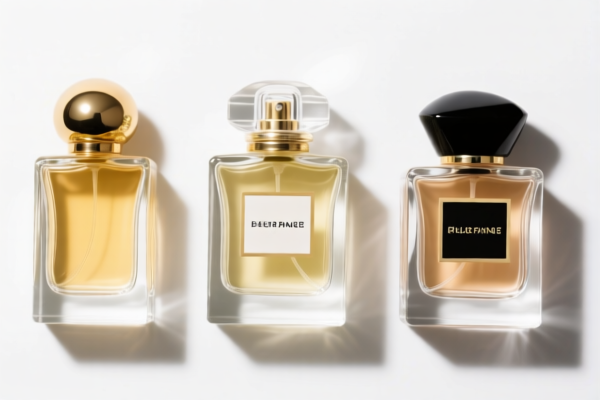
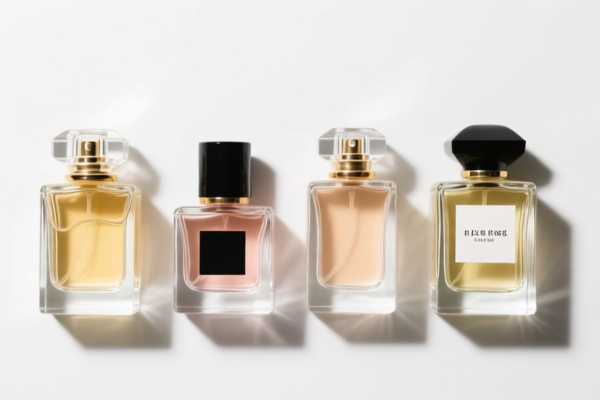
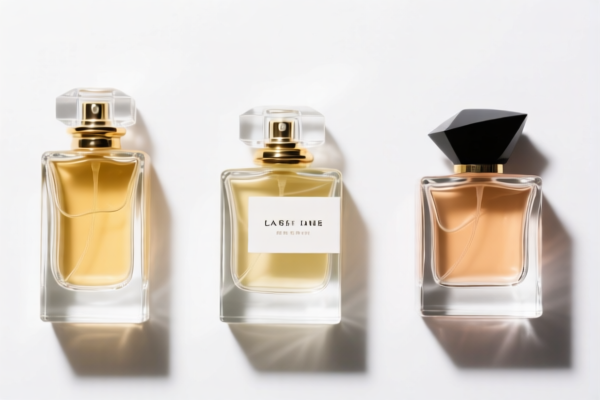
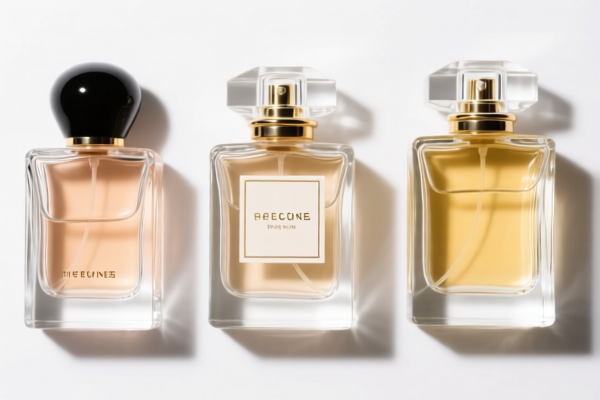
AI分析
🌸 Perfumes & Fragrance Packaging (Global Trade & Customs Clearance Guide)
🌐 HS Code Reference & Clearance Strategy | 2026 Latest Tariff Analysis | Professional Compliance Guide
📌 I. Product Definition & Classification: Do You Know What You Are Importing?
Perfumes and fragrance products are high-value, volatile chemical goods. In international trade, they are strictly divided into two categories based on function and material:
- The Fragrance Itself (Liquid/Gel): Chemical mixtures of essential oils, alcohol, and water. Classified under Chapter 33 (Essential Oils & Perfumery).
- The Packaging (Bottles/Vials): Containers used specifically to hold the perfume. Classified based on material (Glass vs. Plastic) under Chapter 70 or Chapter 39.
⚠️ Critical Distinction Point: - If you are importing liquid perfume → It is a chemical product (HS Code starts with
33). - If you are importing empty bottles → It is a container (HS Code starts with70or39). - Never mix these in the same line item unless specifically declared as a "set" with separate values, but generally, they have vastly different tax liabilities and regulatory requirements.
📦 II. HS Code Classification Matrix (2026 Latest Tariff Authority)
Based on the provided dataset, here is the precise mapping for Perfume-related goods.
| HS Code | Product Description | Material/Type | Key Identification Criteria |
|---|---|---|---|
3307.90.00.00 |
Perfume/Fragrance (General) | Chemical/Liquid | Falls under "Miscellaneous perfumery, toilet or cosmetic preparations." General fragrance category. |
3303.00.20.00 |
Perfume & Cologne (Specific) | Chemical/Liquid | Specifically for "Perfumes and Toilet Waters." Higher specificity than 3307. |
7010.90.30.10 |
Perfume Bottle (Empty) | Glass | Glass vials/bottles specifically designed for perfume packaging. |
7010.90.30.20 |
Perfume Bottle (Empty) | Glass | Another sub-classification for glass perfume bottles (similar tax rate, distinct customs subheading). |
7013.99.30.00 |
Glassware (General Perfume Use) | Glass | Glass articles not specifically "bottles" but "glassware" suitable for perfume use (e.g., decorative jars). |
3923.30.00.10 |
Perfume Bottle (Empty) | Plastic | Plastic ampoules/vials specifically for perfume. |
3923.30.00.90 |
Plastic Container (General) | Plastic | Other plastic containers, not specifically limited to perfume capacity/use, but used for it. |
🔍 Key Insight: - Liquid Perfume (
33xx) and Empty Bottles (70xx/39xx) are never the same HS Code. - Glass bottles (70xx) generally have lower base tariffs than plastic (39xx) but are subject to the same punitive tariffs. -3303.00.20.00(Specific Perfume) has a 0% base tariff, while3307.90.00.00(General Fragrance) has a 5.4% base tariff. Precision here saves money!
💰 III. 2026 Latest Tariff Rate Breakdown (US Market Focus)
✅ Applicable Country: USA (US)
✅ Origin: China (CN)
✅ Effective Date: Post-November 2025 (Includes all subsequent imports)
🎯 1. The "Liquid Perfume" Category (Chemicals)
A. 3303.00.20.00 – Perfumes & Toilet Waters (High Precision)
| Item | Content |
|---|---|
| Base Tariff | 0.0% |
| Section 301 Tariff | +25.0% (USITC Footnote: Section 301) |
| 122 Clause Tariff | +10.0% (Specific regulatory clause) |
| Total Tax Rate | 35.0% |
| Calculation | CIF Value × 35% |
| De Minimis Exemption | ❌ NOT APPLICABLE |
B. 3307.90.00.00 – Miscellaneous Fragrance Preparations (Broad Category)
| Item | Content |
|---|---|
| Base Tariff | 5.4% |
| Section 301 Tariff | +25.0% |
| 122 Clause Tariff | +10.0% |
| Total Tax Rate | 40.4% |
| Calculation | CIF Value × 40.4% |
| De Minimis Exemption | ❌ NOT APPLICABLE |
📌 Explanation:
- Choosing3303.00.20.00over3307.90.00.00saves 5.4% on the base tariff. - Both are subject to the aggressive 35-40%+ total burden due to US-China trade policies. - No de minimis exemption: Packages under $800 are NOT tax-free. Customs will assess duty on the full value.
🎯 2. The "Glass Bottle" Category (Empty Containers)
A. 7010.90.30.10 & 7010.90.30.20 – Specific Perfume Bottles
| Item | Content |
|---|---|
| Base Tariff | 5.2% |
| Section 301 Tariff | +25.0% |
| 122 Clause Tariff | +10.0% |
| Total Tax Rate | 40.2% |
| Calculation | CIF Value × 40.2% |
| De Minimis Exemption | ❌ NOT APPLICABLE |
B. 7013.99.30.00 – General Glassware (Perfume Use)
| Item | Content |
|---|---|
| Base Tariff | 9.0% |
| Section 301 Tariff | +7.5% (Note: Lower Section 301 rate for this specific subheading) |
| 122 Clause Tariff | +10.0% |
| Total Tax Rate | 26.5% |
| Calculation | CIF Value × 26.5% |
| De Minimis Exemption | ❌ NOT APPLICABLE |
📌 Strategic Opportunity:
If the bottle is not strictly a "vial" but can be classified as "general glassware suitable for perfume,"7013.99.30.00offers a significantly lower rate (26.5% vs 40.2%). However, this requires strong justification that it is not exclusively designed as a perfume vial.
🎯 3. The "Plastic Bottle" Category (Empty Containers)
A. 3923.30.00.10 & 3923.30.00.90 – Plastic Ampoules/Containers
| Item | Content |
|---|---|
| Base Tariff | 3.0% |
| Section 301 Tariff | +25.0% |
| 122 Clause Tariff | +10.0% |
| Total Tax Rate | 38.0% |
| Calculation | CIF Value × 38.0% |
| De Minimis Exemption | ❌ NOT APPLICABLE |
🛠️ IV. Customs Clearance Practical Advice (Real-World Pitfall Guide)
✅ 1. Documentation Checklist (Non-Negotiable)
| Document | Mandatory? | Purpose |
|---|---|---|
| ✅ Formula/Ingredient List | ✔️ | For 33xx codes. Customs needs to verify it's not a hazardous chemical or controlled substance. |
| ✅ Product Photos (Labeled) | ✔️ | Must show the label. If it's a bottle, show the shape. If it's liquid, show the consistency. |
| ✅ Certificate of Origin (CO) | ✔️ | Crucial for claiming any potential exemptions (though currently none for China US). |
| ✅ Commercial Invoice | ✔️ | Must clearly distinguish between "Liquid Perfume" and "Empty Bottles" if shipped together. |
| ✅ Safety Data Sheet (SDS) | ✔️ | Critical for Perfumes. Contains flammability data. Required for air freight and customs safety checks. |
✅ 2. Classification Strategy (The "Golden Rules")
🔥 “Separate Values, Separate Codes, Zero De Minimis!”
| Scenario | Correct Approach | Risk of Error |
|---|---|---|
| Importing Liquid Perfume | Use 3303.00.20.00 if it's traditional perfume. Use 3307.90.00.00 if it's a "body mist" or "air freshener." |
Misclassifying as 3307 when it’s 3303 leads to overpayment. Misclassifying liquid as glass leads to seizure. |
| Importing Empty Glass Bottles | Try 7013.99.30.00 (26.5%) if shape is generic. Use 7010.90.30.10 (40.2%) if distinctly a perfume vial. |
Over-declaring specificity increases tax by ~14%. Under-declaring generic goods may lead to audits. |
| Importing Empty Plastic Bottles | Use 3923.30.00.10 or .90. |
Plastic is always ~38%. No major optimization here. |
| Shipment Mix (Bottle + Liquid) | Split the Invoice! Declare bottles under 70xx/39xx and liquid under 33xx. |
Combining them into one HS code is illegal and triggers fraud alerts. |
✅ 3. Special Regulatory Warnings
| Issue | Handling Advice |
|---|---|
| Flammability | Perfumes are often Class 3 Flammable Liquids. Ensure packaging is UN-certified for air freight. |
| No De Minimis | Do NOT use DHL/FedEx/UPS standard express for small packages expecting tax-free entry ($800 limit). Duty will be charged. Consider sea freight for bulk. |
| FDA/CPSC | While primarily USDA/FDA for ingestibles, cosmetic perfumes may be scrutinized by FDA for prohibited ingredients (e.g., certain allergens). |
| Labeling | Labels must include: Net contents, brand, manufacturer info, and ingredient list (if required by destination country regulations). |
🌍 V. Global Market Comparison (2026 Snapshot)
| Country/Region | Recommended HS Code | Est. Total Duty (China Origin) | Key Requirement |
|---|---|---|---|
| 🇺🇸 USA | 3303.00.20.00 / 7010.90.30.10 |
35.0% - 40.2% | High punitive tariffs. SDS required. |
| 🇨🇳 China | 3303.00.20.00 / 7010.90.30.10 |
~5-10% | No punitive tariffs. Cosmetic filing needed. |
| 🇪🇺 EU | 3303.00 / 7010.90 |
~6.5% (Duty) + VAT | CPNP notification, CLP labeling, heavy allergen restrictions. |
| 🇬🇧 UK | 3303.00 / 7010.90 |
~6.5% (Duty) + VAT | UKCPNP notification. |
📌 Conclusion:
The US market is the most expensive due to the layered 301 + 122 tariffs. For US imports, cost optimization lies in classification accuracy (e.g.,7013vs7010) and supply chain adjustments (e.g., final assembly in third countries to avoid "China Origin" tags, if feasible).
📌 VI. Common Errors & "Blood & Tears" Lessons
❌ Error 1: Assuming De Minimis Applies
👉 Consequence: Your $50 perfume package gets hit with $15-20 in duties + handling fees. The customer refuses delivery.
👉 Fix: Always budget for 35-40% tax for US imports from China.
❌ Error 2: Misclassifying Liquid as Glass
👉 Consequence: Customs opens the box, sees liquid, and flags the shipment as "Misdeclaration." Potential seizure.
👉 Fix: Clearly state "Liquid Perfume" vs "Empty Glass Bottles" in the description.
❌ Error 3: Using Generic "Perfume" for All Scents
👉 Consequence: Paying 5.4% base tax when you qualify for 0% base tax by using 3303.
👉 Fix: If it is a classic Eau de Parfum/Toilet Water, use 3303.00.20.00.
✅ Correct Declaration Example:
"Liquid Perfume, Eau de Parfum, 50ml, Brand X, Contains Ethanol & Essential Oils. HS: 3303.00.20.00"
"Empty Glass Perfume Vials, 10ml, Frosted, Brand Y. HS: 7010.90.30.10"
🎯 VII. Conclusion: Precision is Profit!
🎯 Remember the Mantra:
🔹 "Liquid is 33, Glass is 70, Plastic is 39."
🔹 "3303 saves the base rate (0% vs 5.4%)."
🔹 "7013 beats 7010 (26.5% vs 40.2%)."
🔹 "No De Minimis for China! Budget for 40% Tax."
📌 Pro Tip:
If you are importing large volumes, apply for an Advance Ruling (Isoguides) or consult a licensed customs broker to confirm if 7013.99.30.00 is applicable for your specific bottle shapes. This single decision can save you 14% in duties on all glass packaging!
📣 Take Action Now:
📞 Engage a Customs Broker to review your SDS and Product Images.
🚀 Audit Your HS Codes against the 2026 table.
💼 Optimize Your Landed Cost before you ship!
✨ Smart Customs, Smarter Business!
💼 Every percent saved is profit earned!
用户评价
关于 HS 编码归类
协调制度(HS)是由世界海关组织(WCO)制定的国际贸易商品分类标准。全球 200 多个国家采用 HS 系统作为海关关税、贸易统计和进出口监管的基础。
每个 HS 编码遵循以下层级结构:
- 章(2 位)——商品大类(例如:第 84 章:机器和机械设备)
- 品目(4 位)——章内的更具体分类
- 子目(6 位)——国际通用细分,所有 WCO 成员国统一使用
- 本国细分(8-10 位)——各国自行扩展的细分编码,如美国 HTSUS 10 位编码
正确的 HS 编码归类对于顺利通关、准确缴纳关税和遵守贸易法规至关重要。错误归类可能导致海关延误、多缴关税或罚款。
从CN进口到US时,适用的关税税率可能包括:
- 最惠国(MFN)税率——适用于 WTO 成员国的标准关税税率
- 普通税率——适用于无贸易协定国家
- 贸易救济关税——附加关税,如 301 条款(反倾销)、232 条款(国家安全)或反补贴税
本页内容仅供参考。如需正式归类,请咨询当地海关或持牌报关代理。