Pet Paper Diaper Pads
CN → US| HS编码 | 关税税率 | 原产国 | 目的国 | 文档 |
|---|---|---|---|---|
| 5603920070 | 35.0% | CN | US | 官方文档 |
| 9619009000 | 24.5% | CN | US | 官方文档 |
| 9619001530 | 17.5% | CN | US | 官方文档 |
| 6307907500 | 14.3% | CN | US | 官方文档 |
| 6307909891 | 24.5% | CN | US | 官方文档 |
商品图片
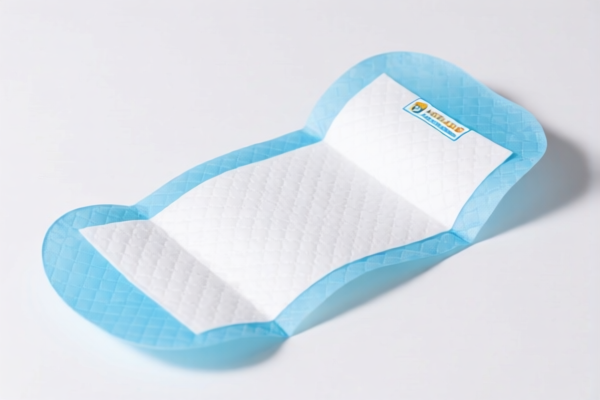
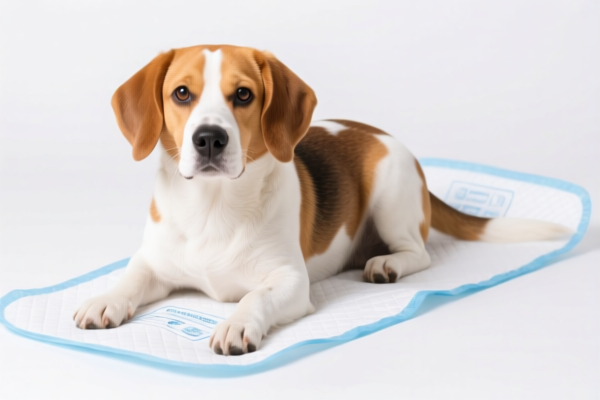
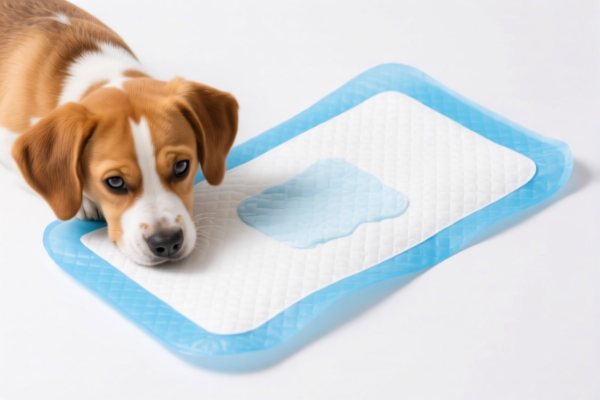
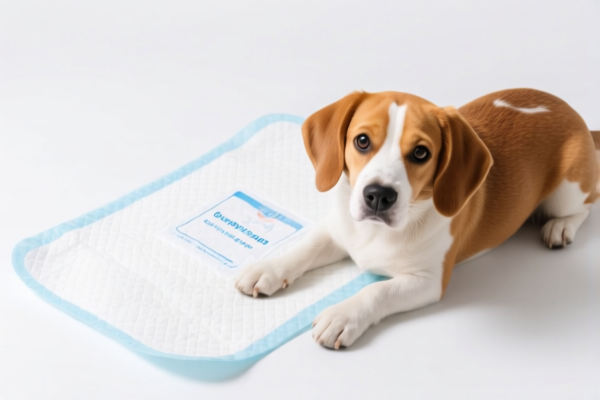
AI分析
🐶 Pet Paper Diaper Pads (Pet Training Pads & Underpads)
🌐 HS Code Reference & Customs Clearance Guide | 2026 Latest Tariff Analysis | Professional Strategy for Pet Care Products
📌 I. Product Definition & Classification: What Exactly Are "Pet Paper Diaper Pads"?
Pet Paper Diaper Pads are essential hygiene products for pet owners, used for training puppies/kitties or absorbing waste from older pets. In international trade, these products are not classified as a single HS code. Their classification depends entirely on material composition and functional structure.
They generally fall into two categories: 1. Non-Woven Fabric Pads: Often used as disposable pads, resembling human diapers in material but distinct in function. 2. Sanitary/Hygiene Articles: Explicitly designed as absorbent pads, classified under specific sanitary goods chapters. 3. Textile Accessories: If the primary function is viewed as a general textile covering (like a pet bed mat), they may fall under general textile articles.
⚠️ Key Distinction Point:
- If the product is made of non-woven fabric (e.g., PP spunbond) and is a finished good → HS 5603.92.00.70
- If the product is explicitly a sanitary article (like a human diaper/pad) made of woven or absorbent material → HS 9619.00.90.00
- If the product is made of paper/cellulose → HS 9619.00.15.30
- If the product is a textile pet mat/pad (reusable or specific textile finish) → HS 6307.90.75.00 / 6307.90.98.91
📦 II. HS Code Classification Details (2026 Latest Tariff Authority Comparison)
| HS Code | Product Description | Applicable Scenario | Material/Structure |
|---|---|---|---|
5603.92.00.70 |
Pet Diapers, Finished Goods | Disposable pet training pads, non-woven material | Non-woven Fabric (PP) |
9619.00.90.00 |
Sanitary Articles | Pet pads classified as hygiene products | Woven Fabric or Absorbent Material |
9619.00.15.30 |
Pet Diapers (Paper Type) | Pads made primarily of paper/cellulose fibers | Paper / Cellulose Fiber |
6307.90.75.00 |
Pet Pads (Textile) | Pet accessories, textile material, specific use | Textile Material |
6307.90.98.91 |
Pet Pads (Made Up) | Finished textile goods, synthetic fibers | Textile / Synthetic Fiber |
🔍 Critical Reminder:
- Non-woven pads (most common disposable type) are often misclassified. If they are "finished goods" of non-woven fabric, 5603.92.00.70 is a strong candidate.
- Paper-based pads are strictly 9619.00.15.30.
- Textile mats (washable/reusable) fall under 6307.
- Do not mix material types in one shipment declaration unless clearly separated, as tax rates vary significantly!
💰 III. 2026 Latest Tariff Rate Details (Including Additional Taxes & Policy Surcharges)
✅ Applicable Country: United States (US)
✅ Origin: China (CN)
✅ Effective Date: 2025/2026 (Current Trade Environment)
🎯 1. 5603.92.00.70 —— Pet Diapers (Non-Woven Fabric)
| Item | Detail |
|---|---|
| Base Tariff | 0.0% |
| Section 301 Additional Tariff | +25.0% |
| IEEPA Additional Tariff (Section 122) | +10.0% |
| Total Tariff Rate | 35.0% |
| Tax Calculation | CIF Value × 35% |
| De Minimis Eligibility | ❌ No (High tax rate excludes de minimis benefit) |
| Legal Basis Path | USITC:5603.92.00.70 → SECTION 301: 25% → IEEPA: 10% |
📌 Explanation:
- This code applies to non-woven fabric pet pads.
- Total 35% is high due to Section 301 (25%) and IEEPA (10%).
- Risk: Misclassification as textile (lower tax) could lead to penalties.
🎯 2. 9619.00.90.00 —— Pet Diapers (Sanitary Articles)
| Item | Detail |
|---|---|
| Base Tariff | 7.0% |
| Section 301 Additional Tariff | +7.5% |
| IEEPA Additional Tariff (Section 122) | +10.0% |
| Total Tariff Rate | 24.5% |
| Tax Calculation | CIF Value × 24.5% |
| De Minimis Eligibility | ❌ No |
| Legal Basis Path | USITC:9619.00.90.00 → SECTION 301: 7.5% → IEEPA: 10% |
📌 Explanation:
- This code applies if the product is defined as a "sanitary article" (like human pads) but made of woven/absorbent materials.
- Lower total rate (24.5%) than non-woven category, but higher base tariff (7%).
- Note: Requires strict proof that the product fits the "sanitary article" definition.
🎯 3. 9619.00.15.30 —— Pet Diapers (Paper/Cellulose)
| Item | Detail |
|---|---|
| Base Tariff | 0.0% |
| Section 301 Additional Tariff | +7.5% |
| IEEPA Additional Tariff (Section 122) | +10.0% |
| Total Tariff Rate | 17.5% |
| Tax Calculation | CIF Value × 17.5% |
| De Minimis Eligibility | ❌ No |
| Legal Basis Path | USITC:9619.00.15.30 → SECTION 301: 7.5% → IEEPA: 10% |
📌 Explanation:
- Lowest total tariff (17.5%) among the sanitary/paper categories.
- Ideal for paper-based absorbent pads.
- Critical: Must be made of paper or cellulose fibers. Non-woven PP does not qualify here.
🎯 4. 6307.90.75.00 —— Pet Pads (Textile, Specific Use)
| Item | Detail |
|---|---|
| Base Tariff | 4.3% |
| Section 301 Additional Tariff | 0.0% |
| IEEPA Additional Tariff (Section 122) | +10.0% |
| Total Tariff Rate | 14.3% |
| Tax Calculation | CIF Value × 14.3% |
| De Minimis Eligibility | ❌ No (Check specific de minimis rules, but high total tax usually negates) |
| Legal Basis Path | USITC:6307.90.75.00 → SECTION 301: 0% → IEEPA: 10% |
📌 Explanation:
- Lowest total tariff (14.3%).
- Applies to textile material pet pads.
- Risk: Only applies if the product is clearly a "textile good" and not a "sanitary article" or "non-woven fabric". If customs deems it a sanitary pad, it may be reclassified to 9619 (higher tax).
🎯 5. 6307.90.98.91 —— Pet Pads (Textile, Made Up)
| Item | Detail |
|---|---|
| Base Tariff | 7.0% |
| Section 301 Additional Tariff | +7.5% |
| IEEPA Additional Tariff (Section 122) | +10.0% |
| Total Tariff Rate | 24.5% |
| Tax Calculation | CIF Value × 24.5% |
| De Minimis Eligibility | ❌ No |
| Legal Basis Path | USITC:6307.90.98.91 → SECTION 301: 7.5% → IEEPA: 10% |
📌 Explanation:
- Same total rate as9619.00.90.00.
- Applies to general made-up textile goods.
- Use Case: When the product is a washable textile pad and doesn't fit specific sanitary definitions.
🛠️ IV. Customs Clearance Practical Advice (Battle-Tested Pitfall Avoidance)
✅ 1. Preparation Checklist (All Documents Required)
| Document | Required | Explanation |
|---|---|---|
| ✅ Product Specification Sheet | ✔️ | Must specify material composition (e.g., "100% Polypropylene Non-Woven" vs. "Cotton/Viscose Blend") |
| ✅ Material Composition Certificate | ✔️ | Critical for distinguishing between Non-Woven (5603), Paper (9619), and Textile (6307) |
| ✅ Product Photos | ✔️ | Clear images showing texture, absorbent layer, and finished form |
| ✅ Usage Description | ✔️ | "For pet waste absorption" vs. "General pet bedding" (Affects classification between 9619 and 6307) |
| ✅ Commercial Invoice | ✔️ | Clearly state HS Code and product description matching the material |
| ✅ Packing List | ✔️ | Ensure no mixing of different material types in one shipment if possible |
✅ 2. Declaration Strategy (Key Mnemonics)
🔥 "Material Determines Code, Code Determines Tax!"
| Scenario | Correct HS Code | Incorrect Action | Consequence |
|---|---|---|---|
| Non-Woven PP Pad | 5603.92.00.70 |
Declare as Textile (6307) | Penalty + Back Tax (20% difference) |
| Paper/Cellulose Pad | 9619.00.15.30 |
Declare as Sanitary (9619.90) | Overpay by 7% (17.5% vs 24.5%) |
| Washable Textile Mat | 6307.90.75.00 |
Declare as Sanitary (9619.90) | Overpay by 10.2% (14.3% vs 24.5%) |
| Mixed Shipment | Separate Declarations | Mix all in one line | Customs Audit & Delays |
✅ 3. Special Cases Handling
| Situation | Handling Advice |
|---|---|
| Multi-Layer Pads | Declare based on outermost material or primary functional material. If non-woven outer layer → 5603.92.00.70 |
| Biodegradable Pads | If made of paper/cellulose → 9619.00.15.30. If non-woven bio-plastic → 5603.92.00.70 |
| Reusable Cloth Pads | Must be textile (cotton, microfiber) → 6307.90.75.00 or 6307.90.98.91. Not "sanitary articles" |
| Training Pads with Glue/Adhesive | Still classified by fabric/paper base. Adhesive is incidental. |
🌍 V. Global Market Comparison (2026 Latest)
| Country/Region | Recommended HS Code | Tariff (China Origin) | Certification | Note |
|---|---|---|---|---|
| 🇺🇸 USA | 9619.00.15.30 (Paper) |
17.5% | IEEPA + 301 | Lowest US Tariff for paper-based |
| 🇺🇸 USA | 5603.92.00.70 (Non-Woven) |
35.0% | IEEPA + 301 | Highest Tariff for non-woven |
| 🇺🇸 USA | 6307.90.75.00 (Textile) |
14.3% | IEEPA (301: 0%) | Lowest Overall, but strict textile definition |
| 🇨🇳 China | 9619.00.15.30 |
5% | None | Low export tax |
| 🇪🇺 EU | 9619.00.15.30 |
0% - 6% | CE | Varies by member state |
| 🇬🇧 UK | 9619.00.15.30 |
5% | UKCA | Post-Brexit rules |
📌 Conclusion:
- USA is the most complex market due to Section 301 and IEEPA tariffs.
- Paper-based pads (9619.00.15.30) are the most cost-effective for the US market (17.5%).
- Non-woven pads (5603.92.00.70) are the most expensive (35%).
- Textile pads (6307.90.75.00) offer the lowest rate (14.3%) if they qualify as "textile goods" and not "sanitary articles".
📌 VI. Common Mistakes & Pitfall Guide (Lessons Learned)
❌ Mistake 1: Declaring Non-Woven Pads as Textile (6307)
👉 Consequence: Customs reclassifies to 5603.92.00.70 → Back Tax + 15% difference (35% - 14.3%) + Penalty!
❌ Mistake 2: Declaring Paper Pads as Sanitary (9619.90)
👉 Consequence: Overpaying 7% (24.5% vs 17.5%). No penalty, but pure profit loss.
❌ Mistake 3: Not specifying Material Composition
👉 Consequence: Customs assigns highest possible tariff or detains shipment for inspection.
❌ Mistake 4: Mixing Paper and Non-Woven in one HS Code
👉 Consequence: Customs rejects mixed declaration. Must split into two lines.
✅ Correct Practice:
"Pet Training Pad, 100% Polypropylene Non-Woven Fabric, Disposable, Absorbent Core, 22x34 inches, Brand XYZ"
→ HS: 5603.92.00.70"Pet Underpad, Wood Pulp & Paper, Disposable, 28x28 inches, Brand ABC"
→ HS: 9619.00.15.30
🎯 VII. Conclusion: Precision in Classification Saves Money!
🎯 Remember the Mantra:
🔹 "Paper is 17.5%, Non-Woven is 35%, Textile is 14.3%!"
🔹 "Check Material First, Then Declare!"
📌 Pro Tip:
- If you are exporting to the US, consider switching to Paper/Cellulose-based pads (9619.00.15.30) to save 17.5% compared to non-woven.
- If your product is washable textile, ensure it is marketed as "Pet Bedding/Mat" (6307.90.75.00) to achieve the lowest 14.3% rate, but avoid words like "diaper" or "sanitary" to prevent reclassification to 9619.
📣 Immediate Action:
📞 Contact Customs Broker + Provide Material Spec + Apply for Advance Ruling
🚀 Optimize Your Supply Chain, Minimize Tariffs, Maximize Profit!
✨ Professional Classification Starts Here!
💼 Every Dollar Saved is a Dollar Earned!
用户评价
关于 HS 编码归类
协调制度(HS)是由世界海关组织(WCO)制定的国际贸易商品分类标准。全球 200 多个国家采用 HS 系统作为海关关税、贸易统计和进出口监管的基础。
每个 HS 编码遵循以下层级结构:
- 章(2 位)——商品大类(例如:第 84 章:机器和机械设备)
- 品目(4 位)——章内的更具体分类
- 子目(6 位)——国际通用细分,所有 WCO 成员国统一使用
- 本国细分(8-10 位)——各国自行扩展的细分编码,如美国 HTSUS 10 位编码
正确的 HS 编码归类对于顺利通关、准确缴纳关税和遵守贸易法规至关重要。错误归类可能导致海关延误、多缴关税或罚款。
从CN进口到US时,适用的关税税率可能包括:
- 最惠国(MFN)税率——适用于 WTO 成员国的标准关税税率
- 普通税率——适用于无贸易协定国家
- 贸易救济关税——附加关税,如 301 条款(反倾销)、232 条款(国家安全)或反补贴税
本页内容仅供参考。如需正式归类,请咨询当地海关或持牌报关代理。