Pet Shoes
CN → US| HS编码 | 关税税率 | 原产国 | 目的国 | 文档 |
|---|---|---|---|---|
| 6405909030 | 22.5% | CN | US | 官方文档 |
| 6307907500 | 14.3% | CN | US | 官方文档 |
| 6405909060 | 22.5% | CN | US | 官方文档 |
| 6307909891 | 24.5% | CN | US | 官方文档 |
| 4201006000 | 12.8% | CN | US | 官方文档 |
商品图片
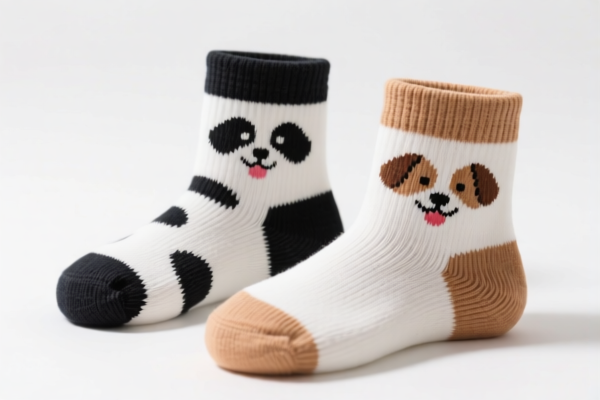
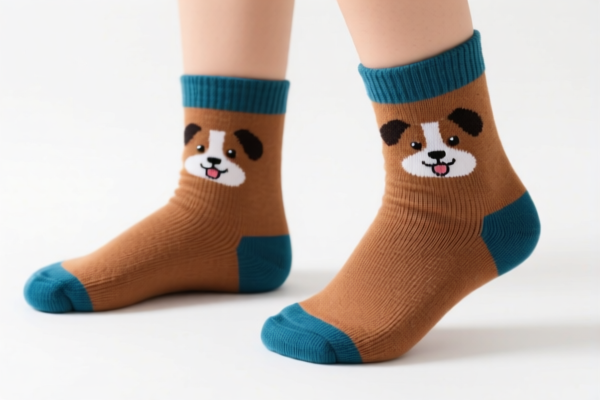
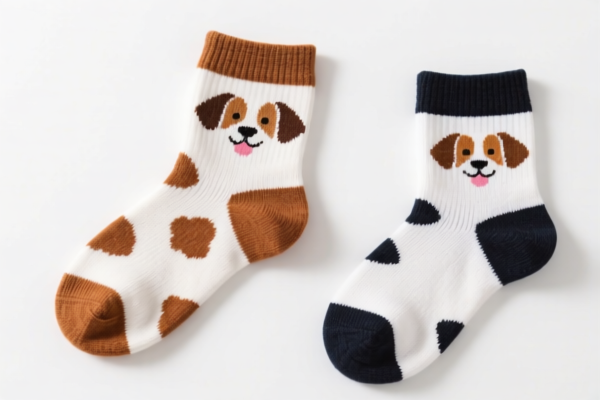
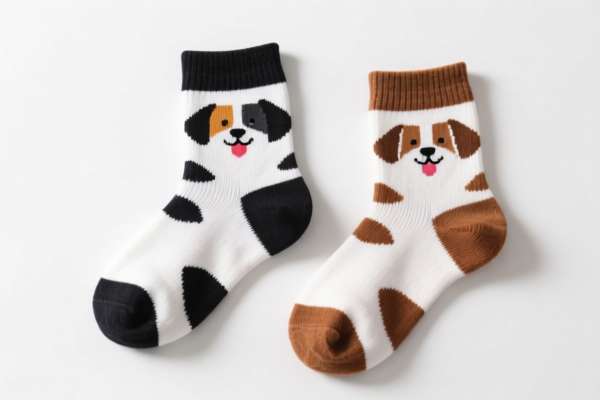
AI分析
🐾 Pet Shoes (Canine/Feline Footwear)
🌐 HS Code Reference & Customs Clearance Guide | 2026 Latest Tariff Analysis | Professional Clearance Strategy
📌 I. Product Definition & Classification: Do You Really Understand "Pet Shoes"?
Pet shoes are wearable accessories designed for animals (primarily dogs and cats) to protect their paws from extreme weather, rough terrain, or hygiene issues. In international trade, their classification hinges on material composition and functional purpose. Because they are wearable items, they often fall into two competing chapters: Footwear (Chapter 64) or Other Made-up Textile Articles/Accessories (Chapter 63/42).
Key Distinctions: * Footwear Category (Ch. 64): If the product is structurally defined as a "shoe" with a sole and upper, regardless of animal use. * Accessory/Clothing Category (Ch. 63/42): If the product is treated as a "wearing apparel" or "specialized accessory" rather than a standalone shoe.
⚠️ Critical Classification Point:
- If the primary structure mimics human footwear (sole + upper) → Likely Chapter 64.
- If it’s a simple textile cover or specialized gear → Likely Chapter 63 or 42.
📦 II. HS Code Classification Details (2026 Latest Tariff Authority Comparison)
Based on current trade data and common customs interpretations for "Pet Shoes," here are the five most relevant HS Codes provided in the source data, along with their tax implications.
| HS Code | Product Description & Logic | Total Tax Rate | Tax Breakdown (Base + Additional) |
|---|---|---|---|
6405.90.90.30 |
Other Footwear (Fabric/Rubber): Categorized as general footwear. Assumes material is fabric or rubber, falling into the "other" catch-all category for footwear not specified elsewhere. | 22.5% | Base: 12.5% Add-on: 0.0% Section 122: 10% |
6307.90.75.00 |
Other Made-up Textile Articles: Classified as a textile pet accessory. Inferred that the main material is textile-based, fitting the logic of "textile-made pet supplies." | 14.3% | Base: 4.3% Add-on: 0.0% Section 122: 10% |
6405.90.90.60 |
Other Footwear (Catch-all): Another entry under footwear. Used when specific material details are unclear, applying the "catch-all" principle for other types of shoes. | 22.5% | Base: 12.5% Add-on: 0.0% Section 122: 10% |
6307.90.98.91 |
Other Made-up Articles (General): Classified as a finished manufactured good. Based on common sense, the material does not conflict with this general "other made-up article" category. | 24.5% | Base: 7.0% Add-on: 7.5% Section 122: 10% |
4201.00.60.00 |
Saddlery & Harness Articles: Classified as an "animal use" accessory. Inferred as an extension of animal equipment (like harnesses/saddlery) rather than footwear. | 12.8% | Base: 2.8% Add-on: 0.0% Section 122: 10% |
🔍 Key Insight:
- Cheapest Option:4201.00.60.00(12.8% total) – Classify as animal accessories/harnesses.
- Mid-Range Option:6307.90.75.00(14.3% total) – Classify as textile pet products.
- Most Expensive Options:6405codes (22.5%) and6307.90.98.91(24.5%) – Classify as general footwear or generic made-up articles.
💰 III. Detailed Tariff Rate Explanation (Including Surtaxes & Policy Add-ons)
✅ Applicable Country: USA (US)
✅ Origin: China (CN) (Inferred from "122 Clause" reference)
✅ Effective Time: Current 2026 Standards
🎯 1. 4201.00.60.00 —— Saddlery & Harness Articles (Lowest Tax)
| Item | Content |
|---|---|
| Base Tariff | 2.8% |
| Retaliatory/Surtax | 0.0% |
| Section 122 Tariff | +10% |
| Total Effective Rate | 12.8% |
| Calculation Method | CIF Value × 12.8% |
| De Minimis Eligibility | ❌ No (High tariff rates typically exclude small packages from de minimis exemption in strict enforcement zones). |
| Legal Basis | HTSUS:4201.00.60.00 + Section 122 Provisions |
📌 Explanation:
- This code treats pet shoes as equipment/accessories for animals, similar to saddles or harnesses.
- The Base Tariff is extremely low (2.8%).
- The Section 122 tariff (10%) is the only significant add-on, resulting in the lowest total duty (12.8%) among the options.
- Strategy: If the shoe is simple, textile-based, and lacks a heavy rubber sole, argue for this classification to save ~10% in taxes.
🎯 2. 6307.90.75.00 —— Other Made-up Textile Articles (Mid-Range Tax)
| Item | Content |
|---|---|
| Base Tariff | 4.3% |
| Retaliatory/Surtax | 0.0% |
| Section 122 Tariff | +10% |
| Total Effective Rate | 14.3% |
| Calculation Method | CIF Value × 14.3% |
| De Minimis Eligibility | ❌ No |
| Legal Basis | HTSUS:6307.90.75.00 + Section 122 Provisions |
📌 Explanation:
- This code classifies pet shoes as textile goods.
- It is a safe middle ground if the shoes are primarily fabric/nylon.
- Savings vs. Footwear: 8.2% lower than the6405codes.
🎯 3. 6405.90.90.30 & 6405.90.90.60 —— Other Footwear (Highest Tax)
| Item | Content |
|---|---|
| Base Tariff | 12.5% |
| Retaliatory/Surtax | 0.0% |
| Section 122 Tariff | +10% |
| Total Effective Rate | 22.5% |
| Calculation Method | CIF Value × 22.5% |
| De Minimis Eligibility | ❌ No |
| Legal Basis | HTSUS:6405.90.90.xx + Section 122 Provisions |
📌 Explanation:
- Customs often defaults to Chapter 64 (Footwear) for any product resembling a shoe.
- The Base Tariff is high (12.5%) because footwear is a sensitive category.
- Risk: If you misclassify a "textile slipper" as a "shoe," you pay nearly double the duty.
🎯 4. 6307.90.98.91 —— Other Made-up Articles (Highest Tax)
| Item | Content |
|---|---|
| Base Tariff | 7.0% |
| Retaliatory/Surtax | +7.5% |
| Section 122 Tariff | +10% |
| Total Effective Rate | 24.5% |
| Calculation Method | CIF Value × 24.5% |
| De Minimis Eligibility | ❌ No |
| Legal Basis | HTSUS:6307.90.98.91 + Section 122 Provisions |
📌 Explanation:
- This is a generic catch-all for made-up articles.
- It includes a 7.5% surtax (likely under specific Section 301 or retaliatory measures), making it the most expensive option.
- Avoid unless no other specific textile or footwear code fits.
🛠️ IV. Customs Clearance Practical Advice (Combat Pitfalls)
✅ 1. Document Checklist (Non-negotiable)
| Document | Required? | Notes |
|---|---|---|
| Product Photos | ✔️ | Show sole material, upper material, and how it fits the paw. |
| Material Breakdown | ✔️ | % of fabric, rubber, glue, etc. Crucial for distinguishing Ch. 64 vs. Ch. 63. |
| Commercial Invoice | ✔️ | Description must be precise: "Textile Pet Paw Protectors" vs. "Rubber Dog Shoes." |
| Structure Diagram | ✔️ | Show if it has a distinct "sole" layer. If yes, Ch. 64 is likely. If it's a sleeve/sock, Ch. 63/42 is better. |
| Origin Certificate | ✔️ | To verify US tariff applicability. |
✅ 2. Classification Strategy (Key Mnemonics)
🔥 “Sole Determines Chapter, Material Determines Tax!”
| Scenario | Recommended HS Code | Tax Rate | Why? |
|---|---|---|---|
| Rubber Sole + Fabric Upper | 6405.90.90.30 / 60 |
22.5% | Structurally a shoe. High risk of Ch. 64 classification. |
| Soft Fabric / No Hard Sole | 6307.90.75.00 |
14.3% | Treat as textile accessory/clothing. |
| Simple Paw Cover / No Sole | 4201.00.60.00 |
12.8% | Treat as animal accessory/harness. Lowest tax. |
| Unclear / Generic | 6307.90.98.91 |
24.5% | Avoid. High surtax. Only use if desperate. |
✅ 3. Special Case Handling
| Situation | Advice |
|---|---|
| OEM Custom Design | Provide design specs to prove it’s an "accessory" not standard footwear. |
| Mixed Material | If <50% rubber/leather, argue for Textile (Ch. 63) classification. |
| De Minimis (Section 321) | Warning: Even if the value is < $800, high tariffs (like Section 122) may trigger inspections or require formal entry. Do not assume automatic clearance. |
| Brand Name | Ensure the brand is declared. Some "Pet Shoes" with famous brands face anti-circumvention scrutiny. |
🌍 V. Global Market Comparison (2026 Latest)
| Country/Region | Recommended HS Code | Estimated Duty | Notes |
|---|---|---|---|
| 🇺🇸 USA | 4201.00.60.00 |
12.8% | Best option. Includes Section 122 (10%). |
| 🇨🇳 China | 6405.90.90.30 |
~10-15% | Varies by free trade agreements (RCEP). |
| 🇪🇺 EU | 6405.90.90 |
~10-12% | Standard footwear duty. No "Section 122" equivalent. |
| 🇯🇵 Japan | 6405.90.90 |
~10% | Generally stable. |
📌 Conclusion:
- The USA is the most complex market due to Section 122 and Section 301 tariffs.
- Classifying as "Animal Accessory" (4201) saves you ~10-12% in taxes compared to "Footwear" (6405).
- Risk: Customs may reclassify. Always have a strong justification (e.g., lack of hard sole, textile focus).
📌 VI. Common Mistakes & Pitfalls (Lessons Learned)
❌ Mistake 1: Calling it "Shoes" and using 6405.
👉 Result: You pay 22.5% tax instead of 12.8%.
👉 Fix: Use descriptive terms like "Pet Paw Covers" or "Dog Accessories."
❌ Mistake 2: Ignoring Section 122.
👉 Result: Unexpected 10% surtax on all codes.
👉 Fix: Factor this into all pricing models.
❌ Mistake 3: Misdeclaring material.
👉 Result: Customs finds rubber content > threshold → Reassigns to 6405.
👉 Fix: Ensure material composition matches the chosen HS code.
❌ Mistake 4: Assuming De Minimis applies.
👉 Result: Packages held for inspection due to high tariff rates.
👉 Fix: Prepare for formal entry even for small shipments if tariff is high.
✅ Correct Approach:
"Textile Dog Paw Socks, No Hard Sole, for Winter Protection, 100% Nylon Lining"
→ Supports6307.90.75.00or4201.00.60.00.
🎯 VII. Conclusion: Precise Classification Saves Profit!
🎯 Remember the Rules:
🔹 "No Sole = Accessory (12.8%) / Textile (14.3%)"
🔹 "Hard Sole = Footwear (22.5%)"
🔹 "Section 122 is the Silent Killer (10%)"
📌 Pro Tip:
If your pet shoes are made of fabric only (no rubber/leather soles), strongly consider 4201.00.60.00. It is the most cost-effective classification for this product in the US market.
📣 Immediate Action:
📞 Consult a Customs Broker: Validate your material breakdown.
📦 Update Product Descriptions: Avoid the word "Shoe" if possible. Use "Paw Protectors" or "Accessories."
🚀 Optimize Costs: Save up to 10% in duties by choosing the right HS Code!
✨ Professional Clearance Starts with Accurate Classification!
💼 Every percent of tax saved is pure profit!
用户评价
关于 HS 编码归类
协调制度(HS)是由世界海关组织(WCO)制定的国际贸易商品分类标准。全球 200 多个国家采用 HS 系统作为海关关税、贸易统计和进出口监管的基础。
每个 HS 编码遵循以下层级结构:
- 章(2 位)——商品大类(例如:第 84 章:机器和机械设备)
- 品目(4 位)——章内的更具体分类
- 子目(6 位)——国际通用细分,所有 WCO 成员国统一使用
- 本国细分(8-10 位)——各国自行扩展的细分编码,如美国 HTSUS 10 位编码
正确的 HS 编码归类对于顺利通关、准确缴纳关税和遵守贸易法规至关重要。错误归类可能导致海关延误、多缴关税或罚款。
从CN进口到US时,适用的关税税率可能包括:
- 最惠国(MFN)税率——适用于 WTO 成员国的标准关税税率
- 普通税率——适用于无贸易协定国家
- 贸易救济关税——附加关税,如 301 条款(反倾销)、232 条款(国家安全)或反补贴税
本页内容仅供参考。如需正式归类,请咨询当地海关或持牌报关代理。