Pet Vest
CN → US| HS编码 | 关税税率 | 原产国 | 目的国 | 文档 |
|---|---|---|---|---|
| 4201003000 | 37.4% | CN | US | 官方文档 |
| 4201006000 | 37.8% | CN | US | 官方文档 |
| 6117809570 | 32.1% | CN | US | 官方文档 |
| 6217109550 | 32.1% | CN | US | 官方文档 |
| 6117809510 | 32.1% | CN | US | 官方文档 |
商品图片
AI分析
🐕 Pet Vest (Dog Clothing/Gear)
🌐 HS Code Reference & Clearance Guide | 2026 Latest Tariff Analysis | Professional Customs Strategy
📌 I. Product Definition & Classification: Do You Really Understand "Pet Vest"?
A Pet Vest is a specialized garment or equipment accessory designed for dogs. In international trade, it generally falls into two major categories based on function and form:
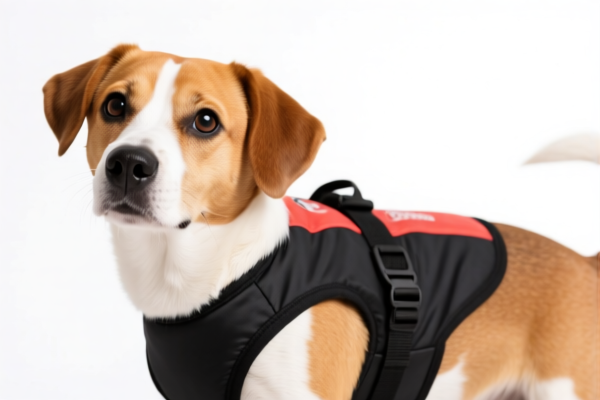
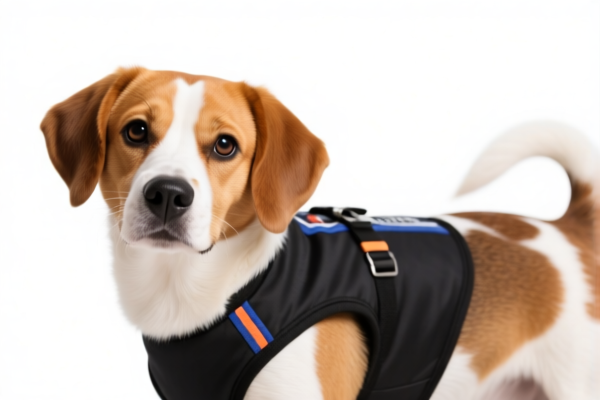
- Equipment & Harnesses (Tack): If the vest is structured like a harness, leash attachment, or protective gear (e.g., bulletproof vests, tactical vests, life jackets), it is classified under Chapter 42 (Articles of leather or of composition leather; saddlery and harness for any animal).
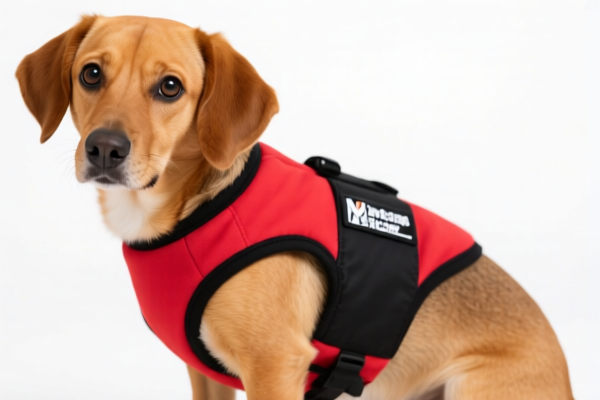
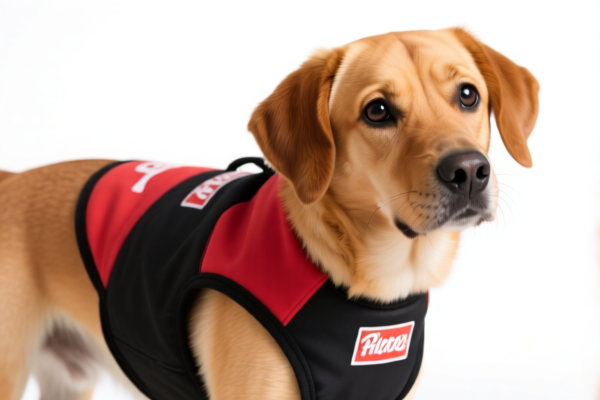
- Textile Apparel/Accessories: If the vest is primarily a soft fabric garment (knitted or crocheted, or made up from textiles) without significant structural "tack" components, it is classified under Chapter 61 (Articles of apparel and clothing accessories, knitted or crocheted) or Chapter 62 (Articles of apparel and clothing accessories, not knitted or crocheted).
⚠️ Key Distinction Point:
- If it functions as saddlery/harness (tactical, safety, carrying) → Go to 42.01
- If it functions as textile clothing/accessory (fashion, thermal, lightweight) → Go to 61.17 or 62.17
📦 II. HS Code Classification Details (2026 Latest Tariff Authority Comparison)
| HS Code | Product Description | Applicable Scenario | Material/Form |
|---|---|---|---|
4201.00.30.00 |
Saddlery and harness for any animal: Other (Dog Equipment/Clothing) | Tactical vests, protective gear, leather/synthetic harness-style vests | Any material (Leather, Nylon, PVC, etc.) |
4201.00.60.00 |
Saddlery and harness for any animal: Other (Clothing-like items in harness category) | Items classified under harnesses but shaped like clothing | Any material (Often synthetic blends) |
6117.80.95.70 |
Other made up clothing accessories, knitted/crocheted: Other (Textile Accessories) | Knitted pet vests (e.g., wool, acrylic, polyester blends) | Non-cotton/non-wool fibers (e.g., Polyester, Nylon) |
6217.10.95.50 |
Other made up clothing accessories, not knitted/crocheted: Other (Textile Accessories) | Sewn/Woven pet vests (e.g., cotton, denim, woven synthetic) | Textile fabrics (General purpose) |
6117.80.95.10 |
Other made up clothing accessories, knitted/crocheted: Other (Vests specifically) | Knitted vests (Assumed Cotton or other fiber) | Cotton or Other Fibers |
🔍 Key Reminder:
- "Tactical/Safety" vests (often heavy-duty, with D-rings, MOLLE webbing) strongly favor 4201.00 classification. - "Fashion/Thermal" vests (soft, fabric-only) strongly favor 6117.80 or 6217.10 classification. - If the material is unknown, customs often default to the "Other" (兜底) subheadings based on the most likely synthetic textile material.
💰 III. 2026 Latest Tariff Rate Details (Including Surcharges & Policy Add-ons)
✅ Applicable Country: United States (US)
✅ Country of Origin: China (CN)
✅ Effective Time: 2025 November 10 onwards (Subsequent Imports)
🎯 1. 4201.00.30.00 & 4201.00.60.00 —— Saddlery & Harness (Pet Equipment)
| Item | Content |
|---|---|
| Base Duty Rate | 2.4% - 2.8% |
| Section 301 Surcharge | +25.0% |
| Section 122 Tariff | +10.0% |
| Total Duty Rate | 37.4% - 37.8% |
| Tax Calculation | CIF Value × ~37.6% (Weighted Average) |
| De Minimis Exemption | ❌ NOT APPLICABLE |
| Legal Basis Path | Section 301 → Section 122 → HTS:4201.00.30/60 |
📌 Explanation:
- 2.4%/2.8% is the standard Most Favored Nation (MFN) base rate for saddlery/harness. - 25% Section 301 Tariff: Applied to Chinese-made goods in this category due to trade tensions. - 10% Section 122 Tariff: Additional tariff on specific categories, applying here as well. - Total ~37.6%: This is a high-cost category. Importers must account for this significant markup.
🎯 2. 6117.80.95.70, 6217.10.95.50, & 6117.80.95.10 —— Textile Clothing Accessories
| Item | Content |
|---|---|
| Base Duty Rate | 14.6% |
| Section 301 Surcharge | +7.5% |
| Section 122 Tariff | +10.0% |
| Total Duty Rate | 32.1% |
| Tax Calculation | CIF Value × 32.1% |
| De Minimis Exemption | ❌ NOT APPLICABLE |
| Legal Basis Path | Section 301 → Section 122 → HTS:6117.80.95 / 6217.10.95 |
📌 Explanation:
- 14.6% is the standard base rate for textile clothing accessories. - 7.5% Section 301 Tariff: Note that textile apparel often has a lower Section 301 surcharge compared to heavy machinery or certain plastics, but it is still substantial. - 10% Section 122 Tariff: Also applies to textile accessories. - Total 32.1%: Still a high tariff rate, but slightly lower than the "Saddlery/Harness" category.
🛠️ IV. Clearance Practical Suggestions (Battle-Proven Pitfall Avoidance Guide)
✅ 1. Required Documentation Checklist (Non-Negotiable)
| Document | Mandatory | Explanation |
|---|---|---|
| ✅ Product Specification Sheet | ✔️ | Must specify: Size, Material Composition (e.g., 100% Polyester), Type (Tactical vs. Fashion). |
| ✅ Product Photos (Clear & Detailed) | ✔️ | Front, back, and close-up of tags/materials. Show if it has D-rings, Velcro, etc. |
| ✅ Commercial Invoice | ✔️ | Description should be precise: "Dog Vest, Knitted, Polyester, for Pets" OR "Tactical Dog Vest, Nylon, with Harness Points." |
| ✅ Packing List | ✔️ | Include dimensions and weight. |
| ✅ Material Composition Proof | ✔️ | Crucial for distinguishing between 61.17 (Knitted) and 62.17 (Woven/Other). |
✅ 2. Declaration Tips (Key Mnemonic)
🔥 “Function Defines HS, Material Defines Rate, Don’t Mix Textile with Tack!”
| Scenario | Correct Declaration | Wrong Practice |
|---|---|---|
| Tactical/Safety Vest (Hard shell, D-rings, heavy-duty) | 4201.00.30.00 or 4201.00.60.00 |
Misdeclaring as "Clothing" → Risk of penalty, rate change |
| Fashion/Thermal Vest (Soft fabric, no hard structure) | 6117.80.95.70 or 6217.10.95.50 |
Misdeclaring as "Saddlery" → Higher duty (37% vs 32%) |
| Knitted vs. Woven | Specify "Knitted" (6117) or "Not Knitted" (6217) |
Ambiguous description → Customs may assign highest duty |
| Unknown Material | Declare as "Synthetic Fiber (Polyester/Nylon)" | Leaving blank → Customs may use "Other" or detain |
✅ 3. Special Circumstance Handling
| Situation | Handling Advice |
|---|---|
| Hybrid Product (Fabric vest with hard plastic insert) | Classify as Saddlery/Harness (4201) if the insert defines the function/safety aspect. |
| Sample Shipment | Even samples are subject to duty if over $800 (De Minimis exemption does not apply to these HS codes). |
| OEM Private Label | Ensure the supplier provides accurate material composition labels on the actual product. |
| Multi-Material | If >50% by weight is textile, lean towards 61/62. If structural elements dominate, lean towards 42. |
🌍 V. Global Market Clearance Comparison (2026 Latest)
| Country/Region | Recommended HS Code | Duty Rate | Certification Requirements | Notes |
|---|---|---|---|---|
| 🇺🇸 USA | 4201.00.30.00 / 6117.80.95.70 |
32.1% - 37.8% | No specific FDA/CPSC usually, but safety standards apply | High Tariff! Plan margins accordingly. |
| 🇨🇳 China | 4201.00.30.00 / 6117.80.95.70 |
~5% - 10% | None specific for export | Low entry barrier. |
| 🇪🇺 EU | 4201.00.00 / 6117.10 |
0% - 4% | CE (if safety gear), REACH (chemical safety) | Lower tariffs, but stricter chemical compliance. |
| 🇬🇧 UK | 4201.00.00 / 6117.10 |
0% - 4% | UKCA (if applicable) | Post-Brexit rules apply. |
📌 Conclusion:
- The USA has significantly higher duties due to Section 301 and 122 tariffs. - Textile vests (61/62) are slightly cheaper than Equipment vests (42), but the difference is marginal (~5.5%). - Compliance with chemical regulations (REACH/RoHS) is critical for EU/UK, but tariff cost is the primary concern for the US.
📌 VI. Common Errors & Pitfall Guide (Lessons Learned)
❌ Mistake 1: Declaring a Tactical Vest as "Dog Clothing" to get lower textile duty.
👉 Consequence: Customs re-classes to 4201, charges difference + penalties. Risk of audit.
❌ Mistake 2: Assuming "De Minimis" ($800) applies.
👉 Consequence: Shipment held at border. These HS codes do not qualify for de minimis exemption. Duty is owed on the first dollar.
❌ Mistake 3: Vague Description "Pet Vest".
👉 Consequence: Customs may assign the highest possible duty or request costly additional documentation.
❌ Mistake 4: Ignoring Material Composition.
👉 Consequence: Misclassification between Knitted (6117) and Woven (6217) can lead to delays.
✅ Correct Practice:
“Dog Vest, Knitted, 100% Polyester, for Pets, Size M, Model XYZ”
OR
“Tactical Dog Vest, Nylon, with Harness Attachment Points, for Service Animals”
🎯 VII. Conclusion: Precision in Classification Saves Money!
🎯 Remember Mnemonic:
🔹 "Tactical = 4201 (~37.6%), Fashion = 61/62 (~32.1%)"
🔹 "No De Minimis for Pets in US, Duty Applies from Day One!"
🔹 "Describe Material & Function, Avoid Customs Delays!"
📌 Pro Tip:
If your pet vest contains electronics (e.g., GPS tracker built-in), the classification may change entirely (e.g., to Chapter 85). Ensure you separate electronic components if possible, or declare accurately as "Electronic Pet Collar/Vest."
📣 Immediate Action:
📞 Contact Your Freight Forwarder + Provide Clear Photos + Verify Material Content
🚀 Calculate Landed Cost with ~35% Duty to protect your profit margin!
✨ Professional Clearance Starts with Accurate Classification!
💼 Every Percent Matters in Global Trade!
用户评价
关于 HS 编码归类
协调制度(HS)是由世界海关组织(WCO)制定的国际贸易商品分类标准。全球 200 多个国家采用 HS 系统作为海关关税、贸易统计和进出口监管的基础。
每个 HS 编码遵循以下层级结构:
- 章(2 位)——商品大类(例如:第 84 章:机器和机械设备)
- 品目(4 位)——章内的更具体分类
- 子目(6 位)——国际通用细分,所有 WCO 成员国统一使用
- 本国细分(8-10 位)——各国自行扩展的细分编码,如美国 HTSUS 10 位编码
正确的 HS 编码归类对于顺利通关、准确缴纳关税和遵守贸易法规至关重要。错误归类可能导致海关延误、多缴关税或罚款。
从CN进口到US时,适用的关税税率可能包括:
- 最惠国(MFN)税率——适用于 WTO 成员国的标准关税税率
- 普通税率——适用于无贸易协定国家
- 贸易救济关税——附加关税,如 301 条款(反倾销)、232 条款(国家安全)或反补贴税
本页内容仅供参考。如需正式归类,请咨询当地海关或持牌报关代理。