Pet Washable Pads
CN → US| HS编码 | 关税税率 | 原产国 | 目的国 | 文档 |
|---|---|---|---|---|
| 6307907500 | 14.3% | CN | US | 官方文档 |
| 6307909891 | 24.5% | CN | US | 官方文档 |
| 3924905650 | 20.9% | CN | US | 官方文档 |
| 6307909885 | 24.5% | CN | US | 官方文档 |
| 3924905610 | 20.9% | CN | US | 官方文档 |
商品图片
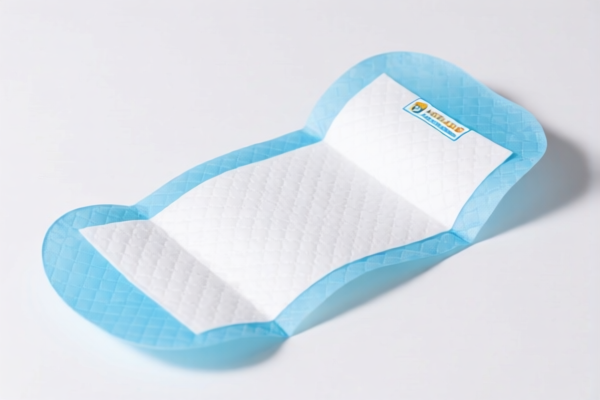
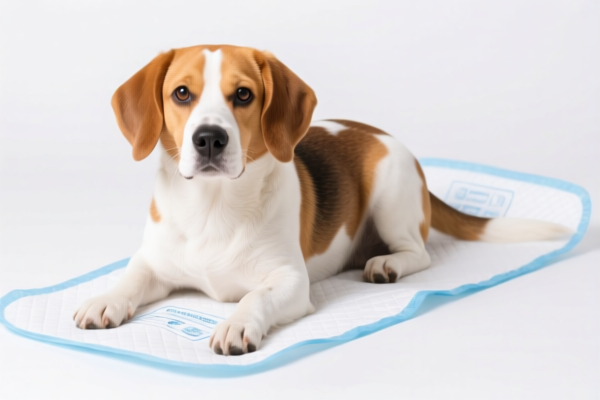
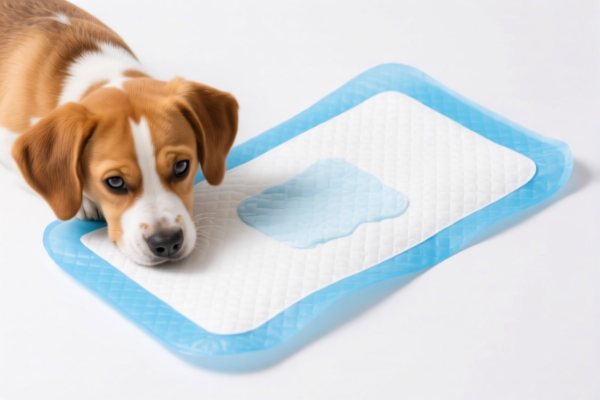
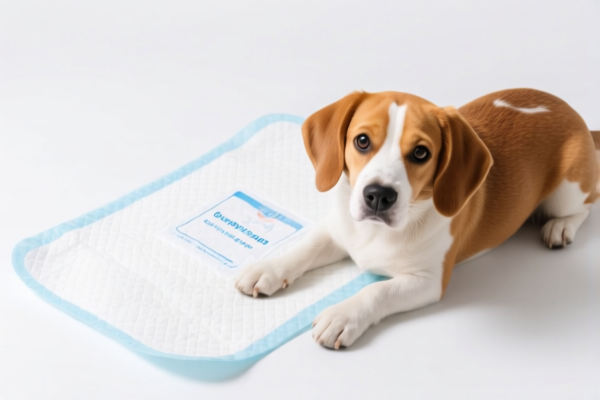
AI分析
🐾 Pet Washable Pads (Puppy Training Pads / Reusable Pet Hygiene Mats)
🌐 HS Code Reference & Customs Clearance Guide | 2024 Latest Tariff Analysis | Professional Clearance Strategy
📌 I. Product Definition & Classification: Do You Really Understand "Pet Washable Pads"?
Pet washable pads are essential hygiene products for pet owners, designed to absorb urine and feces while being reusable. In international trade, their classification depends heavily on material composition and physical structure. There is no single HS code; instead, they fall into three distinct categories based on manufacturing materials:
Textile-Based Pads (Fabric/Cotton): Made primarily from woven or non-woven fabric, often with absorbent layers. These are classified under Chapter 63 (Other Made-Up Articles). Plastic/Composite Pads: Made from plastic films, PE, or PP layers, sometimes combined with non-woven fabrics. These may fall under Chapter 39 (Plastics) if the plastic component is substantial. Specialized Sanitary Products: If the product is explicitly marketed as a "sanitary/waste management" item made of plastic composites, it may trigger different subheadings.
⚠️ Key Distinction Point:
- If the primary material is textile/fabric (even if waterproof backing exists) → Likely Chapter 63 (e.g.,6307.90).
- If the primary material is plastic (e.g., plastic sheeting with minimal fabric) → Likely Chapter 39 (e.g.,3924.90).
- Material Misclassification Risk: Declaring a fabric pad as plastic (or vice versa) can lead to significant duty differences and customs delays.
📦 II. HS Code Classification Details (Based on Provided Data)
The provided data indicates that Pet Washable Pads can be classified under five potential HS codes, depending on the specific material breakdown and customs interpretation. Here is the detailed breakdown:
| HS Code | Product Description | Matching Basis (From Data) | Total Tax Rate |
|---|---|---|---|
6307.90.75.00 |
Textile-Based Pet Pads | "Matches 'Pet Pad' usage; inferred as textile material; consistent with 'Textile Made-Up Articles for Pets'." | 14.3% |
6307.90.98.85 |
Cotton/Fiber Dog Toilet Pads | "Consumable pad form; inferred as cotton or fiber textile; matches 'Cotton/Other Made-Up Articles' in 6307.90.98.85." | 24.5% |
6307.90.98.91 |
General Made-Up Textile Article | "Consumable form; inferred textile/synthetic fiber; falls under 'Other Made-Up Articles' in 6307.90.98.91; no exclusion conflicts." | 24.5% |
3924.90.56.10 |
Plastic Pet Accessories | "Inferred plastic material; pet-related usage; matches 'Plastic Sanitary/Hygiene Products' or 'Other Plastic Articles'." | 20.9% |
3924.90.56.50 |
Plastic/Non-Woven Composite Sanitary Pads | "Hygiene/cleaning product; plastic/non-woven composite material; matches 'Plastic Sanitary Products' in 3924.90.56.50." | 20.9% |
🔍 Critical Analysis:
- The lowest tax rate (14.3%) applies to6307.90.75.00, which specifically recognizes "Pet Pads" as textile articles. This is likely the most favorable code if the product is primarily fabric.
- Codes under6307.90.98.xx(24.5%) are broader "Other Made-Up Textile Articles" and attract higher tariffs due to the "Other" classification.
- Codes under3924.90.56.xx(20.9%) apply if the product is deemed primarily plastic or plastic-composite.
💰 III. 2024 Latest Tariff Rate Details (Including Additional Duties)
✅ Applicable Country: United States (US)
✅ Origin: China (CN) (Inferred from "122 Clause" and typical trade context)
✅ 生效时间: Current as of 2024/2025
🎯 1. 6307.90.75.00 – Textile Pet Pads (Lowest Tax)
| Item | Content |
|---|---|
| Base Tariff | 4.3% |
| Section 301 Additional Tariff | 0.0% |
| Section 122 Clause Tariff | 10% |
| Total Tariff Rate | 14.3% |
| Tax Calculation | CIF Value × 14.3% |
| De Minimis Exemption | ❌ Not Eligible (Likely subject to high tariff thresholds) |
📌 Explanation:
- This is the most cost-effective classification for pet washable pads.
- The 10% "Section 122" tariff is a specific trade remedy tariff.
- No Section 301 (25%) additional tariff applies here, making it significantly cheaper than other textile categories.
🎯 2. 6307.90.98.85 & 6307.90.98.91 – General Textile Made-Up Articles
| Item | Content |
|---|---|
| Base Tariff | 7.0% |
| Section 301 Additional Tariff | 7.5% |
| Section 122 Clause Tariff | 10% |
| Total Tariff Rate | 24.5% |
| Tax Calculation | CIF Value × 24.5% |
| De Minimis Exemption | ❌ Not Eligible |
📌 Explanation:
- These codes are "catch-all" categories for textile articles not specifically named elsewhere.
- They incur an additional 7.5% tariff under Section 301, bringing the total to 24.5%.
- Avoid this classification if possible; opt for6307.90.75.00if the product is clearly a "pet pad."
🎯 3. 3924.90.56.10 & 3924.90.56.50 – Plastic/Composite Sanitary Products
| Item | Content |
|---|---|
| Base Tariff | 3.4% |
| Section 301 Additional Tariff | 7.5% |
| Section 122 Clause Tariff | 10% |
| Total Tariff Rate | 20.9% |
| Tax Calculation | CIF Value × 20.9% |
| De Minimis Exemption | ❌ Not Eligible |
📌 Explanation:
- If customs determines the pad is primarily plastic (e.g., waterproof plastic backing with minimal fabric), these codes apply.
- The base tariff is low (3.4%), but Section 301 (7.5%) and Section 122 (10%) add up to 20.9%.
- Risk: If you declare plastic but the product is mostly textile, customs may reclassify and impose higher duties or penalties.
🛠️ IV. Customs Clearance Practical Advice (Avoiding Pitfalls)
✅ 1. Documentation Checklist (Must-Have)
| Document | Required? | Notes |
|---|---|---|
| ✅ Product Specification Sheet | ✔️ | Must specify material composition (e.g., "100% Cotton Top Layer, PP Non-Woven Middle, PE Film Bottom"). |
| ✅ Material Composition Breakdown | ✔️ | Critical for distinguishing between Chapter 63 (Textile) and Chapter 39 (Plastic). |
| ✅ Product Photos | ✔️ | Show texture, layers, and any branding. |
| ✅ Commercial Invoice | ✔️ | Clearly state "Pet Washable Training Pad" and avoid vague terms like "Hygiene Mat." |
| ✅ Packing List | ✔️ | Include dimensions and weight per unit. |
✅ 2. Declaration Strategy (Key Tips)
🔥 "Material is King, Name is Queen!"
| Scenario | Recommended HS Code | Reason |
|---|---|---|
| Primarily Fabric/Cotton | 6307.90.75.00 |
Lowest duty (14.3%); specifically for pet pads. |
| Mixed Fabric/Plastic | 6307.90.75.00 or 3924.90.56.50 |
Depends on which material is "essential character." If fabric > 50%, use Chapter 63. |
| Primarily Plastic | 3924.90.56.50 |
If plastic layer is thick and dominant. |
| Vague "Pet Mat" | ❌ Avoid | High risk of misclassification and audit. |
📌 Important:
- Do not declare "Plastic Sanitary Pad" if the product is mostly cotton.
- Do not declare "Textile Pet Pad" if the product is primarily plastic film.
- Provide a detailed material breakdown in the invoice or specification sheet to support your chosen HS code.
🌍 V. Global Market Comparison (2024/2025)
| Market | Recommended HS Code | Estimated Duty | Notes |
|---|---|---|---|
| 🇺🇸 USA | 6307.90.75.00 |
14.3% | Lowest duty; best for textile pads. |
| 🇨🇳 China | 6307.90.75.00 |
~14% | Standard import duty. |
| 🇪🇺 EU | 6307.90.98 |
~6.5% | No Section 122/301 tariffs; lower rates. |
| 🇬🇧 UK | 6307.90.98 |
~6.5% | Post-Brexit tariffs align with EU for textiles. |
📌 Conclusion:
- The US market is highly sensitive to tariff clauses (Section 122 & 301).
- Choosing6307.90.75.00saves 10-10.2% compared to other classifications.
- Always verify material composition before shipping.
📌 VI. Common Errors & Pitfalls (Lessons Learned)
❌ Error 1: Declaring a fabric pad as "Plastic Sanitary Pad" (3924.90)
👉 Consequence: Customs may reject the declaration, demand reclassification, and impose penalties.
👉 Better Approach: Use 6307.90.75.00 for textile-based pads.
❌ Error 2: Using vague descriptions like "Pet Mat" without material details
👉 Consequence: Customs may assign the highest default duty rate or trigger an audit.
👉 Better Approach: Specify "100% Cotton Pet Pad" or "Polyester Non-Woven Pet Pad."
❌ Error 3: Ignoring Section 122 Tariffs
👉 Consequence: Unexpected 10% charge at customs.
👉 Better Approach: Always include Section 122 in cost calculations.
🎯 VII. Conclusion: Maximize Profit, Minimize Duty!
🎯 Remember:
🔹 "Textile Pet Pads = 14.3% Duty (
6307.90.75.00)"
🔹 "General Textile = 24.5% Duty (6307.90.98.xx)"
🔹 "Plastic/Composite = 20.9% Duty (3924.90.56.xx)"
✅ Action Plan:
1. Confirm Material: Is your pad mostly fabric or plastic?
2. Choose Correct HS Code: Opt for 6307.90.75.00 if textile-based.
3. Document Carefully: Provide detailed material breakdowns.
4. Calculate Costs: Include 14.3% (or applicable) duty in your pricing.
🚀 Clear Customs, Clear Profits!
✨ Precise Classification is the Key to Cost Savings!
用户评价
关于 HS 编码归类
协调制度(HS)是由世界海关组织(WCO)制定的国际贸易商品分类标准。全球 200 多个国家采用 HS 系统作为海关关税、贸易统计和进出口监管的基础。
每个 HS 编码遵循以下层级结构:
- 章(2 位)——商品大类(例如:第 84 章:机器和机械设备)
- 品目(4 位)——章内的更具体分类
- 子目(6 位)——国际通用细分,所有 WCO 成员国统一使用
- 本国细分(8-10 位)——各国自行扩展的细分编码,如美国 HTSUS 10 位编码
正确的 HS 编码归类对于顺利通关、准确缴纳关税和遵守贸易法规至关重要。错误归类可能导致海关延误、多缴关税或罚款。
从CN进口到US时,适用的关税税率可能包括:
- 最惠国(MFN)税率——适用于 WTO 成员国的标准关税税率
- 普通税率——适用于无贸易协定国家
- 贸易救济关税——附加关税,如 301 条款(反倾销)、232 条款(国家安全)或反补贴税
本页内容仅供参考。如需正式归类,请咨询当地海关或持牌报关代理。