Petroleum based Rapid Curing Adhesive
CN → US| HS编码 | 关税税率 | 原产国 | 目的国 | 文档 |
|---|---|---|---|---|
| 3824994900 | 41.5% | CN | US | 官方文档 |
| 3824100000 | 41.0% | CN | US | 官方文档 |
| 3901909000 | 41.5% | CN | US | 官方文档 |
| 3901905501 | 41.5% | CN | US | 官方文档 |
| 3506915000 | 37.1% | CN | US | 官方文档 |
商品图片
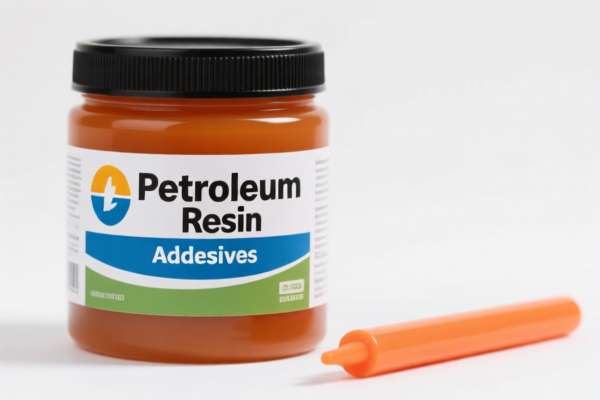

AI分析
🧪 Petroleum-Based Rapid Curing Adhesive (石油基快干粘合剂)
🌐 HS Code Reference & Customs Clearance Guide | 2026 Latest Tariff Analysis | Strategic Classification Strategy
📌 I. Product Definition & Classification: What Exactly is "Petroleum-Based Rapid Curing Adhesive"?
Petroleum-based adhesives are high-performance bonding agents derived from hydrocarbon feedstocks (crude oil derivatives). They are renowned for their rapid curing speed, strong adhesion, and versatility in industrial applications such as automotive assembly, packaging, construction, and manufacturing.
In international trade, these products are not classified under a single "one-size-fits-all" HS code. Instead, they are fragmented into specific chemical categories based on their base polymer composition and chemical nature. Misclassification can lead to significant tariff penalties (up to 41.5%) or customs delays.
⚠️ Key Distinction Point:
- If the adhesive is primarily based on polymeric substances (e.g., ethylene copolymers) → It may fall under Chapter 39 (Plastics).
- If the adhesive is a modified mix or residue not specifically listed elsewhere → It may fall under Chapter 38 (Miscellaneous Chemical Products).
- If it is a prepared adhesive based on polymers → It falls under Chapter 35 (Animal/ Vegetable/ Mineral Glues & Modified Starches) or Chapter 38 depending on the specific binder.
📦 II. HS Code Classification Details (2026 Authoritative Mapping)
Based on the provided dataset, here are the five specific HS Codes applicable to "Petroleum-Based Rapid Curing Adhesive," along with their tax breakdowns.
| HS Code | Product Summary (Source Description) | Tax Detail Breakdown | Total Tax Rate | Key Classification Logic |
|---|---|---|---|---|
| 3824.99.49.00 | Petroleum-based binder, derived from petroleum hydrocarbons | Base: 6.5% Additional: 25.0% Section 122: 10% |
41.5% | Generic petroleum hydrocarbon binders not elsewhere specified. |
| 3824.10.00.00 | Petroleum-based binder, prepared adhesive | Base: 6.0% Additional: 25.0% Section 122: 10% |
41.0% | Prepared adhesives (mixtures/modifications) derived from petroleum. |
| 3901.90.90.00 | Petroleum-based binder, Ethylene polymer | Base: 6.5% Additional: 25.0% Section 122: 10% |
41.5% | Primarily based on ethylene homopolymers (Plastics Chapter). |
| 3901.90.55.01 | Petroleum-based binder, Ethylene copolymer | Base: 6.5% Additional: 25.0% Section 122: 10% |
41.5% | Primarily based on ethylene copolymers (Plastics Chapter). |
| 3506.91.50.00 | Petroleum-based binder, Adhesive based on polymers | Base: 2.1% Additional: 25.0% Section 122: 10% |
37.1% | Prepared adhesives specifically based on polymeric substances (Glue/Adhesive Chapter). |
🔍 Critical Insight:
- Lowest Rate:3506.91.50.00at 37.1% (Base 2.1%). Suitable if the adhesive is explicitly defined as a "prepared adhesive based on polymers."
- Highest Rates:3824.99.49.00,3901.90.90.00, and3901.90.55.01at 41.5% (Base 6.5%).
- Why the Difference? The base tariff varies by chapter (Chapter 38 vs. Chapter 35 vs. Chapter 39). However, all categories suffer from the same Additional Tariff (25%) and Section 122 Tariff (10%), which are fixed penalties for Chinese-origin goods under current US trade policies.
💰 III. 2026 Latest Tariff Rate Breakdown (Including Surcharges)
✅ Applicable Country: United States (US)
✅ Origin: China (CN)
✅ Effective Date: Ongoing (Section 301 & Section 122)
🎯 1. 3824.10.00.00 — Prepared Adhesive (Petroleum-Based)
| Item | Detail |
|---|---|
| Base Tariff | 6.0% |
| Section 301 Surcharge | +25.0% |
| Section 122 Surcharge | +10.0% |
| Total Effective Rate | 41.0% |
| Calculation | CIF Value × 41.0% |
| De Minimis Exemption | ❌ Not Eligible (Denied) |
📌 Explanation:
- This code is used for mixed or modified petroleum adhesives that don't fit strictly into polymer resin categories.
- The 25% is the standard Section 301 tariff on Chinese chemical products.
- The 10% is the Section 122 tariff, often applied to critical supply chain items.
🎯 2. 3824.99.49.00 — Other Chemical Products (Petroleum Hydrocarbon Binder)
| Item | Detail |
|---|---|
| Base Tariff | 6.5% |
| Section 301 Surcharge | +25.0% |
| Section 122 Surcharge | +10.0% |
| Total Effective Rate | 41.5% |
| Calculation | CIF Value × 41.5% |
| De Minimis Exemption | ❌ Not Eligible (Denied) |
📌 Explanation:
- Used for generic petroleum hydrocarbon binders. If the specific polymer type (ethylene, etc.) is not the primary defining feature, this "catch-all" code applies.
- Slightly higher base tariff (6.5% vs 6.0%) makes it 0.5% more expensive than3824.10.00.00.
🎯 3. 3901.90.90.00 & 3901.90.55.01 — Ethylene Polymers (Plastics)
| Item | Detail |
|---|---|
| Base Tariff | 6.5% |
| Section 301 Surcharge | +25.0% |
| Section 122 Surcharge | +10.0% |
| Total Effective Rate | 41.5% |
| Calculation | CIF Value × 41.5% |
| De Minimis Exemption | ❌ Not Eligible (Denied) |
📌 Explanation:
- If the adhesive is essentially an ethylene polymer (homopolymer or copolymer) with adhesive properties, it is classified as Plastics (Chapter 39).
-3901.90.55.01is for copolymers (more specific).
-3901.90.90.00is for other homopolymers.
- Both carry the same high tax burden due to their chemical origin.
🎯 4. 3506.91.50.00 — Prepared Adhesives Based on Polymers (Lowest Tax Option)
| Item | Detail |
|---|---|
| Base Tariff | 2.1% |
| Section 301 Surcharge | +25.0% |
| Section 122 Surcharge | +10.0% |
| Total Effective Rate | 37.1% |
| Calculation | CIF Value × 37.1% |
| De Minimis Exemption | ❌ Not Eligible (Denied) |
📌 Explanation:
- This is the most cost-effective classification if your product qualifies.
- It requires the product to be a prepared adhesive where the polymeric substance is the primary binding agent.
- Strategy: If your product is a solvent-based or hot-melt adhesive primarily made from polymer resins, argue for this code to save 4.4% compared to the 41.5% codes.
🛠️ IV. Customs Clearance Practical Advice (Avoid Pitfalls)
✅ 1. Preparation Checklist (Must-Have Documents)
| Document | Required? | Purpose |
|---|---|---|
| ✅ Safety Data Sheet (SDS) | ✔️ Critical | Proves chemical composition (e.g., % of ethylene vs. other binders). |
| ✅ Certificate of Composition | ✔️ Critical | Details the exact petroleum derivatives and polymer types. |
| ✅ Product Label & Photos | ✔️ Critical | Shows "Petroleum-Based Adhesive" and usage instructions. |
| ✅ Commercial Invoice | ✔️ Mandatory | Must specify "Adhesive, Petroleum-Based, Fast-Curing" and HS Code. |
| ✅ Packing List | ✔️ Mandatory | Net/Gross weight, volume, and container details. |
| ✅ FDA Registration (if applicable) | ✔️ Conditional | Required if the adhesive is used in food packaging or medical devices. |
✅ 2. Classification Strategy (Key Tips)
🔥 "Check the Polymer, Choose the Chapter, Save the Tax!"
| Scenario | Recommended HS Code | Reason |
|---|---|---|
| Adhesive is mainly Ethylene Copolymer | 3901.90.55.01 |
Specific plastic classification. High tax but chemically accurate. |
| Adhesive is mainly Ethylene Homopolymer | 3901.90.90.00 |
Specific plastic classification. High tax but chemically accurate. |
| Adhesive is a Prepared Mix (Polymers + Solvents) | 3506.91.50.00 |
Best Rate (37.1%). Requires proof that it is a "prepared adhesive based on polymers." |
| Adhesive is Generic Petroleum Resin | 3824.10.00.00 |
Generic prepared adhesive. Slightly better than 3824.99. |
| Adhesive is Unclassified Hydrocarbon Mix | 3824.99.49.00 |
Catch-all. Highest risk of dispute if composition is unclear. |
✅ 3. Special Considerations
| Issue | Solution |
|---|---|
| "Fast-Curing" Claim | Ensure SDS lists curing agents (e.g., peroxides, catalysts). This supports "Prepared Adhesive" (3506 or 3824) rather than raw polymer. |
| Polymer vs. Resin | If the product is >50% polymer by weight, Chapter 39 is strong. If it's a mixture of resins/solvents, Chapter 35 or 38 is better. |
| Section 122 Coverage | Note that Section 122 (10%) applies to all these codes. There is no exemption. Plan for this fixed cost. |
| De Minimis (De Minimis Exclusion) | ⚠️ DO NOT try to ship via USPS/Parcel under $800. All these HS codes are explicitly excluded from de minimis. Full entry required. |
🌍 V. Global Market Comparison (2026)
| Country/Region | Recommended HS Code | Total Tariff (China Origin) | Key Certification | Note |
|---|---|---|---|---|
| 🇺🇸 USA | 3506.91.50.00 (Best) |
37.1% | FDA (if food-contact), SDS | High Section 301 + 122. |
| 🇨🇳 China | 3506.91.50.00 |
5-10% (Est.) | CCC (if applicable) | Lower base tariff. |
| 🇪🇺 EU | 3506.91.50.00 |
0-6.5% | REACH, CLP | No Section 301/122. |
| 🇨🇦 Canada | 3506.91.50.00 |
0-5% | SDS, WHMIS | Low tariffs under CUSMA. |
📌 Conclusion:
- USA is the most expensive market due to the 35% combined surcharge (25% + 10%).
- Strategy: Try to qualify for3506.91.50.00(37.1% total) instead of3901or3824(41.5% total) to save 4.4%.
📌 VI. Common Mistakes & Pitfalls (Blood Lessons)
❌ Mistake 1: Classifying all adhesives as 3506.91.50.00 to save tax.
👉 Consequence: If the product is primarily ethylene resin (not a prepared adhesive mix), Customs will reclassify to 3901.90.90.00 or 3901.90.55.01, leading to back taxes + penalties.
❌ Mistake 2: Ignoring Section 122.
👉 Consequence: Assuming only 25% tariff. The 10% Section 122 is mandatory for all these codes. Total cost is 35-41.5%.
❌ Mistake 3: Using De Minimis for small samples.
👉 Consequence: Shipment held, seized, or returned. These HS codes are not eligible for $800 de minimis exemption.
❌ Mistake 4: Vague Description "Adhesive".
👉 Consequence: Customs examiner has discretion. They may choose the highest duty code (3824.99.49.00).
✅ Correct Description:
"Petroleum-Based Rapid Curing Adhesive, Based on Ethylene Copolymer Resin, Fast-Drying, Industrial Grade, Model XYZ, SDS Available."
🎯 VII. Conclusion: Smart Classification, Lower Costs, Faster Clearance
🎯 Remember These Keys:
🔹 "Check the Polymer: Ethylene? Go Chapter 39. Prepared Mix? Go Chapter 35."
🔹 "Lowest Rate:3506.91.50.00at 37.1%. Highest:3901/3824at 41.5%."
🔹 "No De Minimis: Always file a formal entry. No shortcuts."
🔹 "SDS is King: Without it, you cannot prove your classification."
📌 Pro Tip:
If your product is a prepared adhesive (mixture of polymers, solvents, and curing agents), strongly argue for 3506.91.50.00 to save 4.4% compared to other codes. Ensure your SDS clearly states it is a "Prepared Adhesive Based on Polymers."
📣 Immediate Action:
📞 Contact a Licensed Customs Broker + Provide SDS + Apply for Advance Ruling (if possible)
🚀 Ensure your product is classified correctly to avoid 41.5% shock and clearance delays!
✨ Professional Customs Clearance Starts with Precise Classification!
💼 Your Every Penny Matters in Global Trade!
用户评价
关于 HS 编码归类
协调制度(HS)是由世界海关组织(WCO)制定的国际贸易商品分类标准。全球 200 多个国家采用 HS 系统作为海关关税、贸易统计和进出口监管的基础。
每个 HS 编码遵循以下层级结构:
- 章(2 位)——商品大类(例如:第 84 章:机器和机械设备)
- 品目(4 位)——章内的更具体分类
- 子目(6 位)——国际通用细分,所有 WCO 成员国统一使用
- 本国细分(8-10 位)——各国自行扩展的细分编码,如美国 HTSUS 10 位编码
正确的 HS 编码归类对于顺利通关、准确缴纳关税和遵守贸易法规至关重要。错误归类可能导致海关延误、多缴关税或罚款。
从CN进口到US时,适用的关税税率可能包括:
- 最惠国(MFN)税率——适用于 WTO 成员国的标准关税税率
- 普通税率——适用于无贸易协定国家
- 贸易救济关税——附加关税,如 301 条款(反倾销)、232 条款(国家安全)或反补贴税
本页内容仅供参考。如需正式归类,请咨询当地海关或持牌报关代理。