Phenolic Resin Powder for Adhesive
CN → US| HS编码 | 关税税率 | 原产国 | 目的国 | 文档 |
|---|---|---|---|---|
| 3506915000 | 37.1% | CN | US | 官方文档 |
| 3506990000 | 37.1% | CN | US | 官方文档 |
| 3909390000 | 41.5% | CN | US | 官方文档 |
| 3909400000 | 41.5% | CN | US | 官方文档 |
| 3824992900 | 41.5% | CN | US | 官方文档 |
商品图片
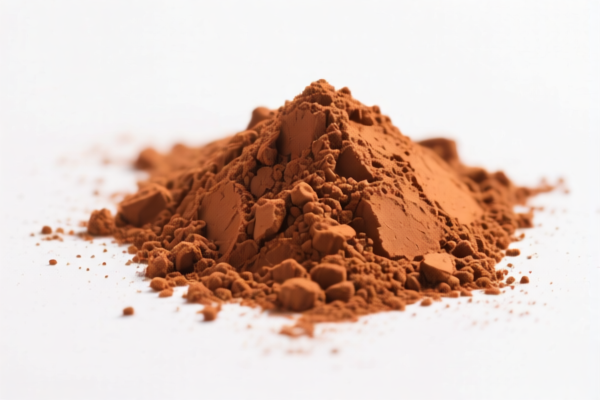
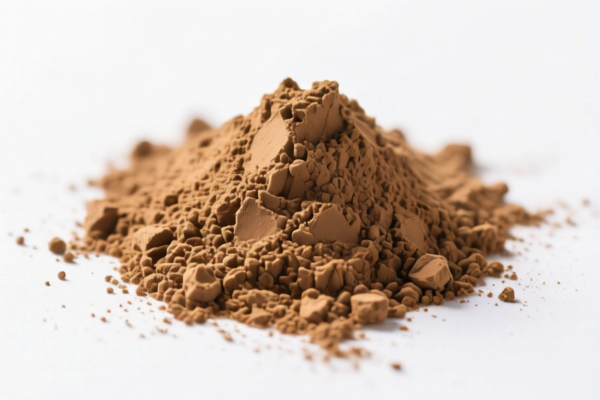
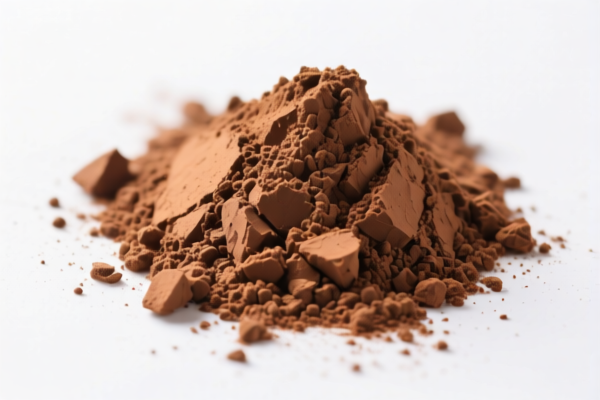
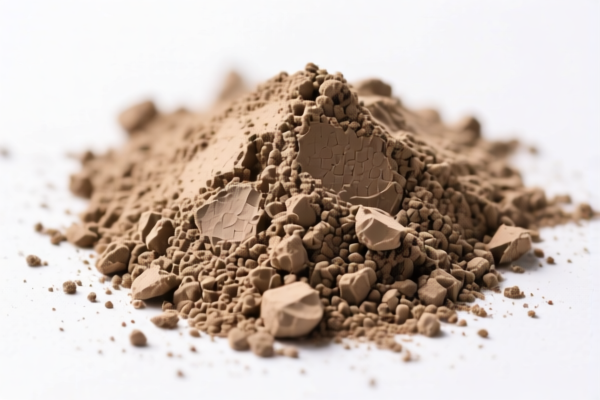
AI分析
⚗️ Phenolic Resin Powder for Adhesive (酚醛树脂粉/胶粉)
🌐 HS Code Reference & Customs Clearance Guide | 2026 Latest Tariff Analysis | Professional Clearance Strategy
📌 I. Product Definition: What Exactly is "Phenolic Resin Powder"?
Phenolic resin is a synthetic polymer derived from the reaction of phenols and aldehydes (typically formaldehyde). When referred to as "Powder for Adhesive," it implies a specific physical state and intended use. However, in international trade, classification depends heavily on two critical factors: 1. State of Material: Is it a raw resin (unmodified) or a formulated adhesive? 2. Chemical Structure & Application: Does it behave as a primary polymer (Chapter 39) or a prepared adhesive/glue (Chapter 35/38)?
There is often a dispute between classifying it under Chapter 35 (Albuminoidal substances; Glues) or Chapter 39 (Plastics and articles thereof). The destination and specific formulation dictate the HS Code.
📦 II. HS Code Classification Details (2026 Latest Tariff Alignment)
Based on the provided data, there are five potential classifications. The choice depends on whether the powder is considered a raw resin or a prepared adhesive.
| HS Code | Product Description & Logic | Tax Rate Breakdown | Total Tax |
|---|---|---|---|
| 3506.91.50.00 | Phenolic Resin Adhesive Classified as an adhesive based on polymers of headings 39.01–39.13. This is the standard classification for prepared phenolic adhesives. |
Base: 2.1% Additional: 25.0% Section 301 (122): 10% |
37.1% |
| 3506.99.00.00 | Other Prepared Adhesives Classified as a "prepared adhesive" that does not fall specifically under 3506.91. Used for phenolic resin glues that fit general adhesive definitions. |
Base: 2.1% Additional: 25.0% Section 301 (122): 10% |
37.1% |
| 3909.39.00.00 | Phenolic Resin (Primary Form) Classified as a raw resin in primary shape. Assumes the powder is the basic polymer before being formulated into an adhesive mix. |
Base: 6.5% Additional: 25.0% Section 301 (122): 10% |
41.5% |
| 3909.40.00.00 | Phenolic Resin (Intermediate) Classified as phenolic resin in primary/intermediate forms. Similar to 3909.39, focused on the resin material itself rather than the final adhesive use. |
Base: 6.5% Additional: 25.0% Section 301 (122): 10% |
41.5% |
| 3824.99.29.00 | Chemical Preparations for Molding Specifically for phenolic resin used as a binding agent in casting molds or cores (foundry applications). |
Base: 6.5% Additional: 25.0% Section 301 (122): 10% |
41.5% |
🔍 Key Distinction Logic: * Chapter 35 (3506): If the powder is marketed and used specifically as a glue/adhesive (often mixed with water or activators for bonding wood, metal, etc.). Lower Base Rate (2.1%). * Chapter 39 (3909): If the powder is the raw chemical resin sold for further processing by manufacturers who will make their own adhesives. Higher Base Rate (6.5%). * Chapter 38 (3824): If the specific end-use is foundry/casting molds (sand binding agents). Specific Use Category.
💰 III. 2026 Latest Tariff Rate Detailed Explanation (US Imports from China)
✅ Applicable Country: United States (US)
✅ Origin: China (CN)
✅ Effective Date: 2025/2026 Tariff Schedule
✅ Total Impact: High Tariff Environment (41.5% - 47.1%)
🎯 1. Category A: Classified as Adhesive (HS 3506.91 / 3506.99)
Used when the product is sold as a "Prepared Adhesive"
| Item | Content |
|---|---|
| Base MFN Rate | 2.1% (Ad valorem) |
| USITC Section 301 | +25% (List 3/4 adjustments) |
| IEEPA (122 Provision) | +10% (Specific punitive tariff on Chinese goods) |
| Total Effective Rate | 37.1% |
| De Minimis Eligibility | ❌ NO (Value > $800 or restricted commodities often excluded; check specific ruling) |
| Legal Path | HTSUS:3506.91.50.00 → USITC:301-Footnote → IEEPA:122 |
📌 Explanation:
The "Adhesive" classification enjoys a lower base rate (2.1%) compared to raw resin. However, the 25% Section 301 and 10% IEEPA tariffs add up significantly. This is the most common classification for consumer or industrial glue products.
🎯 2. Category B: Classified as Raw Resin (HS 3909.39 / 3909.40)
Used when the product is sold as "Raw Material" or "Unprepared Polymer"
| Item | Content |
|---|---|
| Base MFN Rate | 6.5% (Ad valorem) |
| USITC Section 301 | +25% (List 3/4 adjustments) |
| IEEPA (122 Provision) | +10% (Specific punitive tariff on Chinese goods) |
| Total Effective Rate | 41.5% |
| De Minimis Eligibility | ❌ NO |
| Legal Path | HTSUS:3909.39.00.00 → USITC:301-Footnote → IEEPA:122 |
📌 Explanation:
Raw phenolic resins have a higher base duty (6.5%). Even though it’s a "chemical," the U.S. protects its domestic chemical manufacturing base with higher base tariffs. The total tax is higher (41.5%) than the adhesive classification.
🎯 3. Category C: Foundry/Casting Use (HS 3824.99.29.00)
Used specifically for Mold/Core Binding Agents
| Item | Content |
|---|---|
| Base MFN Rate | 6.5% (Ad valorem) |
| USITC Section 301 | +25% |
| IEEPA (122 Provision) | +10% |
| Total Effective Rate | 41.5% |
| Special Note | Requires proof of use in casting/foundry industries. |
🛠️ IV. Customs Clearance Practical Advice (Avoid Pitfalls)
✅ 1. Documentation Checklist (Critical for Classification)
| Document | Required? | Purpose |
|---|---|---|
| Product Specification Sheet | ✔️ | Must explicitly state: "Is this a raw resin or a prepared adhesive?" List ingredients. |
| Technical Data Sheet (TDS) | ✔️ | Shows viscosity, curing time, and intended application (Bonding vs. Casting). |
| Formula/Composition | ✔️ | Crucial for distinguishing between Ch 35 (Adhesive) and Ch 39 (Resin). If it contains fillers, solvents, or activators, it leans towards Ch 35. |
| Photos of Packaging & Label | ✔️ | Label should clearly state "Phenolic Adhesive" or "Phenolic Resin Powder." Mislabeling causes delays. |
| Commercial Invoice | ✔️ | Must match HS Code description. Do not just write "Resin"; write "Phenolic Resin Adhesive Powder." |
| Certificate of Origin (CO) | ✔️ | Required for proving Chinese origin (triggers 301/122 tariffs). |
✅ 2. Declaration Strategy (Key Formulas)
🔥 "Adhesive = Lower Base Duty; Resin = Higher Base Duty. Use it right!"
| Scenario | Correct Declaration | Reason |
|---|---|---|
| Sold as Glue Powder (for wood/metal bonding) | 3506.91.50.00 |
It is a "prepared adhesive" based on resin. Best base rate (2.1%). |
| Sold as Raw Material (for further processing) | 3909.39.00.00 |
It is a primary polymer. Higher base rate (6.5%). |
| Sold for Sand Casting Molds | 3824.99.29.00 |
Specific use in foundries requires this specialized code. |
⚠️ Warning:
- If you declare3909.39.00.00(Raw Resin) but your invoice says "Adhesive," customs will reclassify you to3506.91.50.00. While the base rate is lower, the total tax is similar (37.1% vs 41.5%), but you risk penalties for misdeclaration.
- If you declare3506.91.50.00but it’s actually raw resin, you may be accused of tariff evasion if the difference were significant (though here the raw resin is more expensive, so this risk is lower, but accuracy is key).
✅ 3. Special Case Handling
| Situation | Handling Suggestion |
|---|---|
| Mixed Shipment (Resin + Adhesive) | Declare Separately. Do not combine. Different HS codes = different duties. |
| Private Label (OEM) | Provide a letter from the buyer confirming the product is for "Adhesive Application" to support 3506 classification. |
| Foundry Application | Provide a Statement of Use from the end-user confirming it is used for molding/coring, not general bonding. |
🌍 V. Global Market Comparison (2026)
| Region | Recommended HS Code | Estimated Total Duty (China Origin) | Notes |
|---|---|---|---|
| 🇺🇸 USA | 3506.91.50.00 (Adhesive) |
37.1% | High Section 301 + IEEPA tariffs. |
| 🇺🇸 USA | 3909.39.00.00 (Resin) |
41.5% | Higher base duty. |
| 🇨🇳 China | 3506.91.50.00 |
5% - 10% | Import duties for raw materials may be lower or zero depending on specific trade agreements. |
| 🇪🇺 EU | 3506.91 / 3909.39 |
Varies (0-6.5%) | No 25% Section 301 equivalent, but VAT applies (19-27%). |
| 🇯🇵 Japan | 3506.91 / 3909.39 |
0-3.9% | Generally favorable tariffs for chemical intermediates. |
📌 Conclusion:
The US market is the most expensive due to the 25% Section 301 and 10% IEEPA tariffs. The total duty burden is 37.1% to 41.5%. This must be factored into pricing.
📌 VI. Common Errors & Pitfalls (Blood Lessons)
❌ Error 1: Declaring "Phenolic Resin" (HS 3909) when the product is clearly marketed as "Adhesive Powder."
👉 Consequence: Customs may accept it but charge higher base duty (41.5%), or if challenged, issue a rejection notice for inconsistent description.
✅ Fix: If it is an adhesive, use 3506.91.50.00.
❌ Error 2: Using "Resin" on the invoice but declaring "Adhesive" to get lower duty.
👉 Consequence: While 3506 has lower base duty, the Section 301 and IEEPA apply regardless. The risk is misdeclaration fraud.
✅ Fix: Be accurate. The total duty difference (37.1% vs 41.5%) is small compared to the risk of penalties.
❌ Error 3: Ignoring the 122 Provision (10% IEEPA).
👉 Consequence: Underestimating costs by 10%.
✅ Fix: Always add 37.1% (Adhesive) or 41.5% (Resin) as the minimum effective rate.
🎯 VII. Conclusion: Professional Declaration Saves Money!
🎯 Remember the Golden Rule:
🔹 "Adhesive = 3506.91.50.00 (37.1% Total)"
🔹 "Raw Resin = 3909.39.00.00 (41.5% Total)"
🔹 "Foundry Use = 3824.99.29.00 (41.5% Total)"
📌 Tip:
If you are importing into the US, prepare for a 37-42% duty burden.
For non-US markets (EU, Asia), duties are significantly lower (0-6.5% + VAT). Consider transshipment or supplier diversification if US market costs are prohibitive.
📣 Immediate Action:
📞 Consult your customs broker with the Technical Data Sheet (TDS).
📝 Label accurately: "Phenolic Resin Adhesive" or "Phenolic Resin Powder."
🚀 Plan for 37-42% duty in your cost structure for US imports.
✨ Professional Customs Clearance Starts with Accurate Classification!
💼 Every Percent Counts in Global Trade!
用户评价
关于 HS 编码归类
协调制度(HS)是由世界海关组织(WCO)制定的国际贸易商品分类标准。全球 200 多个国家采用 HS 系统作为海关关税、贸易统计和进出口监管的基础。
每个 HS 编码遵循以下层级结构:
- 章(2 位)——商品大类(例如:第 84 章:机器和机械设备)
- 品目(4 位)——章内的更具体分类
- 子目(6 位)——国际通用细分,所有 WCO 成员国统一使用
- 本国细分(8-10 位)——各国自行扩展的细分编码,如美国 HTSUS 10 位编码
正确的 HS 编码归类对于顺利通关、准确缴纳关税和遵守贸易法规至关重要。错误归类可能导致海关延误、多缴关税或罚款。
从CN进口到US时,适用的关税税率可能包括:
- 最惠国(MFN)税率——适用于 WTO 成员国的标准关税税率
- 普通税率——适用于无贸易协定国家
- 贸易救济关税——附加关税,如 301 条款(反倾销)、232 条款(国家安全)或反补贴税
本页内容仅供参考。如需正式归类,请咨询当地海关或持牌报关代理。