Photosensitive Emulsion Dispersant
CN → US| HS编码 | 关税税率 | 原产国 | 目的国 | 文档 |
|---|---|---|---|---|
| 3707100090 | 38.0% | CN | US | 官方文档 |
| 3707903210 | 35.0% | CN | US | 官方文档 |
商品图片
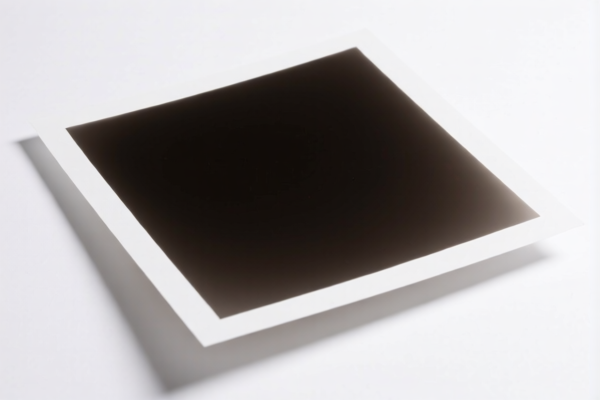
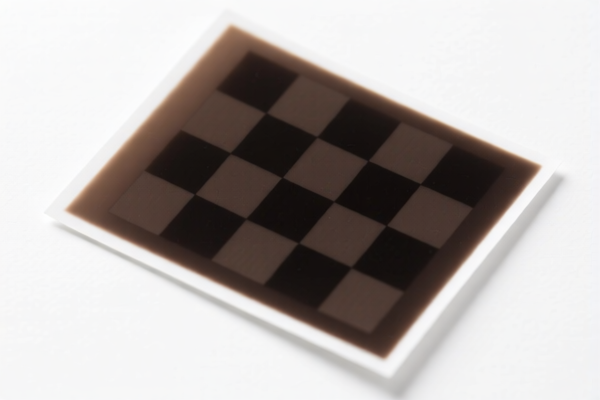
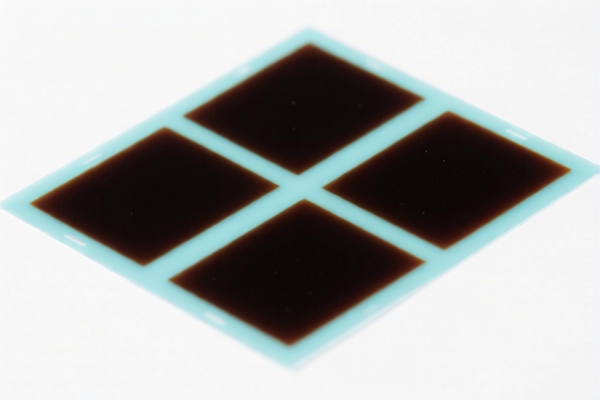
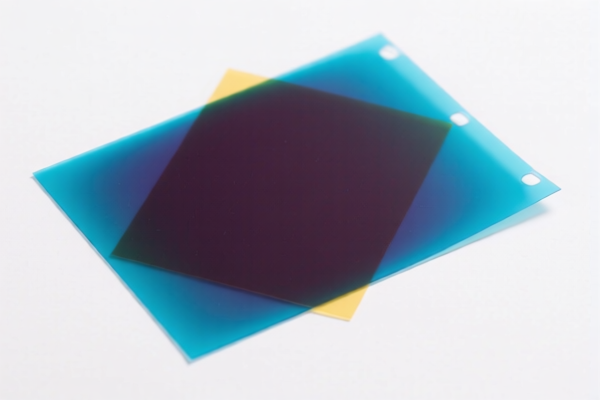
AI分析
🎞️ Photosensitive Emulsion Dispersant (Photographic Chemical Preparations)
🌐 HS Code Reference & Clearance Guide | 2026 Latest Tariff Analysis | Professional Customs Strategy
📌 I. Product Definition & Classification: Do You Really Understand "Photosensitive Emulsions"?
In the world of professional photography, film production, and industrial imaging, photosensitive emulsions are the heart of the process. They are complex chemical suspensions where light-sensitive silver halide crystals are dispersed in a gelatin or polymer binder.
Internationally, these are strictly categorized under Chapter 37: Photographs, Cinema Films, Stationery. The key distinction lies in whether the emulsion is "Sensitized" (Ready to use) or "Unsensitized" (Raw material for further processing).
⚠️ Critical Distinction:
- Sensitized Emulsions: The silver halide crystals have been chemically treated to become light-sensitive. These are "ready for use" in manufacturing photographic paper or film. → HS Code 3707.10.00.90
- Unsensitized Emulsions: The raw mixture of silver halides and binder that has not yet been sensitized. These are intermediates used to make the final product. → HS Code 3707.90.32.10 (Specifically for Color Negative Paper context)
📦 II. HS Code Classification Details (2026 Latest Tariff Authority)
| HS Code | Product Description | Application Scenario | Sensitivity Status |
|---|---|---|---|
3707.10.00.90 |
Sensitizing Emulsions (Other photographic preparations) | Ready-to-use emulsions for photographic paper/film manufacturing. Light-sensitive. | ✅ Sensitized |
3707.90.32.10 |
Unsensitized Emulsions (For Color Negative Photographic Paper) | Raw chemical mixtures, not yet light-sensitive. Used as ingredients to produce sensitized emulsions. | ❌ Unsensitized |
🔍 Key Reminder:
- Sensitized emulsions are considered "finished photographic preparations" for retail/measured portion use.
- Unsensitized emulsions are treated as "chemical preparations for photographic uses" but in a raw/unmixed state for industrial synthesis.
- Misclassification leads to massive tariff differences (0% vs. 25%+).
💰 III. 2026 Latest Tariff Rate Details (Detailed Breakdown)
✅ Applicable Country: United States (US)
✅ Origin: China (CN)
✅ Effective Date: Post-2025 Trade Policy Adjustments
🎯 1. 3707.10.00.90 —— Sensitizing Emulsions (Sensitized)
| Item | Content |
|---|---|
| Base Tariff Rate | 0.0% (Ad Valorem) |
| Additional Tariff (Section 301 / IEEPA) | 0.0% |
| Total Tax Rate | 0.0% |
| Tax Calculation | CIF Value × 0% = $0 |
| De Minimis Eligibility | ❌ No (Generally, chemical preparations are not eligible for low-value de minimis exemptions if classified strictly) |
| Legal Basis Path | USITC:3707.10.00.90 → Footnote: None for additional tax |
📌 Explanation:
- Sensitizing emulsions are classified under subheading 3707.10.
- According to the provided data, no additional tariffs (such as Section 301 or IEEPA) are applied to this specific HS code.
- This is a zero-tariff entry, making it highly competitive for US importers.
🎯 2. 3707.90.32.10 —— Unsensitized Emulsions (For Color Negative Paper)
| Item | Content |
|---|---|
| Base Tariff Rate | 0.0% |
| Additional Tariff (Section 301 / IEEPA) | +25.0% |
| Total Tax Rate | 25.0% |
| Tax Calculation | CIF Value × 25% |
| De Minimis Eligibility | ❌ No |
| Legal Basis Path | USITC:3707.90.32.10 → Footnote: 25% Additional Tariff (China) |
📌 Explanation:
- Unsensitized emulsions fall under 3707.90 (Other chemical preparations).
- Specifically,3707.90.32.10targets unsensitized emulsions for color negative photographic paper.
- This item is subject to a 25% additional tariff, likely due to Section 301 trade measures on Chinese chemical products.
- Crucial Note: If your product is unsensitized but intended for black-and-white paper, it might fall under a different sub-subheading with different rates, but for color negative, it is 25%.
🛠️ IV. Customs Clearance Practical Advice (Real-World Pitfall Guide)
✅ 1. Documentation Checklist (Non-Negotiable)
| Document | Required | Description |
|---|---|---|
| ✅ Product Specification Sheet | ✔️ | Must clearly state: Sensitization Status (Sensitized vs. Unsensitized), Chemical Composition, Silver Halide Type, Binder Type. |
| ✅ Certificate of Analysis (COA) | ✔️ | Proves the emulsion is either light-sensitive (sensitized) or stable/insensitive (unsensitized). |
| ✅ Safety Data Sheet (SDS) | ✔️ | Required for chemical shipments. Highlight flammability and toxicity. |
| ✅ Commercial Invoice | ✔️ | Must explicitly describe the product as "Photosensitive Emulsion" or "Unsensitized Emulsion". Avoid vague terms like "Chemical Mix". |
| ✅ Packing List | ✔️ | Detail net/gross weight, container numbers. |
| ✅ FDA/Registration (If Applicable) | ✔️ | While primarily for medical, some industrial photographic chemicals may require FDA notification if used in food-contact adjacent processes (rare but check). |
✅ 2. Declaration Tips (Key Mantras)
🔥 "Sensitized is Zero, Unsensitized is Twenty-Five! Describe State, Not Just Name!"
| Scenario | Correct HS Code | Risk of Misclassification |
|---|---|---|
| Light-Sensitive Emulsion (Ready for coating) | 3707.10.00.90 |
If declared as "Unsensitized" to avoid tax → Fraud/Seizure. If declared as "Dye" → 25% Penalty + Back Taxes. |
| Unsensitized Raw Material (For Color Negative Paper) | 3707.90.32.10 |
If declared as "Sensitized" → Underpayment of Tax (0% vs 25%). Customs will audit and charge 25% + Interest. |
| Unsensitized Raw Material (For B&W Paper) | Check Other 3707.90 Subheads | May have different rates. Do not use 3707.90.32.10 if not for Color Negative Paper. |
📌 Important:
- The term "Dispersant" in the user query might be misleading. If the product is a pure dispersant (a surfactant/additive), it might fall under Chapter 38 (Miscellaneous Chemical Products).
- However, if the product is a Photosensitive Emulsion (which contains the dispersant as part of the emulsion matrix), it remains under Chapter 37.
- Action: Provide a clear chemical breakdown. If it's just a dispersant additive, do not use 3707.10.90. Use 3824 or similar. But based on the provided data, we assume it's the emulsion itself.
✅ 3. Special Cases & Handling
| Scenario | Handling Advice |
|---|---|
| Mixtures | If the emulsion contains other active photographic chemicals, it still falls under 3707.10 if it's a "sensitizing preparation". |
| Raw Silver Halide Powder | Not an emulsion. Falls under Chapter 28 (Inorganic Chemicals). Different tax rules apply. |
| Digital Imaging Chemicals | If used for non-photographic chemical imaging (e.g., semiconductor manufacturing), it may fall under Chapter 38. |
| Small Samples | Even small quantities of sensitized emulsions must be declared correctly. De Minimis (Section 321) usually excludes chemicals if they pose a safety risk or are restricted. |
🌍 V. Global Market Comparison (2026)
| Country/Region | Recommended HS Code | Tariff (China Origin) | Notes |
|---|---|---|---|
| 🇺🇸 USA | 3707.10.00.90 |
0% | Best for Sensitized. 3707.90.32.10: 25% |
| 🇪🇺 EU | 3707.10 |
0% | Generally low tariffs for photographic chemicals. |
| 🇨🇳 China | 3707.10 |
0% | Import duty is 0%. VAT 13% applies. |
| 🇬🇧 UK | 3707.10 |
0% | Post-Brexit, rates mirror EU for many chemical goods. |
| 🇯🇵 Japan | 3707.10 |
0% | Free trade agreements may apply for certain goods. |
📌 Conclusion:
- The US is the only market with a significant 25% tariff on unsensitized emulsions for color negative paper.
- Sensitized emulsions are tariff-free in the US, EU, and China.
- Strategy: If possible, ensure the product is Sensitized (final form) to benefit from 0% duty in the US. If it is an Unsensitized Raw Material, budget for the 25% additional tariff.
📌 VI. Common Errors & Pitfalls (Lessons Learned)
❌ Error 1: Declaring "Sensitized Emulsion" as "Unsensitized" to avoid tax.
👉 Consequence: Customs lab testing will prove light sensitivity. 25% Back Tax + Penalties + Legal Action.
❌ Error 2: Declaring "Unsensitized Emulsion" as "Sensitized" to look like a finished good.
👉 Consequence: Underpayment. Customs audits will find the discrepancy. 25% Additional Tax Due.
❌ Error 3: Using vague terms like "Photographic Chemicals" without specifying Sensitization State.
👉 Consequence: Customs will apply the highest possible duty or hold the shipment for clarification. Delays + Storage Fees.
✅ Correct Practice:
"Sensitized Photosensitive Emulsion for Photographic Paper, Silver Halide in Gelatin Binder, Light-Sensitive, Not for Retail Sale"
🎯 VII. Conclusion: Precision Classification Saves Money!
🎯 Remember the Mantra:
🔹 "Sensitized = 0% Duty (US) | Unsensitized = 25% Duty (US)"
🔹 "State the Sensitization! It defines the Tax!"
📌 Pro Tip:
If your product is a Dispersant (a chemical additive) and not an Emulsion (the silver halide suspension), it may fall under HS Code 3824.99 (Miscellaneous Chemical Products). This might have different tariff implications (possibly 0% or low duty).
Action: Verify the chemical composition. If it's pure dispersant, do NOT use 3707.10.90. Use the correct Chapter 38 code. But if it's the emulsion itself, stick to 3707.10.90.
📣 Immediate Action:
📞 Contact your freight forwarder with the COA (Certificate of Analysis) showing Sensitization Status.
🚀 Apply for an Advance Ruling from US Customs if the shipment value is high to lock in the 0% rate for Sensitized Emulsions.
✨ Professional Customs Clearance Starts with Accurate Classification!
💼 Your Cost Savings Depend on These 25% Digits!
用户评价
关于 HS 编码归类
协调制度(HS)是由世界海关组织(WCO)制定的国际贸易商品分类标准。全球 200 多个国家采用 HS 系统作为海关关税、贸易统计和进出口监管的基础。
每个 HS 编码遵循以下层级结构:
- 章(2 位)——商品大类(例如:第 84 章:机器和机械设备)
- 品目(4 位)——章内的更具体分类
- 子目(6 位)——国际通用细分,所有 WCO 成员国统一使用
- 本国细分(8-10 位)——各国自行扩展的细分编码,如美国 HTSUS 10 位编码
正确的 HS 编码归类对于顺利通关、准确缴纳关税和遵守贸易法规至关重要。错误归类可能导致海关延误、多缴关税或罚款。
从CN进口到US时,适用的关税税率可能包括:
- 最惠国(MFN)税率——适用于 WTO 成员国的标准关税税率
- 普通税率——适用于无贸易协定国家
- 贸易救济关税——附加关税,如 301 条款(反倾销)、232 条款(国家安全)或反补贴税
本页内容仅供参考。如需正式归类,请咨询当地海关或持牌报关代理。