Pickled sheepskins (without wool) for leather goods
CN → US| HS编码 | 关税税率 | 原产国 | 目的国 | 文档 |
|---|---|---|---|---|
| 4112003060 | 12.0% | CN | US | 官方文档 |
| 4112003030 | 12.0% | CN | US | 官方文档 |
| 4105101000 | 12.0% | CN | US | 官方文档 |
| 4102210095 | 17.5% | CN | US | 官方文档 |
| 4105109000 | 12.0% | CN | US | 官方文档 |
| 4102210065 | 17.5% | CN | US | 官方文档 |
商品图片
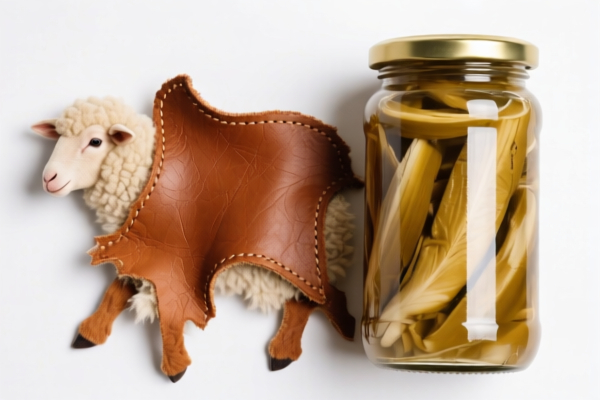
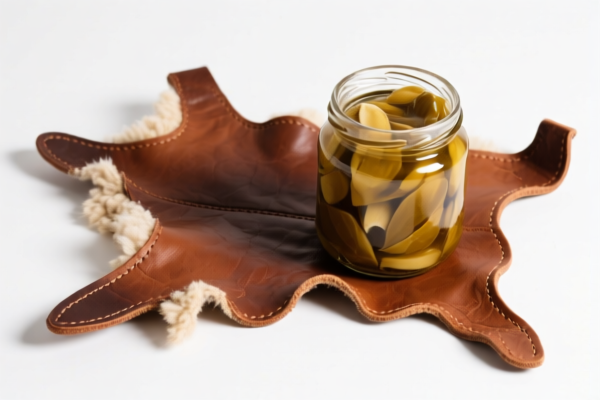
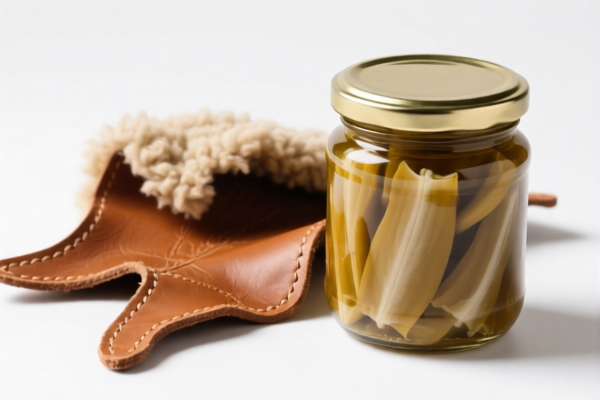
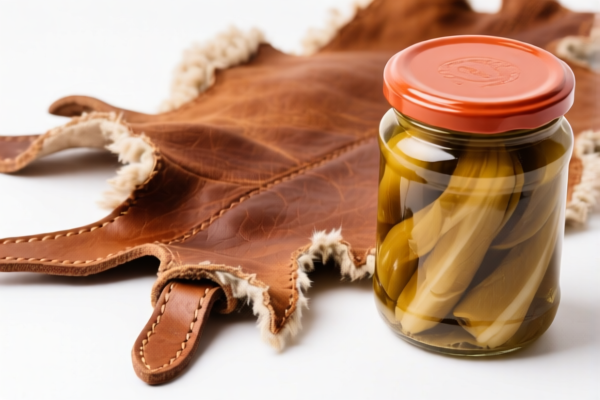
AI分析
🐑 Pickled Sheepskins (Without Wool) for Leather Goods
🌐 HS Code Reference & Customs Clearance Guide | 2026 Latest Tariff Analysis | Professional Clearance Strategy
📌 Part I: Product Definition and Classification: Do You Really Understand "Pickled Sheepskins"?
Pickled Sheepskins (Without Wool) refer to sheepskins that have undergone a preservation process (pickling) to prepare them for tanning or industrial use, with the wool/hair removed. In international trade, they are classified based on their material state, processing method, and intended use.
The key distinction lies in whether the skin is:
1. Raw/Preserved for Tanning: Intended for further leather manufacturing (Tanning/Chrome Tanning).
2. Raw/Preserved for Industrial Use: Used in non-decorative, non-apparel applications (e.g., industrial wipes, certain chemical processes).
⚠️ Critical Distinction Point:
- If the skin is prepared for tanning and retains its natural sheepskin structure → Classify under Chapters 41 (Hides and Skins).
- If it is pickled (acid-treated) to preserve it before tanning → It is still considered a "prepared skin" under Chapter 41, not "food" (Chapter 2).
- Wool Removal is a critical factor: Skins without wool fall under specific subheadings distinct from wool-covered hides.
📦 Part II: HS Code Classification Details (2026 Latest Tariff Authority Comparison)
Based on the provided data, here are the valid HS Codes for Pickled Sheepskins (Without Wool) and their corresponding tax implications.
| HS Code | Product Description | Use Case / Characteristic | Total Tax Rate | Tax Breakdown |
|---|---|---|---|---|
4112.00.30.60 |
Pickled Sheepskins (Without Wool) for Industrial Use | Non-decorative, non-apparel industrial applications | 12.0% | Base: 2.0% Add-on: 0.0% Section 122: 10% |
4112.00.30.30 |
Pickled Sheepskins (Without Wool) for Tanning Processing | Meets sheepskin characteristics for leather goods | 12.0% | Base: 2.0% Add-on: 0.0% Section 122: 10% |
4105.10.10.00 |
Pickled Sheepskins (Without Wool) - Tanned/Part-Tanned | Classified as tanned/part-tanned leather material | 12.0% | Base: 2.0% Add-on: 0.0% Section 122: 10% |
4105.10.90.00 |
Pickled Sheepskins (Without Wool) | Meets material and processing state requirements | 12.0% | Base: 2.0% Add-on: 0.0% Section 122: 10% |
4102.21.00.95 |
Pickled Sheepskins (Without Wool) for Industrial Use | Meets Sheepskin characteristics | 17.5% | Base: 0.0% Add-on: 7.5% Section 122: 10% |
4102.21.00.65 |
Pickled Sheepskins (Without Wool) | Fully meets target code-defined sheepskin characteristics | 17.5% | Base: 0.0% Add-on: 7.5% Section 122: 10% |
🔍 Key Note:
- Codes4102.21.xxxxgenerally carry a higher total tax rate (17.5%) due to a 7.5% Add-on Tariff (likely retaliatory or Section 301-related).
- Codes4105.xxxxand4112.00.30.xxxxcarry a lower total tax rate (12.0%) with only a 2.0% Base Tariff.
- Section 122 Tariff (10%) applies to all listed codes. This is a significant fixed addition.
💰 Part III: 2026 Latest Tariff Rate Details (Including Surcharges)
✅ Applicable Country: United States (US)
✅ Origin: China (CN) (Inferred from Section 122 and 122条款 tariff context)
✅ Effective Time: Current 2026 Tariff Structure
🎯 1. Low-Tax Categories (12.0% Total)
Applicable HS Codes: 4112.00.30.60, 4112.00.30.30, 4105.10.10.00, 4105.10.90.00
| Item | Detail |
|---|---|
| Base Tariff | 2.0% (Ad Valorem) |
| Add-on Tariff (Section 301/Retaliatory) | 0.0% |
| Section 122 Tariff | 10.0% |
| Total Tax Rate | 12.0% |
| Tax Calculation | CIF Value × 12.0% |
| Legal Basis Path | USITC:4112.00.30.60 → FOOTNOTE:122 (10%)USITC:4105.10.10.00 → FOOTNOTE:122 (10%) |
📌 Explanation:
- These codes are classified under Chapter 41 (Tanned Fur Skins and Prepared Leather), which often enjoys lower base rates than raw hides.
- Section 122 Tariff is a specific surcharge applied to certain goods from specific origins. It is non-negotiable unless exempted.
- No additional Section 301 tariff is applied in these specific subheadings, making them cost-effective.
🎯 2. High-Tax Categories (17.5% Total)
Applicable HS Codes: 4102.21.00.95, 4102.21.00.65
| Item | Detail |
|---|---|
| Base Tariff | 0.0% |
| Add-on Tariff (Section 301/Retaliatory) | 7.5% |
| Section 122 Tariff | 10.0% |
| Total Tax Rate | 17.5% |
| Tax Calculation | CIF Value × 17.5% |
| Legal Basis Path | USITC:4102.21.00.95 → FOOTNOTE:301 (7.5%) → FOOTNOTE:122 (10%) |
📌 Explanation:
- Codes4102.21refer to Raw Hides and Skins (Other than Furskins) of Sheep or Lambs.
- The 7.5% Add-on Tariff is likely due to Section 301 duties on Chinese-origin raw agricultural/animal products.
- Higher Risk: Misclassifying tanned/processed skins as raw hides (4102) can lead to this higher tax burden.
🛠️ Part IV: Customs Clearance Practical Advice (Pitfall Avoidance Guide)
✅ 1. Required Documentation Checklist (None of the following can be missing)
| Document | Must Provide? | Explanation |
|---|---|---|
| ✅ Product Specification Sheet | ✔️ | Must state: "Pickled," "Wool Removed," "Sheepskin," "Intended Use" |
| ✅ Processing Certificate | ✔️ | Proof of pickling process (acid treatment) and wool removal |
| ✅ Product Photos (Front/Back/Inside) | ✔️ | Show no wool, uniform surface, pickling residue (if any) |
| ✅ Commercial Invoice | ✔️ | Clearly describe as "Pickled Sheepskins (No Wool)" not just "Sheepskin" |
| ✅ Packing List | ✔️ | Net/Gross weight, number of hides |
| ✅ Certificate of Origin (CO) | ✔️ | Essential for determining applicability of Section 122/301 tariffs |
✅ 2. Declaration Tips (Key Mantra)
🔥 "Process Defines Code, Use Defines Duty! Don't Mix Raw and Tanned!"
| Scenario | Correct Declaration | Wrong Approach |
|---|---|---|
| Pickled for Tanning | 4105.10.10.00 or 4105.10.90.00 |
Declare as 4102.21.00.xxxx → +5.5% extra tax! |
| Industrial Use (Non-Wool) | 4112.00.30.60 |
Declare as 4112.00.30.30 → Same tax, but may trigger inspection |
| Sheepskin with Wool | Do not use these codes | Must use Furskin codes (Chapter 43 or 4101/4102 with wool) → Different tax structure |
| Tanned Sheepskin (Finished Leather) | Different Code Entirely | Pickled ≠ Tanned. Tanned leather is 4106.21.xxxx etc. |
✅ 3. Special Handling for Section 122 Tariff
| Issue | Action |
|---|---|
| What is Section 122? | A 10% surcharge applied to certain goods from specific countries. It is mandatory. |
| Can I avoid it? | No, unless the country of origin is exempt or the HS code is excluded. |
| Impact on Cost | Adds 10% to the CIF value. Example: $10,000 CIF → $1,000 extra tax. |
| Documentation Proof | Ensure your COO (Certificate of Origin) is accepted by US Customs to confirm origin. |
🌍 Part V: Global Market Comparison (2026 Latest)
| Country/Region | Recommended HS Code | Estimated Total Tax (China Origin) | Key Requirement | Note |
|---|---|---|---|---|
| 🇺🇸 USA | 4105.10.10.00 or 4112.00.30.60 |
12.0% (Base 2% + S122 10%) | COO, Pickling Proof | Avoid 4102.21 to save 5.5% |
| 🇨🇳 China | 4105.10.10.00 |
~5-10% (Import Duty) | Standard Import Docs | Lower base tariffs, no Section 122 |
| 🇪🇺 EU | 4105 10 00 |
12.8% (Standard Duty) | REACH Compliance | No Section 122 equivalent, but high environmental standards |
| 🇬🇧 UK | 4105 10 00 |
12.8% (Standard Duty) | UKCA Mark (if leather goods) | Post-Brexit tariffs mirror EU closely |
| 🇦🇺 Australia | 4105 10 00 |
5.0% (Standard Duty) | Biosecurity Clearance | No Section 122. Strict biosecurity for animal products |
📌 Conclusion:
- USA is the most complex market due to Section 122 and potential Section 301 tariffs.
- Correct HS Code Selection is crucial:4105or4112(12%) is significantly cheaper than4102(17.5%).
- Biosecurity is a universal concern: Ensure no wool remains to avoid contamination issues.
📌 Part VI: Common Errors & Pitfall Guide (Lessons Learned)
❌ Mistake 1: Declaring Pickled Sheepskins as Raw Hides (4102.21.00.95)
👉 Consequence: Tax increases from 12% to 17.5% (5.5% penalty).
👉 Fix: Provide proof of pickling process to justify 4105 or 4112.
❌ Mistake 2: Declaring Wool-Removed Skins as Furskins
👉 Consequence: Wrong chapter (43 vs 41), leading to 100% penalty or shipment rejection.
👉 Fix: Clearly state "Wool Removed" in description.
❌ Mistake 3: Ignoring Section 122 Tariff
👉 Consequence: Underpayment by 10%, leading to back taxes + interest.
👉 Fix: Always calculate 10% S122 into your landed cost.
❌ Mistake 4: Misidentifying Pickled vs Tanned
👉 Consequence: Pickled skins are not yet "leather." If declared as tanned leather, customs may demand reclassification.
👉 Fix: Use "Pickled" in description, not "Tanned Leather."
✅ Correct Declaration Example:
"Pickled Sheepskins, Without Wool, For Tanning Process, Net Weight: 100kg, HS Code: 4105.10.10.00"
🎯 Part VII: Conclusion: Professional Declaration, Cost Saving, Efficient Clearance!
🎯 Remember the Mantra:
🔹 "Pickled ≠ Tanned, Wool-Removed ≠ Fur!"
🔹 "Choose 4105/4112 to save 5.5% vs 4102!"
🔹 "Section 122 is 10%, Plan for It!"
📌 Pro Tip:
If your sheepskins are pickled and then partially tanned, ensure the process is documented. If fully tanned, consider Chapter 41 Tanned Leather codes which may have different duties.
Always apply for a Pre-Ruling (Advance Ruling) if the volume is high, to lock in the HS Code and tariff rate.
📣 Immediate Action:
📞 Contact your customs broker + Provide Product Photos + Confirm Origin Certificate
🚀 Let your pickled sheepskins clear smoothly, reduce costs, and maximize profit!
✨ Professional Clearance Starts with Accurate Classification!
💼 Every Dollar in Tax Matters!
用户评价
关于 HS 编码归类
协调制度(HS)是由世界海关组织(WCO)制定的国际贸易商品分类标准。全球 200 多个国家采用 HS 系统作为海关关税、贸易统计和进出口监管的基础。
每个 HS 编码遵循以下层级结构:
- 章(2 位)——商品大类(例如:第 84 章:机器和机械设备)
- 品目(4 位)——章内的更具体分类
- 子目(6 位)——国际通用细分,所有 WCO 成员国统一使用
- 本国细分(8-10 位)——各国自行扩展的细分编码,如美国 HTSUS 10 位编码
正确的 HS 编码归类对于顺利通关、准确缴纳关税和遵守贸易法规至关重要。错误归类可能导致海关延误、多缴关税或罚款。
从CN进口到US时,适用的关税税率可能包括:
- 最惠国(MFN)税率——适用于 WTO 成员国的标准关税税率
- 普通税率——适用于无贸易协定国家
- 贸易救济关税——附加关税,如 301 条款(反倾销)、232 条款(国家安全)或反补贴税
本页内容仅供参考。如需正式归类,请咨询当地海关或持牌报关代理。