Pine Cone
CN → US| HS编码 | 关税税率 | 原产国 | 目的国 | 文档 |
|---|---|---|---|---|
| 1404909090 | 35.0% | CN | US | 官方文档 |
| 1404909020 | 35.0% | CN | US | 官方文档 |
商品图片
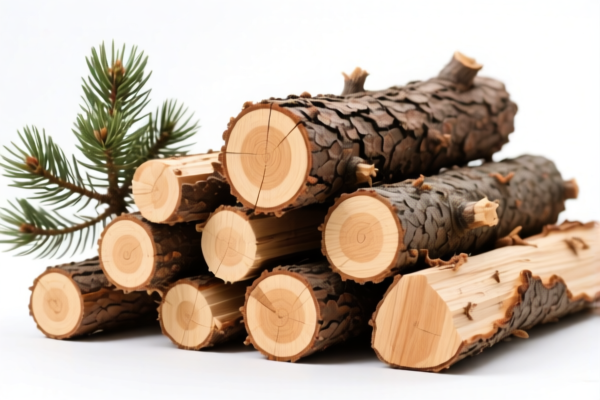
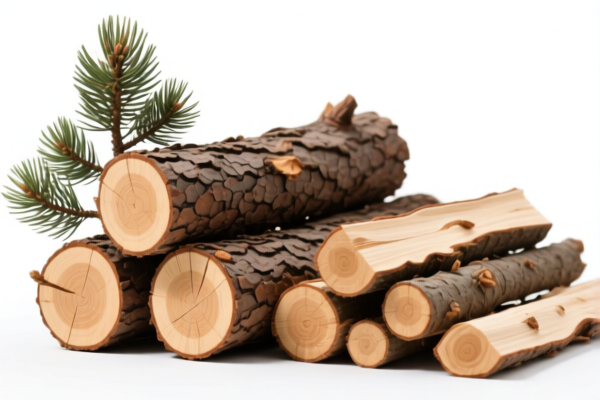
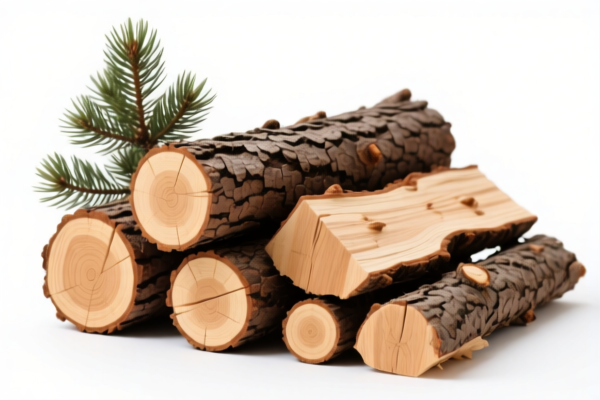
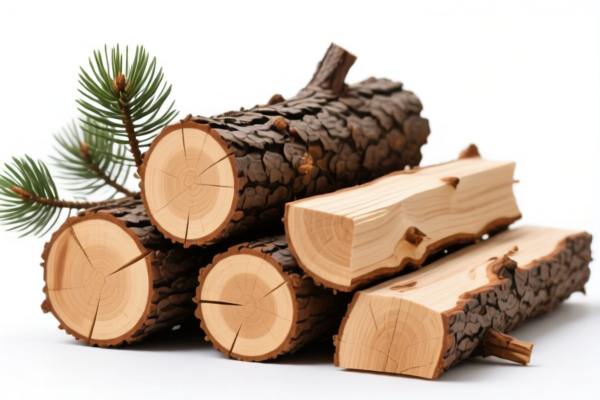
AI分析
🌲 Pine Cone (Botanical & Commercial Products)
🌐 HS Code Reference & Customs Clearance Guide | 2026 Latest Tariff Analysis | Professional Clearance Strategy
📌 I. Product Definition and Classification: What is a "Pine Cone"?
In international trade, the term "Pine Cone" is ambiguous and can refer to two vastly different types of goods, leading to different HS codes and tax liabilities.
1. Botanical/Decorative Pine Cones: Natural, dried pine cones used for floral arrangements, crafts, decorations, or educational purposes. 2. Industrial Dyeing/Tanning Materials: Pine cone extracts, bark, or materials derived from pine trees (often mixed with other vegetable materials) used primarily in the tanning of leather or dyeing of fabrics.
⚠️ Key Distinction Point:
- If the product is purely decorative, ornamental, or botanical (not processed for tanning/dyeing) → It falls under "Other" general vegetable products.
- If the product is specifically identified as a tanning/dyeing material (e.g., extracts, specific tree parts listed in the tariff) → It falls under "Raw vegetable materials of a kind used primarily in dyeing or tanning".
📦 II. HS Code Classification Details (2026 Latest Tariff Authority Comparison)
Based on the provided data, there are only two applicable HS Codes for "Vegetable products not elsewhere specified or included" (Chapter 14). Note that "Pine Cone" is not explicitly listed as a standalone commodity in the provided text, so we must infer based on primary use and description.
| HS Code | Product Description | Primary Use | Tax Rate (US/CN) |
|---|---|---|---|
1404.90.90.20 |
Other Raw vegetable materials of a kind used primarily in dyeing or tanning: Canaigre, chestnut, curupay, divi-divi, eucalyptus, gall nuts, hemlock, larch, mangrove, myrobalan, oak, quebracho, sumac, tara, urunday, valonia, wattle and other materials... | Industrial: Leather tanning, dyeing fabrics | 0.0% |
1404.90.90.90.90 |
Vegetable products not elsewhere specified or included: Other | General/Decorative: Ornamental, culinary, or miscellaneous botanical items | 25.0% |
🔍 Critical Analysis for Pine Cones:
- Scenario A (Decorative): If you are importing natural pine cones for Christmas decorations, floral arrangements, or crafts, they are not primarily used for tanning or dyeing. Therefore, they fall under "Other" (1404.90.90.90.90).
- Scenario B (Industrial Extract): If you are importing pine cone extracts or specific pine materials explicitly for tanning leather (though less common for cones vs. bark), and the importer can prove the primary use is tanning, it might be argued under 1404.90.90.20. However, pine cones are rarely the primary tanning agent compared to oak or quebracho.
- Most Likely Classification: For standard "Pine Cones" (ornamental), the correct code is1404.90.90.90.90.
💰 III. 2026 Latest Tariff Rate Details (Including Additional Taxes)
✅ Applicable Country: United States (US)
✅ Origin: China (CN)
✅ Effective Date: 2025/2026 Tariff Regime
🎯 1. 1404.90.90.90.90 —— Vegetable Products (Other) – Most Likely for Ornamental Pine Cones
| Item | Content |
|---|---|
| Base Tariff Rate | 0.0% (Ad Valorem) |
| Additional Tariff (Section 301) | +25.0% |
| Total Tax Rate | 25.0% |
| Tax Calculation | CIF Value × 25% |
| De Minimis Exemption | ❌ No (Section 301 goods generally do not qualify for de minimis under certain conditions, but even if eligible, the tax is levied) |
| Legal Basis | USITC Subheading 1404.90.90.90 + Section 301 Footnote |
📌 Explanation:
- Pine cones for decorative use are considered "Other" vegetable products.
- They are subject to the 25% additional tariff under Section 301 of the Trade Act of 1974 for goods from China.
- This is a high-cost category for importers.
🎯 2. 1404.90.90.20 —— Raw Vegetable Materials for Dyeing/Tanning – Unlikely for Standard Pine Cones
| Item | Content |
|---|---|
| Base Tariff Rate | 0.0% |
| Additional Tariff | 0.0% |
| Total Tax Rate | 0.0% |
| Tax Calculation | CIF Value × 0% |
| De Minimis Exemption | N/A (Tax is 0%) |
| Legal Basis | USITC Subheading 1404.90.90.20 |
📌 Explanation:
- This code is reserved for materials like oak, sumac, quebracho, etc., used primarily in tanning.
- Unless your pine cones are part of a specific industrial tanning blend and you have proof of this primary industrial use, this code is risky and may be rejected by customs if the product is clearly ornamental.
🛠️ IV. Customs Clearance Practical Advice (Battle-Tested Pitfall Guide)
✅ 1. Required Documents Checklist (Non-Negotiable)
| Document | Must Provide? | Explanation |
|---|---|---|
| ✅ Commercial Invoice | ✔️ | Must clearly state "Pine Cones for Decorative Use" or "Botanical Materials". Avoid vague terms like "Natural Products". |
| ✅ Packing List | ✔️ | Detail the weight, volume, and packaging type. |
| ✅ Product Photos | ✔️ | Show the pine cones clearly (natural, dried, intact). |
| ✅ Usage Declaration | ✔️ | Explicitly state: "Used for home decoration, floral arrangements, and crafts. NOT for tanning or dyeing." |
| ✅ Certificate of Origin | ✔️ | To prove origin (China) for accurate tariff application. |
✅ 2. Declaration Tips (Key Mnemonics)
🔥 "Decorative is 25%, Tanning is 0%, But Prove It!"
| Situation | Correct Declaration | Wrong Practice |
|---|---|---|
| Ornamental Pine Cones | HS: 1404.90.90.90.90Description: "Dried Pine Cones for Decoration" |
Claiming HS: 1404.90.90.20 without proof → Audit Risk |
| Pine Cone Extracts (Tanning) | HS: 1404.90.90.20Description: "Vegetable Tanning Material" |
Declaring as "Decorative" → Under-declaration Risk |
| Mixed Baskets (Decor + Dyeing) | Split the shipment | Lump all into one code → Customs Seizure |
✅ 3. Special Circumstances Handling
| Situation | Handling Advice |
|---|---|
| Imported for Gifting/Samples | Still subject to tariffs if over de minimis threshold ($800). Ensure correct HS code. |
| Processed Pine Cones (e.g., Glued, Painted) | May fall under Chapter 95 (Toys/Decorations) or 39 (Plastics). Check Chapter 95 first! If glued, it’s no longer a "natural vegetable product." |
| Pine Cones with Insects/Soil | Phytosanitary Certificate Required. Failing this will result in destruction or re-export. |
🌍 V. Global Market Clearance Comparison (2026 Latest)
| Country/Region | Recommended HS Code | Tariff (CN Origin) | Certification Requirements | Notes |
|---|---|---|---|---|
| 🇺🇸 United States | 1404.90.90.90.90 |
25.0% | None specific (USDA if soil present) | High tariff due to Section 301 |
| 🇨🇳 China | 1404.90.90.90.90 |
0% | None | No additional tariffs |
| 🇪🇺 European Union | 1404.90.90 |
0% | Phytosanitary Certificate | Strict on soil/pests |
| 🇬🇧 United Kingdom | 1404.90.90 |
0% | Phytosanitary Certificate | Post-Brexit rules apply |
📌 Conclusion:
- US Importers face a 25% tariff on decorative pine cones from China.
- Alternative Strategy: Source pine cones from Vietnam, Thailand, or Mexico to avoid the 25% Section 301 tariff (check for local trade agreements).
📌 VI. Common Mistakes & Pitfall Guide (Lessons Learned)
❌ Mistake 1: Declaring "Pine Cones" as "Wood Products" (Chapter 44)
👉 Consequence: Misclassification → Penalties + Back Taxes. Pine cones are vegetable products (Chapter 14), not timber.
❌ Mistake 2: Claiming "Tanning Use" for Decorative Cones to Avoid 25% Tax
👉 Consequence: Customs Audit → Seizure because evidence of tanning use is lacking.
❌ Mistake 3: Ignoring Phytosanitary Requirements
👉 Consequence: Destroyed at port if soil or live insects are detected.
❌ Mistake 4: Using Vague Descriptions like "Natural Items"
👉 Consequence: Customs assigns highest duty rate or delays clearance for further inquiry.
✅ Correct Approach:
"Dried Pine Cones, Natural, Untreated, for Home Decoration, HS Code 1404.90.90.90.90, No Soil, No Pests"
🎯 VII. Conclusion: Professional Declaration, Time-Saving, Cost-Efficiency!
🎯 Remember Mnemonics:
🔹 "Decorative Pine Cones = 1404.90.90.90.90 → 25% Tax"
🔹 "Tanning Materials = 1404.90.90.20 → 0% Tax (But Prove It!)"
🔹 "No Soil, No Bugs, No Problems!"
📌 Pro Tip:
If you are importing large quantities of decorative pine cones, consider:
1. Sourcing from Non-China Countries (e.g., Vietnam) to save 25%.
2. Applying for an Advance Ruling from CBP to confirm the HS code.
3. Ensuring Phytosanitary Certificates are issued by the origin country’s agricultural department.
📣 Immediate Action:
📞 Contact a licensed customs broker.
📸 Provide clear photos of the product.
📄 Verify the primary use (Decor vs. Industrial) before declaring.
✨ Professional Clearance Starts with Accurate Classification!
💼 Your Profit Margin Depends on Correct Tariff Codes!
用户评价
关于 HS 编码归类
协调制度(HS)是由世界海关组织(WCO)制定的国际贸易商品分类标准。全球 200 多个国家采用 HS 系统作为海关关税、贸易统计和进出口监管的基础。
每个 HS 编码遵循以下层级结构:
- 章(2 位)——商品大类(例如:第 84 章:机器和机械设备)
- 品目(4 位)——章内的更具体分类
- 子目(6 位)——国际通用细分,所有 WCO 成员国统一使用
- 本国细分(8-10 位)——各国自行扩展的细分编码,如美国 HTSUS 10 位编码
正确的 HS 编码归类对于顺利通关、准确缴纳关税和遵守贸易法规至关重要。错误归类可能导致海关延误、多缴关税或罚款。
从CN进口到US时,适用的关税税率可能包括:
- 最惠国(MFN)税率——适用于 WTO 成员国的标准关税税率
- 普通税率——适用于无贸易协定国家
- 贸易救济关税——附加关税,如 301 条款(反倾销)、232 条款(国家安全)或反补贴税
本页内容仅供参考。如需正式归类,请咨询当地海关或持牌报关代理。