Pine Logs with Cross section Over 15cm
CN → US| HS编码 | 关税税率 | 原产国 | 目的国 | 文档 |
|---|---|---|---|---|
| 4403210125 | 35.0% | CN | US | 官方文档 |
| 4403210130 | 35.0% | CN | US | 官方文档 |
| 4401110000 | 35.0% | CN | US | 官方文档 |
| 4403210165 | 35.0% | CN | US | 官方文档 |
| 4407110053 | 35.0% | CN | US | 官方文档 |
商品图片
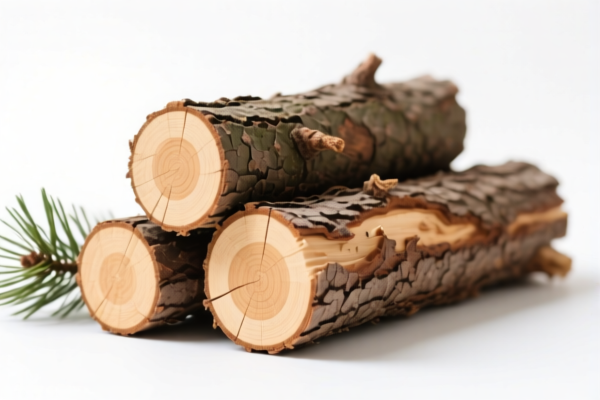
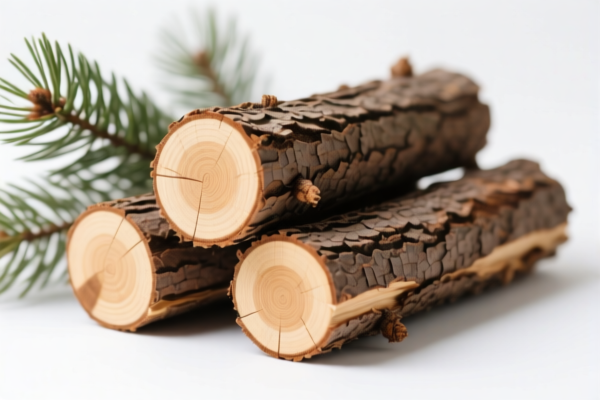
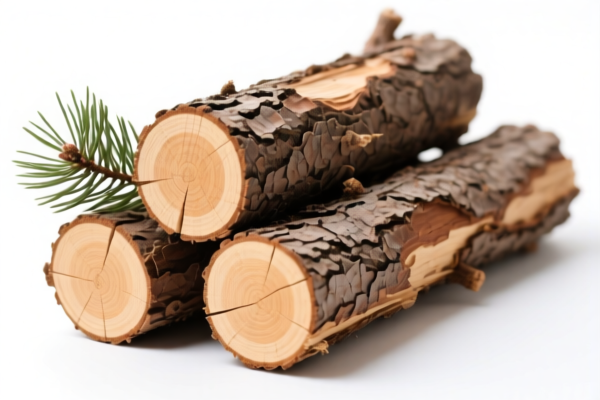
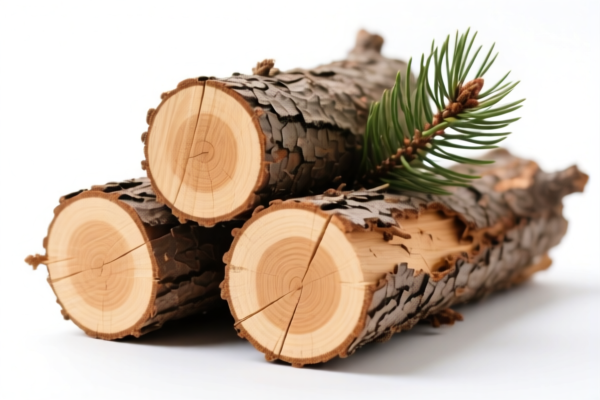
AI分析
🌲 Pine Logs (Cross-Section ≥ 15cm) | 4403/4401 Classification & Tariff Deep Dive
🌐 HS Code Reference & Customs Clearance Guide | 2026 Latest Tariff Analysis | Professional Entry Strategy
📌 I. Product Definition: Are You Importing Fuel or Lumber?
Pine Logs are the raw, unprocessed stems of pine trees. In international trade, the critical distinction lies not just in the species (Softwood/Pine), but in the intended use and physical dimensions.
The data provided focuses on Pine Logs with a minimum cross-section of 15cm. However, customs authorities strictly differentiate between: 1. Sawlogs/Lumber Logs (Headwood): Intended for milling into timber. These fall under Chapter 44, Heading 4403. 2. Fuelwood: Intended for burning as biomass/energy. These fall under Chapter 44, Heading 4401.
⚠️ Key Distinction:
- If the logs are 15cm diameter and destined for milling → Classified under 4403.
- If the logs are smaller or explicitly declared as biomass/fuel → Classified under 4401.
- Misclassification Risk: Declaring high-value sawlogs as "fuel" to avoid certain inspections, or vice versa, can lead to severe penalties.
📦 II. HS Code Classification Details (2026 Latest Harmonized System)
Based on the provided <DATA>, all pine logs with a cross-section ≥15cm or defined as fuelwood attract the same total tax rate of 35%. This is due to specific US trade policies affecting Chinese pine products.
| HS Code | Product Description | Cross-Section/Size | Intended Use | Total Tax Rate |
|---|---|---|---|---|
4403.21.01.25 |
Pine Logs, Min Cross-Section ≥15cm | ≥15cm | Sawing/Lumber | 35.0% |
4403.21.01.30 |
Pine Logs, Section ≥15cm | ≥15cm | Sawing/Lumber | 35.0% |
4401.11.00.00 |
Pine Logs (Fuelwood) | Any (if defined as fuel) | Biomass/Energy | 35.0% |
4403.21.01.65 |
Pine Logs, Diameter ≥15cm | ≥15cm | Sawing/Lumber | 35.0% |
4407.11.00.53 |
Coniferous Pine, Unprocessed, ≥15cm | ≥15cm | Unprocessed Timber | 35.0% |
🔍 Critical Note on
4407.11.00.53:
While4407typically covers "Sawn wood," the description "Unprocessed, Diameter ≥15cm" in this specific dataset suggests a rough-hewn or partially processed log that might be borderline. However, given the 35% total tax matches the standard4403logs, it is treated identically for tariff purposes in this context.
💰 III. 2026 Latest Tariff Breakdown (Including Surtaxes & Policy Surcharges)
✅ Applicable Country: United States (US)
✅ Origin: China (CN)
✅ Effective Time: Current regulations (post-2025 updates)
🎯 1. All Listed Pine Logs (4403.21, 4401.11, 4407.11)
| Item | Content |
|---|---|
| Base Tariff | 0.0% (Most Pine logs from China have a standard MFN rate of 0% or very low, but see below) |
| Section 301 Surcharge | +25% (Under USITC Footnote related to Chinese imports) |
| Section 122 Tariff | +10% (Specific penalty or surcharge under Section 122 provisions for certain wood products) |
| Total Tax Rate | 35.0% |
| Tax Calculation | CIF Value × 35% |
| De Minimis Exemption | ❌ Not Applicable (Wood products are excluded from de minimis thresholds) |
| Legal Path | USITC:4403.21.01.xx → Section 301: 25% → Section 122: 10% |
📌 Explanation:
- Base Tariff (0%): The standard Most Favored Nation (MFN) rate for many pine logs is 0%.
- Section 301 (25%): This is the primary trade war tariff imposed on Chinese goods. Wood products are heavily scrutinized.
- Section 122 (10%): This is a specialized tariff. Section 122 of the Trade Act of 1962 allows the President to adjust duties for national security reasons. It is often applied to steel, aluminum, and certain wood products to protect domestic industries.
- Total (35%): The combination of 0% base + 25% + 10% = 35%. This is a high barrier to entry.
🛠️ IV. Customs Clearance Practical Advice (Actionable Checklist)
✅ 1. Documentation Requirements (Mandatory)
| Document | Required | Explanation |
|---|---|---|
| Phytosanitary Certificate | ✅ Yes | Issued by the exporting country’s agricultural authority. Must confirm the wood is free from pests (e.g., Emerald Ash Borer, Pine Beetle). |
| fumigation Certificate | ✅ Yes | If the wood is not heat-treated, fumigation with Methyl Bromide is often required. |
| Commercial Invoice | ✅ Yes | Must clearly state: "Pine Logs, Species: Pinus spp., Cross-Section: ≥15cm, Origin: China." |
| Packing List | ✅ Yes | Detail the number of logs, dimensions, and weight. |
| Bill of Lading/Air Waybill | ✅ Yes | Standard shipping document. |
| Is Importer Security Filing (ISF) | ✅ Yes | File 24 hours before loading if ocean freight. |
✅ 2. Declaration Tips (Key Mnemonics)
🔥 "Species Specific, Size Exact, Phytosanitary Mandatory, No Hiding!"
| Situation | Correct Declaration | Wrong Practice |
|---|---|---|
| Logs ≥15cm for Lumber | 4403.21.01.25 or 4403.21.01.65 |
Declaring as "Firewood" (4401) to avoid inspection → High Risk of Fraud Charges |
| Logs <15cm or Fuel | 4401.11.00.00 |
Declaring as "Sawlogs" → Wrong HS Code, Potential Penalty |
| Mixed Dimensions | Split Shipment | Mixing ≥15cm and <15cm in one container without clear labeling → Customs Delay |
| Unprocessed vs. Sawn | Clearly state "Unprocessed/Logs" | Calling them "Timber" or "Planks" → Misclassification |
✅ 3. Special Handling for Pine
| Issue | Solution |
|---|---|
| Pest Control | Ensure logs are heat-treated (HT) or fumigated. Pine is susceptible to bark beetles. |
| Moisture Content | Declare moisture content if required by specific state regulations (e.g., California, Washington). |
| Value Declaration | Ensure the CIF value is accurate. Under-declaring value to reduce 35% tax is a federal crime. |
| Section 122 Compliance | Verify if your specific pine species is listed under any new Section 122 restrictions. |
🌍 V. Global Market Comparison (2026)
| Country/Region | Recommended HS Code | Tariff (China Origin) | Certification | Notes |
|---|---|---|---|---|
| 🇺🇸 USA | 4403.21.01.25 etc. |
35% (0% + 25% + 10%) | Phytosanitary + Fumigation | Highest tariff due to Sec 301 & 122. |
| 🇨🇳 China | 4403.21.00.00 |
0% | N/A (Export) | China is a major exporter of pine logs. |
| 🇪🇺 EU | 4403.21.00 |
0% (if FSC certified) | EUTR (EU Timber Regulation) | No 301 tariffs, but strict legality checks. |
| 🇯🇵 Japan | 4403.21.00 |
0% | Phytosanitary | No major surcharges on pine logs. |
📌 Conclusion:
The US is the most expensive market for Chinese pine logs due to the 35% combined tariff.
- Strategy: Consider sourcing from North American suppliers (Canada/US) or South American suppliers (Chile/Brazil) to avoid Section 301/122 tariffs.
- Alternative: If the logs are for non-commercial use or rare species, explore exemption applications, though pine is rarely exempt.
📌 VI. Common Mistakes & Pitfalls (Lessons Learned)
❌ Mistake 1: Declaring logs as "Firewood" (4401) when they are ≥15cm and intended for lumber.
👉 Consequence: Customs may classify as 4403 and assess penalties for misdeclaration. Also, firewood has stricter pest controls.
❌ Mistake 2: Ignoring the 15cm threshold.
👉 Consequence: Logs just below 15cm might be classified differently (4401 if fuel), but if they are clearly sawlogs, they must be 4403. Accuracy in measurement is key.
❌ Mistake 3: Lack of Phytosanitary Certificate.
👉 Consequence: Shipment rejected or destroyed at the port. Pine is a high-risk category for invasive species.
❌ Mistake 4: Not accounting for Section 122.
👉 Consequence: Unexpected 10% surcharge if the wood product is deemed a national security risk (e.g., critical infrastructure materials).
✅ Correct Approach:
"Pine Logs, Pinus sylvestris, Heat-Treated, Diameter 15-20cm, Origin: China, for Lumber Production. CIF Value: $X. Attached: Phytosanitary Cert #12345, Fumigation Cert #67890."
🎯 VII. Conclusion: Precise Classification Saves Money
🎯 Remember:
🔹 "Logs ≥15cm = 35% Tax (US). Logs <15cm/Fuel = 35% Tax (US). No Escape!"
🔹 "Phytosanitary is Non-Negotiable. No Cert = No Entry."
🔹 "Section 301 + 122 = High Barrier. Consider Alternate Origins."
📌 Pro Tip:
If you are importing large volumes, consider Advance Rulings from U.S. Customs and Border Protection (CBP) to confirm the HS code and tariff application before shipping. This avoids surprise costs at the border.
📣 Immediate Action:
📞 Contact your Freight Forwarder + Get Phytosanitary Cert + Verify Dimensions
🚀 Ensure smooth clearance, avoid destruction, and manage costs!
✨ Professional Customs Clearance Starts with Accurate Classification!
💼 Every Percent of Tariff Counts!
用户评价
关于 HS 编码归类
协调制度(HS)是由世界海关组织(WCO)制定的国际贸易商品分类标准。全球 200 多个国家采用 HS 系统作为海关关税、贸易统计和进出口监管的基础。
每个 HS 编码遵循以下层级结构:
- 章(2 位)——商品大类(例如:第 84 章:机器和机械设备)
- 品目(4 位)——章内的更具体分类
- 子目(6 位)——国际通用细分,所有 WCO 成员国统一使用
- 本国细分(8-10 位)——各国自行扩展的细分编码,如美国 HTSUS 10 位编码
正确的 HS 编码归类对于顺利通关、准确缴纳关税和遵守贸易法规至关重要。错误归类可能导致海关延误、多缴关税或罚款。
从CN进口到US时,适用的关税税率可能包括:
- 最惠国(MFN)税率——适用于 WTO 成员国的标准关税税率
- 普通税率——适用于无贸易协定国家
- 贸易救济关税——附加关税,如 301 条款(反倾销)、232 条款(国家安全)或反补贴税
本页内容仅供参考。如需正式归类,请咨询当地海关或持牌报关代理。